Key Takeaways
- ✓Plan 7–10 days if possible to cover Seoul, Busan, and Jeju at a comfortable pace.
- ✓Aim for spring or autumn 2026 for the best mix of mild weather, clear skies, and seasonal scenery.
- ✓Set a daily budget of roughly US$50–90 (budget) or US$80–150 (mid‑range), excluding flights.
- ✓Check visa and entry rules for your nationality in advance; Singapore passport holders can use the dedicated visa guide.
- ✓Use Hello eSIM for instant connectivity, easy navigation, and real‑time trip planning across South Korea.
- ✓Rely on metros, buses, and KTX trains for fast and affordable travel between and within major cities.
- ✓Learn basic Korean etiquette and phrases to enjoy smoother interactions and respectful behavior.
- ✓Use Hello’s budgeting and expense‑splitting tools to keep shared costs and daily spending under control throughout your trip.
South Korea in 2026 is where ancient palaces meet neon cityscapes, K‑dramas spill into real life, and every side street hides a great meal. This guide is your complete South Korea trip planner: we’ll walk through when to go, how much to budget, visa and entry basics, getting around, food, connectivity, and itineraries.
Think of this as your hub: a big‑picture overview that helps you decide where to go (Seoul, Busan, Jeju and beyond), how long to stay, and how to match your trip style to your budget. Along the way, you’ll find links to detailed guides like South Korea Travel Budget Guide: Daily Costs and Money Tips, Getting Around South Korea: Transport Guide for Travellers, and our step‑by‑step itineraries.
We’ll also show you how to stay connected with Hello eSIM, avoid cultural missteps, and keep your trip smooth from airport arrival to late‑night convenience store runs. Use the comparison tables, decision frameworks, and checklist to quickly customize your own South Korea adventure for 2026 and beyond.
Why Visit South Korea in 2026
South Korea in 2026 is one of Asia’s most exciting destinations: world‑class public transport, K‑culture, safe cities, and incredible food, all at prices that are still reasonable compared to Japan and Thailand. This section helps you decide if Korea fits your travel style this year.
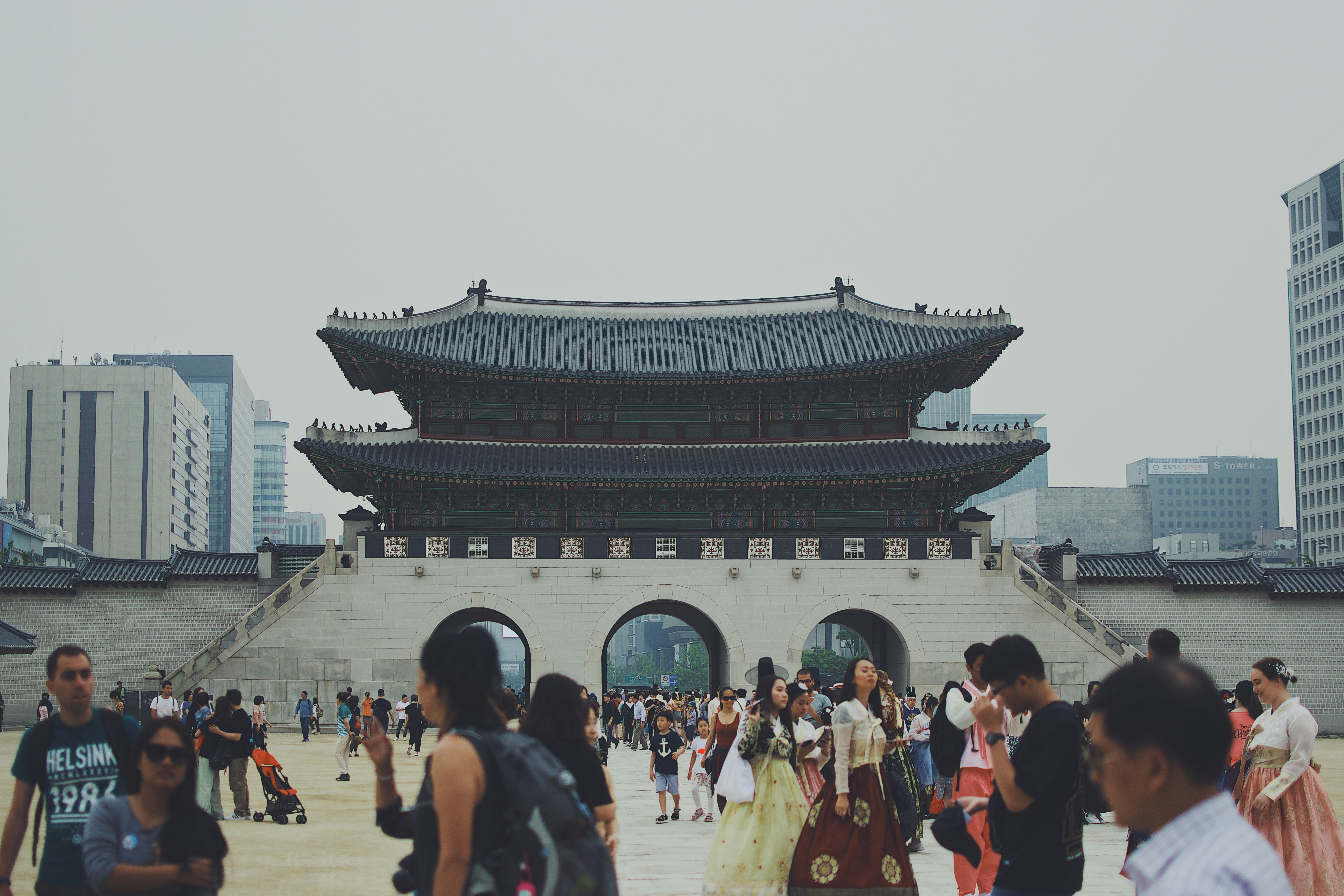
South Korea hits a rare sweet spot: modern, safe, and hyper‑connected, but still packed with tradition and nature. In one trip you can wander royal palaces in Seoul, hike volcanic landscapes in Jeju, and watch the sun set over Busan’s beaches – then be back on high‑speed rail in the morning.
As of 2026, travellers are drawn by:
- K‑pop, K‑drama and beauty trends you can experience firsthand in places like Hongdae and Gangnam.
- A food scene that ranges from ₩5,000 street food in markets to Michelin‑star tasting menus.
- Reliable, affordable connectivity via Hello eSIM, making it easy to navigate, translate, and share your trip.
- Very high safety standards, clean streets, and efficient systems that make first‑time travel feel comfortable.
Compared with nearby hotspots:
| Destination | Overall cost (mid‑range, per day) | Vibe at a glance |
|---|---|---|
| South Korea | US$80–140 | Urban culture, tech, food, scenic coasts |
| Japan | US$100–180 | Tradition, meticulous service, varied landscapes |
| Thailand | US$40–90 | Beaches, nightlife, budget‑friendly street food |
Use this guide as your base, then dive into details via our South Korea Cultural Guide: Etiquette, Customs, and Tips and itineraries like South Korea in 10 Days: The Ultimate Travel Itinerary to shape your perfect 2026 trip.
Best Time to Visit South Korea
South Korea is a year‑round destination, but 2026 travel is best in spring (March–May) and autumn (September–November) when temperatures are mild, skies are clear, and seasonal festivals peak. Use this section to match your ideal weather and experiences to the right month.
Spring brings cherry blossoms and crisp blue skies; autumn offers golden ginkgo trees and comfortable sweater weather. Summer can be hot, humid, and rainy, while winter is cold but great for snow sports and festive lights.
Here’s an at‑a‑glance seasonal comparison:
| Season (2026) | Weather & temps | Pros | Watch out for |
|---|---|---|---|
| Spring (Mar–May) | ~8–20°C, cool, blooming | Cherry blossoms, flowers, outdoor sightseeing | Crowds at popular blossom spots |
| Summer (Jun–Aug) | ~20–30°C, humid, monsoon in Jul | Beaches, festivals, long daylight | Heat, humidity, some heavy rain |
| Autumn (Sep–Nov) | ~10–22°C, dry, clear | Fall foliage, best hiking, ideal city walks | Cooler evenings; book early in late Oct |
| Winter (Dec–Feb) | ~–5–8°C, cold, occasional snow | Ski resorts, lower prices, night markets | Very cold, icy sidewalks, short days |
If you’re planning a blossom‑focused trip, use our dedicated South Korea Cherry Blossom Season 2026: Dates and Best Spots to time your visit to Seoul, Jinhae, Busan, and Jeju.
Decision snapshot:
- Want festivals, flowers and mild weather? Aim for late March to mid‑April.
- Prefer hiking and foliage? Choose early October to early November.
- Looking for lower prices and winter sports? Consider January–February.
Once you’ve picked your season, jump into itineraries like 3 Days in Seoul: K‑Culture, Food, and Shopping or South Korea in 5 Days: The Perfect Extended Itinerary to build a date‑specific plan.
Budget Overview: How Much a Trip Costs in 2026
As of 2026, a trip to South Korea typically costs US$50–90 per person per day for budget travel, US$80–150 for mid‑range, and US$180+ for luxury, excluding flights. This section helps you decide your daily budget and understand what’s realistic.
South Korea isn’t ultra‑cheap, but it offers strong value: public transport is affordable, street food is excellent, and you can scale up or down based on your accommodation and dining choices. Use this frame to choose your comfort level.
| Travel style (2026) | Daily budget (per person) | What it usually includes |
|---|---|---|
| Budget | US$50–90 | Hostels/guesthouses, local eateries, metro/bus, a few paid sights, Hello eSIM basic data |
| Mid‑range | US$80–150 | 3‑star hotels, mix of local and nice restaurants, KTX train tickets, cafes, Hello eSIM moderate data |
| Luxury | US$180–300+ | 4–5‑star hotels, fine dining, private tours, premium Hello eSIM data, frequent taxis |
For a deeper breakdown of food, transport, and attractions by city, see South Korea Travel Budget Guide: Daily Costs and Money Tips.
Also read South Korea Currency & Money Guide: Exchange, Cards, and Tips for up‑to‑date information on cash vs cards, how to withdraw Korean won, and money‑saving advice.
Quick budget decisions:
- Short city break (3–5 days in Seoul or Busan): aim for mid‑range to enjoy variety without stress.
- One‑week multi‑city trip (Seoul, Busan, Jeju): budget extra for inter‑city travel and luggage‑friendly Hello eSIM data.
- Tight backpacker budget: rely on convenience‑store meals, transit passes, and dorms but keep a cushion for unexpected costs.
Once your budget style is set, use itineraries like 1 Week in South Korea: Seoul, Busan, and Jeju which include daily cost examples.
Visa & Entry: Getting into South Korea Smoothly
For most travellers, entering South Korea in 2026 is straightforward, but rules vary by nationality. Always check your country’s latest requirements; Singapore passport holders enjoy short‑stay visa‑free entry under current rules. This section helps you prepare documents and avoid common entry mistakes.
South Korea uses a mix of visa‑free programs, electronic authorizations, and traditional visas depending on your passport. As regulations can change, confirm details with your local embassy or official government site before booking flights.
Key entry basics:
- Passport validity: Many travellers must have at least 6 months’ validity from arrival date.
- Return or onward ticket: Immigration often checks proof of onward travel.
- Accommodation details: Have your first hotel or address handy for the arrival card.
- Health and customs: Be aware of limits on tobacco, alcohol, and certain food items.
If you’re travelling from Singapore, our focused guide South Korea Visa & Entry Requirements for Singapore Passport Holders covers current visa status, K‑ETA requirements (if applicable), passport validity rules, and customs allowances.
Simple decision tree:
- Step 1: Check if your nationality is visa‑exempt for short tourist stays.
- Step 2: If required, apply for any electronic travel authorizations well before departure.
- Step 3: Confirm passport validity, travel insurance, and printed or digital copies of bookings.
On arrival, follow airport signage to immigration, keep your Hello eSIM QR ready but activate it after you’re through security, and have your accommodation and return flight details accessible. Combine this section with the South Korea Safety Guide: Tips for a Safe Trip for a worry‑free start.
Getting Around: Transport & City Navigation
Getting around South Korea in 2026 is remarkably easy: expect efficient metros, buses, and high‑speed KTX trains linking major cities, plus taxis and ride‑hailing in urban areas. This section explains how to move smoothly between and within destinations.
Seoul, Busan, Daegu, and other big cities have extensive metro networks with English signage and contactless fare cards. Inter‑city travel relies on KTX trains, express buses, and occasional domestic flights to places like Jeju.
At a glance:
| Route type | Best option | Typical cost range (2026) |
|---|---|---|
| Airport → city | Airport train/bus, sometimes taxi | US$5–20 depending on city |
| Within Seoul/Busan | Metro + bus, occasional taxi | US$1–2 per ride |
| Seoul ↔ Busan | KTX train (~2.5–3 hrs) | ~US$50–70 one way |
| Mainland ↔ Jeju | Domestic flight (~1 hr) | ~US$40–120 return |
Our Getting Around South Korea: Transport Guide for Travellers dives into airport transfers, transit cards, ride‑hailing apps, and driving rules.
Use Hello eSIM for real‑time navigation, checking timetables, and translating station names – especially when transferring between bus and metro. Having data makes it much easier to use local map apps and read transport updates.
Trip‑planning tips:
- Anchor in Seoul or Busan, with 1–2 side trips by KTX or bus.
- Book KTX tickets early for weekends and holidays.
- For Jeju, rent a car if comfortable driving; public buses are improving but slower.
You can see practical examples of transport days in our itineraries: 1 Week in South Korea: Seoul, Busan, and Jeju and South Korea in 3 Days: A Day-by-Day Itinerary.
Food & Dining: What to Eat and How Much It Costs
South Korea in 2026 is a paradise for food lovers: expect generous portions, intense flavors, and fair prices, from street‑side tteokbokki to barbecue feasts. This section gives a big‑picture view of what to eat, what it costs, and how to dine confidently.
Core experiences include Korean BBQ, bubbling stews (jjigae), fried chicken, kimbap, and market classics like hotteok. Vegetarian and halal options exist but may require more planning; large cities are easier than small towns.
Typical 2026 price ranges:
| Meal type | Example | Approx. price (per person) |
|---|---|---|
| Street food snack | Tteokbokki, fish cakes | ₩3,000–6,000 |
| Casual local meal | Kimbap, kimchi jjigae set | ₩7,000–12,000 |
| Korean BBQ | Pork/beef + sides | ₩15,000–35,000 depending on meat |
| Cafe drink | Latte, matcha | ₩4,000–7,000 |
Our South Korea Food Guide: Must-Try Dishes, Prices, and Tips lists essential dishes, typical restaurant prices, and safety tips. Combine it with South Korea Cultural Guide: Etiquette, Customs, and Tips to learn dining manners such as pouring drinks for elders and how to handle shared dishes.
Hello eSIM is handy for checking reviews, translating menus, and finding dietary‑specific restaurants on the go.
Quick food strategy:
- Breakfast: convenience stores or cafes near your stay.
- Lunch: markets or local eateries close to sights.
- Dinner: Korean BBQ, fried chicken, or hotpot with friends; split costs easily using Hello’s expense tracking.
You’ll find day‑by‑day food suggestions in itineraries like 3 Days in Seoul: K-Culture, Food, and Shopping and South Korea in 10 Days: The Ultimate Travel Itinerary.
Top Experiences & Suggested Itineraries
South Korea offers a mix of historic palaces, buzzing shopping districts, coastal cities, and volcanic islands. This section highlights must‑do experiences and shows how different itineraries fit 3–10 day trips in 2026.
Core experiences many travellers love:
- Seoul: Gyeongbokgung Palace, Bukchon Hanok Village, Myeongdong shopping, Hongdae nightlife.
- Busan: Haeundae Beach, Gamcheon Culture Village, seafood markets.
- Jeju: Seongsan Ilchulbong sunrise, waterfalls, coastal drives.
Our itineraries give you plug‑and‑play routes:
- 3 Days in Seoul: K-Culture, Food, and Shopping: perfect for a city‑focused long weekend.
- South Korea in 5 Days: The Perfect Extended Itinerary: balances Seoul highlights with a side trip.
- 3 Days in South Korea: A Day-by-Day Itinerary: ideal if you’re mixing Korea with Japan or Thailand.
- 1 Week in South Korea: Seoul, Busan, and Jeju: classic first‑timer route.
- South Korea in 10 Days: The Ultimate Travel Itinerary: deeper dive with hidden gems.
Quick itinerary picker:
- 3 days: Focus on Seoul; add one day trip (e.g., DMZ or Suwon).
- 5 days: Seoul plus either Busan or Jeju.
- 7 days: Seoul, Busan, and Jeju with KTX and flights.
- 10 days: Slow pace including secondary cities or extra hiking.
Hello’s trip planning and budget tracking features help you organize these routes, split expenses with friends, and keep daily spending aligned with your goals.
Hello eSIM & Connectivity in South Korea
Staying online in South Korea in 2026 is easy with Hello eSIM, which gives instant data access across major Korean networks without visiting a store. This section explains why Hello eSIM is the simplest way to stay connected from touchdown to takeoff.
Hello eSIM works on most modern iOS and Android phones, letting you scan a QR code before departure or upon arrival and connect within minutes. This means you can use maps, translators, and ride‑hailing apps the moment you leave the airport.
For Korea‑specific advice, see eSIM for South Korea: Best Plans, Coverage, and Setup Tips, which explains ideal data amounts for city breaks vs longer trips, how to configure data roaming, and what coverage to expect in cities versus rural areas.
If you’re combining South Korea with other Asian destinations like Japan or Thailand, check Best eSIM Plans for Asia Travel in 2026 to choose regional plans that keep you online throughout multi‑country itineraries.
Connectivity tips:
- Install Hello before you fly and test activation on Wi‑Fi.
- Use offline maps as a backup, but rely on Hello for live directions and transit info.
- Turn on data‑saving features (e.g., download playlists, use Wi‑Fi in hotels) if on a smaller data package.
Because Hello also supports expense splitting and budget tracking, you can manage shared data costs with friends, keep an eye on daily spending, and store confirmations in one place while you’re on the move.
Culture, Safety & Everyday Etiquette
South Korea is generally very safe in 2026, with low violent crime rates and helpful public services, but cultural etiquette matters. This section covers everyday behavior, safety basics, and how to avoid awkward moments or common travel pitfalls.
You’ll notice strong respect for elders, politeness in public spaces, and orderly queues. Speaking softly on public transport, keeping rubbish until you find a bin, and returning trays in food courts are simple ways to blend in.
Our South Korea Cultural Guide: Etiquette, Customs, and Tips explains greetings, honorifics, dining etiquette, and dress norms. It’s especially useful if you’re visiting temples, attending formal dinners, or meeting local friends.
For safety, read the South Korea Safety Guide: Tips for a Safe Trip, which covers emergency numbers, common scams, and health advice.
Practical culture and safety notes:
- Major cities are safe at night, but still use normal precautions.
- Keep your passport secure; carry a copy and digital scan on Hello.
- Medical facilities are excellent; travel insurance is recommended.
- Learn a few basic phrases (hello, thank you, excuse me) to show respect.
Hello eSIM helps you quickly look up etiquette, check scam alerts, and translate signs or medication instructions on the go.
Integrate these cultural and safety insights into your itinerary planning so you know when to dress more modestly, how to behave in traditional neighborhoods, and how to respond calmly in case of minor issues.
Money, Costs & Using Hello for Trip Planning
South Korea uses the Korean won (KRW), and as of 2026, cards and mobile payments are widely accepted in cities, with cash still useful for markets and small shops. This section explains money basics and how Hello can help you track and split expenses.
Expect ATMs in convenience stores and banks; many accept foreign cards. Larger restaurants, hotels, and chains usually take credit/debit cards, but carry cash for small stalls and some taxis.
Our South Korea Currency & Money Guide: Exchange, Cards, and Tips covers where to exchange money, how to recognize fair rates, and tips like avoiding dynamic currency conversion.
Pair that with South Korea Travel Budget Guide: Daily Costs and Money Tips to estimate daily spending on meals, transport, and attractions.
Hello’s budgeting and expense‑splitting features are particularly useful if you’re:
- Travelling with friends and sharing costs for accommodation, taxis, and meals.
- Comparing your actual spend to your planned budget in real time.
- Keeping a record of costs city‑by‑city for future trips.
Simple money checklist:
- Notify your bank of travel plans.
- Carry one main card plus one backup.
- Keep a small emergency cash reserve.
Use Hello eSIM to check exchange rate apps, confirm prices, and avoid miscommunication when paying. With these tools, managing money in South Korea becomes straightforward and transparent.
Before You Go: Essential 2026 Checklist
A smart pre‑departure checklist turns South Korea from dream to reality with fewer surprises. This section gives a concise “before you go” list for 2026, covering documents, packing, connectivity, and key bookings.
Use this as your master prep list, then refine with specific guides and itineraries.
Documents & admin:
- Check passport validity (ideally 6+ months).
- Confirm visa/entry rules and any electronic authorizations; Singapore travellers can refer to South Korea Visa & Entry Requirements for Singapore Passport Holders.
- Purchase travel insurance that covers medical care and cancellations.
Bookings:
- Reserve accommodation in core areas (e.g., Myeongdong, Hongdae, Haeundae in Busan).
- Pre‑book major trains, domestic flights to Jeju, and popular activities in peak seasons.
- Sketch a plan using itineraries like 1 Week in South Korea: Seoul, Busan, and Jeju.
Tech & money:
- Install Hello and set up Hello eSIM for instant data on arrival.
- Add payment methods and create a trip in Hello to track budgets and split expenses.
- Read South Korea Currency & Money Guide: Exchange, Cards, and Tips.
Packing & culture:
- Pack layers for variable weather; bring comfortable walking shoes.
- Read South Korea Cultural Guide: Etiquette, Customs, and Tips for clothing and behavior norms.
With this checklist and Hello set up on your phone, you’ll land in South Korea ready to navigate, communicate, and enjoy your trip from day one.
Frequently Asked Questions
How many days do I need for a first trip to South Korea in 2026?
For a first trip in 2026, 7–10 days is ideal: it lets you explore Seoul thoroughly and add Busan and/or Jeju without feeling rushed. Shorter trips are still worthwhile – use 3 Days in Seoul: K-Culture, Food, and Shopping for a city break or South Korea in 5 Days: The Perfect Extended Itinerary if you have under a week.
Is South Korea expensive compared to Japan or Thailand?
South Korea generally sits between Japan and Thailand in cost. As of 2026, expect roughly US$50–90 per day for budget travel and US$80–150 for mid‑range, excluding flights, which is cheaper than typical mid‑range Japan but higher than many parts of Thailand. See South Korea Travel Budget Guide: Daily Costs and Money Tips for details.
Do I need a visa to visit South Korea in 2026?
Visa requirements depend on your passport. Many nationalities enjoy short‑stay visa‑free entry, while others require a visa or electronic authorization. Always confirm with official sources before booking flights. Singapore passport holders can follow the guidance in South Korea Visa & Entry Requirements for Singapore Passport Holders for the latest rules.
What’s the best way to stay connected in South Korea?
The easiest way in 2026 is Hello eSIM, which provides instant data on arrival without visiting a shop. You can install it before leaving home and connect as soon as you land. For coverage, ideal data amounts, and setup steps, read eSIM for South Korea: Best Plans, Coverage, and Setup Tips, and use Best eSIM Plans for Asia Travel in 2026 if visiting multiple countries.
Is South Korea safe for solo travellers?
Yes, South Korea is considered very safe for solo travellers, including women, with low violent crime rates and efficient public services. Normal urban precautions still apply: stay aware of belongings, avoid overly intoxicated areas late at night, and keep emergency contacts handy. The South Korea Safety Guide: Tips for a Safe Trip offers detailed safety and health advice.
What are some must-try Korean dishes for first-time visitors?
Start with Korean BBQ (samgyeopsal or galbi), kimchi jjigae, bibimbap, tteokbokki, fried chicken, kimbap, and street snacks like hotteok. Prices are reasonable, and many dishes are shared. For a structured list with typical costs and where to find them, see South Korea Food Guide: Must-Try Dishes, Prices, and Tips.
Do I need cash, or are cards enough in South Korea?
In 2026, cards and mobile payments work well in cities, especially at chains, hotels, and larger restaurants. However, cash in Korean won is still useful for markets, small eateries, and some taxis. It’s best to have both: use our South Korea Currency & Money Guide: Exchange, Cards, and Tips to plan your mix and understand how to withdraw or exchange money.
eSIM Plans for South Korea
Detailed Articles
Dive deeper into specific topics covered in this guide.
South Korea Cultural Guide: Etiquette, Customs, and Tips
Essential do's and don'ts, greeting customs, dress codes, local phrases, and cultural tips for South Korea.
7 June 2026
South Korea in 10 Days: The Ultimate Travel Itinerary
A comprehensive 10-day itinerary for South Korea covering top attractions, hidden gems, daily costs, and transport between cities.
24 June 2026
South Korea Cherry Blossom Season 2026: Dates and Best Spots
When and where to see cherry blossoms in South Korea. Seoul, Jinhae, Jeju forecasts and travel planning tips.
26 June 2026
3 Days in Seoul: K-Culture, Food, and Shopping
Day-by-day Seoul itinerary covering Myeongdong, Bukchon, Gangnam, and the best Korean food spots.
26 June 2026
South Korea in 5 Days: The Perfect Extended Itinerary
A detailed 5-day itinerary for South Korea with daily activities, costs, neighborhoods, and transport tips for an extended stay.
10 May 2026
South Korea Travel Budget Guide: Daily Costs and Money Tips
How much does it cost to travel in South Korea? Daily budget breakdowns for budget, mid-range, and luxury travellers.
1 March 2026
South Korea Currency & Money Guide: Exchange, Cards, and Tips
Currency exchange, credit card acceptance, ATM tips, tipping culture, and money-saving advice for South Korea.
1 May 2026
1 Week in South Korea: Seoul, Busan, and Jeju
Seven-day South Korea itinerary with KTX train tips, food trails, and daily budgets.
14 July 2026
More Travel Guides
Destination Guide
Complete Bosnia and Herzegovina Travel Guide 2026
Everything you need to know about travelling to Bosnia and Herzegovina — budget, visa, food, transport, eSIM connectivity, and itineraries.
Destination Guide
Complete Bahamas Travel Guide 2026
Everything you need to know about travelling to Bahamas — budget, visa, food, transport, eSIM connectivity, and itineraries.
Destination Guide
Complete Bahrain Travel Guide 2026
Everything you need to know about travelling to Bahrain — budget, visa, food, transport, eSIM connectivity, and itineraries.
Destination Guide
Complete Sint Eustatius Travel Guide 2026
Everything you need to know about travelling to Sint Eustatius — budget, visa, food, transport, eSIM connectivity, and itineraries.