Key Takeaways
- ✓Bosnia and Herzegovina is a high-value, culturally rich destination that remains affordable in 2026.
- ✓Singaporeans and many other nationalities can enjoy visa-free entry for up to 90 days.
- ✓The Sarajevo-Mostar train journey is a must-do for its world-class scenic views.
- ✓Always stay on marked trails when hiking due to the risk of unexploded landmines in remote areas.
- ✓The local currency (BAM) is pegged to the Euro, making budget calculations straightforward.
- ✓Hello eSIM is the most reliable way to maintain 4G/5G connectivity across the country's rugged terrain.
- ✓Traditional Bosnian coffee is a cultural ritual; take your time and enjoy the slow pace of life.
- ✓Use the Hello app to manage group expenses and track your travel budget in real-time.
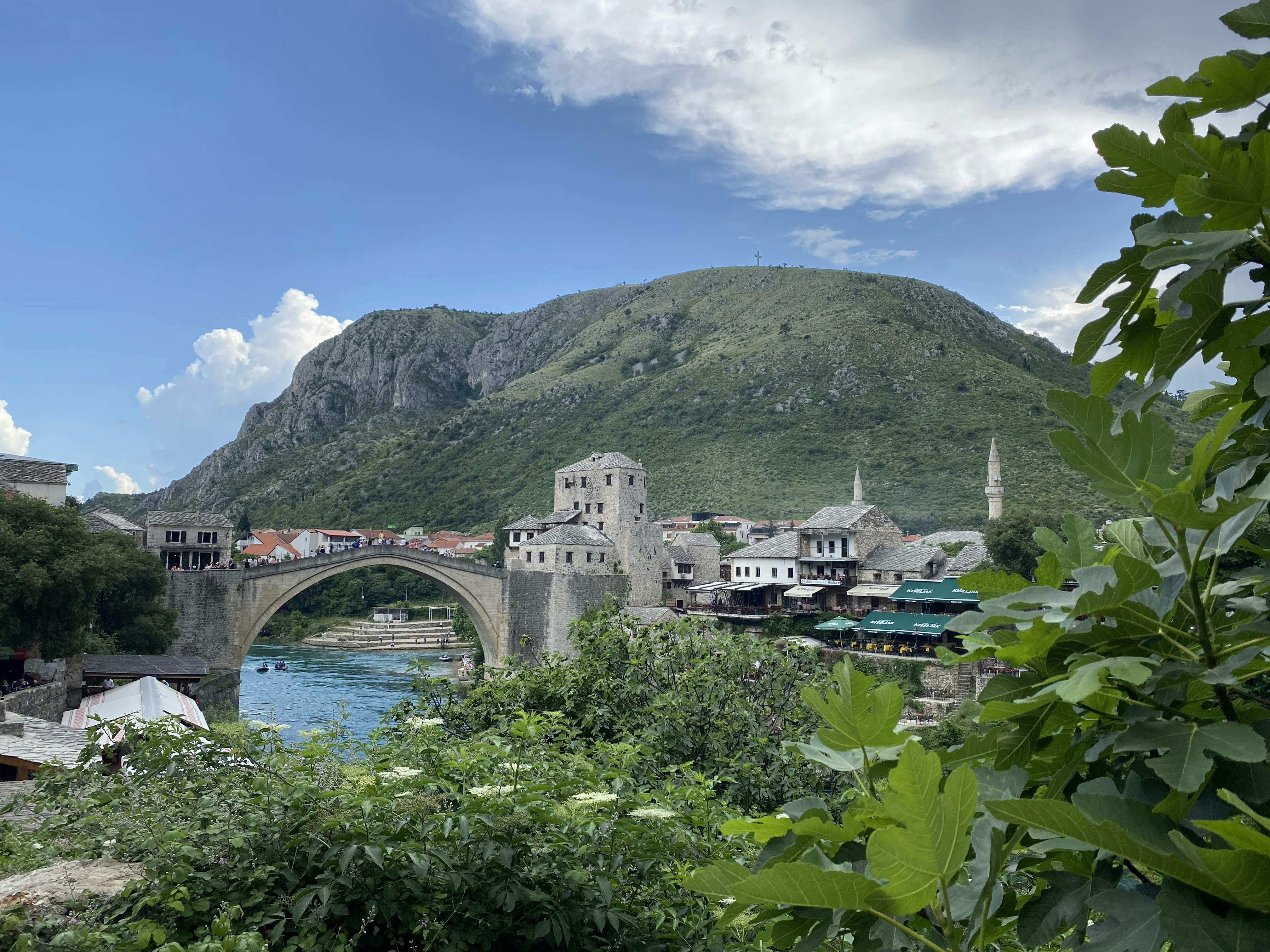
Welcome to Bosnia and Herzegovina, the 'Heart-Shaped Land' of the Balkans. In 2026, this destination has emerged as Europe’s most compelling frontier for travelers seeking authenticity, raw natural beauty, and a complex, layered history. From the Ottoman-era cobblestones of Sarajevo’s Baščaršija to the iconic Stari Most in Mostar, the country offers a unique synthesis of East and West that is increasingly rare in a globalized world. Whether you are an adventure seeker looking to raft the emerald waters of the Una River, a history buff exploring the resilient spirit of the 1990s, or a digital nomad seeking an affordable European base, this guide provides everything you need to plan a seamless journey. We cover essential logistics including visa requirements for Singaporeans, budgeting for 2026 prices, and staying connected with Hello eSIM. Bosnia and Herzegovina is more than just a stopover between Croatia and Montenegro; it is a destination that demands its own spotlight. This pillar guide serves as your authoritative resource, synthesizing local expertise with practical tools from the Hello app to ensure your Balkan adventure is both profound and perfectly organized.
The Allure of the Heart-Shaped Land: Why Visit in 2026?
Bosnia and Herzegovina offers an unparalleled blend of cultural richness and natural splendor, where minarets and church steeples share the same skyline. In 2026, it stands out as a high-value alternative to the crowded Mediterranean, offering deep historical insights, world-class outdoor adventures, and legendary hospitality.
Traveling through Bosnia and Herzegovina in 2026 feels like stepping into a living museum. The country has successfully balanced its poignant history with a vibrant, modern energy. Sarajevo, the capital, is often called the 'Jerusalem of Europe,' where you can walk from a mosque to a synagogue, a Catholic cathedral, and an Orthodox church within a single block. Beyond the urban centers, the Dinaric Alps offer some of the most underrated hiking and skiing in Europe, rivaling the landscapes of Slovenia but at a fraction of the cost.
As of 2026, the country has seen significant infrastructure improvements, making the rugged interior more accessible than ever. The 'Vjeverica' hiking trails and the expansion of the Ciro cycling trail have turned the country into a premier eco-tourism destination. Unlike the over-touristed hubs of Italy or France, Bosnia and Herzegovina remains a place where you can enjoy a traditional Bosnian coffee with locals without feeling like just another number. The Hello app further enhances this experience by allowing you to track your expenses in the local Konvertibilna Marka (BAM) and split costs effortlessly with your travel companions, ensuring the financial side of your trip is as stress-free as the scenery.
Visa and Entry Requirements: Navigating the 2026 Landscape
Most travelers, including those from Singapore, the EU, and the USA, can enter Bosnia and Herzegovina visa-free for up to 90 days within a 180-day period. Ensure your passport is valid for at least six months beyond your departure date and carry proof of sufficient funds and return travel.
For Singapore passport holders, the process is straightforward, but there are specific nuances regarding border crossings and registration that you should keep in mind. While Bosnia and Herzegovina is not part of the Schengen Area, its entry policies often align with European standards. In 2026, it is mandatory for all foreign visitors to register with the local police within 48 hours of arrival. If you are staying in a hotel or a registered hostel, they will typically handle this for you. However, if you are staying in private apartments or with friends, you must ensure this step is completed to avoid fines upon departure.
If you are planning a multi-country Balkan tour including Serbia or Montenegro, always ensure you receive an entry stamp at the border. In 2026, biometric gates are becoming more common at Sarajevo International Airport, but land border crossings still rely heavily on manual checks. For a detailed breakdown of the paperwork required for Singaporean travelers, including customs allowances for tobacco and alcohol, refer to our dedicated guide.
| Document | Requirement | Notes |
|---|---|---|
| Passport | 6 Months Validity | Must have at least two blank pages |
| Visa | Visa-Free (90 Days) | For Singapore, EU, US, and UK citizens |
| Insurance | Mandatory | Must cover medical repatriation |
| Police Registration | Within 48 Hours | Usually handled by accommodation |
Best Time to Visit: A Seasonal Decision Framework
The best time to visit Bosnia and Herzegovina depends on your interests: May to September is ideal for hiking and festivals, while December to March offers excellent, affordable skiing. Spring (April–June) provides the most beautiful landscapes with rushing waterfalls and blooming wildflowers.
Bosnia and Herzegovina experiences two distinct climates: a continental climate in the north (Bosnia) and a Mediterranean climate in the south (Herzegovina). This means that while Sarajevo might be dusted in snow, Mostar could be enjoying mild, sunny weather. In 2026, the Sarajevo Film Festival in August remains the country's cultural peak, attracting international stars and a buzzing nightlife. However, this is also the hottest and most crowded time.
For those seeking a balance, the shoulder seasons of May/June and September/October are the 'sweet spots.' During these months, the weather is perfect for exploring the Kravice Waterfalls or hiking in Sutjeska National Park without the mid-summer heat. If you're a winter sports enthusiast, the Olympic mountains of Jahorina and Bjelašnica offer some of the best value skiing in Europe, with modern lift systems upgraded for the 2026 season.
| Season | Months | Best For | Vibe |
|---|---|---|---|
| Spring | April - June | Hiking, Waterfalls | Lush, green, and quiet |
| Summer | July - August | Festivals, Rafting | Vibrant, hot, and busy |
| Autumn | Sept - Oct | Wine Tasting, Photography | Golden hues, mild weather |
| Winter | Dec - March | Skiing, Cozy Cafes | Snowy, festive, and cheap |
Travel Budgeting and Currency in 2026
Bosnia and Herzegovina remains one of Europe’s most affordable destinations in 2026. A budget traveler can manage on €40-€50 per day, while a mid-range traveler can enjoy high-quality dining and private tours for €80-€120 per day, including accommodation and transport.
The local currency is the Bosnia and Herzegovina Convertible Mark (BAM), which is fixed to the Euro (1 EUR ≈ 1.95 BAM). While credit cards are widely accepted in major cities like Sarajevo and Mostar, cash is still king in smaller villages, local markets, and for small purchases like coffee or bus tickets. In 2026, contactless payments have become the norm in urban cafes, but always carry some BAM for rural excursions.
To keep your finances organized, use the Hello app to track your daily spending. The app’s expense-splitting feature is particularly useful if you’re traveling in a group through the Balkans, as it allows you to settle up in various currencies without the headache of manual conversions. Compared to neighboring Croatia, you will find that your money goes significantly further here, especially when it comes to dining out and local transport. For a granular breakdown of costs—from the price of a 'Sarajevsko' beer to the cost of a private guide—check our comprehensive budget guide.
| Category | Budget (Daily) | Mid-Range (Daily) | Luxury (Daily) |
|---|---|---|---|
| Accommodation | €15 (Hostel) | €50 (Boutique Hotel) | €150+ (5-Star) |
| Meals | €15 | €35 | €70+ |
| Transport | €5 (Public) | €20 (Car Rental/Taxi) | €80 (Private Driver) |
| Total | €35 - €45 | €105 - €125 | €300+ |
Connectivity: Staying Online with Hello eSIM
Reliable internet is essential for navigating Bosnia’s winding mountain roads and translating menus. In 2026, the most efficient way to stay connected is via a Hello eSIM, which provides instant data access without the need to hunt for local SIM cards or deal with expensive roaming fees.
While free Wi-Fi is common in Sarajevo’s cafes, it can be spotty once you head into the mountains or travel between cities. A Hello eSIM ensures you have a continuous connection on the 4G and 5G networks that now cover most of the country. This is particularly vital for using GPS while driving or accessing the Hello app to manage your trip itinerary and expenses on the go.
Setting up your Hello eSIM is a simple process: purchase your plan before you land, scan the QR code, and activate it the moment you cross the border. This avoids the 2026 hassle of providing passport copies to local telecom providers at physical kiosks. Whether you need a small 1GB plan for a weekend in Mostar or a larger 20GB plan for a month-long Balkan odyssey, Hello offers flexible options tailored to your travel duration. For a step-by-step setup guide and coverage maps, see our detailed eSIM article.
Why choose Hello eSIM for Bosnia?
- Instant Activation: No physical SIM required.
- Cost-Effective: Avoid high roaming charges from home providers.
- Reliable Coverage: Access the best local networks automatically.
- Flexibility: Easily top up data via the Hello app if you run low.
Getting Around: Buses, Trains, and Road Trips
Transportation in Bosnia and Herzegovina is an adventure in itself. While the train network is limited, the Sarajevo-Mostar line is frequently cited as one of the most beautiful train journeys in the world. For most other routes, a reliable network of intercity buses or a rental car is the best choice.
In 2026, the bus remains the primary mode of transport for locals and tourists alike. Stations (Autobuska Stanica) are found in every town, though be aware that some cities have two stations (one for the Federation and one for Republika Srpska). Rental cars offer the most freedom, especially if you want to visit remote sites like the Lukomir highland village or the Perućica primeval forest. Driving is on the right, and while main roads are well-maintained, mountain passes can be narrow and winding.
For those coming from Thailand or Japan, the pace of transport here may feel slower, but the views out the window are the reward. If you are driving, always keep your headlights on (a legal requirement) and ensure you have the 'Green Card' insurance if you plan to cross into Montenegro or Croatia. Taxis in cities are metered and affordable, but always ensure the meter is running or agree on a price beforehand.
Culinary Journey: From Cevapi to Bosnian Coffee
Bosnian cuisine is a hearty, meat-centric fusion of Ottoman, Austro-Hungarian, and Balkan influences. Food is a central part of the culture, characterized by slow cooking, high-quality local ingredients, and the ubiquitous tradition of drinking Bosnian coffee in copper 'džezva'.
You cannot visit without trying 'Ćevapi'—small grilled meat sausages served in 'somun' bread with onions and 'kajmak' (clotted cream). Another staple is 'Burek,' a flaky pastry filled with meat, though you’ll also find versions with cheese (sirnica), spinach (zeljanica), or potatoes (krompiruša). In 2026, the slow-food movement has taken hold in the Herzegovina region, where you can sample exquisite Žilavka and Blatina wines paired with local cheeses aged in sheepskin.
Vegetarians may find the meat-heavy menus challenging, but dishes like 'Grah' (bean soup), 'Sarma' (cabbage rolls, often available meat-free), and fresh shopska salads are widely available. Dining out is an affordable luxury; a full meal with drinks in a traditional 'Aščinica' (local cafeteria) will rarely exceed €10. Remember, Bosnian coffee is not 'Turkish' coffee—the preparation method differs, and drinking it is a slow, social ritual that should never be rushed.
Safety, Health, and Cultural Etiquette
Bosnia and Herzegovina is generally very safe for travelers, with low rates of violent crime. However, visitors should remain aware of their surroundings in crowded areas to avoid pickpockets and, most importantly, strictly adhere to marked paths when hiking due to the lingering presence of landmines.
While the 2026 landscape is peaceful, the remnants of the 1990s conflict are still visible. It is important to approach historical discussions with sensitivity and respect. Avoid making light of the war or taking sides in political debates. In terms of health, tap water is generally safe to drink in major cities, and the healthcare system, while not as advanced as in Japan, is capable of handling emergencies.
For outdoor enthusiasts, the 'mine-aware' rule is the most critical safety tip: never wander off established trails in rural or mountainous areas unless you are with a certified guide. Additionally, ensure you have comprehensive travel insurance that covers adventure activities. For a full list of emergency contacts, health advisories, and common scams to watch out for, refer to our dedicated safety guide.
The 2026 'Before You Go' Checklist
Preparation is key to a smooth Balkan trip. Before you depart for Bosnia and Herzegovina in 2026, ensure you have checked off these essential steps to maximize your time and minimize stress during your travels.
- Check Visa Status: Confirm if your nationality requires a visa (Singaporeans are visa-free for 90 days).
- Download the Hello App: Set up your profile to track expenses and split costs with travel buddies.
- Install Hello eSIM: Purchase and install your data plan before arrival for instant 2026 connectivity.
- Insurance: Secure a policy that specifically covers 'repatriation' and 'mountain rescue' if you plan to hike.
- Offline Maps: While Hello eSIM keeps you connected, downloading offline maps of Sarajevo and Mostar is a great backup for remote areas.
- Cash is King: Inform your bank of your travel plans and withdraw some BAM at the airport ATM upon arrival.
- Learn Basic Phrases: A simple 'Dobar dan' (Good day) or 'Hvala' (Thank you) goes a long way with the locals.
- Power Adapter: Bosnia uses Type C and F plugs (standard European two-pin), the same as in Germany.
Frequently Asked Questions
Is Bosnia and Herzegovina safe for solo female travelers?
Yes, it is considered very safe. Local culture is respectful, and violent crime is rare. Standard precautions apply, especially at night in quiet areas, but most solo travelers find the country welcoming and easy to navigate.
Can I use Euros in Bosnia and Herzegovina?
While the BAM is pegged to the Euro, the Euro is not an official legal tender. Some hotels and souvenir shops in Mostar may accept Euros, but you will almost always get a poor exchange rate. It is best to use local BAM or credit cards.
How many days do I need for a first-time trip?
A 7 to 10-day itinerary is ideal. This allows for 3 days in Sarajevo, 2 days in Mostar, and a few days to explore smaller gems like Jajce, Blagaj, or the Una National Park.
Is the water safe to drink?
Yes, tap water is generally safe and of high quality across the country, especially in Sarajevo, which is famous for its historic public fountains.
Do I need an International Driving Permit (IDP)?
If your license is not in English or the Latin alphabet, an IDP is required. Even for others, it is highly recommended to avoid complications with local police or rental agencies.
Is English widely spoken?
In tourist hubs like Sarajevo and Mostar, English is widely spoken by the younger generation and those in the service industry. In rural areas, communication might require a few local words or gestures.
eSIM Plans for Bosnia and Herzegovina
Detailed Articles
Dive deeper into specific topics covered in this guide.
Bosnia and Herzegovina Visa & Entry Requirements for Singapore Passport Holders
Visa requirements, passport validity, customs allowances, and entry tips for Singapore citizens travelling to Bosnia and Herzegovina.
7 July 2026
Bosnia and Herzegovina Travel Budget Guide: Daily Costs and Money Tips
How much does it cost to travel in Bosnia and Herzegovina? Daily budget breakdowns for budget, mid-range, and luxury travellers.
22 February 2026
eSIM for Bosnia and Herzegovina: Best Plans, Coverage, and Setup Tips
Everything you need to know about using eSIM in Bosnia and Herzegovina. Best data plans, network coverage, and setup instructions.
28 June 2026
Bosnia and Herzegovina Safety Guide: Tips for a Safe Trip
Safety tips, health advisories, emergency contacts, common scams, and travel insurance advice for Bosnia and Herzegovina.
16 July 2026
More Travel Guides
Destination Guide
Complete Sweden Travel Guide 2026
Everything you need to know about travelling to Sweden — budget, visa, food, transport, eSIM connectivity, and itineraries.
Destination Guide
Complete Romania Travel Guide 2026
Everything you need to know about travelling to Romania — budget, visa, food, transport, eSIM connectivity, and itineraries.
Destination Guide
Complete Réunion Travel Guide 2026
Everything you need to know about travelling to Réunion — budget, visa, food, transport, eSIM connectivity, and itineraries.
Destination Guide
Complete Qatar Travel Guide 2026
Everything you need to know about travelling to Qatar — budget, visa, food, transport, eSIM connectivity, and itineraries.