Bosnia and Herzegovina Visa & Entry Requirements for Singapore Passport Holders
Visa requirements, passport validity, customs allowances, and entry tips for Singapore citizens travelling to Bosnia and Herzegovina.
By Hello Travel Team
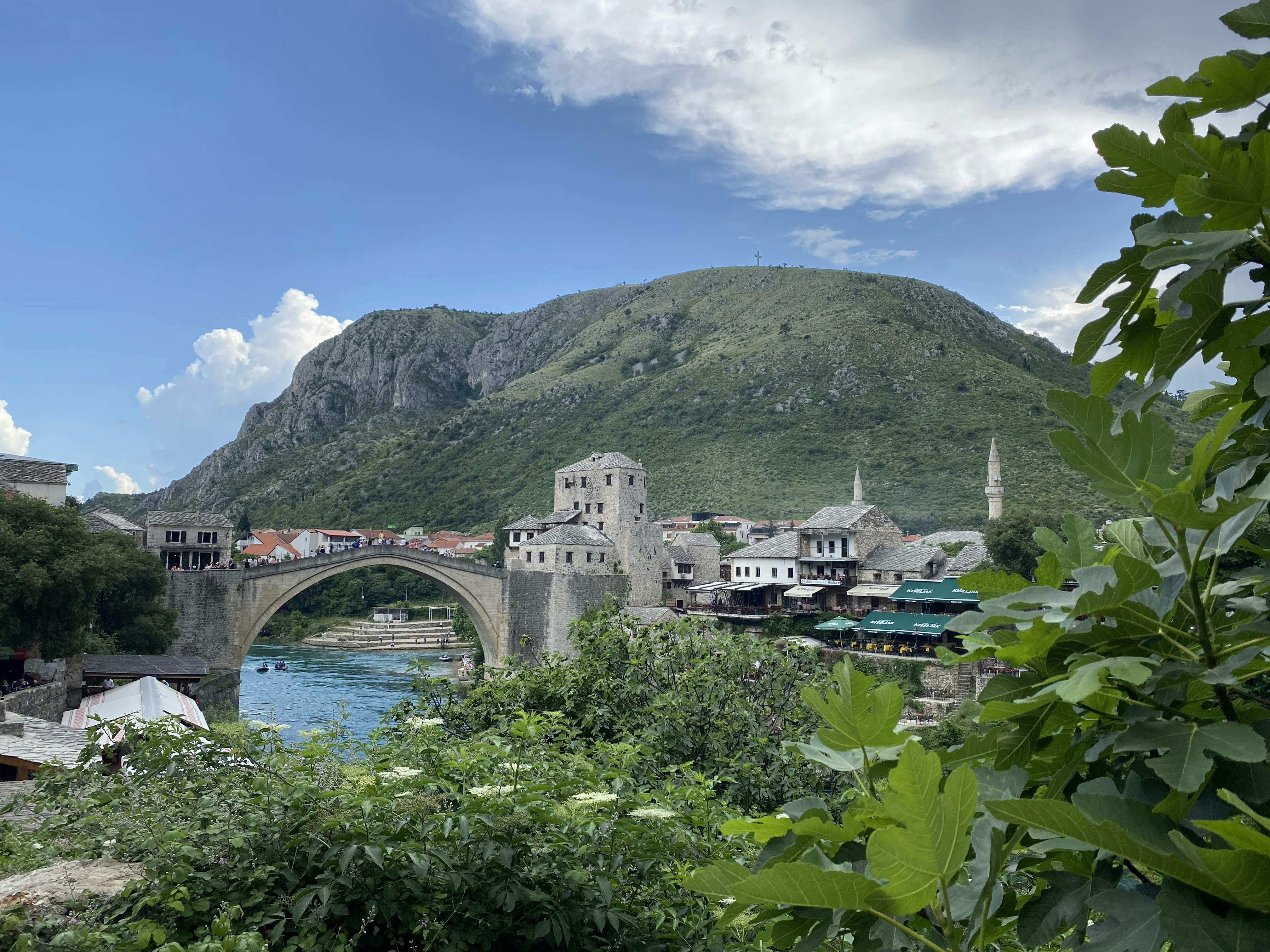
TL;DR: Bosnia and Herzegovina Visa & Entry Requirements for Singaporeans
Singapore citizens can generally visit Bosnia and Herzegovina visa‑free for short tourist stays, but you should always verify the latest rules with an official Bosnian embassy or consulate before you book. Bosnia typically requires a passport valid at least 3 months beyond departure, proof of onward travel, and may ask for accommodation and funds.
According to Bosnia and Herzegovina’s Ministry of Security and embassy guidance, many nationalities enjoy visa‑free access for up to 90 days within a 180‑day period, and Singapore’s high‑ranking passport usually falls into this group, though Singapore is not always listed explicitly on older public pages, so direct confirmation is essential via a Bosnian embassy website or by contacting the nearest mission.
Customs rules are similar to the EU: small amounts of alcohol and tobacco for personal use, and cash over €10,000 must be declared, in line with regional anti‑money‑laundering rules referenced by European travel advisories. Health‑wise, there are currently no mandatory vaccines for Bosnia and Herzegovina for most travellers, but standard shots and travel insurance are recommended by public health agencies.
For connectivity, booking a Hello eSIM for Bosnia and Herzegovina before you fly lets you land with data ready to go, skipping airport SIM queues and helping you access maps, language apps, and e‑tickets the moment you arrive.
Do Singapore Passport Holders Need a Visa for Bosnia and Herzegovina?
Singapore passport holders can usually enter Bosnia and Herzegovina visa‑free for short tourist visits, but you should treat this as a 90‑days‑in‑180 guideline and always double‑check with an official Bosnian embassy before travelling, as visa policy can change with little notice.
Bosnia and Herzegovina’s embassies explain that citizens of exempted countries may stay up to 90 days within any 180‑day period without a visa, similar to Schengen‑style rules applied to many visitors from Europe and other visa‑exempt states, such as the United States, who may enter visa‑free for 90 days in a six‑month period according to the U.S. Department of State (travel.state.gov). Citizens of “all other countries” are subject to a visa regime, per the Bosnian Embassy in Brussels, but high‑mobility passports like Singapore’s are typically included in the visa‑free group even when not individually listed on older webpages.
Where Bosnia requires a visa, embassies in Washington D.C. and Brussels describe a straightforward process: a completed application, valid passport, photo, round‑trip ticket/itinerary, proof of accommodation or invitation, and bank statement, with visa fees quoted around US$39 for a single‑entry visa and US$70 for multiple‑entry on the Washington embassy site. These figures are a useful benchmark, but fees can be updated, so always confirm costs and whether you personally need a visa with your nearest Bosnian embassy or consulate.
Because Singapore’s visa‑free access can exceed 190 destinations globally according to major passport indexes in 2026, Bosnia and Herzegovina is widely treated as a practical visa‑free stop for Singaporeans planning Balkans road trips through Croatia, Montenegro, or Serbia.
Bosnia and Herzegovina Passport Validity, Entry Rules & Onward Travel
To enter Bosnia and Herzegovina, your Singapore passport should be valid for at least three months beyond your intended departure date, and you may be asked to show a return ticket, proof of accommodation, and sufficient funds at the border.
The U.S. Department of State’s Bosnia and Herzegovina travel information notes that passports must be valid three months past the planned date of departure, and airlines may deny boarding if your return date is more than three months after arrival or your passport is near expiry. This three‑month rule is a good conservative standard for Singapore travellers too, and many Singaporeans prefer to keep six months’ validity as a personal buffer because other countries on the same trip (for example in the Schengen Area) often require six months.
Bosnian authorities also expect:
- Onward or return ticket: This shows you don’t intend to overstay. Carriers flying via hubs like Istanbul or Vienna may check this at check‑in.
- Proof of stay: A hotel booking, Airbnb reservation, or a certified invitation letter from a host, mirroring the requirements described on the Bosnian Embassy in Brussels site for visitors who need visas.
- Proof of funds: While Bosnia does not widely publish a fixed daily amount, European practice is often around €50–70 per day as an informal benchmark; having recent bank statements or a credit card helps.
If you stay in a private residence for 3+ days, the U.S. travel advisory notes you or your host must register with local police or the Department for Foreigners within 48 hours, a rule that can also apply to other nationalities, so Singaporeans staying with friends or family should ask their host to help with registration soon after arrival.
Customs, Duty‑Free Allowances & Money Tips for Singapore Travellers
Bosnia and Herzegovina follows EU‑style customs rules, allowing small quantities of alcohol, tobacco, and personal goods duty‑free, while requiring you to declare large amounts of cash (typically over €10,000) and restricting certain food, animal products, and weapons or replicas.
Although Bosnia is not in the EU, its customs framework closely mirrors European norms. As a Singapore traveller arriving by air into Sarajevo, Banja Luka, or Tuzla, you can usually bring personal items, clothes, and electronics for your trip with no issue, along with modest duty‑free quantities such as roughly 1 litre of spirits, 2–4 litres of wine, and a carton of cigarettes, consistent with common European allowances. Limits can vary, so if you plan to bring more alcohol or tobacco from Turkey or United Arab Emirates, check the latest Bosnian customs pages before you shop.
Cash control rules are broadly aligned with EU regulation 1889/2005, requiring declaration of €10,000 or more (or equivalent) when entering or leaving the country. Declarations are usually done at the red‑channel customs desk; failing to declare can lead to fines or confiscation.
Some practical money tips for Singaporeans:
- Bosnia’s local currency is the Convertible Mark (BAM), pegged to the euro. ATMs are common in cities like Sarajevo and Mostar.
- Card acceptance is growing, but smaller guesthouses and rural restaurants may be cash‑only; carrying around BAM 100–150 (≈ S$75–110) per day in cash is sensible for out‑of‑city exploring.
- If travelling with friends, using Hello’s expense‑splitting and multi‑currency tracking makes it easy to log shared dinners or road‑trip fuel in BAM while each of you settles up in SGD or other home currencies later.
Health, Safety, and Connectivity: Staying Prepared in Bosnia and Herzegovina
Bosnia and Herzegovina does not currently require specific vaccines for most travellers, but major public‑health agencies recommend being up‑to‑date on routine shots and considering travel vaccines like hepatitis A, especially if you’ll be hiking, trying street food, or visiting rural areas.
European and North American health advisories for Bosnia emphasize that standard immunisations (MMR, tetanus, diphtheria, polio) should be current, and that hepatitis A and B are common optional vaccines for travellers in the Balkans. Rabies is rare in cities but may be present in wildlife; if you plan extensive trekking in the Dinaric Alps or long‑distance cycling, talk to a travel clinic 4–6 weeks before departure. Tap water is safe in most cities, but many travellers still prefer bottled water in rural zones.
From a safety perspective, Bosnia is generally welcoming and safe, with typical European city concerns like pickpocketing in crowded spots (Baščaršija market in Sarajevo or near the Stari Most in Mostar). U.S. and European advisories also remind visitors not to wander off marked paths in remote areas because land mines from the 1990s conflict can still exist in some forests and mountains.
For connectivity, buying a Hello eSIM for Bosnia and Herzegovina before you fly means you land with instant mobile data for maps, ride‑hailing, and translation apps, without hunting for local SIM stalls. Plans typically start from 5GB, with live‑updated prices in the Hello app, and activation is done from your phone within minutes so you can focus on exploring, not queuing.
Itinerary Planning, Overland Entry, and Budget Tips for Singaporeans
Bosnia and Herzegovina is perfect for multi‑country Balkans itineraries, and Singapore travellers can usually combine it visa‑free with neighbours like Croatia, Montenegro, and Serbia, entering overland by bus, car, or train with the same passport validity and onward‑travel expectations as when flying.
Many Singaporeans weave Bosnia into a 10–14 day route: flying into Zagreb or Dubrovnik, looping through Mostar, Sarajevo, and Jahorina, then exiting via Belgrade or back to the Croatian coast. Regional bus companies link Dubrovnik to Mostar for around €20–25 one way (≈ S$30–37) as of 2025, while Sarajevo–Belgrade buses often cost €25–30. Border checks for overland entry typically involve a quick passport inspection, and you may occasionally be asked about accommodation or onward travel.
Daily budgets in Bosnia are noticeably lower than in Western Europe. A mid‑range traveller can expect roughly:
- Accommodation: €35–60 (≈ S$55–90) per night for a central guesthouse in Sarajevo.
- Meals: €6–10 (≈ S$9–15) for a sit‑down cevapi or burek lunch; €12–20 (≈ S$18–30) for dinner with drinks.
- Transport: €1–2 for city trams/buses; €20–30 for intercity buses.
Using Hello’s budget tracking and AI categorisation, you can set a total trip budget in SGD, then track expenses in BAM, EUR, and HRK as you move across borders. The app’s real‑time exchange rates and receipt‑scanning in any language make it easy to see, for example, that your 7‑day Bosnia segment cost less than your 3 days in Croatia, helping you plan future trips more efficiently.
Common Questions on Bosnia and Herzegovina Entry Requirements for Singaporeans
Most Singapore passport holders can enter Bosnia and Herzegovina visa‑free for short tourism or business trips, but you should always verify details with an official Bosnian embassy before departure because entry rules, allowed stay durations, and documentation requirements can be updated.
Do I need a visa for Bosnia and Herzegovina with a Singapore passport?
In practice, Singaporeans are generally treated as visa‑exempt for short stays, similar to other highly mobile passports. Bosnian embassies list entire groups of visa‑exempt states and specify that “all other countries” need visas; Singapore usually falls under the exempt group, but you should confirm directly with a Bosnian embassy or the Ministry of Security’s latest list before booking.
How long can I stay?
Many visa‑free visitors can stay up to 90 days within a 180‑day period, as described in travel guidance for U.S. citizens and visa‑exempt nationals. Treat 90 days as a practical maximum unless an embassy confirms otherwise in writing for Singapore citizens.
What passport validity do I need?
Bosnia expects at least three months’ validity beyond your planned departure, according to travel.state.gov for U.S. travellers. To be safe (especially if you’re also visiting Schengen countries that often require six months), aim for six months’ validity on your Singapore passport at your date of entry.
Are there any health or vaccination requirements?
There are no compulsory vaccines for most visitors from Singapore, but public‑health agencies recommend being up‑to‑date on routine shots and considering hepatitis A and B. Always carry travel insurance that covers medical evacuation.
How should I stay connected?
For hassle‑free data, you can install an eSIM from Hello before flying. Once you land, your phone connects automatically to local networks, so you can use maps, translations, and Hello’s expense‑splitting tools immediately without searching for a SIM shop.
Explore These Destinations
Stay Connected
🇧🇦 eSIM Plans for Bosnia and Herzegovina
Ready for Bosnia and Herzegovina?
eSIM data, expense splitting, budget tracking, and more. Everything you need for a smooth trip in one app.
Related Articles
Bosnia and Herzegovina Currency & Money Guide: Exchange, Cards, and Tips
Currency exchange, credit card acceptance, ATM tips, tipping culture, and money-saving advice for Bosnia and Herzegovina.
24 July 2026
Bosnia and Herzegovina Safety Guide: Tips for a Safe Trip
Safety tips, health advisories, emergency contacts, common scams, and travel insurance advice for Bosnia and Herzegovina.
16 July 2026
eSIM for Bosnia and Herzegovina: Best Plans, Coverage, and Setup Tips
Everything you need to know about using eSIM in Bosnia and Herzegovina. Best data plans, network coverage, and setup instructions.
28 June 2026