Bosnia and Herzegovina Safety Guide: Tips for a Safe Trip
Safety tips, health advisories, emergency contacts, common scams, and travel insurance advice for Bosnia and Herzegovina.
By Hello Travel Team
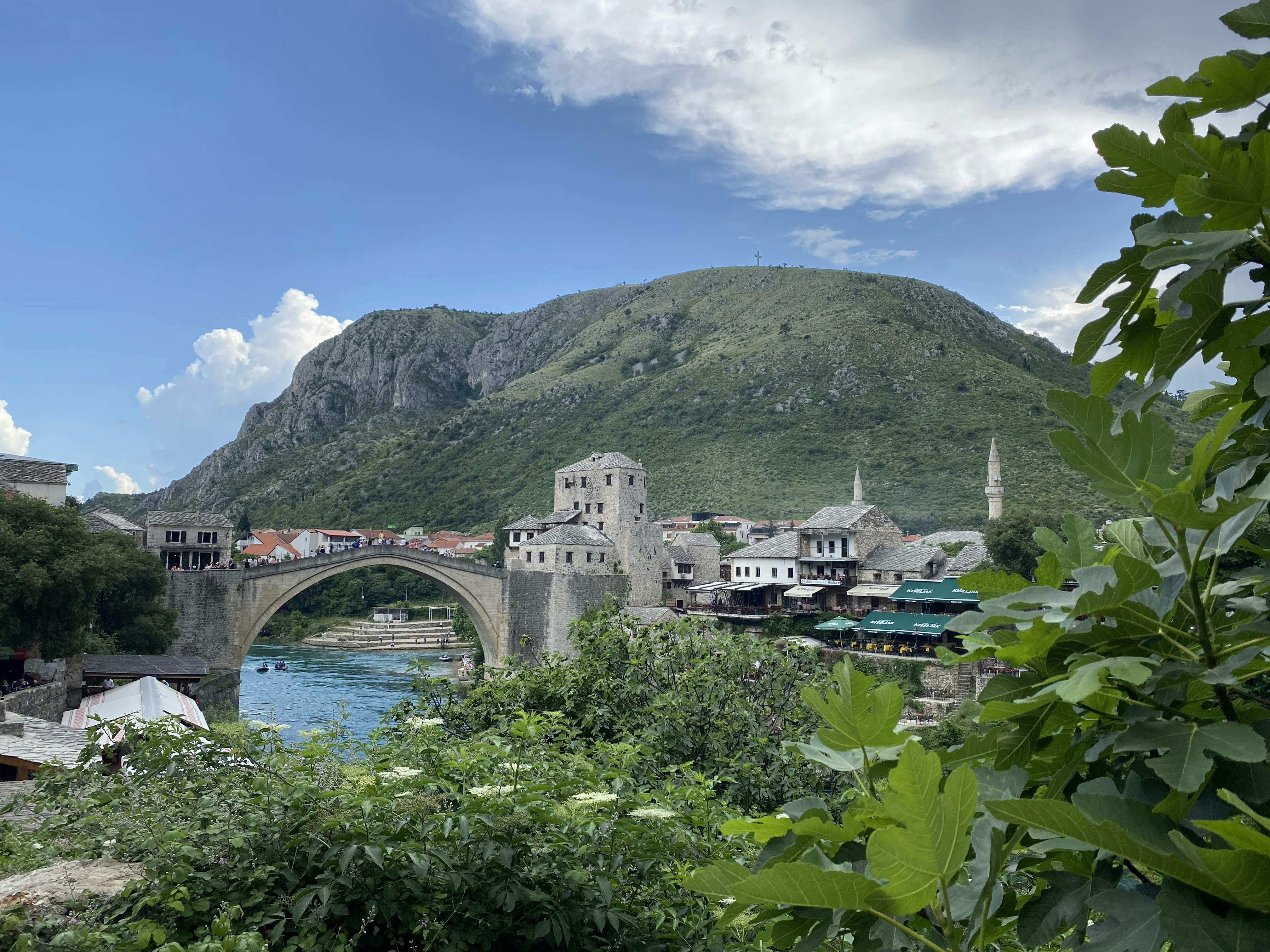
TL;DR: Is Bosnia and Herzegovina Safe to Travel?
Bosnia and Herzegovina is generally safe for tourists, with low violent crime, friendly locals, and Level 2 (“exercise increased caution”) advisories mainly due to landmines in rural areas and occasional political tension. Most travellers enjoy trouble‑free visits to Sarajevo, Mostar, and other major destinations.
In practical terms, Bosnia and Herzegovina travel safety comes down to a few key habits: stay on paved roads and marked trails outside cities, watch your belongings in crowded areas, and avoid demonstrations or political rallies. According to several travel safety indexes, Bosnia scores as a low-to-medium risk destination for practical traveller risk, with most issues linked to infrastructure or petty theft rather than serious crime.
For everyday visitors, cities like Sarajevo, Mostar, Banja Luka, and Tuzla feel similar in safety to many other European destinations. The US State Department rates Bosnia and Herzegovina as Level 2: Exercise Increased Caution (comparable to France or Germany), while many European governments advise travellers to take normal or standard precautions. With sensible planning, good insurance, and reliable connectivity — for example, via a Hello eSIM — Bosnia and Herzegovina is a rewarding, welcoming destination where safety concerns rarely dominate the experience.
Overall Bosnia and Herzegovina Travel Safety: What to Expect
Bosnia and Herzegovina is considered generally safe for tourists, with low violent crime rates and most visits to Sarajevo, Mostar, and other cities passing without serious incidents when travellers use normal common-sense precautions. Authorities and local operators consistently describe it as a safe, welcoming destination.
Government advisories provide a good snapshot of Bosnia and Herzegovina safety. The US State Department currently classifies Bosnia and Herzegovina as Level 2: Exercise Increased Caution, citing terrorism risk (largely generic), petty crime, and landmines in some rural areas. European sources note that most visitors experience trouble‑free trips to major attractions and urban centres. A travel safety index gives Bosnia a low practical traveller risk score (around 37/100), placing it in the broadly safe category, albeit with infrastructure and landmine caveats.
Violent crime against tourists is rare, and local guides report that crime rates in Sarajevo and Mostar are lower than in many popular Western European destinations. You are more likely to encounter issues such as pickpocketing on public transport, bag snatching in busy pedestrian zones, or taxi overcharging than serious threats. In day‑to‑day travel, the country’s biggest safety talking points are:
- Remaining on paved roads and marked paths in rural areas due to unexploded landmines
- Staying aware of political demonstrations in city centres
- Allowing extra time for mountain road travel and winter driving
With these points in mind, Bosnia and Herzegovina travel safety is manageable and comfortable for most travellers.
Common Scams, Landmine Risks, and How to Stay Safe
Most Bosnia and Herzegovina scams are low-level, tourist-focused annoyances like taxi overcharging or pickpocketing in crowds, while the most serious physical risk for travellers is landmines in certain rural and mountainous areas — something you can easily avoid with basic precautions.
In cities, the main Bosnia and Herzegovina travel safety concern is petty crime. Public transport and crowded pedestrian areas in Sarajevo, Mostar, and Banja Luka can attract pickpockets and bag‑snatchers. Practical tips include:
- Keep valuables in a zipped bag worn in front
- Avoid showing large amounts of cash or high‑end cameras
- Use hotel safes for passports and spare cards
Taxi and payment scams do occur. To avoid them:
- Use clearly marked taxis and ensure the meter is switched on
- Confirm approximate fares with your hotel (a city‑centre ride in Sarajevo is usually under €5–7 in 2026)
- Be cautious if a driver refuses the meter or suggests detours without reason
Landmines are the single biggest physical hazard, but they are not a concern in normal tourist areas. Bosnia’s mine action centre estimates around 2% of the country remains a suspected hazardous area, mostly remote hills, forests, and abandoned buildings. Authorities advise:
- Stay on paved roads and marked, well‑used trails when hiking
- Never enter abandoned houses or step beyond red skull-and-crossbones warning signs
- Use licensed local guides for serious trekking or off‑road adventures
If you plan rural exploration, a Hello eSIM for Bosnia and Herzegovina ensures you can check maps, contact guides, or call for help even outside city centres.
Emergency Numbers, Embassies, and Staying Connected in Bosnia and Herzegovina
Bosnia and Herzegovina has simple, nationwide emergency numbers and generally responsive services in cities; combining these with good connectivity and embassy details makes it easy to get help quickly if something goes wrong on your trip.
Emergency numbers are straightforward and work across the country:
- 122 – Police
- 123 – Fire brigade
- 124 – Ambulance / medical emergency
Keep these saved on your phone and written down in your wallet in case your battery dies. Police are usually professional, though English may be limited outside main tourist areas, so speaking slowly and using key words (“tourist,” “hotel,” “passport”) helps.
If you’re travelling on a Singapore passport, the nearest Singapore mission for Bosnia and Herzegovina is typically located in a neighbouring or regional capital rather than Sarajevo. Many Singaporeans rely on the Singapore Embassy in Vienna or Berlin and Honorary Consuls in nearby countries for assistance with lost passports or emergencies. It’s wise to check the Ministry of Foreign Affairs website before you travel and note the contact details and email for the mission covering Bosnia and Herzegovina.
Reliable mobile data makes emergencies much easier to manage — from calling taxis to using map apps and translating conversations with police or doctors. An eSIM from Hello lets you buy and activate data plans before you land, so you arrive connected and can immediately use navigation, messaging, and local emergency information. Hello’s travel companion app also supports expense splitting and budget tracking, which can be helpful if you unexpectedly need to pay for medical visits, police reports, or replacement documents.
Health, Water Safety, and Recommended Vaccinations
Health risks in Bosnia and Herzegovina are moderate and manageable, with safe tap water in most cities, standard European food hygiene in tourist areas, and recommended vaccines focused on hepatitis A, tetanus, and optional boosters for nature-heavy trips like hiking or rural stays.
For short urban trips, most travellers face few health issues beyond standard food and water precautions. Tap water in Sarajevo, Mostar, and other major towns is generally considered safe for locals and visitors; however, many travellers choose bottled water in more rural areas or if their stomach is sensitive. Street food and ćevapi shops are common and usually fine when busy and well-reviewed.
Health authorities typically recommend standard travel vaccinations: up‑to‑date tetanus and diphtheria, plus hepatitis A for areas where sanitation may be less consistent. Some European advisories also note tuberculosis as an increasing concern, mainly for long stays, healthcare work, or very rural travel, but short‑term visitors with standard precautions are at low risk.
Nature travellers should consider extra protection. If you plan extensive hiking in forested regions in spring or summer, tick‑borne diseases and tick‑borne encephalitis vaccination may be worth discussing with your doctor. Those working directly with animals or volunteering in shelters or farms may be advised to take rabies pre‑exposure shots.
Basic health tips include washing hands frequently, carrying a small medical kit (painkillers, antiseptic, plasters), and avoiding undercooked meat or unpasteurised dairy. Medical facilities in Sarajevo are reasonable for routine issues, but serious cases are often transferred to Croatia or Austria, making travel insurance with medical evacuation cover highly advisable.
Solo Female and LGBTQ+ Travel Safety in Bosnia and Herzegovina
Solo female travellers and LGBTQ+ visitors generally find Bosnia and Herzegovina manageable and fairly safe, especially in larger cities, but conservative social attitudes make low‑key, respectful behaviour and situational awareness important, particularly outside urban centres and nightlife districts.
Reports from solo female travellers describe Sarajevo and Mostar as feeling safe to walk around, especially in busy areas and during daylight. Street harassment is relatively rare compared with some neighbouring countries, though late‑night bar districts can attract unwanted comments. Practical tips for solo women include:
- Choose central, well‑reviewed accommodation (Old Town Sarajevo, near Stari Most in Mostar)
- Use registered taxis or ride services at night instead of walking long distances
- Dress modestly in rural or conservative areas, especially around mosques or churches
For LGBTQ+ travellers, same‑sex sexual activity is legal in Bosnia and Herzegovina, and Sarajevo hosts occasional Pride events, but discrimination still occurs and public affection between same‑sex couples can attract negative attention. Local authorities and foreign offices advise that while cities are more tolerant, LGBTQ+ communities continue to report incidents of harassment and sometimes violence.
If you identify as LGBTQ+, Bosnia and Herzegovina travel safety is easier when you:
- Keep affection low‑key in public, particularly in smaller towns
- Research LGBTQ‑friendly bars or community spaces in Sarajevo beforehand
- Save contact details for your embassy or consulate before you travel
Overall, both solo female and LGBTQ+ travellers can enjoy Bosnia and Herzegovina with sensible precautions — sticking to lively areas, trusting your instincts, and using good connectivity (such as Hello’s eSIM plans) to stay in touch with friends and access maps, ride apps, and translation tools.
Travel Insurance, Budget Safety, and Common Questions (Q&A)
Travel insurance is strongly recommended for Bosnia and Herzegovina, mainly to cover medical costs, evacuation to nearby EU countries, and theft or loss of belongings; pairing good insurance with smart budget tools helps you stay financially and practically secure on your trip.
Comprehensive policies should include medical coverage, emergency evacuation (since serious cases may be transferred to Croatia or Austria), trip interruption, and theft cover for phones, cameras, and baggage. In 2026, solid mid‑range policies for a one‑week trip to Bosnia and Herzegovina often cost around US$40–80, depending on your age and coverage limits.
Hello’s travel companion app can support budget safety by tracking spending across currencies, scanning receipts with AI, and splitting costs fairly with friends. Features like multi‑currency tracking and automatic exchange rates make it easier to spot unusual charges or extra fees, especially when using taxis or booking tours. Voice expense entry and Gmail receipt auto‑import simplify logging accommodation and transport, so you have clear records if you need to make an insurance claim later.
Here are answers to common Bosnia and Herzegovina safety questions:
Is Bosnia and Herzegovina safe for tourists?
Yes, most visitors experience safe, trouble‑free trips, particularly in major cities and popular tourist spots, as long as they use normal precautions and stay on marked roads and paths.
What are the Bosnia and Herzegovina emergency numbers?
Dial 122 for police, 123 for fire, and 124 for ambulance/medical emergencies anywhere in the country.
Is tap water safe to drink?
Tap water is generally safe in cities like Sarajevo and Mostar, though some travellers prefer bottled water in rural areas.
Do I need travel insurance?
Yes, strongly recommended, especially for medical evacuation and theft cover.
How can I stay connected safely?
Use Hello eSIM for Bosnia and Herzegovina to arrive with mobile data already active, enabling maps, translation, and emergency calls without hunting for local SIM shops.
| Question | Short Answer |
|---|---|
| Is Bosnia and Herzegovina safe? | Generally yes, with Level 2 advisories focused on landmines and petty crime. |
| Main emergency numbers | 122 police, 123 fire, 124 ambulance. |
| Biggest physical risk | Landmines in rural, unmarked areas (avoid off‑road wandering). |
| Solo female safety | Mostly safe in cities with normal precautions and modest dress in rural areas. |
| LGBTQ+ safety | Legal but conservative; discretion advised outside LGBTQ‑friendly spaces. |
| Water safety | Tap water usually safe in cities; bottled recommended in some rural areas. |
Explore These Destinations
Stay Connected
🇧🇦 eSIM Plans for Bosnia and Herzegovina
Ready for Bosnia and Herzegovina?
eSIM data, expense splitting, budget tracking, and more. Everything you need for a smooth trip in one app.
Related Articles
Bosnia and Herzegovina Currency & Money Guide: Exchange, Cards, and Tips
Currency exchange, credit card acceptance, ATM tips, tipping culture, and money-saving advice for Bosnia and Herzegovina.
24 July 2026
Bosnia and Herzegovina Visa & Entry Requirements for Singapore Passport Holders
Visa requirements, passport validity, customs allowances, and entry tips for Singapore citizens travelling to Bosnia and Herzegovina.
7 July 2026
eSIM for Bosnia and Herzegovina: Best Plans, Coverage, and Setup Tips
Everything you need to know about using eSIM in Bosnia and Herzegovina. Best data plans, network coverage, and setup instructions.
28 June 2026