eSIM for South Korea: Best Plans, Coverage, and Setup Tips
Everything you need to know about using eSIM in South Korea. Best data plans, network coverage, and setup instructions.
By Hello Travel Team
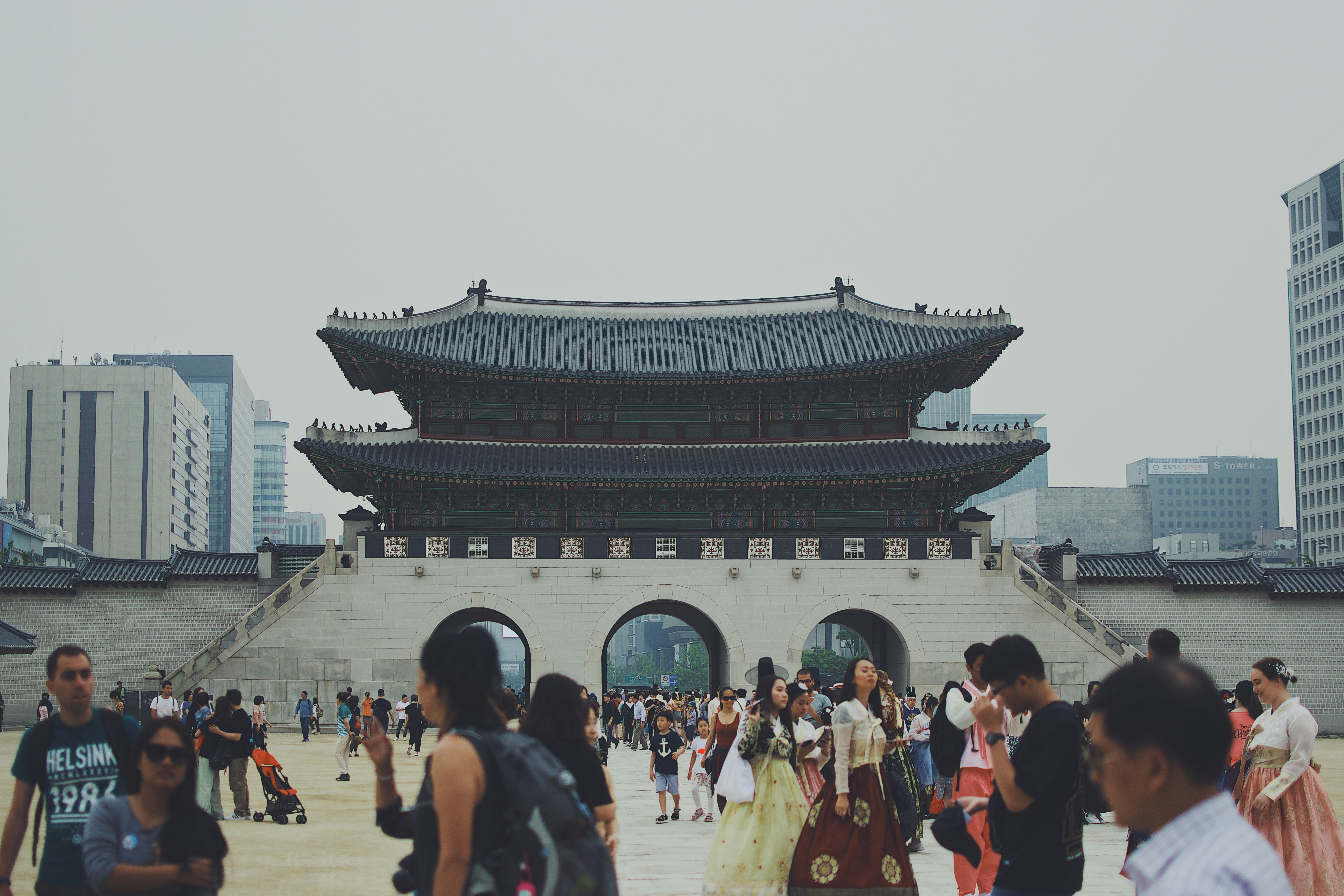
TL;DR: The Best eSIM for South Korea Travel
A Hello eSIM is one of the simplest ways to get South Korea travel internet: choose a data plan before departure, install it over Wi-Fi, and connect when you land. South Korea’s three major networks—SK Telecom, KT, and LG U+—provide extensive 4G LTE and 5G coverage in Seoul, Busan, Jeju, airports, and most tourist areas. For a typical 7-day trip in 2026, budget roughly $9–$25 for a travel eSIM, depending on data allowance and speed. Hello’s app also combines connectivity with trip planning, expense splitting, and budget tracking, making it useful for group holidays.
Choosing a South Korea eSIM Plan for Your Trip
The best South Korea eSIM plan depends mainly on trip length, how often you stream video, and whether you will use your phone for navigation throughout the day. Most travellers can manage comfortably with 5–10GB for a week, while heavy users may prefer a larger allowance or an unlimited-style option if available through Hello.
As a practical 2026 estimate, short-trip data plans commonly cost about $5–$15 for 3–5GB and approximately $18–$45 for 10–20GB over longer stays. Prices can change, so check the live price and validity period in the Hello app before purchasing. Hello’s plans start from 5GB and can be bought before departure for instant activation when you arrive.
| Traveller type | Suggested data | Typical 2026 budget | Best use case |
|---|---|---|---|
| Light user | 5GB | About $5–$15 | Maps, translation, messaging, occasional social media |
| Everyday traveller | 10GB | About $15–$30 | Navigation, restaurant searches, photos, ride-hailing |
| Heavy user | 20GB or more | About $25–$45+ | Hotspotting, video calls, frequent uploads and streaming |
For a Seoul-focused weekend, 5GB is often enough. A two-week itinerary covering Seoul, Busan, Gyeongju, and Jeju calls for at least 10GB if you rely on mobile data instead of hotel and café Wi-Fi. Explore Hello eSIM for South Korea to see the current available plans.
South Korea Mobile Network Coverage: Seoul, Busan, Jeju, and Beyond
South Korea offers excellent mobile coverage, with SK Telecom, KT, and LG U+ operating the country’s main 4G LTE and 5G networks; travellers generally receive strong service in cities, transport hubs, and major tourist destinations. Independent 2026 coverage reports place 5G availability above 90% in leading network measurements, although speeds and indoor reception vary by location.
In Seoul, expect reliable service around Myeongdong, Hongdae, Gangnam, Itaewon, Bukchon, and the Han River. Coverage is also strong on the Seoul Metro, including many underground stations and tunnels, though a connection can briefly drop in deeper sections. Busan’s beaches, markets, and central neighbourhoods are well covered, while Jeju generally has dependable service around Jeju City, Seogwipo, Hallasan access roads, and coastal attractions.
A Hello eSIM connects through a Korean partner network supported by the plan, so your phone can use local infrastructure rather than expensive international roaming. Rural mountain trails, remote islands, and parts of fast-moving rail routes can still have temporary weak spots. Download offline maps for national parks and save your accommodation address in Korean before leaving Wi-Fi.
For public transport, mobile data is especially useful because navigation apps, translation tools, live arrival information, and QR-based bookings can make transfers much easier. Keep a screenshot of your hotel name and address in Hangul for taxi drivers.
How to Install and Activate a Hello eSIM in South Korea
Install your Hello eSIM before flying, but activate mobile data only when you are ready to use it in South Korea; this gives you a connected arrival without accidentally using the plan during preparation. The full process usually takes around 5–10 minutes when you have a stable Wi-Fi connection.
- Check compatibility: confirm that your phone supports eSIM and is unlocked for use with other networks. Recent iPhones, Google Pixel phones, and many Samsung Galaxy models support eSIM, but regional versions can differ.
- Buy a plan: open Hello, select South Korea, choose the validity period and data allowance, and complete the purchase. Prices are updated live in the app.
- Install the profile: use the installation instructions or QR code while connected to Wi-Fi. Label the line “South Korea” so it is easy to identify.
- Set your preferences: keep your primary SIM enabled for calls if needed, select Hello as the mobile-data line, and turn off data roaming on your primary line.
- On arrival: enable the Hello line, turn on data roaming for that eSIM if the instructions require it, and wait for the phone to connect to a Korean network.
Test the eSIM before departure without deleting it. If the phone shows “activating,” leave it connected to Wi-Fi and restart it. Never remove an installed eSIM unless Hello support specifically tells you to, because some profiles cannot be reinstalled.
Using South Korea Travel Internet Without Overspending
The easiest way to control South Korea mobile data costs is to use a Hello eSIM for essential connectivity, then rely on accommodation, café, and public Wi-Fi for large downloads or streaming. In 2026, a casual meal often costs roughly $5–$12 at a local restaurant, while a mid-range meal can be about $15–$25 per person; saving a roaming surcharge can protect enough of your budget for several meals.
Before departure, download offline areas in your preferred map app, save translation language packs, and preload train or flight details. In South Korea, many cafés provide Wi-Fi, but access may require asking for the password or accepting a Korean-language login page. Convenience stores and stations are useful for quick purchases, but do not assume every public hotspot is secure for banking.
Use these settings to stretch your data:
- Disable automatic photo backup until you are on Wi-Fi.
- Set app-store updates to Wi-Fi only.
- Download Netflix, podcasts, and playlists before departure.
- Use low-data modes for social media and video calls.
- Turn off background refresh for apps you do not need.
- Use KakaoMap or another navigation app with saved destinations, and keep your accommodation address in both English and Korean.
Hello also includes budget tracking, AI receipt scanning in different languages and currencies, CSV or PDF bank-statement import, voice expense entry, and automatic exchange-rate conversion. For groups, expenses can be split across multiple currencies, which is helpful after shared barbecue dinners, taxis, or KTX tickets.
Hello eSIM Setup Tips for Seoul Airports, Trains, and Regional Trips
The most reliable arrival routine is to install your Hello eSIM at home, keep your main SIM’s data roaming disabled, and switch to Hello as soon as your aircraft lands at Incheon, Gimpo, or Busan. This avoids searching for a physical SIM counter after a long flight and lets you message your accommodation immediately.
At Incheon International Airport, follow signs for airport rail, buses, or taxis after immigration. If you are heading into central Seoul, the Airport Railroad provides a straightforward route toward Seoul Station, while airport buses serve neighbourhoods without a nearby rail connection. Your Hello eSIM is useful for checking schedules, translating signs, and locating the correct platform.
For regional travel, download accommodation details before boarding the KTX to Busan or a domestic flight to Jeju. Coverage is usually strong along populated corridors, but underground stations and mountainous areas may briefly interrupt service. Carry a portable battery because constant navigation, camera use, and 5G can drain a phone quickly.
If data does not work, check that the Hello line is selected for cellular data, data roaming is enabled for that line when required, and your primary SIM is not being used for data. Restart the phone, switch airplane mode on and off, and verify that the APN settings match Hello’s instructions. Contact Hello support before deleting the eSIM profile.
Common Questions About eSIM South Korea
Yes, an eSIM from Hello is suitable for most visitors to South Korea because it can be purchased and installed before departure, avoids swapping a physical SIM, and provides mobile data when your phone connects to a local partner network. Confirm that your device is unlocked and eSIM-compatible before buying.
Does an eSIM work in Seoul and Busan? Yes. Seoul and Busan have extensive 4G LTE and 5G coverage, including central districts, airports, major attractions, and much of the subway system. Service can be less consistent on remote mountain trails or isolated islands.
How much data do I need in South Korea? Choose 5GB for a light one-week visit using hotel and café Wi-Fi, 10GB for regular navigation and social media, or 20GB or more for hotspotting, video calls, and frequent uploads. A seven-day plan commonly costs about $9–$25 in 2026, depending on the allowance and plan terms.
Can I use my regular phone number? Usually, yes. Keep your primary SIM active for calls or SMS, but disable its data roaming to avoid unexpected charges. Use Hello as the mobile-data line.
Will I get a Korean phone number? Many travel eSIMs are data-only, so do not assume they include a Korean number or local voice calling. KakaoTalk, WhatsApp, email, and internet-based calling can cover most tourist needs.
Can I use hotspot? Hotspot availability depends on the specific Hello plan and device settings. Check the plan details before relying on tethering for a laptop or travel companion.
Explore These Destinations
Stay Connected
Stay connected in South Korea
Get an eSIM before you land. Hello gives you instant data in 200+ countries — no SIM swaps, no roaming fees.
Related Articles
South Korea Safety Guide: Tips for a Safe Trip
Safety tips, health advisories, emergency contacts, common scams, and travel insurance advice for South Korea.
22 July 2026
1 Week in South Korea: Seoul, Busan, and Jeju
Seven-day South Korea itinerary with KTX train tips, food trails, and daily budgets.
14 July 2026
South Korea Visa & Entry Requirements for Singapore Passport Holders
Visa requirements, passport validity, customs allowances, and entry tips for Singapore citizens travelling to South Korea.
13 July 2026