South Korea Safety Guide: Tips for a Safe Trip
Safety tips, health advisories, emergency contacts, common scams, and travel insurance advice for South Korea.
By Hello Travel Team
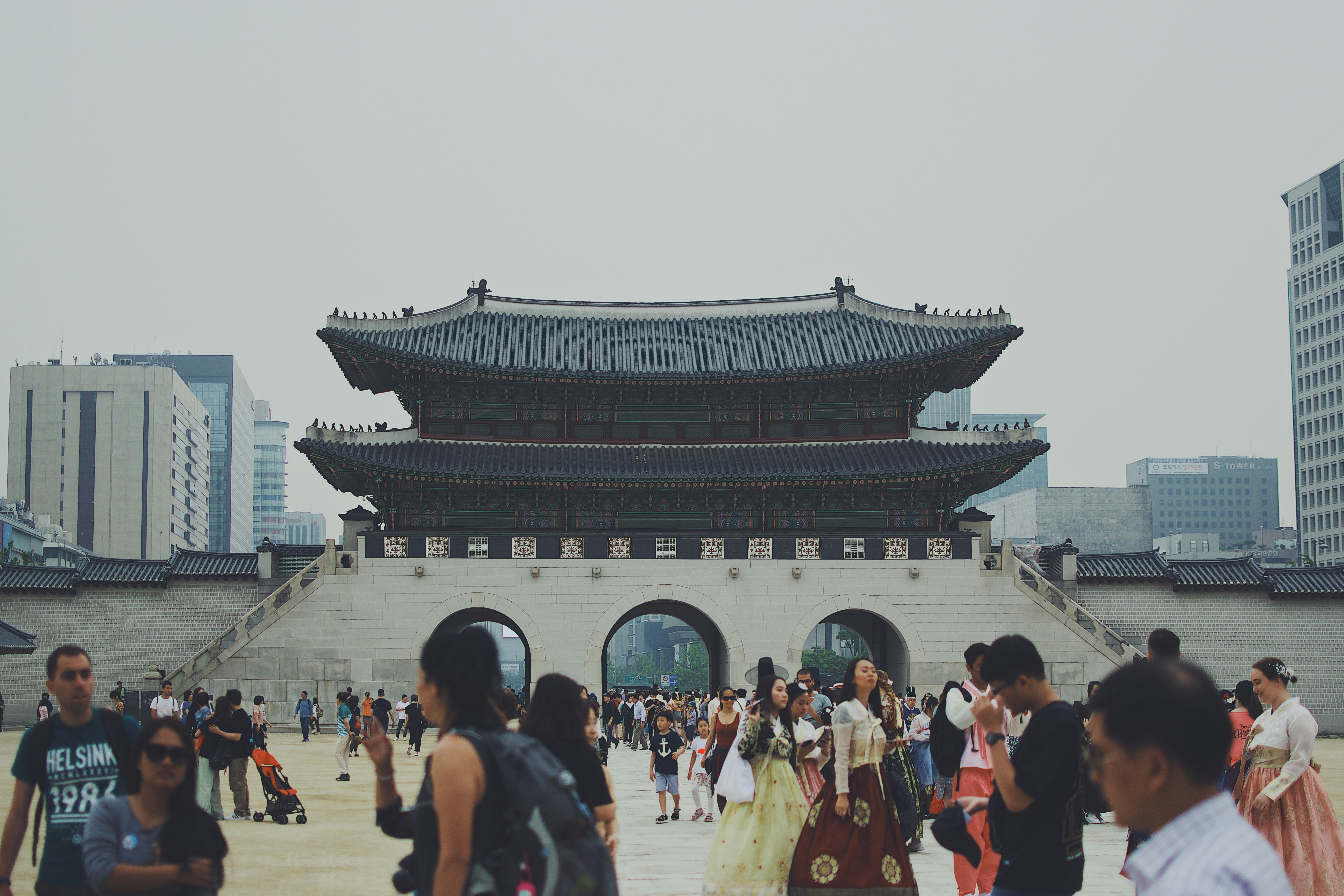
South Korea Safety Guide: TL;DR for a Safe Trip
Yes, South Korea is generally safe for tourists, including solo travellers, families, and LGBTQ+ visitors, when normal urban-travel precautions are followed. The main practical concerns are petty theft in crowded nightlife areas, inflated taxi or shopping charges, severe weather, demonstrations, and occasional language barriers rather than violent crime.
Keep your passport and phone secure around Seoul’s busiest stations, use official taxis or reputable ride-hailing services, check prices before agreeing to tours or purchases, and save South Korea emergency numbers before departure. Police are available at 112, fire and ambulance services at 119, and the Korea Travel Hotline at 1330. Singaporeans can contact the Singapore Embassy in Seoul at +82-2-774-2464 or its after-hours duty officer at 010-7204-6240. A comprehensive travel insurance policy, reliable connectivity, and a small emergency fund make the trip easier to manage.
Is South Korea Safe? Crime, Transport, and Everyday South Korea Travel Safety
South Korea is generally considered a low-risk destination, with efficient public transport, widespread CCTV, and strong emergency services making most tourist visits trouble-free; travellers should still take ordinary precautions because crowded districts, nightlife, traffic, weather, and demonstrations can create avoidable risks.
Violent crime affecting visitors is uncommon, but keep bags closed on busy Seoul subway lines, at Myeongdong, Hongdae, Itaewon, Busan Station, and major festivals. Do not leave phones or wallets unattended in cafés, and store a digital copy of your passport separately from the original.
Public transport is usually safe and convenient. Take extra care when crossing roads because vehicles and scooters may turn quickly, even at pedestrian crossings. Download station directions before leaving Wi-Fi, especially if travelling late. Taxis should use a meter; photograph the vehicle number and receipt if a fare seems wrong.
South Korea experiences hot, humid summers, freezing winters, typhoons, heavy rain, and occasional fine-dust episodes. Check the Korea Meteorological Administration forecast, carry water in summer, use a mask if air quality is poor, and follow local instructions during storms or earthquakes. Avoid military installations and do not photograph restricted areas near the DMZ.
South Korea Scams: Taxis, Shopping, Nightlife, and Booking Traps
The most useful way to avoid South Korea scams is to confirm the total price, cancellation terms, and payment method before committing, particularly for taxis, nightlife venues, accommodation, cosmetic treatments, tours, and high-value shopping.
Reported tourism complaints have included accommodation cancellations or excessive fees, shopping disputes, airport and airline problems, and taxi overcharging. Protect yourself with these habits:
- Use official taxi ranks, check the meter, and request a receipt; never accept an unexplained flat fare.
- Confirm restaurant prices, service charges, minimum spends, and cancellation rules before ordering or booking.
- Be cautious when approached by strangers inviting you to bars, clubs, religious meetings, language exchanges, or private shops; leave if the venue becomes pressuring or unusually expensive.
- Buy branded goods from established retailers and keep receipts for refunds, tax claims, or disputes.
- Pay by card where practical, but monitor the amount on the terminal before tapping or signing.
- Treat unsolicited investment, job, romance, or “government official” messages as suspicious and never share passport, banking, or verification codes.
For tourist assistance, call the Korea Travel Hotline at 1330. If you are in immediate danger or suspect fraud involving threats, call police at 112.
South Korea Emergency Numbers, Embassy Help, and Connectivity Planning
Save South Korea emergency numbers before take-off: call 112 for police, 119 for fire and ambulance, and 1330 for the Korea Travel Hotline, which provides multilingual tourist assistance; English-speaking international callers can also seek help through South Korea’s emergency call centre at +82-2-3210-0404.
| Situation | Number | What to do |
|---|---|---|
| Police | 112 | Crime, immediate danger, or threats |
| Fire and ambulance | 119 | Medical emergency, fire, or rescue |
| Korea Travel Hotline | 1330 | Tourist information and assistance |
| Lost and found | 182 | Lost property support |
| Singapore Embassy, Seoul | +82-2-774-2464 | Consular assistance during office hours |
| Embassy duty officer | 010-7204-6240 | Urgent assistance after hours within Korea |
The Singapore Embassy is at Seoul Finance Center, 136 Sejong-daero, Jung-gu, Seoul. Embassy staff cannot replace travel insurance or guarantee payment for medical care, so retain receipts and contact your insurer promptly.
Reliable data is useful for translating instructions, navigating hospitals, checking weather alerts, and calling a taxi. An eSIM from Hello for South Korea can be purchased and activated before departure, helping you arrive connected without searching for a local SIM counter. Keep your phone charged and write key numbers on paper in case the battery fails.
South Korea Health Advice: Vaccinations, Water, Food, and Medical Care
Most visitors can travel to South Korea safely with routine vaccinations, sensible food and heat precautions, and travel insurance that covers medical treatment; arrange a health consultation several weeks before departure for personalised advice based on your itinerary and medical history.
Check that routine immunisations such as measles-mumps-rubella, tetanus-diphtheria-pertussis, polio, influenza, and COVID-19 are up to date. A clinician may discuss hepatitis A, hepatitis B, Japanese encephalitis, or other vaccines depending on rural travel, season, length of stay, and planned activities. The Korea Disease Control and Prevention Agency’s 1339 line can provide health guidance.
Tap water in major South Korean cities is treated, but some travellers prefer bottled or filtered water because taste and building plumbing vary. Choose busy food stalls with high turnover, wash hands before eating, and refrigerate leftovers. In summer, prevent heat exhaustion with water, shade, and lighter activity during the hottest hours.
Malaria risk is low and concentrated mainly in northern rural areas, including parts of Gyeonggi, Incheon, and Gangwon near the DMZ; ask a travel-health professional whether mosquito precautions or medication apply to your route. Seek urgent care for breathing trouble, severe allergic reactions, chest pain, confusion, or persistent high fever. Keep prescription medicines in original packaging with documentation.
Solo Female, LGBTQ+, and Family Travel Safety in South Korea
Solo women, LGBTQ+ travellers, and families generally visit South Korea without major safety problems, but respectful awareness of local customs, nightlife boundaries, public demonstrations, and emergency support makes independent travel more comfortable.
Solo female travellers should meet new contacts in public places, avoid accepting drinks from strangers, share live itinerary details with someone at home, and use well-lit routes after late nights. Seoul’s nightlife districts are lively but can involve unwanted attention or pressure; trust your instincts and leave early. Hotel staff, police stations, and convenience stores can be useful places to seek help.
LGBTQ+ visitors are not prohibited from travelling to South Korea, and Seoul has visible LGBTQ+ communities and venues, especially around Itaewon and Jongno. Social attitudes can be conservative, particularly outside major cities, so public displays of affection may attract attention. Check current local conditions around Pride events and demonstrations, and avoid assuming that every venue or accommodation has the same level of inclusivity.
Families should hold hands near roads and platforms, use child identification cards, and teach children to find a uniformed station employee if separated. Respect temple and palace rules: dress modestly, follow photography restrictions, and avoid loud behaviour in religious spaces. During protests, do not join crowds casually; monitor local alerts and use an alternative route.
Common Questions About South Korea Travel Safety and Insurance
The short answer to common safety questions is that South Korea is usually easy to navigate, but travellers should prepare for medical costs, language barriers, weather disruptions, transport mistakes, and the financial consequences of cancellation or lost belongings.
Is South Korea safe for first-time visitors? Yes. Seoul, Busan, Jeju, and other tourist destinations have dependable transport and services. Keep valuables secure, use official taxis, and save emergency contacts.
Do I need travel insurance for South Korea? Yes. Choose a policy that covers overseas medical expenses, hospitalisation, emergency evacuation, trip cancellation, delays, baggage loss, theft, and activities such as skiing or hiking if relevant. Check exclusions for pre-existing conditions, alcohol-related incidents, natural disasters, and motorcycle use. Policies vary, so compare limits rather than choosing solely by price.
Can I drink the tap water? Treated tap water is available in cities, although bottled or filtered water may suit travellers who dislike the taste or have sensitive stomachs.
What should I do if I lose my passport? Report theft to police at 112, contact the Singapore Embassy, and use your insurance provider’s assistance line. Keep a passport copy and emergency contacts offline.
How can I manage costs safely? Hello’s app can scan receipts in different languages and currencies, track spending with exchange-rate conversion, import bank statements, and split shared expenses. That makes it easier to spot an incorrect charge and settle costs fairly with travel companions.
Explore These Destinations
Stay Connected
Ready for South Korea?
eSIM data, expense splitting, budget tracking, and more. Everything you need for a smooth trip in one app.
Related Articles
1 Week in South Korea: Seoul, Busan, and Jeju
Seven-day South Korea itinerary with KTX train tips, food trails, and daily budgets.
14 July 2026
South Korea Visa & Entry Requirements for Singapore Passport Holders
Visa requirements, passport validity, customs allowances, and entry tips for Singapore citizens travelling to South Korea.
13 July 2026
eSIM for South Korea: Best Plans, Coverage, and Setup Tips
Everything you need to know about using eSIM in South Korea. Best data plans, network coverage, and setup instructions.
4 July 2026