Getting Around South Korea: Transport Guide for Travellers
Airport transfers, public transport, ride-hailing apps, inter-city travel, and driving tips for South Korea.
By Hello Travel Team
This article contains affiliate links. If you book through them, Hello may earn a commission at no additional cost to you. Our editorial recommendations are independent. Learn more.
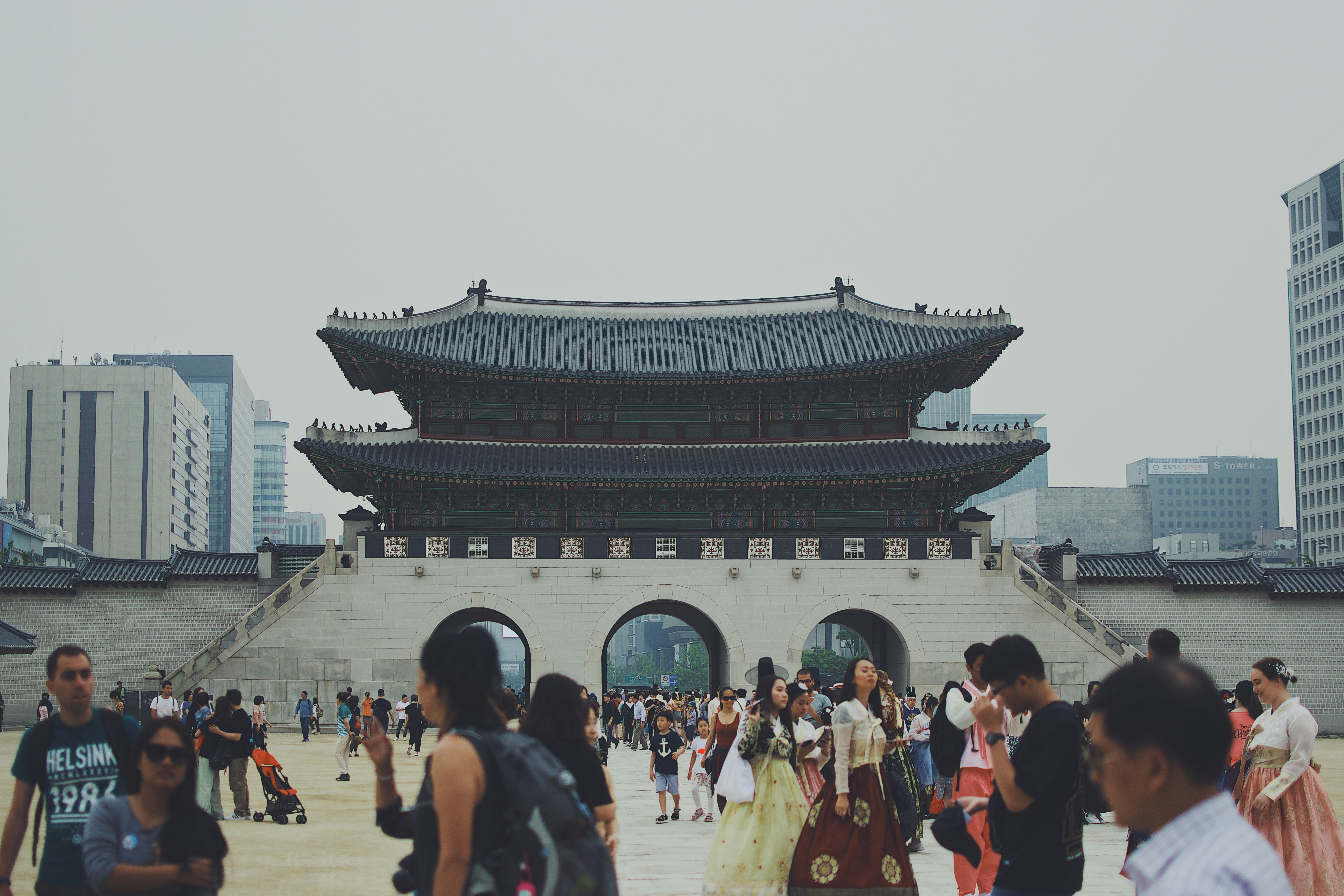
TL;DR: South Korea transport guide for travellers
Getting around South Korea is fast, affordable, and surprisingly easy once you understand the basics: airport rail or limousine buses into the city, excellent metro systems in Seoul and other major cities, reliable inter-city trains, and taxi apps for late-night or door-to-door trips. For most travellers, the best mix is public transport + ride-hailing + an eSIM from Hello so maps, tickets, and booking apps work the moment you land.
South Korea airport transfer options: fastest routes from Incheon and Gimpo
The easiest South Korea airport transfer depends on your arrival airport and where you are staying, but most travellers choose either the AREX train, airport limousine bus, or a taxi for convenience. From Incheon International Airport to central Seoul, the AREX All Stop Train usually costs around ₩4,150-₩4,750 and takes about 60 minutes, while the direct AREX Express is typically around ₩11,000 and takes roughly 43 minutes. Airport limousine buses are often ₩17,000-₩18,000 depending on the route, and can be the best option if your hotel is in Myeongdong, Hongdae, Gangnam, or near a major stop. A standard taxi from Incheon to central Seoul can easily cost ₩60,000-₩90,000+ depending on traffic, tolls, and late-night surcharges, so it makes sense only for groups or very late arrivals. Gimpo Airport is closer to downtown, and airport rail or taxi rides are much cheaper and faster. If you’re landing tired, buying a local SIM can be annoying; with Hello eSIM, you can arrive connected, check live directions, and confirm your hotel pickup without hunting for Wi‑Fi. For travellers researching a longer stay, it also helps to pair airport transfer planning with South Korea trip logistics and your Hello eSIM for South Korea before departure.
South Korea public transport: metro, buses, and the best travel cards
South Korea public transport is one of the country’s biggest travel advantages: it is clean, punctual, and easy to use once you have a rechargeable transit card. In Seoul, the metro and bus network are extensive, and single rides are usually around ₩1,400-₩1,550 with a transport card, with discounts and free transfers between metro and bus on many routes. The T-money card is the most useful everyday card for visitors, and you can top it up at convenience stores or station machines; it works on metro, buses, and taxis in many cities. Some travellers also use Cashbee in certain regions, but T-money is the safer all-round choice. For longer stays, note that transit cards are not just for Seoul—they’re useful in Busan, Daegu, Incheon, and other major cities too. A smart approach is to load ₩20,000-₩30,000 at a time and top up as needed. The metro is usually the fastest way to move around busy districts like Myeongdong, Hongdae, Gangnam, and Insadong, while buses are excellent for reaching neighborhoods the subway does not cover directly. If you rely on live route changes, station exits, and last-train timing, having mobile data matters; that is where Hello’s eSIM plans are handy for checking navigation apps on the move.
Comparing metro, bus, taxi, and airport transfer costs in South Korea
| Transport type | Best for | Typical cost in 2026 | Notes |
|---|---|---|---|
| Metro | City sightseeing and commuting | About ₩1,400-₩1,550 per ride | Fast, frequent, best in Seoul and other major cities |
| City bus | Reaching local neighborhoods | About ₩1,400-₩1,500 per ride | Good value, but route signs can be less obvious |
| Airport railway | Incheon to Seoul | About ₩4,150-₩11,000 | Cheapest vs. fastest airport rail options |
| Airport limousine bus | Hotel districts and major hubs | About ₩17,000-₩18,000 | Easier with luggage, depends on route |
| Taxi | Door-to-door convenience | Starts around ₩4,800 in Seoul, then meter fare | Best for groups, late nights, or short hops |
For day-to-day travel, the metro is usually best for speed, while buses can be better when your destination is not close to a station. Taxis are widely available, but traffic can turn a short ride into an expensive one during rush hour. If you are moving between districts and need real-time navigation, Hello eSIM makes it much easier to compare routes, estimate fares, and avoid missed connections while you are out exploring.
Ride-hailing apps in South Korea and why mobile data matters
Ride-hailing in South Korea works differently than in many other countries, and mobile data is essential if you want the smoothest experience. The most useful app for many travellers is Kakao T, which handles taxis, navigation, and ride requests in one place; it is especially helpful if you do not want to explain your destination in Korean. Uber also operates in South Korea in some form, but local taxi-hailing remains the more practical choice for most visitors, while apps like Grab and Bolt are not the standard everyday solution in the country. Depending on time and location, a short urban taxi ride may cost ₩6,000-₩15,000, while airport trips can be much higher. For travellers arriving late, going out in the rain, or carrying heavy bags, app-based taxis are often worth the premium. The catch is that ride-hailing apps, map apps, and translation tools all need data to work properly, especially when you are checking pickup points or pinning an address in Hangul. That is why it helps to buy Hello eSIM before you fly, so you can activate it instantly and land ready to book a taxi, follow your driver, and navigate the city without relying on airport Wi‑Fi. If you are planning routes around Seoul, Busan, or Jeju, having an eSIM from Hello is one of the simplest ways to stay connected.
Inter-city transport in South Korea: KTX, express buses, and regional trains
The best way to travel between South Korean cities is usually the KTX high-speed rail, but inter-city express buses can be a cheaper alternative for routes not served well by rail. KTX is ideal for trips like Seoul to Busan, Seoul to Daejeon, or Seoul to Gwangju because it is fast, comfortable, and easy to book in advance. As a rough guide, Seoul to Busan on KTX often takes around 2.5 to 3 hours, with fares commonly starting around ₩50,000-₩60,000 depending on class and timing. Express buses are often cheaper, sometimes around ₩20,000-₩35,000 for medium-distance routes, but journey times are longer and traffic can affect arrivals. Regional trains can be useful for smaller cities and scenic routes, though they are slower than KTX. If you are travelling during holidays like Chuseok or Lunar New Year, book as early as possible because seats sell out quickly. A practical tip: compare departure stations carefully, since Seoul has multiple rail and bus terminals. For travellers juggling train tickets, hotel check-ins, and day-trip plans, Hello’s budget tracking can also help you keep transport spending visible across the trip, especially if you are splitting costs with friends. When your itinerary is packed, being connected with a Hello eSIM makes last-minute rebooking much easier.
Driving and rental car tips in South Korea: when it makes sense
Driving in South Korea is best for travellers who want flexibility outside the major cities, but it is usually unnecessary in Seoul, where parking and traffic can be stressful. To rent a car, most visitors need a valid home-country licence plus an International Driving Permit (IDP) under the 1949 Geneva Convention, along with their passport and credit card; always check the rental company’s exact rules before booking. In the city, parking fees, toll roads, and dense traffic can add up quickly, and road signs may be challenging if you are not comfortable reading Korean or using navigation apps. Car rental is most useful for exploring countryside areas, coastal routes, or parts of Jeju where public transport is limited. Expect rental costs to vary widely by season, but a small car can often start from around ₩60,000-₩100,000 per day before fuel, insurance, and parking. Local drivers are generally disciplined, but speed cameras, tolls, and lane changes require attention. If you do drive, download maps before you set off and keep your navigation app running live. That is another place where Hello eSIM helps, because reliable data is useful for real-time traffic, parking searches, and route changes—especially when you are outside the biggest cities and need your phone to work without interruption.
Common Questions about getting around South Korea
Getting around South Korea is straightforward once you know which transport option fits your trip, and most visitors can rely on public transport, taxis, and occasional inter-city rail. Here are the most common questions travellers ask when planning transport in South Korea.
What is the best way to get around Seoul? The metro is usually the fastest and cheapest option for sightseeing, while taxis are best for late nights, short hops, or group travel.
Do I need cash for transport in South Korea? Most travellers can use a transit card like T-money for metro, bus, and many taxis, but it is still wise to keep a small amount of cash handy.
Is ride-hailing easy in South Korea? Yes, but local apps are more useful than international expectations, and you will need data for booking and navigation.
Should I rent a car in South Korea? Only if you plan to visit places outside the major city network or want flexibility for road trips; otherwise public transport is simpler and cheaper.
Can I rely on airport Wi‑Fi? You can use it briefly, but having Hello eSIM ready before departure is much more practical for maps, apps, and transport bookings from the moment you land.
Explore These Destinations
Stay Connected
Book this trip
Compare options on trusted travel sites
Plan car hire for this trip
Continue to a reviewed booking partner to check current vehicle availability, pickup details, and terms.

Stay connected in South Korea
Get an eSIM before you land. Hello gives you instant data in 200+ countries — no SIM swaps, no roaming fees.
Related Articles
South Korea Safety Guide: Tips for a Safe Trip
Safety tips, health advisories, emergency contacts, common scams, and travel insurance advice for South Korea.
22 July 2026
1 Week in South Korea: Seoul, Busan, and Jeju
Seven-day South Korea itinerary with KTX train tips, food trails, and daily budgets.
14 July 2026
South Korea Visa & Entry Requirements for Singapore Passport Holders
Visa requirements, passport validity, customs allowances, and entry tips for Singapore citizens travelling to South Korea.
13 July 2026