3 Days in Seoul: K-Culture, Food, and Shopping
Day-by-day Seoul itinerary covering Myeongdong, Bukchon, Gangnam, and the best Korean food spots.
By Hello Travel Team
This article contains affiliate links. If you book through them, Hello may earn a commission at no additional cost to you. Our editorial recommendations are independent. Learn more.
- 1
Myeongdong, Namdaemun, and N Seoul Tower
- MorningAirport transfer to central Seoul~$8
- Late morningMyeongdong shopping and breakfast~$10
- AfternoonNamdaemun Market lunch and exploring~$18
- EveningN Seoul Tower and Namsan sunset~$22
- EveningKorean barbecue dinner~$30
MyeongdongNamdaemunNamsanTake AREX from Incheon to Seoul Station for approximately $4–10 depending on the service, then use the subway or a short taxi. Seoul subway rides cost about ₩1,550 with a transport card in 2026.
Budget$70Mid-range$140Luxury$300 - 2
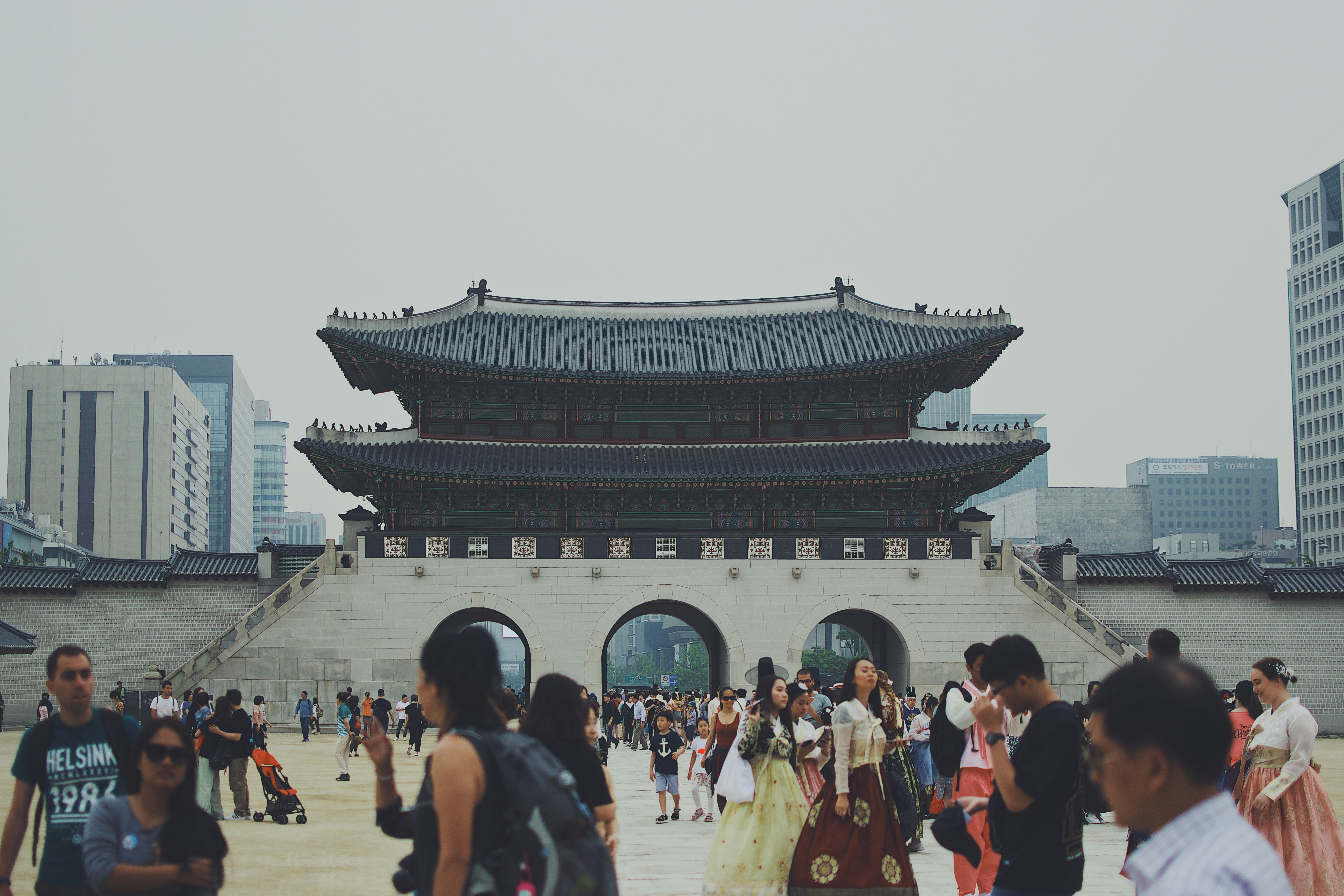
Gyeongbokgung, Bukchon, Insadong, and Gwangjang Market
- MorningGyeongbokgung Palace~$3
- Late morningBukchon Hanok Village walk
- AfternoonInsadong lunch and traditional tea~$20
- EveningGwangjang Market food crawl~$22
JongnoBukchonInsadongGwangjangWalk between Gyeongbokgung, Bukchon, and Insadong where practical. Use the subway for approximately ₩1,550 per ride or a taxi from about ₩4,800 before distance charges.
Budget$60Mid-range$125Luxury$280 - 3
Gangnam, COEX, Seongsu, and K-Culture
- MorningCOEX Mall and Starfield Library~$10
- Late morningBongeunsa Temple
- AfternoonGangnam lunch and shopping~$25
- AfternoonSeongsu cafés and concept stores~$15
- EveningKorean barbecue or premium dinner~$40
GangnamSamseongSeongsuUse the subway between Gangnam, COEX, and Seongsu for approximately ₩1,550–₩2,000 per ride. Choose a taxi during peak evening periods if carrying shopping bags.
Budget$80Mid-range$185Luxury$320
Trip Summary
Trip starter
Turn this 3-day itinerary into a Hello trip
Start with a prefilled trip for South Korea, then add dates, invite friends, track expenses, and pick an eSIM before you land.
Name and destination carried into the app.
Split costs and settle up during the trip.
Choose data for the destination before departure.
TL;DR: The Best 3 Days in Seoul Itinerary
A well-paced 3 days Seoul itinerary combines historic palaces and hanok lanes, iconic Korean food, K-pop culture, and Seoul’s most rewarding shopping districts. Base yourself in Myeongdong, Euljiro, Hongdae, or Insadong, then use the subway for inexpensive cross-city travel and plan one neighborhood cluster per day.
For a first visit, spend Day 1 around Myeongdong, Namdaemun, and N Seoul Tower; Day 2 exploring Gyeongbokgung, Bukchon Hanok Village, Insadong, and Gwangjang Market; and Day 3 discovering Gangnam, COEX, Seongsu, or Hongdae. In 2026, a Seoul subway ride costs approximately ₩1,550 with a transport card, while a palace visit is generally ₩3,000 for foreign adults. Expect roughly $50–80 per person daily on a budget, $100–180 at mid-range, or $250–400 for a luxury experience, excluding international flights.
Day 1 Seoul Travel Plan: Myeongdong, Namdaemun, and N Seoul Tower
Start your Seoul trip with Myeongdong shopping, Korean street food, and a sunset view from N Seoul Tower, keeping the first day central and easy after arrival. From Incheon International Airport, take the AREX all-stop train to Seoul Station for approximately ₩5,000–₩5,500, or the express service for about ₩11,000–₩13,000; the journey takes roughly 45–70 minutes depending on the service and terminal.
Morning: Check in, leave luggage, and walk through Myeongdong’s beauty stores and fashion shops. Have breakfast at a local bakery or convenience store for ₩5,000–₩10,000 ($4–8). A T-money card makes subway and bus journeys easier; the regular adult subway fare is about ₩1,550 in 2026.
Afternoon: Walk south to Namdaemun Market, Seoul’s traditional market, and try kalguksu, mandu, or hotteok. Allow ₩10,000–₩20,000 ($7–15) for lunch. Return to Myeongdong for cosmetics, character goods, and Korean fashion.
Evening: Take the cable car or bus toward N Seoul Tower. The observatory is listed at approximately ₩26,000–₩29,000 for adults, while the surrounding Namsan park offers free views. Eat Korean barbecue or dakgalbi near Myeongdong for ₩20,000–₩45,000 per person.
Use Hello’s expense tracker to scan receipts, categorize meals and shopping, and split the airport transfer or barbecue bill with friends. A realistic Day 1 total is $50–75 budget, $120–180 mid-range, or $250–350 luxury.
Day 2 Seoul First-Time Highlights: Gyeongbokgung, Bukchon, and Gwangjang Market
The ideal second day for a Seoul first time visit links the city’s royal heritage, photogenic hanok neighborhoods, traditional tea houses, and one of its best food markets. Begin early because Bukchon Hanok Village is a residential area, and visitors are expected to keep voices low and avoid blocking entrances.
Morning: Arrive at Gyeongbokgung Palace around 9:00 a.m.; foreign adult admission is generally ₩3,000 ($2–3), and admission may be free for visitors wearing a traditional hanbok. Watch the changing-of-the-guard ceremony when scheduled, then walk to Bukchon Hanok Village. Reserve roughly two hours for the palace and nearby lanes.
Afternoon: Continue downhill to Insadong for handmade souvenirs, calligraphy goods, and traditional tea. Lunch at a restaurant near Insadong might cost ₩12,000–₩25,000 ($9–18) for bibimbap, noodles, or bulgogi. From Anguk Station, take the subway toward Jongno or walk to Gwangjang Market.
Evening: Sample bindaetteok, mayak gimbap, tteokbokki, yukhoe, and dumplings at Gwangjang Market. Set aside ₩15,000–₩30,000 ($11–22) for grazing. Return by subway for about ₩1,550 per ride or use a short taxi when tired; Seoul’s standard taxi base fare is approximately ₩4,800.
Estimated spending is $45–70 budget, $100–160 mid-range, or $220–350 luxury, including a private guide, hanbok rental, or fine dining upgrade.
Day 3 Seoul Trip Planner: Gangnam, COEX, Seongsu, and K-Culture
Finish your Seoul travel plan with a modern-city day in Gangnam, where K-pop, design, beauty, shopping, and cafés show a different side of the capital. Choose Seongsu instead of Hongdae if you prefer converted warehouses and concept stores; choose Hongdae for nightlife, busking, and youth culture.
Morning: Start at COEX Mall and Starfield Library, then visit Bongeunsa Temple across the road for a calm contrast to Gangnam’s high-rises. The temple grounds are free, while COEX shopping and cafés provide plenty of breakfast options for ₩8,000–₩18,000 ($6–13).
Afternoon: Shop for K-beauty, streetwear, albums, and design goods around Gangnam Station or Apgujeong Rodeo. Lunch could be Korean fried chicken, cold noodles, or a set meal costing ₩12,000–₩25,000. Take the subway to Seongsu, usually around ₩1,550–₩2,000, and browse pop-ups, cafés, and independent brands.
Evening: Have Korean barbecue, seafood, or a tasting menu. Budget ₩20,000–₩50,000 for a casual-to-upscale dinner. If nightlife appeals, continue to Hongdae; otherwise, return to Myeongdong or Insadong for final shopping.
For connectivity, activate Hello eSIM for South Korea before departure so maps, translation, reservations, and taxi apps work as soon as you land. Hello offers plans for 200+ countries with instant activation, and prices are updated live. Day 3 typically costs $55–85 budget, $120–220 mid-range, or $300–450 luxury.
Seoul Itinerary Budget: Budget, Mid-Range, and Luxury Costs
A three-day Seoul trip can be affordable because public transport and traditional meals are inexpensive, but shopping, nightlife, private tours, and premium accommodation can quickly increase the total. The estimates below cover local transport, attractions, meals, and activities for one traveler, but exclude international airfare and most accommodation.
| Travel style | Daily estimate | Three-day estimate | Typical experience |
|---|---|---|---|
| Budget | $50–80 | $150–240 | Guesthouse, markets, subway, casual restaurants |
| Mid-range | $110–180 | $330–540 | Comfortable hotel, cafés, taxis, paid attractions, barbecue |
| Luxury | $270–400 | $810–1,200 | Five-star hotel, private transfers, premium dining, shopping |
A useful working exchange rate for planning is approximately ₩1,350–₩1,450 per US dollar, but check the live rate before departure. Subway journeys generally cost about ₩1,550 with a transport card, and short taxi rides begin around ₩4,800 before distance and time charges. Palace admission is usually only ₩3,000, so the biggest variables are accommodation, cosmetics, fashion, and restaurant choices.
If you are traveling with friends, Hello can import bank statements, scan receipts in different languages and currencies, apply automatic exchange rates, and split shared expenses across multiple currencies. That makes it easier to track who paid for the hotel, barbecue, taxis, and group shopping without maintaining a spreadsheet.
Practical Seoul Travel Tips for Food, Transport, and Local Customs
The most practical Seoul travel advice is to group nearby neighborhoods, carry a transport card, reserve popular restaurants, and respect residential areas such as Bukchon. Seoul is a large city, so crossing between Myeongdong, Gangnam, and Hongdae several times in one day wastes time even when trains are efficient.
Download an offline map, keep your accommodation address in Korean, and allow extra time for underground station transfers. Subway stations can be enormous, and some exits are several blocks apart. Use a T-money card for regular transport, and consider taxis late at night or when carrying shopping bags. Public transit fares are low compared with many major capitals, while taxis become more expensive after late-night surcharges.
For food, start with small portions at markets, then reserve sit-down restaurants for barbecue or specialty dishes. At Korean barbecue restaurants, staff may grill the meat for you; wait for instructions and use the provided tongs rather than personal chopsticks. Tipping is not customary, and loud phone calls on public transport are discouraged. In restaurants, water and side dishes are often self-service or replenished on request.
South Korea welcomed approximately 18.94 million foreign visitors in 2025, surpassing the previous pre-pandemic record, according to tourism statistics reported in 2026. That popularity makes advance bookings especially useful for weekends, seasonal festivals, K-pop events, and highly rated barbecue restaurants.
Common Questions About a 3 Days Seoul Itinerary
Three days is enough for a first Seoul visit if you prioritize one district cluster per day, use the subway, and reserve shopping time instead of trying to see every palace, market, and neighborhood. These answers address the questions most travelers ask when building a Seoul trip planner.
Is three days enough for Seoul? Yes. Three days covers historic Seoul, Myeongdong shopping, Korean food markets, Gangnam, and one modern neighborhood such as Seongsu or Hongdae. Add extra days for day trips to the DMZ, Nami Island, Suwon, or Busan.
Where should first-time visitors stay? Myeongdong is convenient for shopping, central attractions, airport connections, and restaurants. Insadong suits travelers who prefer culture and traditional streets, while Hongdae is better for nightlife and cafés. Gangnam is polished and well connected but often costs more.
What should I eat in Seoul? Try kalguksu and dumplings at Namdaemun, bibimbap or noodles near Insadong, market snacks at Gwangjang, and Korean barbecue in Myeongdong or Gangnam. A casual meal usually costs ₩8,000–₩20,000, while barbecue commonly costs ₩20,000–₩45,000 per person.
Do I need mobile data? It is strongly useful for navigation, translation, restaurant searches, reservations, and ride-hailing. Buy and activate Hello eSIM for South Korea before departure; Hello plans start from 5GB and provide instant activation, subject to the current plan terms.
What should I book ahead? Reserve accommodation, popular restaurants, N Seoul Tower at busy times, hanbok rentals, and any K-pop performance or studio experience before arrival.
Explore These Destinations
Stay Connected
Book this trip
Compare options on trusted travel sites
Plan stays for this trip
Continue to a reviewed booking partner to check current property details and terms.


Make the most of South Korea
From eSIM connectivity to expense tracking, Hello is the all-in-one companion that keeps your trip stress-free.
Related Articles
South Korea Safety Guide: Tips for a Safe Trip
Safety tips, health advisories, emergency contacts, common scams, and travel insurance advice for South Korea.
22 July 2026
1 Week in South Korea: Seoul, Busan, and Jeju
Seven-day South Korea itinerary with KTX train tips, food trails, and daily budgets.
14 July 2026
South Korea Visa & Entry Requirements for Singapore Passport Holders
Visa requirements, passport validity, customs allowances, and entry tips for Singapore citizens travelling to South Korea.
13 July 2026