South Korea Food Guide: Must-Try Dishes, Prices, and Tips
Best local dishes, street food, restaurant prices, dietary options, and food safety tips for South Korea.
By Hello Travel Team
This article contains affiliate links. If you book through them, Hello may earn a commission at no additional cost to you. Our editorial recommendations are independent. Learn more.
TL;DR: What to Eat in South Korea and How Much It Costs
South Korea’s food scene is all about bold flavors, generous portions, and great value, with street snacks from ₩2,000–4,000 (about $1.50–3 USD in 2026) and full restaurant meals from around ₩10,000–18,000 ($7.50–14) per person in most cities.
You’ll find South Korea must try food everywhere: bubbling kimchi jjigae, crispy Korean fried chicken, comforting bibimbap, and late-night tteokbokki from neon-lit street stalls. In 2024, South Korea welcomed over 11 million international visitors according to Statistics Korea, and food is consistently ranked as a top highlight of their trip.
Budget-wise, travellers can comfortably eat well on ₩35,000–60,000 per day ($26–45), depending on how much you rely on street food versus sit-down restaurants. Convenience stores and casual chains help keep costs down, while specialty barbecue or tasting menus can push you into higher ranges.
For planning, the Hello app can help you track every kimbap roll and café stop with AI receipt scanning in Korean won, automatic currency conversion, and expense splitting with friends. Combine that with an eSIM from Hello for South Korea to quickly translate menus, check reviews, and order delivery on the go without hunting for Wi‑Fi.
Below, you’ll find a practical South Korea food guide covering must-try dishes, typical prices, street food vs restaurants, dietary options (including halal and vegan), food safety tips, delivery apps, and a Q&A section that answers the most common meal-time questions travellers ask before they land.
South Korea Must-Try Food: Classic Dishes You Shouldn’t Skip
South Korea’s must-try food is all about spicy stews, sizzling barbecue, and shareable side dishes, with most everyday meals in 2026 costing between ₩8,000 and ₩18,000 ($6–14 USD) depending on where and what you order.
Start with bibimbap (rice mixed with vegetables, egg, and gochujang chili paste), typically ₩9,000–12,000 in local restaurants. Kimchi jjigae (kimchi stew with tofu and pork) and doenjang jjigae (soybean paste stew) are everyday staples, usually ₩8,000–11,000 and often served with free refills of rice and banchan (side dishes).
For meat lovers, Korean BBQ (gogi-gui) is essential. Expect to pay ₩18,000–30,000 per person ($14–23) in 2026 for pork belly (samgyeopsal) or beef barbecue at mid-range spots in Seoul and Busan, including sides. Upscale hanwoo beef restaurants can easily reach ₩50,000+ per person.
Other iconic dishes to prioritize:
- Tteokbokki: chewy rice cakes in spicy sauce, ₩3,000–5,000 at local stalls.
- Korean fried chicken (chimaek): ₩18,000–25,000 for a whole chicken, usually shared.
- Naengmyeon (cold buckwheat noodles): ₩9,000–13,000, perfect in summer.
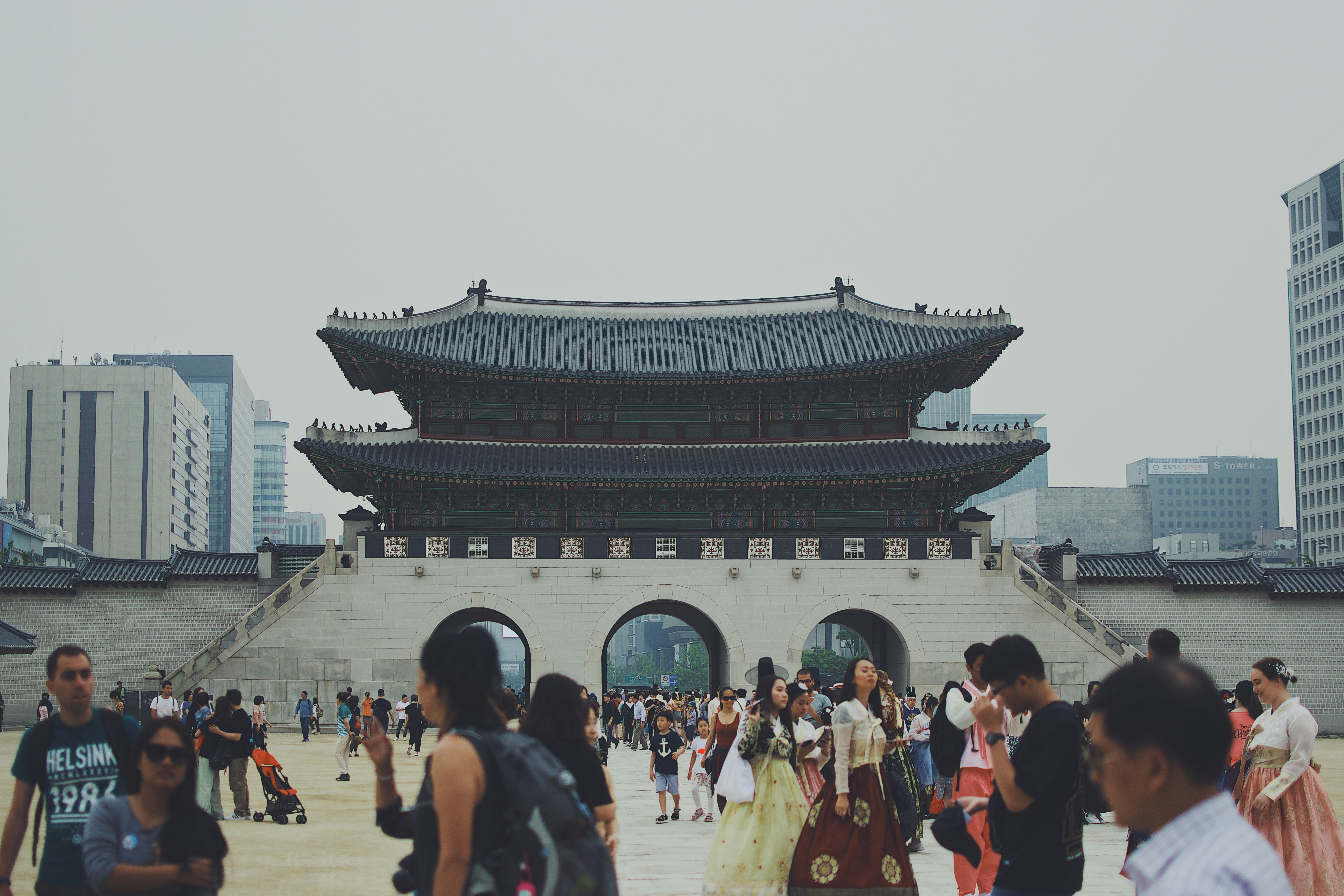
- Samgyetang (ginseng chicken soup): ₩15,000–20,000 near famous spots like Gyeongbokgung.
According to the Korea Tourism Organization, food experiences are among the top three reasons visitors choose South Korea, alongside K-culture and shopping. Use the Hello app’s AI receipt scanning to log each meal automatically—helpful when banchan refills and extra drinks make it easy to lose track of your daily food budget.
Street Food vs Restaurants: Prices, Portions, and Best Spots
Street food in South Korea is the cheapest way to eat well, with filling snacks from around ₩2,000 ($1.50) and casual restaurant meals from about ₩8,000 ($6) in 2026, so mixing both is the easiest way to balance budget and variety.
Street food hubs like Myeongdong and Hongdae in Seoul or Nampodong in Busan are ideal for sampling classics such as tteokbokki, hotteok (sweet pancakes), and corn dogs. Most individual items cost ₩2,000–5,000, meaning you can assemble a full meal for ₩7,000–10,000 ($5–8). Night markets and subway exits often have even cheaper, more local stalls.
Sit-down restaurants fall into a few typical price tiers in 2026:
| Type of Meal (2026) | Typical Price in KRW | Approx. USD | Notes |
|---|---|---|---|
| Street food snack | ₩2,000–4,000 | $1.50–3 | Single item (tteokbokki, hotteok) |
| Street food “full” meal | ₩7,000–10,000 | $5–8 | Mix of 2–3 items |
| Casual local restaurant | ₩8,000–12,000 | $6–9 | Stews, noodles, kimbap |
| Korean BBQ (mid-range) | ₩18,000–30,000 | $14–23 | Per person, sharing style |
| Trendy café brunch/dessert | ₩12,000–20,000 | $9–15 | Especially in Seoul |
According to card transaction data reported by the Bank of Korea, dining out is one of the top everyday expenses for residents, which is why competitive pricing and lunch specials are so common. To keep track, you can use Hello’s multi-currency budget tracking to separate your South Korea food guide costs into “street food”, “restaurants”, and “cafés” so you can see where your won is really going.
Dietary Restrictions in South Korea: Halal, Vegetarian, and Vegan Tips
South Korea is still meat-and-seafood heavy, but halal, vegetarian, and vegan travellers will find more options every year, especially in Seoul, where plant-based restaurants and certified halal spots are concentrated around Itaewon and central tourist areas.
For halal travellers, Itaewon in Seoul is the main hub, with several halal-certified Korean and Middle Eastern restaurants near the central mosque. The Korea Tourism Organization reports that the number of Muslim visitors has grown steadily since 2019, encouraging more halal-friendly menus and prayer facilities in major cities. Many restaurants still use alcohol-based marinades or broths, so look for official halal signage or check listings on local halal guides.
Vegetarians and vegans should search for “chaesik” (vegetarian) or “vegan” cafés, which are increasingly common in Seoul, Busan, and Jeju. Temple cuisine (sachal eumsik) is naturally plant-based and avoids garlic and onions; a temple-style set meal usually costs ₩15,000–25,000 ($11–19). Everyday dishes like bibimbap can be made vegetarian if you ask for no meat and no egg, but anchovy-based broths and kimchi with fish sauce are still widespread.
Useful phrases to show or pronounce:
- “Gogi eops-i hae juseyo” – Please make it without meat.
- “Saesin-eul jjuji maseyo” – Please don’t use fish sauce.
Because ingredient lists and allergen labels are mostly in Korean, the Hello app’s AI receipt scanning and budget tracking is handy: you can photograph menus or receipts, tag items as safe or not, and keep a record of spots that worked for your diet so you can easily recommend them to friends later.
Food Safety, Dining Etiquette, and Tipping in South Korea
Food in South Korea is generally very safe, tap water is potable in major cities, and tipping is not expected at most restaurants, making dining straightforward and budget-friendly for travellers in 2026.
South Korea consistently ranks high in food safety and hygiene indices across OECD countries, and both street food vendors and restaurants undergo regular inspections. Locals commonly eat raw or lightly cooked foods (like yukhoe, raw beef) without issue, but visitors should still follow basic rules: choose busy stalls with high turnover, avoid food that has been sitting uncovered for too long, and be cautious with extremely spicy dishes if you’re not used to them.
Tipping culture: service charges are usually built into menu prices, and tipping is not customary at standard restaurants, cafés, or bars. Trying to tip can even confuse staff. In high-end hotels or upscale dining, a 10% service charge may be added automatically, so there is no need to leave extra cash.
A few simple etiquette points:
- Wait to start eating until the oldest person at the table begins.
- Use both hands when receiving drinks or passing dishes.
- It’s polite to pour drinks for others rather than yourself.
Because you won’t be tipping, it’s easier to estimate your meal costs accurately. Hello’s budget tracking can help by auto-categorizing your transactions as “Food & Dining” via AI, so at the end of your trip you can see how much you really spent on South Korea must try food versus coffee, dessert cafés, and bar nights.
Delivery Apps, Cafés, and Staying Connected for Food in South Korea
South Korea lives on food delivery and late-night cafés, and staying connected with a Hello eSIM makes it much easier to order, translate menus, and navigate to hidden local spots without relying on hotel Wi‑Fi.
According to local market data reported by the Korea Internet & Security Agency, over 70% of Korean internet users have ordered food via delivery apps, with giants like Baemin and Yogiyo dominating the market. Most apps and websites are Korean-first, which can make ordering tricky for visitors, but some offer basic English interfaces in tourist-heavy areas.
Here’s how connectivity and apps can upgrade your South Korea food guide experience:
- Use map apps to find highly rated South Korea street food alleys and local barbecue joints.
- Translate Korean-only menus in real time using your phone camera.
- Order convenience store snacks or full meals to your accommodation on rainy days.
An eSIM from Hello for South Korea lets you arrive with mobile data already activated, so you can search for dinner or café options the moment you land without hunting for SIM shops at the airport. Plans start from 5GB and are updated live, so you can pick a data amount that fits how much you stream, navigate, and translate.
To keep spending in check as you café-hop through Seoul or chase dessert trends in Busan, log receipts in the Hello app with AI receipt scanning in Korean won, or just use voice entry after each meal. The app’s trip budgets show you if your dining costs are creeping above your target so you can swap one fancy brunch for a night of street food if needed.
Common Questions: What to Eat in South Korea, Costs, and Practical Tips
Most travellers can expect to spend ₩35,000–60,000 per day ($26–45 USD) on food in South Korea in 2026, combining cheap street food, casual local restaurants, and the occasional Korean BBQ or café splurge.
Q: What are the top South Korea must try foods for first-timers?
A: Focus on bibimbap, kimchi jjigae, Korean BBQ, tteokbokki, Korean fried chicken, and at least one temple-style vegetarian meal. These cover most of the country’s signature flavors in a short trip.
Q: Is South Korea street food safe to eat?
A: Yes. Street food is widely eaten by locals, and hygiene standards are generally high. Choose busy stalls with a fast turnover and avoid items that look like they’ve been sitting out too long.
Q: How much is an average meal at a restaurant in 2026?
A: A typical local restaurant meal (stew, noodles, or rice dish) costs ₩8,000–12,000 ($6–9), while Korean BBQ usually runs ₩18,000–30,000 per person ($14–23) depending on meat quality and location.
Q: Can I eat well in South Korea as a vegetarian or vegan?
A: It’s very possible, especially in Seoul, though you’ll need to research a bit. Look for “vegan café” or “temple food” and double-check that broth and kimchi are truly plant-based.
Q: How can I track my food budget while traveling?
A: Use the Hello app’s AI receipt scanning, multi-currency tracking, and expense splitting to log every meal in Korean won. You can set a daily food budget, see how much you’ve spent on snacks vs main meals, and split big group dinners fairly across currencies.
Explore These Destinations
Stay Connected
Book this trip
Compare options on trusted travel sites
Plan activities for this trip
Continue to a reviewed booking partner to check schedules, inclusions, and terms.

Make the most of South Korea
From eSIM connectivity to expense tracking, Hello is the all-in-one companion that keeps your trip stress-free.
Related Articles
South Korea Safety Guide: Tips for a Safe Trip
Safety tips, health advisories, emergency contacts, common scams, and travel insurance advice for South Korea.
22 July 2026
1 Week in South Korea: Seoul, Busan, and Jeju
Seven-day South Korea itinerary with KTX train tips, food trails, and daily budgets.
14 July 2026
South Korea Visa & Entry Requirements for Singapore Passport Holders
Visa requirements, passport validity, customs allowances, and entry tips for Singapore citizens travelling to South Korea.
13 July 2026