South Korea Cultural Guide: Etiquette, Customs, and Tips
Essential do's and don'ts, greeting customs, dress codes, local phrases, and cultural tips for South Korea.
By Hello Travel Team
This article contains affiliate links. If you book through them, Hello may earn a commission at no additional cost to you. Our editorial recommendations are independent. Learn more.
TL;DR: South Korea Culture, Etiquette, and Travel Dos and Don’ts
South Korea is easy to enjoy if you follow a few core etiquette rules: greet people politely, dress modestly in temples and formal settings, avoid overly loud behavior on public transport, and use both hands when giving or receiving items. A little cultural awareness goes a long way in making your trip smoother and more respectful.
South Korea Etiquette Basics: Greetings, Bowing, and Everyday Courtesy
The safest rule for South Korea etiquette is to be polite, restrained, and attentive to hierarchy. A small bow is the most common greeting, often paired with a light handshake in business or more formal situations; younger people may also lower their gaze slightly when greeting elders. If you are meeting someone for the first time, a simple “annyeonghaseyo” (hello) is the most useful phrase, and “gamsahamnida” means thank you.
In daily life, South Koreans generally value calm public behavior. Keep your voice down on buses, subways, and in restaurants, especially in Seoul, Busan, and other busy urban areas. Phone calls on public transport are usually kept brief or taken quietly. When handing over cash, a card, a receipt, or even a business card, use both hands if possible. That small gesture signals respect and is one of the easiest ways to avoid accidental rudeness.
A few practical do’s and don’ts:
- Do wait your turn in lines and at counters.
- Do accept items with two hands in formal settings.
- Don’t point with one finger at people.
- Don’t eat while walking in very crowded areas unless it is clearly normal for that spot.
- Do remove shoes where required, especially in homes, some guesthouses, and traditional spaces.
South Korea Customs and Dress Codes for Temples, Palaces, and Traditional Areas
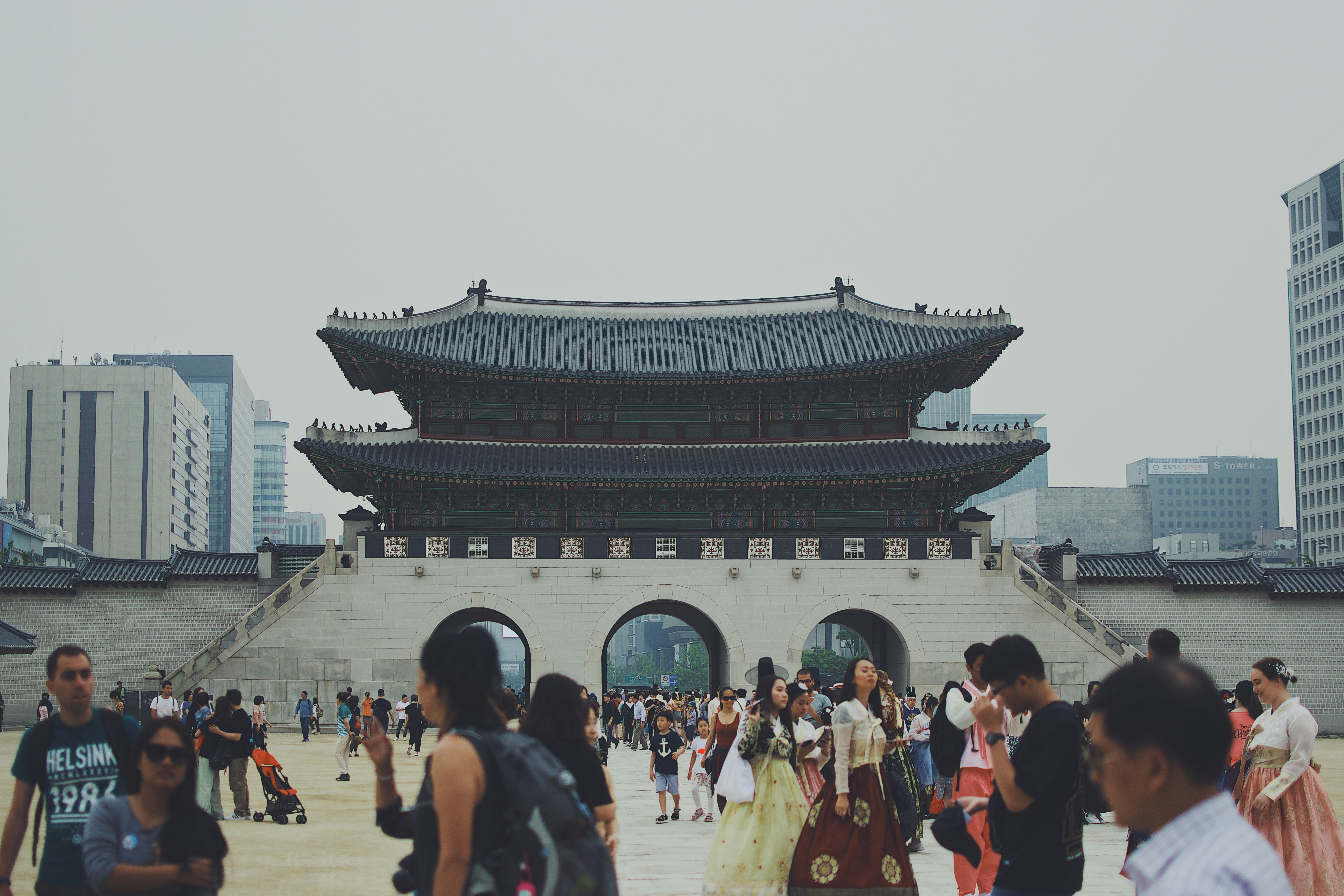
For South Korea customs, dressing neatly and modestly is the best default, especially when visiting religious sites, palaces, or traditional villages. A good rule is to cover shoulders and avoid very short shorts or revealing outfits when entering temples such as Jogyesa in Seoul or Beomeosa in Busan. At palaces like Gyeongbokgung, tourists are not usually required to dress formally, but respectful attire helps you blend in and is ideal if you are wearing a hanbok for photos.
In many temples, you may be asked to remove your shoes before entering indoor prayer areas. Follow signs carefully, and keep your voice low. Photography rules vary: some temple halls, exhibitions, and ceremonial spaces allow photos, while others strictly prohibit them. If you are unsure, look for signs in Korean and English or ask staff before taking pictures.
For a simple comparison of what to wear:
| Place | What to wear | Notes |
|---|---|---|
| Temple | Modest clothing, covered shoulders | Shoes may need to come off indoors |
| Palace | Comfortable, neat casual wear | Hanbok is optional and popular for photos |
| Traditional village | Respectful everyday clothing | Avoid overly flashy or revealing outfits |
| Business meeting | Smart casual or formal | Conservative colors are safest |
This is especially useful if you are combining sightseeing with transit-heavy days; if you need directions, translations, or mobile tickets, having a Hello eSIM helps you stay connected without hunting for Wi‑Fi.
South Korea Dos and Don’ts for Photography, Dining, and Public Behavior
The most practical South Korea dos and donts are about reading the room: be discreet, ask before photographing people, and follow the local pace rather than forcing your own. Street photography is common, but close-up portraits of strangers without permission can make people uncomfortable. In religious settings, always check whether photos are allowed, and never interrupt ceremonies for a better shot.
Dining etiquette is usually relaxed, but a few habits matter. Wait for the eldest person or host to start eating in more formal settings. Do not stick chopsticks upright in rice, as this resembles a funeral ritual. When sharing drinks, especially in business or older social circles, it is polite to turn slightly away from elders while drinking. Tipping is not customary in most restaurants or taxis in South Korea, so you do not need to add a tip unless a service setting specifically invites it.
Useful examples:
- At a temple, a quiet “May I take a photo?” gesture is better than shooting first and asking later.
- At a barbecue restaurant, wait for the group to start and keep shared dishes orderly.
- On a packed subway, avoid blocking doors with luggage and keep backpacks low.
For connectivity while moving between palaces, markets, and neighborhoods like Insadong or Myeongdong, an eSIM from Hello can be handy for live maps, translation apps, and checking opening hours without depending on hotel Wi‑Fi.
Business Etiquette, Gift-Giving Customs, and Social Norms in South Korea
In business and formal social settings, South Korea culture places strong emphasis on respect, presentation, and relationship-building. Punctuality matters, and being a few minutes early is better than arriving exactly on time. Business cards should be offered and received with both hands, then looked at briefly before being placed carefully on the table or in a card holder. Avoid writing on a card in front of the giver, as that can seem dismissive.
Gift-giving is common when visiting someone’s home or meeting a host for the first time. Small, practical gifts from your home country are usually appreciated, such as tea, chocolate, or specialty snacks. Avoid overly expensive gifts that may feel uncomfortable, and do not wrap presents in dark or black paper, which can carry unlucky associations in some contexts. If you receive a gift, open it according to the situation: some people open immediately, while in more formal settings the host may prefer to open later.
A helpful rule is to mirror the other person’s level of formality. In modern offices in Seoul, business dress is often conservative and polished; in creative sectors, smart casual may be acceptable, but neatness still matters. If you are budgeting for meetings or group meals, Hello’s expense splitting and budget tracking tools can make multi-day trips with friends or colleagues much easier.
Common Questions About South Korea Etiquette and Local Phrases
If you are wondering how to avoid awkward moments in South Korea, the answer is simple: be polite, moderate your volume, and follow the lead of locals in formal situations. Basic phrases, modest clothing in sacred places, and respectful photography habits will solve most travel etiquette issues.
Q: What should I say when greeting someone in South Korea? A: “Annyeonghaseyo” is the most useful everyday greeting, and “gamsahamnida” means thank you. A small bow or nod is often enough.
Q: Is it rude to tip in South Korea? A: In most everyday restaurants, taxis, and cafes, tipping is not expected.
Q: What should I wear to temples in South Korea? A: Choose modest clothing that covers shoulders and avoid extremely short or revealing outfits.
Q: Can I take photos everywhere? A: No. Photography rules vary by site, so check signs before taking pictures, especially in temples, museums, and ceremonies.
Q: Is there a best season for cultural travel? A: Spring and autumn are the most comfortable for sightseeing, and holidays like Seollal and Chuseok can affect schedules and transport. Seollal, the Lunar New Year holiday, usually falls in late January or February, while Chuseok is typically in September or October. During these periods, some shops close and trains book up quickly, so plan ahead.
South Korea Travel Planning Tips for Holidays, Connectivity, and Smooth Sightseeing
The best South Korea travel tip is to plan around holidays and stay connected for real-time changes. Public transport, museum hours, and restaurant opening times can shift during Seollal and Chuseok, while major attractions in Seoul, Jeju, and Busan may be busier around weekends and long weekends.
A few practical planning points help a lot:
- Book intercity trains and popular hotels early during holiday weeks.
- Check opening hours for palaces, museums, and temples on the same day you visit.
- Carry cash for small purchases at traditional markets, even though cards are widely accepted.
- Keep a translation app and maps ready for signage in stations, markets, and neighborhood streets.
If you are landing in Incheon or Gimpo and heading straight into the city, having a Hello eSIM ready before departure means you can book a taxi, check transit routes, and message your hotel immediately after arrival. That is especially useful on your first day, when you are still adjusting to local norms and may need quick access to travel information.
For travelers building a broader Asia itinerary, it also helps to compare etiquette across destinations. For example, the cultural pace in South Korea may feel more formal than in some Southeast Asian destinations, so arriving with a flexible mindset makes the trip easier and more rewarding.
Explore These Destinations
Stay Connected
Book this trip
Compare options on trusted travel sites
Plan activities for this trip
Continue to a reviewed booking partner to check schedules, inclusions, and terms.

Make the most of South Korea
From eSIM connectivity to expense tracking, Hello is the all-in-one companion that keeps your trip stress-free.
Related Articles
South Korea Safety Guide: Tips for a Safe Trip
Safety tips, health advisories, emergency contacts, common scams, and travel insurance advice for South Korea.
22 July 2026
1 Week in South Korea: Seoul, Busan, and Jeju
Seven-day South Korea itinerary with KTX train tips, food trails, and daily budgets.
14 July 2026
South Korea Visa & Entry Requirements for Singapore Passport Holders
Visa requirements, passport validity, customs allowances, and entry tips for Singapore citizens travelling to South Korea.
13 July 2026