Key Takeaways
- ✓Nepal in 2026 offers excellent value, rich culture, and Himalayan scenery, making it ideal for both short and extended trips.
- ✓The best times to visit are spring (March–May) and autumn (October–November), especially for trekking and clear mountain views.
- ✓Daily budgets from US$25–40 (budget) to US$45–80 (mid-range) cover most travelers, with detailed breakdowns in the Nepal budget guide.
- ✓Visa rules depend on nationality; many travelers get visas on arrival, while Singaporeans can follow a dedicated entry guide.
- ✓Getting around involves a mix of domestic flights, tourist buses, and private cars, with journeys often longer than map distances suggest.
- ✓Hello eSIM provides instant, hassle-free connectivity in Nepal, complementing hotel and café Wi‑Fi for smooth online access.
- ✓Understanding local etiquette and safety basics makes travel in Nepal welcoming and low-risk for most visitors.
- ✓Using the Hello app for budget tracking, expense splitting, and trip planning helps keep your Nepal adventure organized and on-budget.
Nepal is where Himalayan peaks, ancient temples, and warm hospitality come together in a compact, affordable, and endlessly fascinating destination. Whether you’re dreaming of sunrise over the Annapurnas, café-hopping in Kathmandu, or tracking every rupee of your trip budget, this guide will help you plan confidently.
This Complete Nepal Travel Guide 2026 brings everything into one place: best time to visit, visa and entry, daily costs, transport, food, safety, eSIM connectivity, and sample itineraries. You’ll find quick comparison tables, decision frameworks (city vs mountain-focused trips, budget vs comfort), and “at a glance” summaries that go beyond any single article.
We’ll point you to detailed cluster guides like Nepal Travel Budget Guide: Daily Costs and Money Tips, Nepal Visa & Entry Requirements for Singapore Passport Holders, and eSIM for Nepal: Best Plans, Coverage, and Setup Tips whenever you want a deeper dive.
You’ll also see how the Hello app can simplify your trip: instant Hello eSIM activation on arrival, shared expense tracking with friends, and integrated budgeting so you always know where your money’s going.
By the end, you’ll have a clear picture of what a Nepal trip looks like in 2026, what it costs, how to get around, and how to stay connected—plus practical checklists to turn inspiration into a booked, well-planned adventure.
Why Visit Nepal in 2026
Nepal in 2026 is one of Asia’s best-value destinations, offering Himalayan treks, heritage cities, and rich culture at a fraction of the cost of nearby countries, all while modern connectivity and tourism services continue to improve.
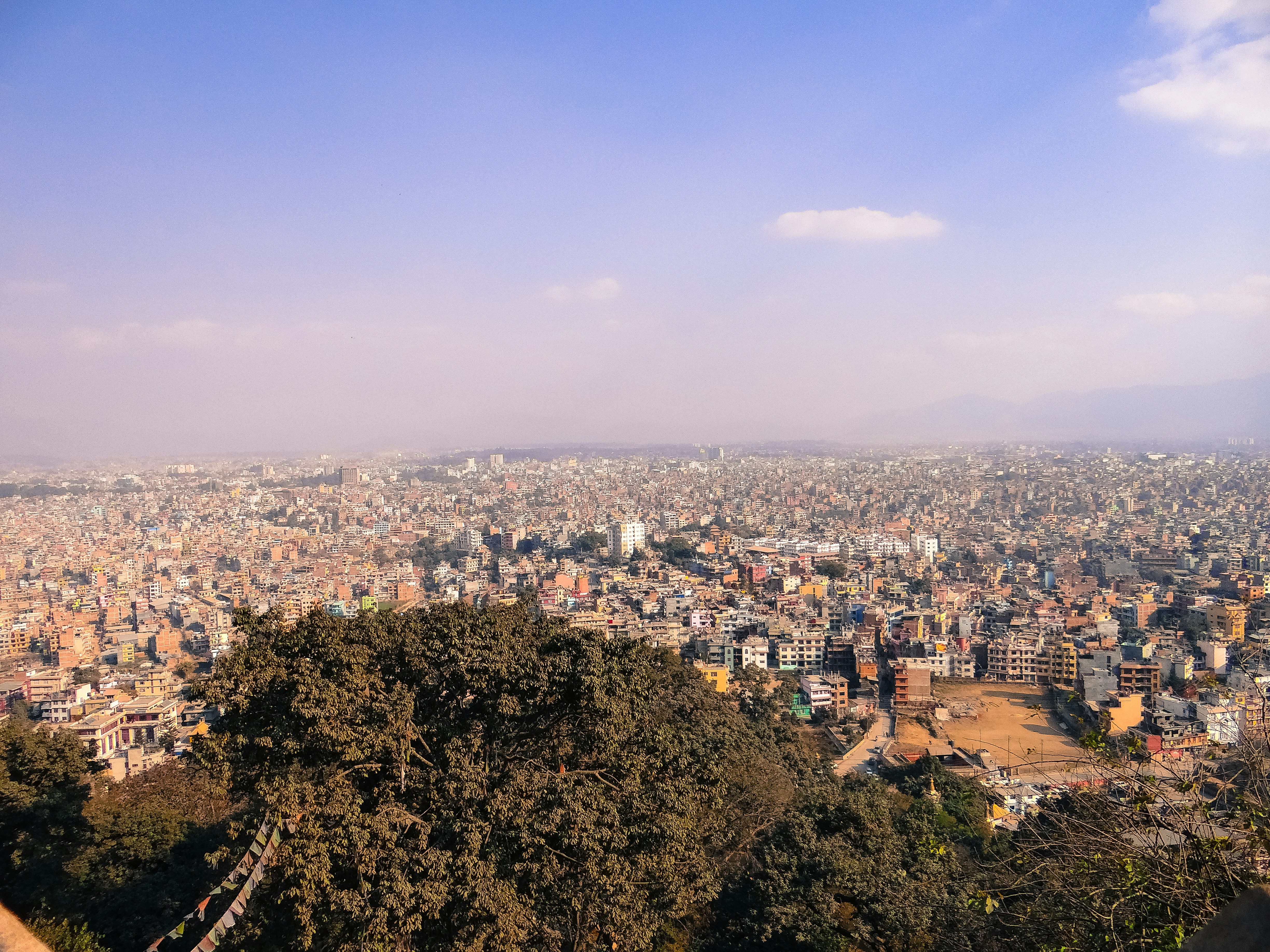
Think of Nepal as a compact blend of mountain adventure, spiritual retreat, and urban discovery. In one trip you can watch sunrise over snow peaks in Nagarkot, wander medieval squares in Bhaktapur, and sip specialty coffee in Kathmandu’s creative neighborhoods. Compared with Japan or Thailand, Nepal feels more raw and immersive, but still accessible for first-time visitors.
At a glance, here’s how Nepal compares to other popular Asia trips in 2026:
| Destination | Typical daily budget (mid-range) | Main vibe | Best for |
|---|---|---|---|
| Nepal | US$45–80 | Mountains + heritage cities | Trekking, culture, budget travel |
| Thailand | US$60–100 | Beaches + nightlife | First-time SE Asia, food |
| Japan | US$100–180 | High-tech + tradition | Design, rail travel, foodies |
You don’t need to be a hardcore trekker to enjoy Nepal. Many short hikes, scenic viewpoints, and cultural experiences are suitable for casual travelers and families. Meanwhile, infrastructure has steadily improved: more domestic flights, better guesthouses, and easier digital payments and connectivity via Hello eSIM.
Use our itineraries like 3 Days in Nepal: A Day-by-Day Itinerary, Nepal in 5 Days: The Perfect Extended Itinerary, and Nepal in 10 Days: The Ultimate Travel Itinerary to match Nepal’s experiences to your time and travel style, from a quick cultural stopover to a longer adventure across cities and mountains.
Best Time to Visit Nepal
The best time to visit Nepal is March–May and October–November, when skies are clearer, temperatures are mild, and trekking conditions are ideal; winter is quieter and cooler, while summer brings monsoon rains but lush landscapes.
Nepal has four broad travel seasons that affect weather, crowds, and prices more than exact dates. For planning, think in terms of your priorities: trekking views, cultural sightseeing, or lowest costs.
Weather & travel season overview (Kathmandu & popular trekking regions, 2026):
| Season | Months | Weather | Pros | Cons |
|---|---|---|---|---|
| Spring | Mar–May | Mild to warm, some haze | Great trekking, rhododendrons, festivals | Can be busy on popular trails |
| Summer/Monsoon | Jun–Sep | Warm, humid, heavy rain | Lush scenery, fewer trekkers, lower prices | Flight delays, leeches, clouds obscure peaks |
| Autumn | Oct–Nov | Clear skies, mild | Best mountain views, ideal for treks | Highest demand and prices |
| Winter | Dec–Feb | Cold, dry, clear in cities | Quiet, good for city/low-altitude trips | Very cold at altitude, some passes closed |
For a first trip in 2026, aim for October or November if you want classic mountain views and don’t mind higher demand, or March or April for a balance of flowers, festivals, and milder crowds.
Short trips like those in 3 Days in Nepal or Nepal in 5 Days can work year-round if you focus on cities and viewpoints rather than high-altitude trekking. Longer itineraries such as Nepal in 10 Days: The Ultimate Travel Itinerary are best in spring or autumn.
If you’re flexible, let your priorities decide: chase views and trekking in spring/autumn, cultural depth and quieter cities in winter, or lower prices and lush landscapes in monsoon with built-in flexibility for weather.
Budget Overview: How Much Does Nepal Cost?
Nepal remains one of Asia’s most budget-friendly destinations in 2026, with typical daily costs ranging from about US$25–40 for budget travelers to US$80–150 for those seeking more comfort and private activities.
Compared to Japan or Thailand, your money stretches impressively far in Nepal. You can eat well, sleep comfortably, and move around the country without breaking the bank, especially if you use local eateries, buses, and mid-range guesthouses.
Here’s an at-a-glance daily budget comparison (per person, as of 2026):
| Traveler type | Daily budget (approx.) | Accommodation | Food | Activities & transport |
|---|---|---|---|---|
| Budget | US$25–40 | Hostels/basic guesthouses | Local eateries, street food | Local buses, shared tours |
| Mid-range | US$45–80 | Comfortable guesthouses, boutique hotels | Mix of local & cafés/restaurants | Domestic flights, guided day trips |
| Comfort/Luxury | US$90–150+ | High-end hotels, premium lodges | Upscale restaurants | Private drivers, scenic flights, multi-day treks with guides |
For detailed breakdowns (accommodation, food, transport, trek costs), see the Nepal Travel Budget Guide: Daily Costs and Money Tips, which also covers how costs shift between Kathmandu, Pokhara, and trekking regions.
Money management matters more on longer trips. The Hello app’s budget tracking and expense splitting features help you log rupee spending in real time and divide costs with friends—useful when sharing jeeps, trekking guides, or multi-day tours.
Pair this overview with the Nepal Currency & Money Guide: Exchange, Cards, and Tips to understand how to get cash, use ATMs, and pay by card, then set a realistic daily budget in Hello before you go.
Visa & Entry Requirements (Plus Other Nationalities)
As of 2026, many nationalities can obtain a Nepal visa on arrival, but exact rules, fees, and passport requirements vary, so you should always confirm against your citizenship before travel.
For Singapore passport holders, the dedicated Nepal Visa & Entry Requirements for Singapore Passport Holders guide covers current visa types, required documents, passport validity (usually at least six months beyond entry), and step-by-step arrival procedures.
For other nationalities, the framework is similar:
- Nepal offers tourist visas typically for 15, 30, or 90 days, with fees increasing by duration.
- You generally need a valid passport, completed application form, passport photos, and to pay the visa fee in an accepted currency (often USD or major foreign currencies).
- Some travelers may need to apply in advance at a Nepalese embassy or consulate, depending on nationality.
A simple decision guide for 2026:
- If your nationality commonly gets visa on arrival: bring printed confirmations of flights and accommodation, passport photos, and cash for fees.
- If your nationality requires pre-arranged visa: start 4–6 weeks before departure and carry printed approval letters.
- If you plan to trek in restricted areas: expect separate permits beyond the standard tourist visa.
Regardless of citizenship, check entry rules close to departure (particularly any health or insurance requirements). Treat the Singapore-specific article as a model of what to look for, then consult your own government advice.
Once you land, having Hello eSIM set up lets you access online forms, confirm bookings, and contact your accommodation immediately if immigration queues are long or your arrival time shifts.
Getting Around Nepal: Transport at a Glance
Getting around Nepal in 2026 usually involves a mix of domestic flights, tourist buses, and local taxis or ride-hailing, with journeys often taking longer than map distances suggest due to terrain and traffic.
Within Kathmandu, you’ll rely on taxis, local buses/minibuses, and increasingly, ride-hailing apps in major areas. Between cities like Kathmandu and Pokhara, your main choices are:
- Domestic flights (quick but weather-dependent)
- Tourist buses (budget-friendly, 6–8 hours)
- Private cars/jeeps (more expensive but flexible)
The Getting Around Nepal: Transport Guide for Travellers dives into airport transfers, public transport, typical prices, and driving tips if you’re considering renting a vehicle.
Here’s a simple comparison for a popular route in 2026, Kathmandu–Pokhara:
| Mode | Time (approx.) | Cost (one-way) | Comfort level | Notes |
|---|---|---|---|---|
| Domestic flight | 25–30 minutes | US$60–120 | High | Best for saving time; subject to delays in bad weather |
| Tourist bus | 6–8 hours | US$10–25 | Moderate | Scenic but long; some express and more comfortable services |
| Private car/jeep | 6–7 hours | US$80–150 total | High | Flexible stops; better for groups splitting costs |
The Hello app’s expense splitting is particularly handy when sharing taxis, jeeps, or tour costs with friends, ensuring fair splits without manual math.
For short trips, itineraries like 3 Days in Nepal and Nepal in 5 Days show realistic movement between neighborhoods and cities. Longer stays, like the Nepal in 10 Days: The Ultimate Travel Itinerary, demonstrate how to combine flights, buses, and local transport without wasting too much time in transit.
Food & Dining in Nepal
Eating in Nepal is a highlight of any trip, with hearty local staples like dal bhat, momos, and Newari feasts complemented by good coffee, bakeries, and international options in tourist areas as of 2026.
The Nepal Food Guide: Must-Try Dishes, Prices, and Tips covers specific dishes, typical prices, and food safety advice. Use this pillar section as your big-picture overview of what dining in Nepal feels like.
Expect three broad categories:
- Local eateries & street food: best value and authentic flavors (dal bhat sets, noodle soups, momos).
- Cafés & bakeries: especially in Kathmandu and Pokhara, with decent coffee, pastries, and brunch-style menus.
- International restaurants: serving Indian, Tibetan, Western, and other cuisines for variety.
Rough price guidance for 2026:
- Basic local meal: from US$2–4
- Café meal or mid-range restaurant: US$5–10
- Upscale dining: US$15–25+ per person
If you have dietary needs (vegetarian, vegan, gluten-free), you’ll find options, especially in tourist neighborhoods—but always communicate clearly and double-check broths or sauces.
Safe eating is largely about common-sense choices: busy places with high turnover, bottled or filtered water, and caution with raw food if your stomach is sensitive. The Hello app’s expense tracking helps you monitor how much your café and restaurant stops add up over the course of your trip.
Combine this overview with the detailed Nepal Food Guide and the Nepal Cultural Guide: Etiquette, Customs, and Tips to understand both what to eat and how to dine respectfully (sharing dishes, eating with hands in some contexts, and tipping norms).
Top Experiences & Sample Itineraries
Nepal’s top experiences range from iconic Himalayan views and heritage squares to lakeside relaxation and spiritual sites, and you can mix and match them into 3–10 day itineraries depending on your schedule.
If you’re short on time, start with the existing itineraries:
- 3 Days in Nepal: A Day-by-Day Itinerary for a quick city-and-viewpoints snapshot.
- Nepal in 5 Days: The Perfect Extended Itinerary for a more relaxed taste of Kathmandu and nearby highlights.
- Nepal in 10 Days: The Ultimate Travel Itinerary for a more complete mix of cities, mountains, and lakes.
Use this section as a decision framework:
- City & culture-focused trips (3–5 days): Kathmandu Durbar Square, Swayambhunath, Boudhanath, Bhaktapur, Patan, plus a viewpoint like Nagarkot.
- Mixed city + nature trips (5–7 days): Add Pokhara for lakeside walks, sunrise views, and short hikes.
- Trek-oriented trips (7–10+ days): Base yourself in Kathmandu and Pokhara, then incorporate a multi-day trek with a licensed guide.
A simple way to choose in 2026:
- If you have 3 days: focus on Kathmandu and one side trip.
- If you have 5 days: add either Pokhara or more time in the Kathmandu Valley.
- If you have 10 days: combine both cities plus at least one short trek or extended countryside stay.
The Hello app’s trip planning features can help you map out these experiences day by day, track bookings, and sync shared plans with friends, making complex itineraries easier to manage.
Staying Connected: Hello eSIM & Internet in Nepal
As of 2026, staying online in Nepal is straightforward with a mix of Wi‑Fi in hotels and cafés plus mobile data, and Hello eSIM gives you instant connectivity without hunting for local SIM cards on arrival.
The dedicated eSIM for Nepal: Best Plans, Coverage, and Setup Tips walks through specific Nepal eSIM options, coverage by region, and setup steps. Use this section as your big-picture connectivity strategy.
Here’s why Hello eSIM is useful for Nepal:
- Activate data before you land, so you can message your hotel, book taxis, or check maps immediately.
- Avoid local SIM registration queues, which can be time-consuming after long flights.
- Keep your physical SIM for home number access, while using data through Hello eSIM.
Typical use-cases in 2026:
- City travelers: rely on Hello eSIM for maps, ride-hailing, restaurant searching, and social sharing.
- Trekkers: use Hello eSIM where there’s mobile coverage, supplemented by lodge Wi‑Fi or offline maps when coverage is limited.
- Remote workers: combine reliable hotel Wi‑Fi with mobile backup via Hello eSIM.
To control costs, set data alerts in Hello and download offline resources (maps, playlists, translation packs) before departure. The Hello app also bundles expense tracking and trip planning alongside connectivity, so you manage budget and bookings in one place.
Track all the technical detail through the eSIM for Nepal article, then treat this pillar section as your decision check: for most travelers in 2026, one Hello eSIM plus local Wi‑Fi is enough for smooth, connected travel.
Culture, Etiquette & Safety Basics
Nepal is generally welcoming and safe for travelers in 2026, but understanding local etiquette and common-sense safety practices will make your trip smoother and more respectful.
The Nepal Cultural Guide: Etiquette, Customs, and Tips covers greetings, dress codes, temple behavior, and useful local phrases, while the Nepal Safety Guide: Tips for a Safe Trip focuses on health, scams, and emergency contacts.
Key cultural points:
- Dress modestly at religious sites (covered shoulders and knees).
- Remove shoes before entering homes and certain temple areas.
- Use your right hand for giving or receiving items where possible.
- Ask before photographing people, shrines, or ceremonies.
On safety, Nepal’s main risks are more often environmental (altitude, weather, road conditions) than crime. Practical steps for 2026:
- Use reputable guides and agencies for treks.
- Check altitude gain and acclimatization days if going above 3,000 m.
- Be cautious with road travel at night or in heavy rain.
- Keep digital copies of documents in secure cloud storage.
Hello eSIM helps here too: being online allows you to access maps, emergency numbers from the Nepal Safety Guide, and embassy contacts, and to quickly share your location with friends.
Pair this overview with the cultural and safety cluster guides to build a mental checklist: respect local customs, manage health proactively, and rely on both offline preparation and online tools (like Hello) to stay informed and connected.
Currency, Money & Daily Spending
Nepal uses the Nepalese rupee, and as of 2026 you’ll typically combine cash for small purchases with cards or digital payments for larger expenses, making it important to plan how you’ll access and track money each day.
The Nepal Currency & Money Guide: Exchange, Cards, and Tips explains exchange options, ATM use, card acceptance, and tipping. This pillar section focuses on how to fold those details into your daily routine.
Expect this pattern:
- Carry a core cash reserve for taxis, local eateries, small shops, and rural areas.
- Use cards or digital payments in hotels, larger restaurants, and some tour operators where available.
- Keep a small emergency stash separate from your main wallet.
Daily spending habits in 2026:
- Track each purchase in the Hello app’s budget tracking to avoid overspending on small items.
- Split shared costs (jeeps, rooms, meals) via Hello’s expense splitting, ideal for group trips.
- Periodically compare actual spending to your daily budget (from the Nepal Travel Budget Guide) and adjust.
A simple money decision tree:
- Short trip (3–5 days): bring cash from home + use ATMs as needed; light reliance on cards.
- Longer trip (7–10+ days): plan regular ATM withdrawals, monitor fees, and spread cards across bags for redundancy.
Combining the currency and budget cluster guides with Hello’s tools gives you a full money strategy: know the rupee basics, pick your daily budget, then let the app help you keep your Nepal spending under control in real time.
Before You Go: Pre-Departure Checklist for Nepal
A simple pre-departure checklist makes a Nepal trip in 2026 feel organized and stress-free, covering documents, health, connectivity, money, and itinerary basics before you board your flight.
Use this section as a practical “tick-off” list, then dive into detailed guides for any items that need more attention.
Core documents & admin:
- Check passport validity (at least six months beyond arrival recommended).
- Confirm visa requirements; if you’re Singaporean, see Nepal Visa & Entry Requirements for Singapore Passport Holders.
- Print key bookings (first night’s accommodation, domestic flights, treks/tours).
Health & safety:
- Review the Nepal Safety Guide: Tips for a Safe Trip for insurance, vaccinations, and emergency contacts.
- Pack basic medicines and any personal prescriptions.
Connectivity & tech:
- Install the Hello app and choose a Hello eSIM plan for Nepal from within the app.
- Download offline maps and save copies of important documents.
Money & budget:
- Read the Nepal Travel Budget Guide: Daily Costs and Money Tips and Nepal Currency & Money Guide.
- Set an initial daily budget and trip dates in Hello for tracking.
Itinerary & cultural prep:
- Choose a route using 3 Days, 5 Days, or 10 Days itineraries.
- Scan the Nepal Cultural Guide: Etiquette, Customs, and Tips to understand greetings, dress codes, and temple etiquette.
Check things off this list over the weeks before your trip, and by the time you land in Kathmandu you’ll be ready to focus on enjoying Nepal rather than chasing logistics.
Nepal Visa & Entry Requirements for Singapore Passport Holders
Safety & HealthNepal Safety Guide: Tips for a Safe Trip
Budget PlanningNepal Travel Budget Guide: Daily Costs and Money Tips
Currency & MoneyNepal Currency & Money Guide: Exchange, Cards, and Tips
Cultural GuideNepal Cultural Guide: Etiquette, Customs, and Tips
Itineraries3 Days in Nepal: A Day-by-Day Itinerary
ItinerariesNepal in 5 Days: The Perfect Extended Itinerary
ItinerariesNepal in 10 Days: The Ultimate Travel Itinerary
eSIM & ConnectivityeSIM for Nepal: Best Plans, Coverage, and Setup Tips
Frequently Asked Questions
How many days do I need for a first trip to Nepal in 2026?
For a first visit, 5–7 days is a comfortable minimum: you can explore Kathmandu and nearby heritage towns, plus add Pokhara or a short hike. Use Nepal in 5 Days: The Perfect Extended Itinerary for a compact trip, or Nepal in 10 Days: The Ultimate Travel Itinerary if you have more time.
Is Nepal safe to visit in 2026?
Nepal is generally safe for travelers, with most issues related to road conditions, altitude, and occasional petty crime rather than serious incidents. The Nepal Safety Guide: Tips for a Safe Trip outlines common scams, health considerations, and emergency contacts; combining that with basic precautions and travel insurance makes trips in 2026 low-risk for most visitors.
What’s a realistic daily budget for Nepal?
As of 2026, budget travelers can often manage on US$25–40 per day, while mid-range travelers typically spend US$45–80, and comfort-focused trips can reach US$90–150+. The Nepal Travel Budget Guide: Daily Costs and Money Tips breaks down accommodation, food, transport, and activity costs so you can set a personalized daily budget and track it through the Hello app.
Do I need a visa to visit Nepal?
Most travelers need a tourist visa, which many nationalities can obtain on arrival for 15, 30, or 90 days. Requirements, fees, and processes differ by citizenship. Singapore passport holders should follow the Nepal Visa & Entry Requirements for Singapore Passport Holders, while other travelers should check their own government’s advice and Nepal’s official immigration information before departure.
How do I stay online in Nepal without buying a local SIM at the airport?
In 2026, the easiest option is to use Hello eSIM, which you can activate from the Hello app before arrival or once you land. The eSIM for Nepal: Best Plans, Coverage, and Setup Tips explains plan choices and coverage; combined with hotel and café Wi‑Fi, Hello eSIM usually provides more than enough connectivity for maps, messaging, and bookings.
What are the must-try foods in Nepal?
You shouldn’t leave Nepal without trying dal bhat (lentils and rice set meal), momos (dumplings), and local Newari dishes, along with coffee and bakery culture in Kathmandu and Pokhara. The Nepal Food Guide: Must-Try Dishes, Prices, and Tips lists essential dishes, typical prices, and food safety advice for different neighborhoods and budgets.
Can I visit Nepal as part of a wider Asia trip?
Yes. Many travelers combine Nepal with regional destinations like Thailand and Japan, using Kathmandu as a hub. Nepal adds mountains and heritage cities to beach or city-heavy itineraries. When planning multi-country routes, use the Hello app’s trip planning and budget tracking features to keep each leg organized and aligned with your overall budget.
eSIM Plans for Nepal
Detailed Articles
Dive deeper into specific topics covered in this guide.
3 Days in Nepal: A Day-by-Day Itinerary
A detailed 3-day itinerary for Nepal with daily activities, costs, neighborhoods, and transport tips.
13 June 2026
Nepal in 5 Days: The Perfect Extended Itinerary
A detailed 5-day itinerary for Nepal with daily activities, costs, neighborhoods, and transport tips for an extended stay.
8 May 2026
Nepal in 10 Days: The Ultimate Travel Itinerary
A comprehensive 10-day itinerary for Nepal covering top attractions, hidden gems, daily costs, and transport between cities.
22 June 2026
Nepal Cultural Guide: Etiquette, Customs, and Tips
Essential do's and don'ts, greeting customs, dress codes, local phrases, and cultural tips for Nepal.
5 June 2026
Nepal Travel Budget Guide: Daily Costs and Money Tips
How much does it cost to travel in Nepal? Daily budget breakdowns for budget, mid-range, and luxury travellers.
27 February 2026
Nepal Currency & Money Guide: Exchange, Cards, and Tips
Currency exchange, credit card acceptance, ATM tips, tipping culture, and money-saving advice for Nepal.
27 March 2026
Nepal Visa & Entry Requirements for Singapore Passport Holders
Visa requirements, passport validity, customs allowances, and entry tips for Singapore citizens travelling to Nepal.
11 July 2026
Nepal Safety Guide: Tips for a Safe Trip
Safety tips, health advisories, emergency contacts, common scams, and travel insurance advice for Nepal.
20 July 2026
More Travel Guides
Destination Guide
Complete Bosnia and Herzegovina Travel Guide 2026
Everything you need to know about travelling to Bosnia and Herzegovina — budget, visa, food, transport, eSIM connectivity, and itineraries.
Destination Guide
Complete Bahamas Travel Guide 2026
Everything you need to know about travelling to Bahamas — budget, visa, food, transport, eSIM connectivity, and itineraries.
Destination Guide
Complete Bahrain Travel Guide 2026
Everything you need to know about travelling to Bahrain — budget, visa, food, transport, eSIM connectivity, and itineraries.
Destination Guide
Complete Sint Eustatius Travel Guide 2026
Everything you need to know about travelling to Sint Eustatius — budget, visa, food, transport, eSIM connectivity, and itineraries.