Nepal Visa & Entry Requirements for Singapore Passport Holders
Visa requirements, passport validity, customs allowances, and entry tips for Singapore citizens travelling to Nepal.
By Hello Travel Team
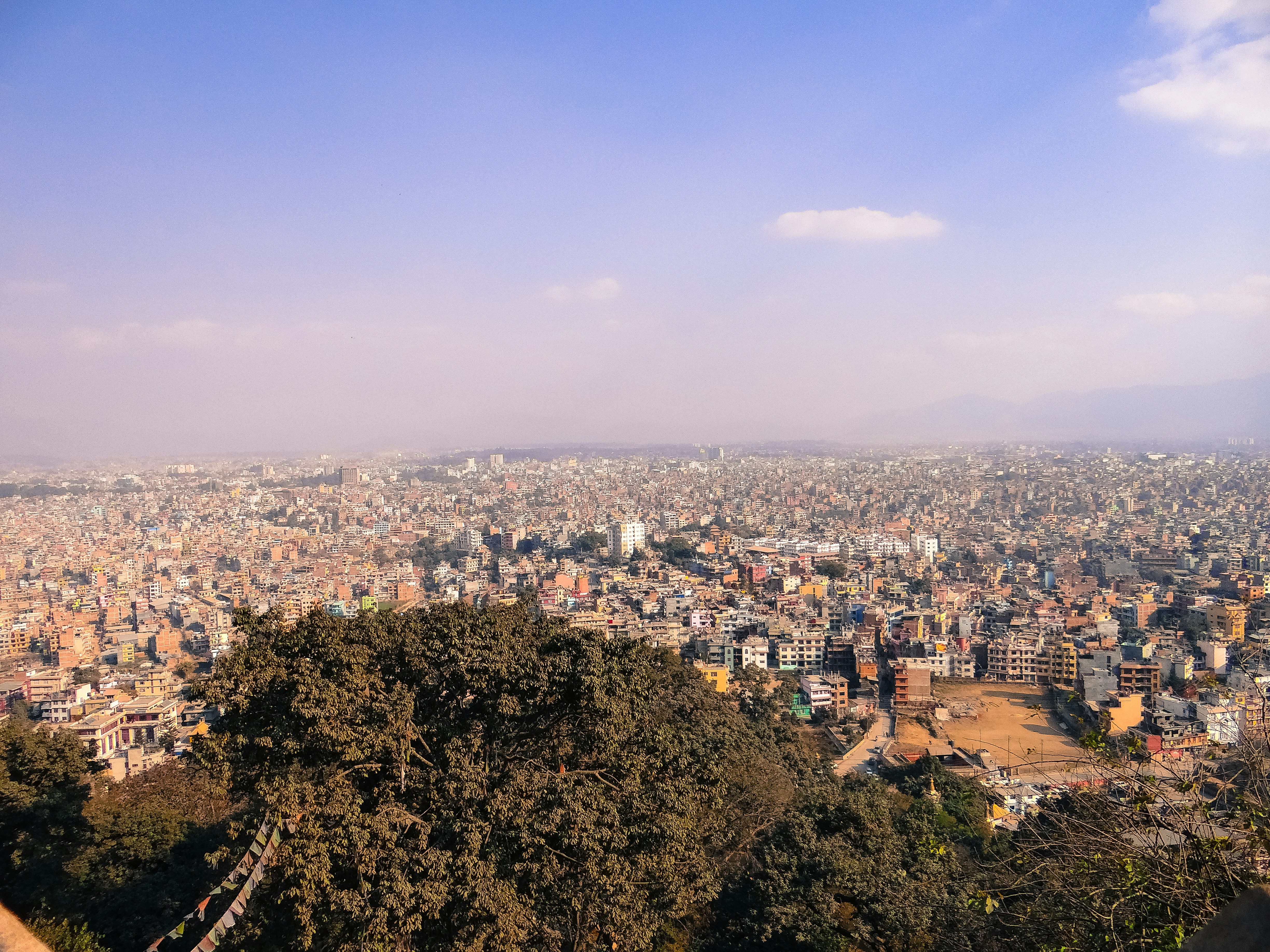
Nepal Visa Requirements for Singapore Passport Holders: TL;DR
Singapore passport holders generally need a tourist visa for Nepal, but they can obtain it on arrival rather than applying in advance. Nepal is therefore not visa-free for ordinary Singapore passport holders, although the process is straightforward at Tribhuvan International Airport in Kathmandu and designated land crossings. Singapore’s Ministry of Foreign Affairs advises having at least six months of passport validity remaining from the planned departure date. Nepal’s official Department of Immigration lists tourist visa fees of US$30 for 15 days, US$50 for 30 days, and US$125 for 90 days. Tourists may remain in Nepal for no more than 150 days in a calendar year. Carry US dollars or another practical payment option because card payments are not always reliable at arrival facilities. Before flying, check the latest rules with the Nepal Department of Immigration and Singapore’s Ministry of Foreign Affairs Nepal travel page, as entry procedures can change.
Do I Need a Visa for Nepal? Visa-Free, Visa-on-Arrival and E-Visa Explained
Singapore citizens do not normally enter Nepal visa-free on an ordinary passport; instead, most travellers obtain a tourist visa on arrival, with an online form available to speed up the airport process. Nepal’s official immigration guidance describes the visa issued at arrival points as a tourist visa with multiple re-entry facilities, and Singapore’s MFA confirms that Singaporeans may stay for up to 90 days using this arrangement. The practical process is: complete the tourist visa form online before departure or at the airport kiosk, print or retain the submission receipt, pay the fee, then present your passport and documents at immigration. The online form is not the same as visa-free entry and does not remove the need to receive the visa at the border. Nepal’s standard tourist visa options are:
| Visa option | Official fee | Practical use |
|---|---|---|
| 15-day tourist visa on arrival | US$30 | Short Kathmandu, Pokhara or trekking trip |
| 30-day tourist visa on arrival | US$50 | Typical holiday or multi-region itinerary |
| 90-day tourist visa on arrival | US$125 | Longer travel, volunteering or extended trekking |
Singapore passport holders are not among the nationalities listed by Nepal as restricted from visa on arrival. For paid work, study, journalism or other non-tourist activities, arrange the appropriate permission before travelling rather than relying on a tourist visa.
Nepal Passport Validity and Entry Documents for Singapore Travellers
The safest Nepal entry requirement for Singapore travellers is a machine-readable passport valid for at least six months after the date they plan to leave Nepal, with blank pages available for immigration endorsements. Singapore’s MFA specifically advises six months of remaining validity, even though travellers may encounter different wording from airlines or border officials. Nepal immigration also states that handwritten passports are not accepted and that travellers should use a valid, genuine machine-readable passport. Bring the following in accessible hand luggage:
- Singapore passport with at least six months’ validity beyond intended departure
- Printed or saved copy of the completed online tourist visa form
- Visa fee in US dollars, preferably small notes in good condition
- Confirmed accommodation address and onward or return flight details
- Travel insurance covering trekking, evacuation and medical treatment
- Copies of your passport, insurance policy and important bookings
If your passport is lost or replaced while in Nepal, contact the Singapore High Commission and Nepal’s Department of Immigration promptly. Singapore’s MFA notes that travellers using a replacement passport may need an exit visa from Nepalese immigration before leaving. This is especially relevant if the original passport contained the entry visa or arrival record.
Nepal Customs Allowances, Money and Prohibited Items
Nepal customs is easiest when you declare valuable goods, carry only reasonable personal quantities and keep receipts for expensive electronics or specialist trekking equipment. Travellers should use the customs channel indicated at the airport and follow current declarations from Nepal Customs, because duty-free limits and restricted-item rules can change. Keep medicines in original packaging, particularly prescription drugs, and carry a doctor’s letter for controlled or high-dose medication. Do not pack drones, satellite phones, professional filming equipment or large amounts of Nepalese currency without checking the latest permission requirements.
For a typical Singapore holiday, pack personal clothing, a phone, laptop, camera and normal trekking equipment rather than commercial quantities. Nepal has strict controls around archaeological objects, wildlife products, weapons, narcotics and certain religious or cultural items. Never remove antiques, fossils, statues, gemstones or protected wildlife products without official export documentation. Declare cash or valuables when required and avoid carrying large unexplained amounts. Visa fees are payable in US dollars, and Singapore’s MFA warns that card payment is not reliably available at every arrival facility, so keep cash accessible. At the airport, use official money changers or ATMs and retain exchange receipts. For the latest limits, consult the Nepal Department of Customs before departure.
Nepal Health, Vaccination and Travel Insurance Requirements
Singapore passport holders should check health requirements shortly before departure, but routine entry to Nepal generally focuses more on a valid passport and visa than on universal vaccination certificates. Requirements can depend on your recent travel history, so travellers arriving from or transiting through countries with yellow-fever risk may need proof of yellow-fever vaccination. Confirm this with Singapore’s Ministry of Health, your doctor and Nepalese authorities before flying. There is no substitute for destination-specific medical advice, particularly for trekking.
Recommended preparation includes:
- Routine vaccinations updated, including tetanus, diphtheria, pertussis, measles and influenza
- Medical advice about hepatitis A, typhoid, rabies and other vaccines based on itinerary
- Medication for altitude-related illness after consulting a clinician
- Comprehensive insurance covering helicopter evacuation and high-altitude trekking
- A personal first-aid kit, water-purification method and mosquito protection
Altitude is a major Nepal-specific risk: Kathmandu sits at roughly 1,400 metres, while Namche Bazaar is around 3,440 metres and Everest Base Camp is higher still. Ascend gradually, hydrate, avoid alcohol during acclimatisation and descend if serious symptoms develop. Carry prescriptions in original packaging and verify that any strong painkillers or sedatives are legal to bring into Nepal.
Arrival Tips for Kathmandu, Land Borders and Staying Connected
Allow extra time at Kathmandu’s Tribhuvan International Airport, especially during Nepal’s popular trekking seasons in spring and autumn, because visa-on-arrival queues can build even when the process itself is simple. Complete the online form before boarding, save the confirmation offline, bring US$30, US$50 or US$125 depending on your planned stay, and keep your accommodation address ready. After immigration, collect your bags and follow official transport signs rather than accepting unsolicited offers. Airport taxis and pre-arranged hotel transfers are the simplest first-night options.
Nepal’s main international gateway is Tribhuvan International Airport, while visa on arrival is also available at listed land crossings including Kakarbhitta, Birgunj, Bhairahawa, Nepalgunj, Gaddachowki and Kodari. If you are entering overland from India or Tibet, confirm the crossing is open to your nationality and itinerary before departure.
For maps, airport transfers, translation and booking messages, arrange an eSIM for Nepal from Hello before leaving Singapore. Hello’s eSIM plans support connectivity in 200+ countries and can be activated before the trip, helping you arrive with data rather than searching for a SIM after a long flight. The Hello app also combines trip planning, budget tracking and multi-currency expense splitting, useful when dividing taxis, trekking permits and meals with friends.
Common Questions About Nepal Entry Requirements for Singaporeans
The short answers are: Singaporeans usually need a visa, can obtain a tourist visa on arrival, should carry a passport valid for at least six months, and should keep enough cash for the visa fee and first-day expenses. Always recheck official guidance before departure because Nepal’s immigration and health rules can change.
Is Nepal visa-free for Singapore passport holders? No. Nepal is not generally visa-free for ordinary Singapore passport holders, but eligible Singaporeans can obtain a tourist visa on arrival.
Can I get a Nepal visa on arrival at Kathmandu airport? Yes. Tribhuvan International Airport provides visa-on-arrival facilities, and the official process includes completing a form, paying the fee and presenting your passport to immigration.
How much is a Nepal visa for Singaporeans? The published tourist fees are US$30 for 15 days, US$50 for 30 days and US$125 for 90 days.
How long can Singaporeans stay in Nepal? A tourist visa can cover up to 90 days at a time, while Nepal’s annual tourist limit is 150 days in a calendar year.
Can I enter Nepal with less than six months’ passport validity? Do not rely on it. Singapore’s MFA advises at least six months’ validity from your expected departure date, and airlines may refuse boarding if your passport is too close to expiry.
Do I need travel insurance for Nepal? It may not be a standard immigration requirement, but it is strongly recommended, especially for trekking, altitude exposure and possible helicopter evacuation.
Explore These Destinations
Stay Connected
Ready for Nepal?
eSIM data, expense splitting, budget tracking, and more. Everything you need for a smooth trip in one app.
Related Articles
Nepal Safety Guide: Tips for a Safe Trip
Safety tips, health advisories, emergency contacts, common scams, and travel insurance advice for Nepal.
20 July 2026
eSIM for Nepal: Best Plans, Coverage, and Setup Tips
Everything you need to know about using eSIM in Nepal. Best data plans, network coverage, and setup instructions.
2 July 2026
Nepal in 10 Days: The Ultimate Travel Itinerary
A comprehensive 10-day itinerary for Nepal covering top attractions, hidden gems, daily costs, and transport between cities.
22 June 2026