Nepal Safety Guide: Tips for a Safe Trip
Safety tips, health advisories, emergency contacts, common scams, and travel insurance advice for Nepal.
By Hello Travel Team
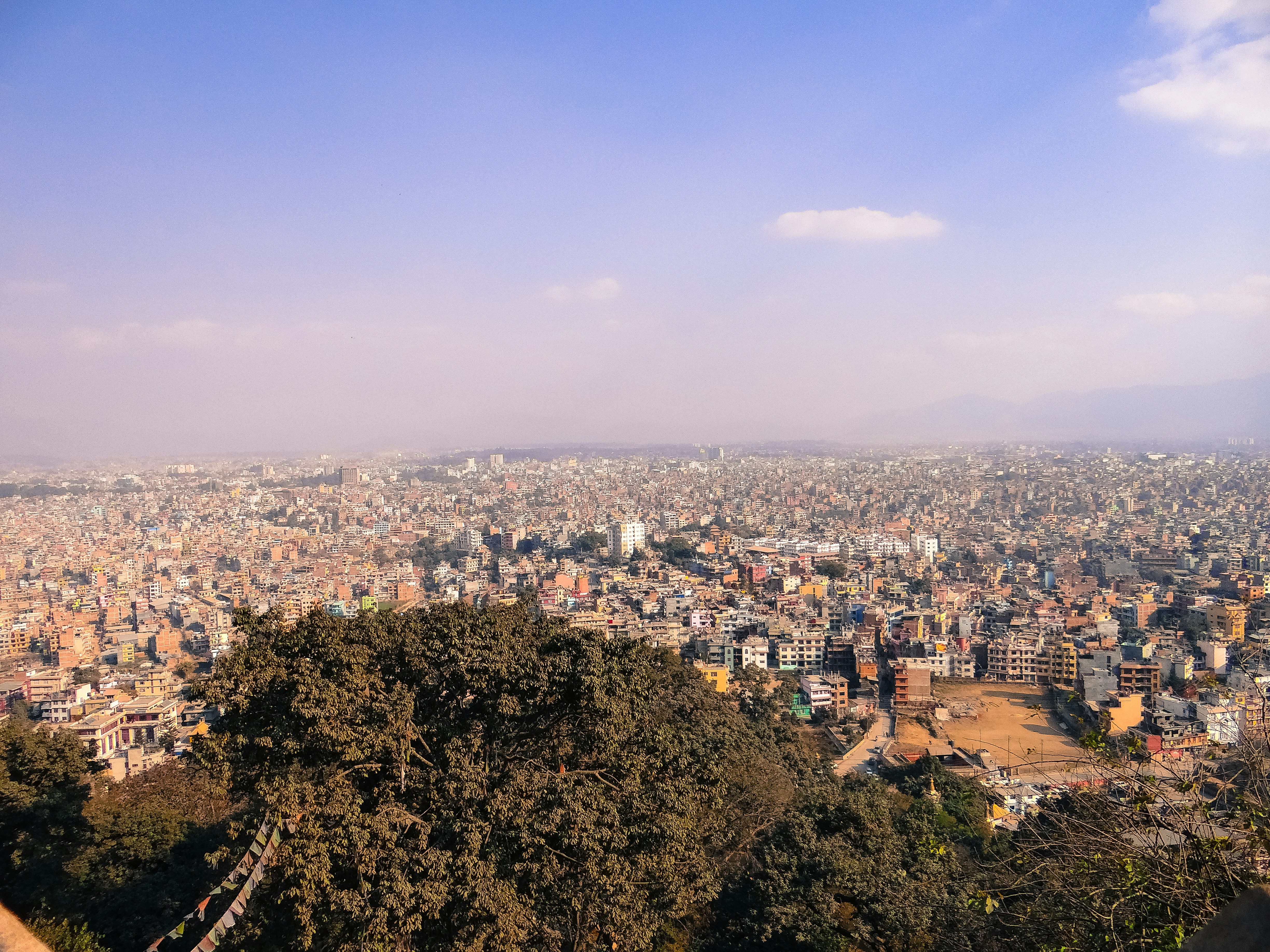
TL;DR: Is Nepal Safe to Travel?
Nepal is generally safe and welcoming for travellers, with low violent crime and millions of visitors enjoying the country every year, but you should stay alert for petty theft, road safety issues, and occasional political demonstrations.
Most major tourism sources and local operators agree that Nepal travel safety in 2026 is good, with the country considered one of the safest in South Asia for tourists when normal precautions are taken. Several Nepal-focused tour operators note that violent crime against visitors is rare and that incidents mainly involve petty theft or scams in busy areas like Thamel in Kathmandu.
The US Department of State currently rates Nepal at Level 2: Exercise Increased Caution, similar to destinations like France or Japan, primarily due to political demonstrations and trekking-related hazards such as altitude sickness, rather than widespread crime.
If you use common-sense safety habits—keeping valuables secure, avoiding night-time road travel, using reputable trekking agencies, and monitoring local news for protests—Nepal is a rewarding and manageable destination. Staying connected with a Hello eSIM, registering with your embassy, and having solid travel insurance will further reduce risks and make emergencies easier to handle.
In short: yes, Nepal is safe for most travellers, including solo visitors, as long as you stay aware of your surroundings and respect local conditions.
Overall Nepal Travel Safety: Crime, Protests, and Everyday Risks
Nepal is generally safe for tourists, with low rates of violent crime, but you should be mindful of petty theft, road safety, and sporadic political demonstrations, especially in Kathmandu.
Current security assessments describe Nepal as one of the safest countries in South Asia for travellers, with street crime targeting tourists considered rare in most popular areas. Local tourism guides emphasize that the main risks are non-violent: pickpocketing in crowded markets, bag snatching at bus stations, and scams involving overcharging or fake tour agencies.
Politically, Nepal is a federal democratic republic with a functioning parliament and a stable security environment in major tourist hubs such as Kathmandu, Pokhara, and the Annapurna trekking region. However, demonstrations and strikes (bandhs) do occur, often around election periods or contentious political issues. These are usually non-violent but can disrupt transport and occasionally turn confrontational.
From a practical standpoint, road safety is a bigger concern than crime. Mountain roads are narrow, poorly lit, and can be hazardous in rain or fog. Many local and tourism sources advise avoiding night travel on highways and choosing reputable tourist buses or domestic flights over cheap, unregulated transport.
To stay safer:
- Avoid large crowds or political gatherings near Durbar Square or central Kathmandu.
- Check national advisories and local news (such as English-language outlets) for protest updates.
- Use licensed taxis or ride apps, and avoid unmarked cabs from airports.
Staying connected with a Hello eSIM makes it easier to check advisories, navigate safely, and contact emergency services if needed.
Emergency Numbers, Embassies, and What to Do in a Crisis
In an emergency in Nepal, call 100 for police, 102 for an ambulance, and 101 for fire, then contact your embassy or consulate and travel insurer as soon as you are safe.
According to official guidance and embassy travel advisories, the standard Nepal emergency numbers are:
- Police: 100
- Ambulance: 102
- Fire Brigade: 101
- Tourist Police (Kathmandu HQ): commonly listed numbers include +977-1-4247041, with dedicated lines in other tourist centers like Pokhara and key trekking gateways.
Tourist Police units are specifically tasked with assisting visitors with lost property, minor crimes, and general information in areas such as Thamel (Kathmandu), Lakeside (Pokhara), and several trekking towns. They are accustomed to interacting with foreign travellers and often speak basic English.
If you are a Singaporean traveller, your nearest full diplomatic mission is the Singapore Embassy in New Delhi, India, which covers consular assistance for Nepal. Singapore also coordinates support through regional partners and honorary consuls in South Asia. It is wise to register your trip with Singapore’s Ministry of Foreign Affairs and keep the embassy’s emergency contact and email saved on your phone and written on paper.
In any serious incident:
- Get to a safe location and contact local emergency services.
- Inform your embassy or consulate.
- Call your travel insurance hotline for guidance on medical care or evacuation.
- Keep digital and paper copies of your passport, visa, and insurance details.
Using Hello’s eSIM connectivity means you arrive with an active data plan, making it much easier to quickly look up embassy contacts, translate conversations with police, or share your location with friends or guides.
Health, Vaccinations, and Water Safety in Nepal
Travellers to Nepal face low to moderate health risks if properly vaccinated, careful with food and water, and prepared for altitude and respiratory issues.
Most national health agencies consider the average traveller’s risk in Nepal to be very low for many serious diseases, provided standard travel vaccines are up to date. Commonly recommended vaccinations for visits to Nepal include routine immunizations (MMR, tetanus, polio), plus hepatitis A and typhoid for those eating local food, and sometimes rabies and Japanese encephalitis for long stays or rural exposure.
Food- and water-borne illnesses are among the most frequent issues. Multiple Nepal safety guides emphasize that tap water in Nepal is not safe to drink, even in cities and hotels. You should rely on bottled, boiled, or properly filtered water. On treks, many travellers carry water purification tablets or UV devices and refill at lodges instead of buying every bottle.
Basic food hygiene tips:
- Choose busy restaurants where food turnover is high.
- Avoid raw leafy salads during the monsoon season, when contamination risk increases.
- Eat thoroughly cooked dishes and peel your own fruit.
Mosquito-borne diseases are less of a problem in high-altitude regions but can be present in the southern plains (Terai). Using insect repellent, wearing long sleeves at dusk, and sleeping under nets in basic guesthouses can significantly reduce risk.
Altitude sickness is a serious concern on treks above 3,000 m. Ascend gradually, take rest days, and never ignore symptoms like headaches, nausea, or shortness of breath; descend if needed.
For planning, a modest travel health kit (rehydration salts, anti-diarrheals, painkillers) usually costs around US$25–40 in 2026, and local clinic visits are relatively inexpensive, though serious evacuation can be costly without insurance.
Common Scams in Nepal and How to Avoid Them
Most Nepal scams involve overcharging, fake services, or petty theft in tourist areas, and you can avoid them by agreeing prices in advance, using licensed agencies, and keeping valuables secure.
Local tourism operators and safety guides list several common scams in Nepal:
- Overpriced taxis: Drivers at airports or bus parks may refuse meters and quote inflated fares. Always agree on a price before the ride; a typical daytime airport–Thamel taxi in 2026 might be around US$8–12.
- Fake trekking agencies or guides: Unlicensed operators offer unrealistically cheap packages, then cancel services or provide unsafe conditions. Stick to agencies registered with local trekking associations and check reviews.
- Gem, carpet, and souvenir scams: Shops may push "antique" or "rare" items at high prices. Buy only if you genuinely like the item and compare prices at multiple stores.
- Card and money handling tricks: In busy bars or guesthouses, some staff may swap notes or claim you paid less. Count cash visibly and ask for printed receipts.
Petty theft is more likely than sophisticated fraud. Keep your phone and wallet in front pockets or anti-theft bags, especially in Thamel, lakeside Pokhara, and bus stations.
A useful comparison of typical situations:
| Situation | Common Risk | How to Stay Safe |
|---|---|---|
| Taxi from airport | Overcharging, no meter | Pre-agree fare; use hotel-arranged or app-based rides |
| Trek booking | Fake or unsafe agency | Choose licensed agencies; avoid prices far below market |
| Street money change | Counterfeit notes | Use banks or ATMs, not street changers |
| Bar/club at night | Drink spiking, theft | Watch your drink, keep bag on you, avoid accepting unknown snacks |
Staying connected with a Hello eSIM helps you check real-time taxi prices, verify agency details, and use map apps to avoid being misled on routes.
Solo Female and LGBTQ+ Traveller Safety in Nepal
Nepal is broadly welcoming to solo female and LGBTQ+ travellers, but conservative social norms mean you should dress modestly, avoid going out late alone, and be discreet with public displays of affection.
Many female travellers report feeling safer in Nepal than in several neighbouring countries, especially in trekking regions where communities are used to international visitors. However, harassment—including unwanted comments or attention—is more common after dark in nightlife areas like Thamel in Kathmandu. Practical tips include returning to your hotel by around 9–10 pm, avoiding deserted streets, and using hotel-arranged taxis.
For solo female travellers:
- Dress modestly (cover shoulders and knees) when visiting temples or rural areas.
- Book guesthouses with good reviews, ideally with 24-hour reception.
- Join group tours for trekking or remote sightseeing rather than hiking alone.
- Trust your instincts and change plans if a situation feels uncomfortable.
Nepal is relatively progressive legally on LGBTQ+ issues compared with many of its neighbours, with anti-discrimination clauses and recognition of a third gender on official documents. Social attitudes remain conservative, particularly outside Kathmandu and Pokhara, so low-key behaviour is advisable. Same-sex couples generally face few problems if they avoid overt public affection.
Key behaviour comparison:
| Traveller Type | Main Considerations | Helpful Habits |
|---|---|---|
| Solo female | Night-time harassment, taxi safety | Use group tours, avoid late walks, share itinerary with friends |
| LGBTQ+ couple | Conservative norms outside cities | Be discreet with PDA, choose international-style hotels |
Using Hello’s budget tracking and expense-splitting tools can also help solo travellers stay organized, monitor spending, and avoid money-related disputes with guides or drivers.
Travel Insurance, Connectivity, and Common Questions About Nepal Safety
Comprehensive travel insurance and reliable connectivity dramatically improve Nepal travel safety, covering medical issues and enabling you to reach help quickly if something goes wrong.
Travel insurance: Because trekking, altitude, and road conditions add risk, most experts strongly recommend insurance that includes:
- Emergency medical coverage
- Trekking and adventure sports (if relevant)
- Medical evacuation (helicopter) from remote regions
Helicopter evacuations from trekking areas can cost several thousand US dollars, so insurance that covers evacuation is crucial. Policies with Nepal coverage and high medical limits typically range from US$80–200 for a two-week trip in 2026, depending on your age and activities.
Connectivity: Staying online lets you access maps, translations, and emergency contacts. An eSIM from Hello provides instant data on arrival, so you can skip local SIM queues, use ride apps, and call hotels or guides. For more details, you can explore Hello eSIM for Nepal.
Common Questions (Q&A)
-
Is Nepal safe for tourists? Yes. Most visitors experience no serious problems, and major tourist areas are considered safe with normal precautions.
-
Is Nepal safe for solo travellers? Generally, yes. Use common-sense habits: avoid walking alone late at night, especially in nightlife districts, and share your itinerary.
-
Is tap water safe in Nepal? No. Always drink bottled, boiled, or filtered water.
-
What are Nepal emergency numbers? Police 100, ambulance 102, fire 101, plus Tourist Police hotlines in key destinations.
-
Do I really need travel insurance for Nepal? Strongly yes, especially if you plan to trek or visit remote areas.
Planning your route with trip-planning tools, tracking expenses in multiple currencies, and staying connected via Hello all combine to make your Nepal travel safety experience smoother and more predictable.
Explore These Destinations
Stay Connected
Ready for Nepal?
eSIM data, expense splitting, budget tracking, and more. Everything you need for a smooth trip in one app.
Related Articles
Nepal Visa & Entry Requirements for Singapore Passport Holders
Visa requirements, passport validity, customs allowances, and entry tips for Singapore citizens travelling to Nepal.
11 July 2026
eSIM for Nepal: Best Plans, Coverage, and Setup Tips
Everything you need to know about using eSIM in Nepal. Best data plans, network coverage, and setup instructions.
2 July 2026
Nepal in 10 Days: The Ultimate Travel Itinerary
A comprehensive 10-day itinerary for Nepal covering top attractions, hidden gems, daily costs, and transport between cities.
22 June 2026