Nepal Travel Budget Guide: Daily Costs and Money Tips
How much does it cost to travel in Nepal? Daily budget breakdowns for budget, mid-range, and luxury travellers.
By Hello Travel Team
This article contains affiliate links. If you book through them, Hello may earn a commission at no additional cost to you. Our editorial recommendations are independent. Learn more.
TL;DR: Nepal travel cost in 2026
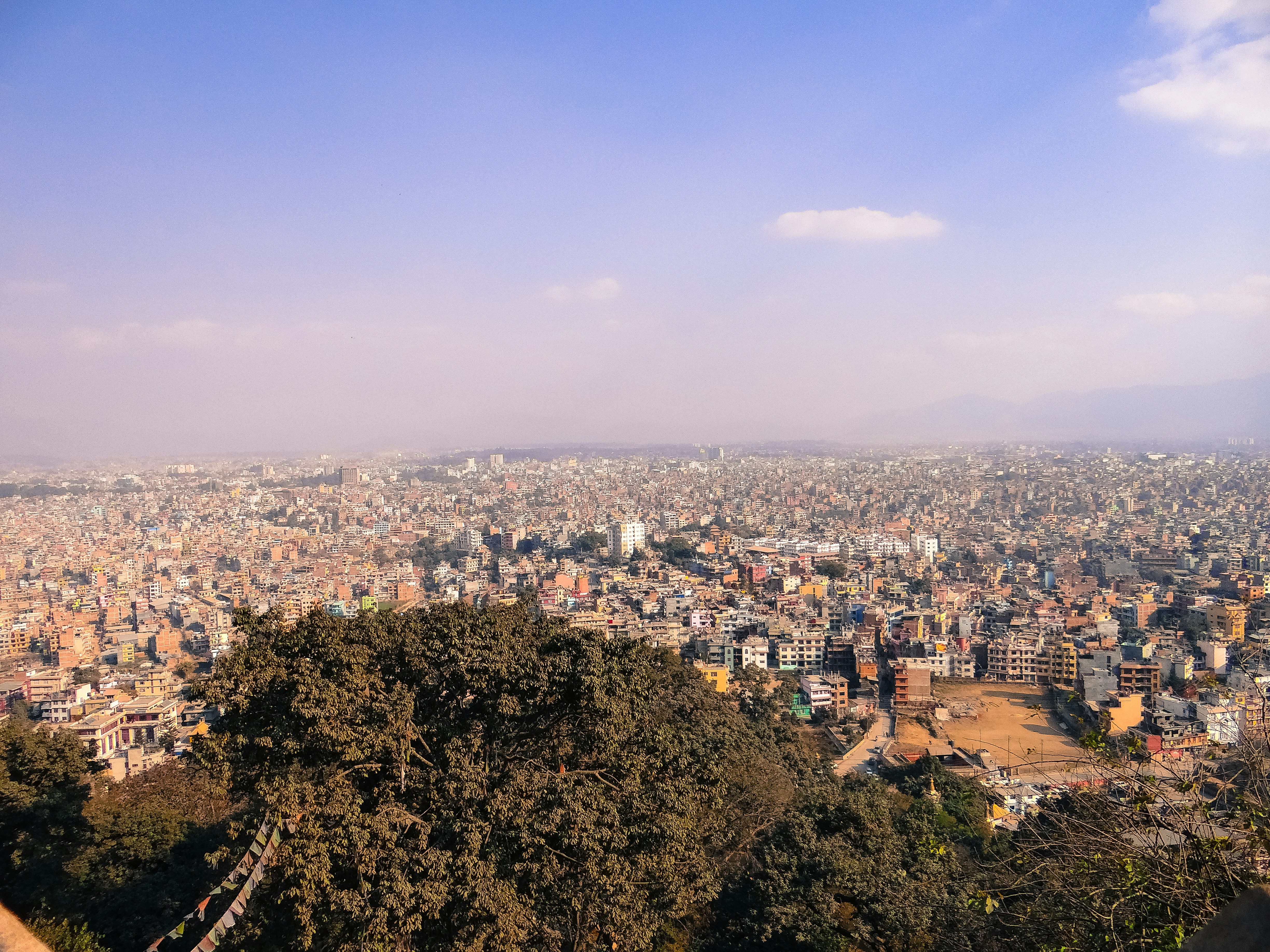
Nepal is one of Asia’s best-value destinations, and most travellers can keep daily spending relatively low without missing the highlights. As a rough planning guide, expect $20–30/day for budget travel, $50–80/day for mid-range comfort, and $150+/day for luxury, based on current Nepal travel cost roundups and budget guides. For the smartest planning, build your budget around accommodation, food, transport, and activity-heavy days like Pokhara, Kathmandu, or trekking routes.
Nepal daily expenses by travel style: budget, mid-range, and luxury
Your Nepal daily expenses will usually fall into three clear bands: budget, mid-range, or luxury. Budget travellers can comfortably keep costs near $20–30 per day by staying in guesthouses, eating dal bhat and local meals, and using buses or walking; mid-range travellers often spend $50–80 per day for private rooms, better restaurants, and more taxis; luxury trips start around $150 per day and rise quickly with boutique hotels, private drivers, and premium dining. Lonely Planet notes hostel beds can start around Rs 400, basic rooms for two from Rs 1,500, and Kathmandu-to-Pokhara buses from roughly Rs 800–1,300, which shows how far a careful budget can stretch. A practical example: a backpacker in Kathmandu might spend on a dorm bed, two meals, a bus ride, and a few entry fees, while a comfort traveller could add a private hotel room, airport taxi, coffee stops, and a guided day trip. For connectivity, many travellers add Hello eSIM for Nepal before arrival so they can book rides, check maps, and track spending from the moment they land.
Nepal travel budget breakdown: accommodation, food, transport, and activities
The easiest way to estimate how much a Nepal trip cost is to break it into four daily buckets. Accommodation is usually the biggest variable in Kathmandu, Pokhara, and trekking towns, while food and local transport stay affordable if you eat like a local. In a budget plan, you might spend $5–8 on a guesthouse bed or basic room, $5–10 on food, $2–5 on transport, and $2–5 on small fees or activities. A mid-range traveller might budget $15–30 for accommodation, $10–25 for food, $5–20 for transport, and $5–20 for entrances or guided experiences. Luxury travellers should allow for $80+ on hotels, plus higher restaurant bills, private transfers, and fee-based activities. Here is a simple comparison for planning: | Travel style | Accommodation | Food | Transport | Activities | Daily total | |---|---:|---:|---:|---:|---:| | Budget | $5–8 | $5–10 | $2–5 | $2–5 | $20–30 | | Mid-range | $15–30 | $10–25 | $5–20 | $5–20 | $50–80 | | Luxury | $80+ | $30+ | $20+ | $20+ | $150+ | These ranges are consistent with budget guides that place frugal travel near $20–30/day and comfortable travel closer to $50–80/day.
Money tips for Nepal: how to save without sacrificing the experience
Small daily choices can cut your Nepal budget by 20–40% without making the trip feel stripped back. Eat at local bhattis and order dal bhat, which is usually the best-value meal because it is filling and often comes with refills; in tourist hubs like Thamel and Lakeside Pokhara, prices rise faster, so stepping just a few streets away usually saves money. Use public buses for intercity routes when time is flexible, and only upgrade to tourist buses or private cars when comfort matters more than cost. If you are trekking, remember that teahouse rates, permits, guide fees, and meal prices can change your daily total more than anything else, especially on popular routes like Annapurna or Everest regions. Cash is still important in many places, so it helps to track withdrawals and small purchases carefully rather than guessing at the end of the day. The Hello app’s budget tracking and expense splitting features are useful here, especially if you are sharing rooms, taxis, or guide costs with friends and want to keep every rupee and dollar organized.
Common questions about Nepal travel cost
Most travellers ask the same question: how much should I budget per day in Nepal, and the answer depends on comfort level and itinerary. If you travel like a backpacker, $20–30/day is realistic in cities and cheaper towns; if you want a private room, nicer meals, and the occasional taxi, $50–80/day is a better target; if you want boutique hotels, private transport, and premium experiences, plan for $150+/day. Another common question is whether Nepal is cheaper in Kathmandu or Pokhara: both can be affordable, but the tourist-heavy areas of Thamel and Lakeside usually cost more than local neighbourhoods. Travellers also ask if trekking is included in the same budget; it usually is not, because permits, guides, and mountain logistics can push trekking days into a higher bracket. For staying connected and managing trip logistics, an eSIM from Hello can be a simple add-on before arrival, especially if you want to navigate, message hotels, and log expenses without hunting for local SIM cards after landing.
How to plan your Nepal trip budget by trip length
A realistic Nepal budget gets easier once you multiply the daily total by your trip length and add a buffer for transit and surprises. For a 7-day budget trip, plan around $140–210 before international flights; for a 10-day mid-range trip, expect roughly $500–800; and for a 14-day comfort itinerary, a sensible planning range is $700–1,120+, depending on hotel level and how often you take private transport. If you are combining cities and trekking, build a separate line for trek days because daily costs usually jump when permits, guides, and mountain meals are included. It also helps to keep a contingency fund of about 10–15% for extra taxis, ATM fees, museum entry, or a splurge dinner in Kathmandu or Pokhara. Travelers who like clean bookkeeping can use Hello’s multi-currency budget tracking to record spending in NPR and home currency at the same time, which makes it much easier to see whether you are still on target mid-trip.
Explore These Destinations
Stay Connected
Book this trip
Compare options on trusted travel sites
Plan flights for this trip
Continue to a reviewed booking partner to check current routes, fares, and terms.

Track your Nepal trip budget
Split expenses with friends, track spending by category, and see real-time currency conversions — all in one app.
Related Articles
Nepal Safety Guide: Tips for a Safe Trip
Safety tips, health advisories, emergency contacts, common scams, and travel insurance advice for Nepal.
20 July 2026
Nepal Visa & Entry Requirements for Singapore Passport Holders
Visa requirements, passport validity, customs allowances, and entry tips for Singapore citizens travelling to Nepal.
11 July 2026
eSIM for Nepal: Best Plans, Coverage, and Setup Tips
Everything you need to know about using eSIM in Nepal. Best data plans, network coverage, and setup instructions.
2 July 2026