Nepal Cultural Guide: Etiquette, Customs, and Tips
Essential do's and don'ts, greeting customs, dress codes, local phrases, and cultural tips for Nepal.
By Hello Travel Team
This article contains affiliate links. If you book through them, Hello may earn a commission at no additional cost to you. Our editorial recommendations are independent. Learn more.
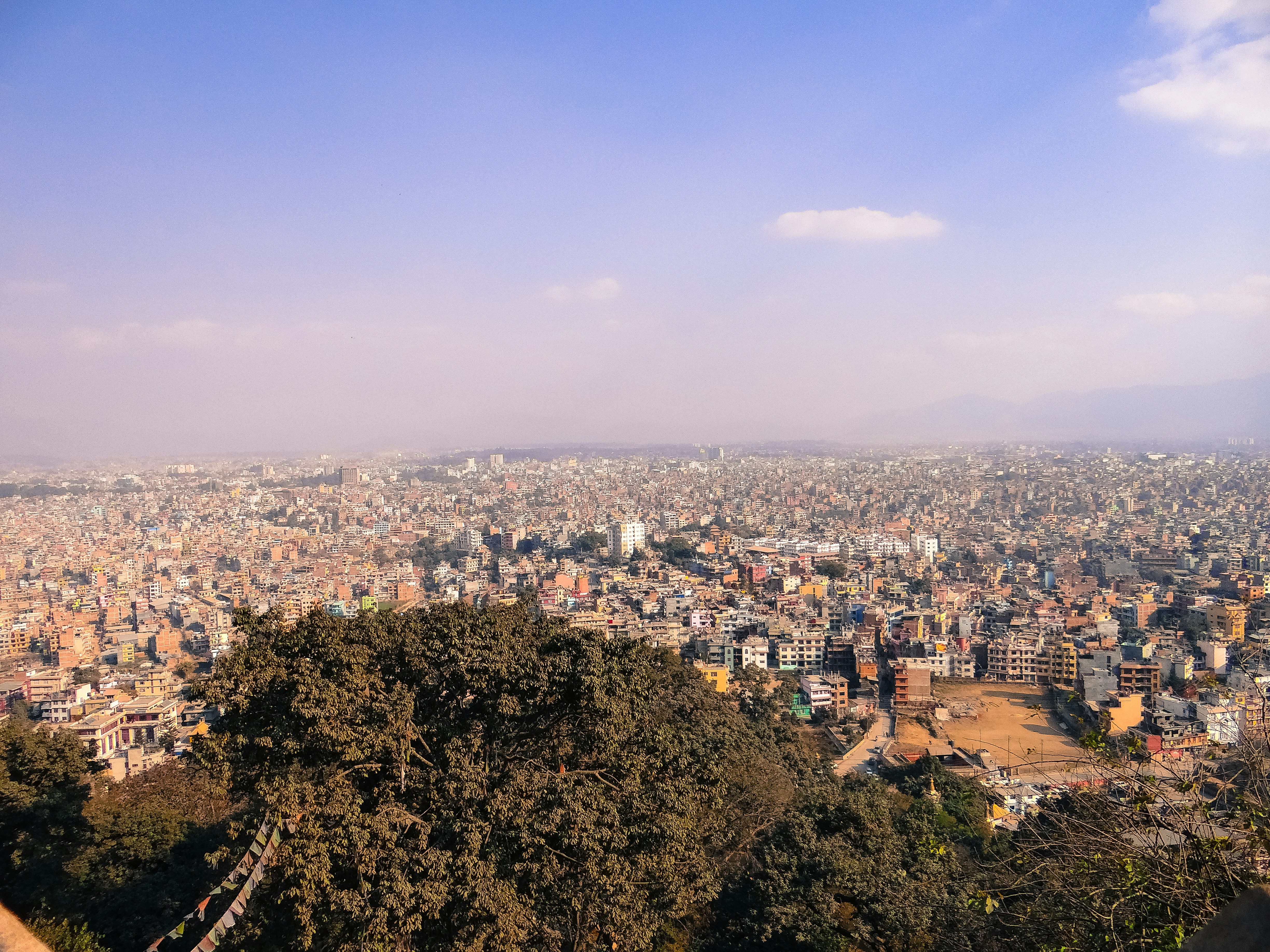
TL;DR: Essential Nepal Culture, Etiquette, and Customs at a Glance
Nepal culture is warm, respectful, and community-focused, so travellers are expected to dress modestly, remove shoes in homes and temples, use polite greetings like “Namaste,” and avoid public displays of affection. Understanding these basic Nepal etiquette rules will make your trip smoother and more meaningful.
If you remember three things about Nepal customs, make them these: show respect to elders, dress modestly (especially at religious sites), and be patient with slower, more relaxed daily rhythms. Handshakes are increasingly common in cities, but the traditional greeting with palms together and “Namaste” is always appropriate and appreciated.
Public transport and street life can feel chaotic, yet social interactions are generally gentle and polite, with indirect communication preferred over confrontation. The country welcomed over 1 million international tourists in 2023, according to Nepal’s Ministry of Culture, Tourism and Civil Aviation, and most report positive experiences when they follow basic local norms.
For connectivity and logistics, many travellers now use Hello’s eSIM plans to arrive with data already active, making it easier to message guesthouses, check temple opening times, and split expenses with friends on the go. Per Nepal tourism data, average daily spend for budget travellers in 2024 ranges around $35–50 including meals, accommodation, and local transport, so small cultural missteps are easily forgiven, but showing effort to understand Nepal dos and donts will deepen every interaction.
Greetings, Respect, and Everyday Nepal Etiquette Dos and Don’ts
The most important everyday etiquette tip in Nepal is to greet people with a smile and a respectful “Namaste,” use your right hand when giving or receiving items, and avoid touching anyone’s head or pointing your feet at people or religious objects. These simple habits instantly show cultural awareness.
In daily life, Nepal culture values respect and hierarchy. People commonly press their palms together at chest level and say “Namaste” when meeting, thanking, or saying goodbye. A light handshake is now common in business or urban settings, but the traditional greeting is safe across all situations, from trekking lodges to family-run guesthouses.
Key Nepal etiquette dos:
- Use your right hand (or both hands) when giving money, business cards, or gifts.
- Stand when elders enter the room, and offer them the best seat.
- Remove shoes before entering homes and many temples.
Important Nepal dos and donts:
- Don’t touch someone’s head; it is considered spiritually sensitive.
- Don’t step over people or food on the floor.
- Don’t show anger loudly in public; calm, indirect communication is preferred.
Public displays of affection are frowned upon, especially in rural areas. Holding hands with friends of the same gender is common, but kissing or hugging romantically in public is seen as disrespectful. When in doubt, observe how locals behave and follow their lead; it’s the easiest way to navigate Nepal customs respectfully.
Dress Codes, Temple Etiquette, and Photography Rules in Nepal
To respect Nepal customs at religious sites, dress modestly with covered shoulders and knees, remove shoes before entering temples or homes, ask permission before photographing people, and avoid touching sacred objects unless invited. Conservative, practical clothing is the safest choice across cities, villages, and trekking routes.
For temples, stupas, and monasteries, Nepal culture expects neat, modest dress. Women should avoid short skirts, low-cut tops, and tight clothing; men should skip tank tops and very short shorts. Lightweight long pants and a breathable long-sleeve shirt work well year-round, especially when visiting places like Swayambhunath, Boudhanath, or Pashupatinath in Kathmandu.
Basic temple etiquette dos and don’ts:
- Do walk clockwise around stupas and shrines.
- Do remove shoes (and sometimes hats) before entering inner temple areas.
- Don’t step over prayer offerings or touch statues unnecessarily.
- Don’t bring leather items into some Hindu temples, where they may be considered impure.
Photography etiquette is equally important. Always ask before taking close-up photos of people, especially monks, devotees, and children. In some temples and inner sanctums, photography is forbidden or subject to a small fee (often 100–200 NPR in 2025). Watch for signs or ask a caretaker politely.
In rural areas, people may be shy about cameras, but a friendly “Namaste, photo okay?” goes a long way. If someone declines, respect the answer; generous hospitality is part of Nepal etiquette, but it does not automatically include being photographed.
Business Etiquette, Meetings, and Gift-Giving Customs in Nepal
In Nepal business culture, punctuality, polite greetings, modest dress, and relationship-building are more important than aggressive negotiation, and small, thoughtful gifts from your home country are appreciated when exchanged respectfully with the right hand. Patience and humility consistently open more doors than hard bargaining.
Business meetings usually start with a greeting of “Namaste” or a handshake, followed by brief small talk about family, travel, or current events. Titles matter in Nepal customs: address people as “Sir,” “Madam,” or by professional titles (Dr., Professor) if known, and avoid overly casual first-name usage until invited.
Key business etiquette tips:
- Arrive on time or a little early, even if local schedules feel flexible.
- Present business cards with both hands or the right hand, with the printed side facing the recipient.
- Dress formally in Kathmandu (collared shirt and trousers for men; modest dresses, blouses, or salwar kameez for women).
Gift-giving is common but usually modest. Suitable gifts include:
- Small snacks or sweets from your home country.
- Quality stationery, books, or local crafts.
Avoid gifts made of leather for very devout Hindu contacts and steer clear of alcohol unless you are sure it is acceptable. Gifts are typically given with the right hand, sometimes wrapped in paper or a simple bag. They are often initially declined out of politeness, so a gentle second offer is normal.
For more casual interactions, such as meeting trekking guides or homestay hosts, a small box of chocolates, tea, or a shared meal can be a thoughtful gesture that aligns with Nepal culture of hospitality and reciprocity.
Local Holidays, Festivals, and Travel Planning Considerations in Nepal
Major Nepal festivals like Dashain and Tihar can bring vibrant celebrations, crowded transport, and temporary closures, so travellers should check dates, book tickets and hotels early, and allow extra time for journeys during October–November peak holiday seasons. Joining respectfully can be a highlight of your trip.
Dashain, Nepal’s biggest Hindu festival, typically falls in September or October and stretches over 10–15 days. Many offices close, families travel back to home villages, and bus tickets sell out quickly. According to Nepal tourism authorities, domestic travel peaks during Dashain week, so book intercity buses or flights at least a week in advance if you plan to move around the country.
Tihar (also known as Deepawali), usually in October or November, decorates cities with lights, candles, and rangoli designs outside doorways. Shops may have shortened hours, but street life feels festive, with music and gatherings. Holi, the spring festival of colors (often in March), brings water and colored powders thrown in the streets; wear older clothes and protect electronics.
Approximate impacts on travel (2025–2026):
| Festival | Typical Month | Travel Impact | | Dashain | Sep–Oct | Heavy bus demand, office closures, family travel | | Tihar | Oct–Nov | Festive evenings, some shop schedule changes | | Holi | Feb–Mar | Color and water on streets, possible transport delays |
Joining these celebrations is a rich way to experience Nepal culture, but ask locals how to participate respectfully, especially at religious rituals. Keep in mind that banks, government offices, and some businesses may close or operate on reduced hours during major holidays, affecting visa extensions or permits.
Staying Connected, Managing Costs, and Practical Nepal Dos and Don’ts
To travel smoothly in Nepal, stay connected with reliable mobile data, track expenses, and carry some cash, while still respecting local customs like bargaining politely and tipping modestly. A mix of digital tools and cultural awareness makes everyday logistics easier from Kathmandu to the Annapurna trails.
Mobile coverage is decent in major cities and popular trekking regions, though rural areas can still be patchy. Many travellers use an eSIM from Hello to arrive with data active, check maps, and message guesthouses without hunting for local SIM shops. A Hello eSIM for Nepal offers instant activation and lets you manage data use during longer treks.
Daily costs vary, but in 2026 you can expect roughly:
- Budget guesthouse in Kathmandu: $12–25 per night.
- Local meals at simple eateries: $3–6 per dish.
- Tourist buses between major cities: $10–20 per journey.
According to Nepal tourism statistics, average international visitor length of stay is often over 10 days, with many spending more on trekking permits and guides in regions like Everest and Annapurna.
Hello’s app can help track these costs with AI receipt scanning, voice expense entry, and multi-currency support if you’re splitting meals or trekking guide fees with friends. Nepal etiquette around money includes light bargaining in markets and for taxis, but aggressive haggling is frowned upon. Round up small amounts as a courtesy and tip guides and porters according to local norms explained by your trekking agency.
Cash (NPR) remains important in smaller towns, while cards are more common in upscale hotels and restaurants in Kathmandu and Pokhara.
Common Questions About Nepal Culture, Etiquette, and Customs (Q&A)
Most travellers’ common questions about Nepal culture and etiquette focus on greetings, dress codes, tipping, and how to avoid offending locals; the short answer is to be modest, polite, and curious, using “Namaste,” conservative clothing, and gentle communication as your guiding principles.
Q: What is the most important greeting in Nepal?
A: The standard greeting is “Namaste,” with palms pressed together at chest level. It’s used for arrivals, departures, and thanks. Handshakes are common in cities and business, but “Namaste” is always safe.
Q: How should I dress in Nepal, especially at religious sites?
A: Follow Nepal customs of modest dress: covered shoulders and knees for all genders, no very tight or revealing clothing, and shoes removed before entering many temples and homes.
Q: Is tipping expected in Nepal?
A: Small tips are appreciated but not strictly mandatory. In 2026, 5–10% at mid-range restaurants, and $5–10 per day for trekking guides (more for porters on multi-day treks), aligns with common Nepal etiquette practices.
Q: Can I take photos of people and temples?
A: Yes, but ask permission for close-ups and check for no-photo signs. Some inner sanctums charge a small photography fee.
Q: How can I stay connected and manage trip costs?
A: Use Hello’s eSIM connectivity and budgeting tools to share expenses, scan receipts in any currency, and keep track of spending while exploring Nepal. This helps with planning, especially during festivals or treks when prices and availability can change quickly.
Explore These Destinations
Stay Connected
Book this trip
Compare options on trusted travel sites
Plan activities for this trip
Continue to a reviewed booking partner to check schedules, inclusions, and terms.

Make the most of Nepal
From eSIM connectivity to expense tracking, Hello is the all-in-one companion that keeps your trip stress-free.
Related Articles
Nepal Safety Guide: Tips for a Safe Trip
Safety tips, health advisories, emergency contacts, common scams, and travel insurance advice for Nepal.
20 July 2026
Nepal Visa & Entry Requirements for Singapore Passport Holders
Visa requirements, passport validity, customs allowances, and entry tips for Singapore citizens travelling to Nepal.
11 July 2026
eSIM for Nepal: Best Plans, Coverage, and Setup Tips
Everything you need to know about using eSIM in Nepal. Best data plans, network coverage, and setup instructions.
2 July 2026