Key Takeaways
- ✓Madeira is a safe, year-round destination with an “eternal spring” climate and record tourism infrastructure as of 2026.
- ✓Plan roughly €60–€80 per day for budget travel, €120–€160 for mid-range comfort, and €350+ for luxury stays in Madeira.
- ✓Most non-EU, visa-exempt travellers to Madeira in 2026 need ETIAS authorization in addition to meeting standard Schengen passport rules.
- ✓Renting a car is the most flexible way to explore Madeira’s mountains and north coast; buses suit budget travellers and simple routes.
- ✓Hello eSIM offers the easiest, most flexible way to stay connected for navigation, bookings, and expense tracking in Madeira.
- ✓Must-do experiences include a Pico do Areeiro sunrise, at least one levada walk, the Porto Moniz natural pools, and time in Funchal.
- ✓A bit of Portuguese, awareness of local customs, and a mix of card and cash payments make daily life smoother on the island.
- ✓Use this pillar guide together with detailed cluster articles for itineraries, budget planning, transport, safety, and cultural etiquette.
Madeira is the kind of place that quietly steals your heart: dramatic Atlantic cliffs, laurel forests wrapped in mist, pastel towns clinging to hillsides, and a climate nicknamed “eternal spring.” In 2026, the island is busier than ever, but still feels relaxed, safe, and surprisingly easy to explore.
This Complete Madeira Travel Guide 2026 is your one-stop trip planner. You’ll find at-a-glance decision tables for when to visit, how much to budget, and whether you really need a rental car. We’ll walk through visa and entry basics (including the new ETIAS rules), how to get around the island, what to eat, and how to stay connected with Hello eSIM.
You’ll also get direct links to deeper dives: detailed itineraries (3, 5, and 10 days), a full budget breakdown, cultural etiquette, currency and money tips, a safety guide, and a dedicated eSIM article. Think of this pillar guide as your friendly, well-travelled companion: it won’t tell you every hiking trail or restaurant, but it will help you confidently answer the big questions—when to go, how much to spend, what to book ahead, and how to make the most of your time on this incredible island.
Why Visit Madeira in 2026
Madeira in 2026 is a safe, year-round destination with record tourism, great infrastructure, and still-untouched nature—perfect if you want dramatic landscapes, good food, and reliable connectivity without the crowds of mainland Europe.
Madeira is an autonomous Portuguese region in the North Atlantic, roughly 1,000 km southwest of Lisbon. As of 2025–2026, the island has hit record tourism numbers—over 12 million overnight stays and around 2.4 million guests—so you’re visiting a destination that’s well prepared for international travellers while still feeling intimate and relaxed.
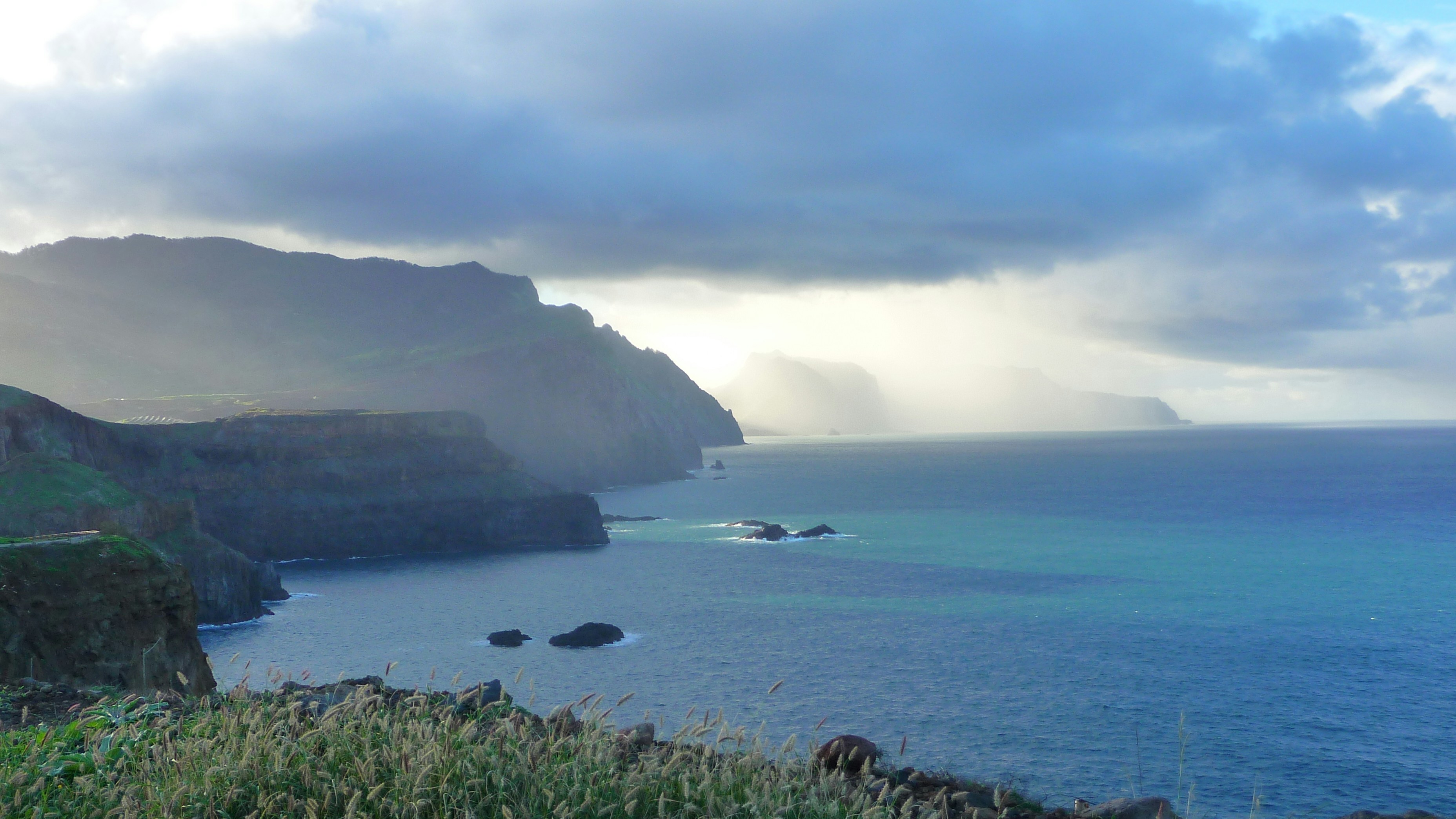
What makes people fall in love with Madeira is the contrast: cloud-tipped peaks and laurel forests, the levada irrigation channels turned into walking paths, volcanic rock pools at Porto Moniz, cliffside viewpoint decks like Cabo Girão, and a lively capital, Funchal, with waterfront promenades and cable cars. It’s more about nature, hiking, and slow travel than beaches.
Compared with classic trips to Japan or Thailand, Madeira is compact—you can cross the island by car in under two hours—but microclimates mean it feels like several destinations in one. In 2026, trail management has tightened on popular hikes, and demand is high, so planning ahead matters more than it did a few years ago.
This guide is your hub: use it to decide when to go, how long to stay, and what kind of trip suits you (short taster, hiking-focused week, or deep 10-day exploration), then jump into detailed itineraries via 3 Days in Madeira: A Day-by-Day Itinerary, Madeira in 5 Days: The Perfect Extended Itinerary, and Madeira in 10 Days: The Ultimate Travel Itinerary.
Best Time to Visit Madeira
Madeira is truly year-round, but 2026 travellers should choose their month based on priorities: hiking and flowers (Apr–Jun), warm sea and pools (Jul–Sep), or festive lights and fireworks (Dec–Jan). Use the table below to match your trip to the season.
Thanks to its subtropical Atlantic climate, Madeira rarely gets extreme temperatures: coastal averages hover around 16–24°C across the year, with cooler conditions in the mountains. Locals often call it "eternal spring." Still, the experience varies dramatically by season and altitude.
In 2026, most travel guides highlight three sweet spots:
- April–June: Best for levada walks and quiet trails. Hills are green, wildflowers are out, and it’s warm but not hot.
- July–September: Ideal for swimming, coastal stays, and longer days. Porto Moniz pools and coastal viewpoints shine.
- December–January: Famous New Year fireworks in Funchal and festive atmosphere—busy but magical.
Here’s an at-a-glance seasonal comparison:
| Season (approx.) | Weather & Temps | Crowd Level | Best For |
|---|---|---|---|
| Jan–Mar | Mild, changeable; 15–20°C coast | Low–medium | Calm escapes, budget trips |
| Apr–Jun | Stable, 17–23°C; lush hills | Medium | Hiking, flowers, photography |
| Jul–Sep | Warm, 20–26°C; driest | High | Swimming, road trips, families |
| Oct–Nov | Mixed, some rain; 16–22°C | Medium | Cheaper stays, flexible hikers |
| Dec–Jan | Mild; evenings cooler | High (holidays) | Fireworks, festive Funchal |
For a deeper month-by-month breakdown and how seasons affect specific routes and viewpoints, pair this overview with the day-by-day timing advice in 3 Days in Madeira: A Day-by-Day Itinerary, Madeira in 5 Days: The Perfect Extended Itinerary, and Madeira in 10 Days: The Ultimate Travel Itinerary.
Madeira Budget Overview: How Much to Plan Per Day
As of 2026, a realistic daily budget for Madeira ranges from about €60–€80 for careful backpackers to €120–€160 for mid-range comfort and €350+ for luxury. Prices have risen with record tourism, so planning your range up front is essential.
Madeira’s tourism revenue reached roughly €887 million in 2025, with room prices and RevPAR (revenue per available room) up double digits year-on-year. In practice, this means accommodation and car rentals cost more than a few years ago, though food and public transport remain good value.
Most travellers fall into three broad profiles:
- Budget: Hostels or simple guesthouses, bus transport, local eateries.
- Mid-range: Boutique hotels or apartments, rental car, mix of casual and sit-down dining.
- Luxury: Historic quintas, fine dining, private tours.
Here’s a synthesized 2026 budget table per person per day:
| Category | Budget Traveller | Mid-range Traveller | Luxury Traveller |
|---|---|---|---|
| Accommodation | €25–€40 (hostel/guesthouse) | €50–€90 (hotel/apartment) | €180+ (quintas, 5-star) |
| Food & Drinks | €20–€30 | €35–€55 | €80+ |
| Transport | €10–€15 (buses) | €25–€40 (rental car share) | €60+ (car + driver) |
| Activities | €5–€15 | €10–€25 | €40+ |
| Estimated Total | €60–€80 | €120–€160 | €350+ |
These figures assume 2026 pricing and moderate travel styles; your costs will vary with seasonality (summer and holidays are pricier) and how often you book guided tours or splurge on fine dining.
For a granular breakdown by day, plus money-saving strategies like card usage, ATMs, and splitting expenses with friends through the Hello app, use this overview alongside the Madeira Travel Budget Guide: Daily Costs and Money Tips and Madeira Currency & Money Guide: Exchange, Cards, and Tips.
Visa & Entry Requirements in 2026
In 2026, Madeira follows Schengen rules: many travellers get up to 90 days of stay in any 180-day period, but most non-EU visitors also need ETIAS pre-authorization. Always check requirements for your specific passport before booking flights.
Madeira is part of Portugal and the Schengen Area, so entry rules mirror mainland Portugal. As of 2026, travel authorities emphasize three key points:
- Schengen short stay rule: Many nationalities can enter visa-free for up to 90 days within a rolling 180-day period.
- ETIAS: A new electronic travel authorization is required for most non-EU, non-Schengen visitors, including travellers from places like Singapore, the UK, and several other visa-exempt countries.
- Passport validity: At least six months’ validity beyond your trip is strongly recommended.
For Singapore passport holders, entry-specific details—like exact visa status, passport validity rules, and customs allowances—are covered step by step in Madeira Visa & Entry Requirements for Singapore Passport Holders, so use that article if you’re travelling from Singapore.
A simple decision framework:
- You are an EU/Schengen citizen → You can typically travel using your national ID or passport, with freedom of movement.
- You are from a visa-exempt Schengen country group (e.g., Singapore, UK) → You generally do not need a traditional visa, but must have ETIAS approved before boarding to Madeira in 2026.
- You are from a country requiring a Schengen visa → You must apply for a short-stay Schengen visa through Portuguese or relevant consular authorities before travel.
Regardless of nationality, keep digital and printed copies of confirmations, insurance, and return flights. For nuanced guidance and up-to-date country-specific rules, use this overview together with Madeira Visa & Entry Requirements for Singapore Passport Holders and your government’s official advisory.
Getting Around Madeira: Car, Bus, and Beyond
Madeira’s roads are steep but modern, and in 2026 renting a car remains the best way to reach trailheads and the dramatic north coast. Buses work for budget travellers and simple routes, but they’re slower and don’t cover every highlight.
The island’s geography is dramatic—mountains rise quickly from the coast—so infrastructure relies on tunnels, viaducts, and winding secondary roads. Local travel guides consistently note that a rental car "makes the island" if you’re keen on hiking or exploring beyond Funchal, especially north-coast villages and high viewpoints.
Typical options:
- Rental car: Ideal for flexibility. In 2026, automatic cars are more common but often cost more; book early in peak months.
- Public buses: Serve Funchal and major towns reasonably well, but schedules can be infrequent, and some trailheads are hard to reach.
- Taxis and ride-hailing: Useful for airport transfers or specific trips, but costs add up compared with a multi-day car rental.
A simple planning table:
| Traveller Type | Recommended Transport | Pros | Cons |
|---|---|---|---|
| Hiking-focused | Rental car | Access to PR routes, sunrise/sunset viewpoints | Steep roads, parking at popular spots |
| Budget city-break | Buses + walking | Cheapest; easy in Funchal | Limited reach; slower journeys |
| Short stay (3 days) | Transfers + day tours | Minimal logistics; guided experiences | Less flexibility; higher per-day cost |
For first-timers, many local guides suggest basing in Funchal and renting a car from day two onward, using day one to adjust and explore the city on foot. Road conditions are generally good, but microclimates mean you should be ready for fog, wind, or rain at higher altitudes.
To dive into airport transfer options, specific bus lines, driving etiquette, and apps to use on the ground, pair this overview with Getting Around Madeira: Transport Guide for Travellers.
Food & Dining: What to Eat and How Much It Costs
Madeira’s food scene in 2026 blends traditional dishes—like espetada beef skewers and black scabbardfish—with modern bistros and cliffside fine dining. You can eat well on a budget, but mid-range travellers will appreciate room for a few special meals with ocean views.
Local cuisine leans into fresh fish, grilled meats, and tropical produce. Expect classics like espetada (garlic-marinated beef grilled on skewers), bolo do caco (flatbread with garlic butter), lapas (limpets cooked with garlic and butter), and black scabbardfish with banana, plus plenty of passion fruit and other island fruits. Madeira wine remains the signature drink, often enjoyed in small tasting rooms in and around Funchal.
Price-wise, as of 2026, you can still find everyday cafés serving set lunches and prato do dia (dish of the day) for modest sums, while mid-range restaurants with sea views charge more, especially in peak season. Thinking in daily terms, a budget traveller might spend €20–€30 on food and drinks, mid-range travellers €35–€55, and luxury travellers €80+ if they include wine pairings and tasting menus.
A simple decision guide:
- On a tight budget: Focus on local bakeries, snack bars, and prato do dia. Self-cater breakfast with supermarket runs.
- Comfort-focused: Mix local tavernas with a few destination restaurants—book those ahead, especially weekends.
- Foodie trip: Plan specific meals around viewpoints and sunset times; research tasting menus and book early.
For must-try dishes, typical menu prices, dietary tips, and restaurant recommendations, combine this high-level view with the dedicated Madeira Food Guide: Must-Try Dishes, Prices, and Tips.
Top Experiences & Suggested Itineraries
Madeira’s must-do experiences in 2026 are a sunrise above the clouds, at least one levada walk, the Porto Moniz natural pools, and time wandering Funchal—plus extra days if you want to slow down in the north and explore hidden viewpoints.
Core highlights repeatedly recommended by local and independent guides include:
- Pico do Areeiro sunrise: Drive up before dawn for sea-of-clouds views; weather can be unpredictable.
- Levada walks: Irrigation channels turned trails, from beginner-friendly routes to longer hikes through laurel forests.
- Porto Moniz natural pools: Volcanic rock pools filled by the ocean, popular in summer.
- Cabo Girão skywalk: Glass-floored cliff viewpoint over the sea and terraced fields.
- Funchal: Old town lanes, cable car to Monte, botanical gardens, and waterfront promenades.
Instead of prescribing a single "right" itinerary, use this simple duration matrix:
| Trip Length | Focus | Who It Suits |
|---|---|---|
| 3 days | Funchal + 1–2 big viewpoints/hikes | First-timers, short breaks |
| 5 days | Mix of city, levadas, and north coast | Active travellers, couples |
| 10 days | Deep exploration, multiple bases | Slow travellers, photographers |
For a short visit, prioritize one iconic sunrise, one levada, and one coastal day. On longer trips, consider splitting your stay: base in Funchal first, then spend a night or two in the north for wilder scenery.
To turn these high-level suggestions into hour-by-hour plans with specific routes, timings, and cost estimates, use the trio of itinerary articles: 3 Days in Madeira: A Day-by-Day Itinerary, Madeira in 5 Days: The Perfect Extended Itinerary, and Madeira in 10 Days: The Ultimate Travel Itinerary.
Connectivity in Madeira: Hello eSIM & Staying Online
In 2026, the simplest way to stay connected across Madeira’s coastlines and mountains is a Hello eSIM, which gives you instant data on arrival and works alongside local Wi‑Fi in hotels, cafés, and viewpoints.
Madeira’s terrain—with deep valleys, tunnels, and ridges—means mobile coverage can vary in the mountains, but overall 4G/5G connectivity in and around Funchal and most towns is strong. Using a Hello eSIM lets you avoid hunting for local SIM cards, queueing at kiosks, or dealing with physical card swaps; you install your plan digitally before departure and activate as you land.
A Hello eSIM is particularly helpful if you plan to:
- Navigate mountain roads and tunnels with live maps.
- Check real-time weather and trail conditions before committing to sunrise drives.
- Share expenses and track your group budget in the Hello app.
- Use ride-hailing or taxi apps, and stay reachable for accommodation hosts.
A basic comparison:
| Option | Best For | Pros | Cons |
|---|---|---|---|
| Hello eSIM | Most travellers | Instant activation, no physical card, good island-wide data | Requires eSIM-compatible phone |
| Hotel/restaurant Wi‑Fi | Budget-conscious | Free, widely available in cities | Patchy on the road/trails, less secure |
| Roaming from home carrier | Short trips | No setup if already enabled | Often more expensive, less control on data use |
To choose the right Hello eSIM data plan for your trip length, see coverage notes for key areas, and follow step-by-step installation guidance, use this overview together with eSIM for Madeira: Best Plans, Coverage, and Setup Tips.
Culture, Money, and Everyday Practicalities
Daily life in Madeira in 2026 feels relaxed and welcoming: card payments are widely accepted, tipping is modest, and local customs are friendly but not overly formal. A bit of Portuguese and cultural awareness goes a long way.
Culturally, you’re in Portugal, with island twists. Basic Portuguese greetings (bom dia, boa tarde, obrigado/obrigada) are appreciated, and dress codes are casual but respectful—especially in churches and rural areas. Sharing food, taking time over coffee, and greeting staff politely are all part of the rhythm of the island.
On the money side, Madeira uses the euro, and card acceptance is strong in hotels, restaurants, and supermarkets. Smaller family-run places and remote stops may still prefer cash, so carrying some euros is wise. ATMs are available in towns, and you can track and split expenses among friends using the Hello app’s budgeting tools.
Think of the practical side in three pillars:
- Culture & etiquette: Learn basics to avoid unintentional faux pas; island communities are close-knit.
- Currency & payments: Combine cards with a small cash cushion; check your bank’s fees before departure.
- Budget handling: Use apps like Hello to monitor spending, especially when costs rise in peak season.
For detailed do’s and don’ts, cultural faux pas to avoid, money-saving strategies, and practical advice on exchange, ATMs, and tips, use this overview alongside Madeira Cultural Guide: Etiquette, Customs, and Tips and Madeira Currency & Money Guide: Exchange, Cards, and Tips.
Safety, Health, and Travel Logistics
Madeira is considered a safe destination in 2026, with low crime rates, good healthcare, and well-maintained infrastructure. The main risks for travellers are hiking-related (weather, cliffs, narrow paths) rather than crime, so preparation matters more than worry.
Local statistics and reporting show that tourism numbers and revenues have grown rapidly since 2024, with overnight stays and guest arrivals hitting record highs. This growth has come alongside infrastructure improvements and continued emphasis on visitor safety. Violent crime affecting tourists remains rare; typical incidents tend to be petty issues like unattended belongings or distracted behaviour in busy areas.
Health-wise, Portugal’s healthcare system is robust, and Madeira has hospitals and clinics in Funchal and other towns. Standard advice in 2026 is to travel with comprehensive insurance that covers hiking, car rental, and cancellation. Microclimates and elevation can bring sudden changes in weather, so hypothermia, sunburn, and slips on wet paths are more realistic concerns than serious crime.
To stay safe:
- Check weather forecasts before mountain or levada hikes.
- Wear proper footwear and carry layers; conditions shift quickly between coast and peaks.
- Drive cautiously on steep or narrow roads, especially at night.
- Keep digital copies of documents and emergency contact numbers handy.
For emergency numbers, common scams, health advisories, and a deeper checklist of what to insure for, pair this overview with Madeira Safety Guide: Tips for a Safe Trip.
Before You Go: 2026 Madeira Checklist
Before you fly to Madeira in 2026, make sure you’ve confirmed entry rules, booked key experiences, set up Hello eSIM, and reserved a rental car if you plan to explore beyond Funchal. A simple checklist can save both money and time.
Madeira’s rising popularity—guest numbers and overnight stays reached all-time highs in 2025—means the old advice of "just wing it" is less reliable, especially in peak seasons. Flights, scenic accommodations, and rental cars all book out earlier, and some high-demand hiking routes may require additional planning or reservations.
Use this pre-departure checklist as a starting point:
-
Documents & entry
- Check if you need ETIAS or a Schengen visa for Portugal.
- Confirm passport validity (aim for 6+ months beyond travel).
-
Flights & stays
- Book flights into Madeira Airport (FNC).
- Reserve accommodation in Funchal and any secondary bases (e.g., north coast).
-
Transport & connectivity
- Decide whether to rent a car; book early for automatics.
- Install and test your Hello eSIM profile before departure.
-
Budget & money
- Set a daily budget based on your travel style (budget/mid-range/luxury).
- Notify your bank and check card/ATM fees.
-
Itinerary & experiences
- Choose between 3, 5, or 10-day itineraries depending on your available time.
- Pre-book high-priority activities or viewpoints where necessary.
For a more detailed, step-by-step prep flow—covering visa specifics, transport options, safety planning, and cost breakdowns—use this checklist together with Madeira Visa & Entry Requirements for Singapore Passport Holders, Getting Around Madeira: Transport Guide for Travellers, Madeira Safety Guide: Tips for a Safe Trip, and Madeira Travel Budget Guide: Daily Costs and Money Tips.
Frequently Asked Questions
Is Madeira a good destination to visit year-round?
Yes. Madeira’s subtropical climate keeps coastal temperatures roughly between 16–24°C across the year, earning it the nickname “eternal spring.” In 2026, guides generally recommend April–June for hiking and flowers, July–September for swimming, and December–January for festive lights and fireworks.
How many days do I need in Madeira for a first trip?
Most travellers find 5–7 days ideal to cover the headline experiences: a Pico do Areeiro sunrise, a levada walk, Porto Moniz pools, Cabo Girão, and time in Funchal. Shorter trips of 3 days work for a taster city break, while 10 days allow slower travel and multiple bases around the island.
Do I need a visa or ETIAS to visit Madeira in 2026?
Madeira follows Schengen Area rules. Many nationalities can visit visa-free for up to 90 days in any 180-day period, but as of 2026 most non-EU travellers from visa-exempt countries must have an approved ETIAS authorization before boarding. Always check the latest requirements for your specific passport and trip purpose.
Is renting a car necessary in Madeira?
Not strictly, but strongly recommended if you want to explore beyond Funchal. Local guides emphasize that a hire car is the best way to reach levada trailheads, mountain viewpoints, and the dramatic north coast, whereas buses are slower and don’t reach every highlight. Budget travellers can rely on buses and occasional taxis.
How expensive is Madeira compared with other European destinations?
As of 2026, Madeira offers good value compared with many mainland European hotspots, but prices have risen with record tourism. A mid-range traveller should budget roughly €120–€160 per day, covering a rental car, comfortable accommodation, and meals. Budget travellers can aim for €60–€80, while luxury trips can exceed €350 per day.
Is Madeira safe for solo travellers and families?
Yes. Madeira is considered a safe destination with low crime rates and solid infrastructure. The main risks are nature-related—steep trails, sudden weather changes, and mountain roads—rather than crime. In 2026, authorities and guides continue to emphasise standard precautions and proper preparation for hikes and drives over fear.
What’s the best way to stay connected in Madeira?
In 2026, a Hello eSIM is the most straightforward way to stay online across Madeira’s varied terrain, letting you install data digitally before departure and use it immediately on arrival. Combined with hotel and café Wi‑Fi, it supports navigation, messaging, bookings, and expense tracking via the Hello app throughout your trip.
eSIM Plans for Madeira
Detailed Articles
Dive deeper into specific topics covered in this guide.
3 Days in Madeira: A Day-by-Day Itinerary
A detailed 3-day itinerary for Madeira with daily activities, costs, neighborhoods, and transport tips.
13 June 2026
Madeira in 5 Days: The Perfect Extended Itinerary
A detailed 5-day itinerary for Madeira with daily activities, costs, neighborhoods, and transport tips for an extended stay.
7 May 2026
Madeira in 10 Days: The Ultimate Travel Itinerary
A comprehensive 10-day itinerary for Madeira covering top attractions, hidden gems, daily costs, and transport between cities.
21 June 2026
Madeira Travel Budget Guide: Daily Costs and Money Tips
How much does it cost to travel in Madeira? Daily budget breakdowns for budget, mid-range, and luxury travellers.
26 February 2026
Madeira Currency & Money Guide: Exchange, Cards, and Tips
Currency exchange, credit card acceptance, ATM tips, tipping culture, and money-saving advice for Madeira.
28 July 2026
Madeira Visa & Entry Requirements for Singapore Passport Holders
Visa requirements, passport validity, customs allowances, and entry tips for Singapore citizens travelling to Madeira.
10 July 2026
Getting Around Madeira: Transport Guide for Travellers
Airport transfers, public transport, ride-hailing apps, inter-city travel, and driving tips for Madeira.
26 May 2026
Madeira Food Guide: Must-Try Dishes, Prices, and Tips
Best local dishes, street food, restaurant prices, dietary options, and food safety tips for Madeira.
17 May 2026
More Travel Guides
Destination Guide
Complete Sint Maarten (Dutch Part) Travel Guide 2026
Everything you need to know about travelling to Sint Maarten (Dutch Part) — budget, visa, food, transport, eSIM connectivity, and itineraries.
Destination Guide
Complete Eswatini Travel Guide 2026
Everything you need to know about travelling to Eswatini — budget, visa, food, transport, eSIM connectivity, and itineraries.
Destination Guide
Complete Sweden Travel Guide 2026
Everything you need to know about travelling to Sweden — budget, visa, food, transport, eSIM connectivity, and itineraries.
Destination Guide
Complete Romania Travel Guide 2026
Everything you need to know about travelling to Romania — budget, visa, food, transport, eSIM connectivity, and itineraries.