Getting Around Nepal: Transport Guide for Travellers
Airport transfers, public transport, ride-hailing apps, inter-city travel, and driving tips for Nepal.
By Hello Travel Team
This article contains affiliate links. If you book through them, Hello may earn a commission at no additional cost to you. Our editorial recommendations are independent. Learn more.
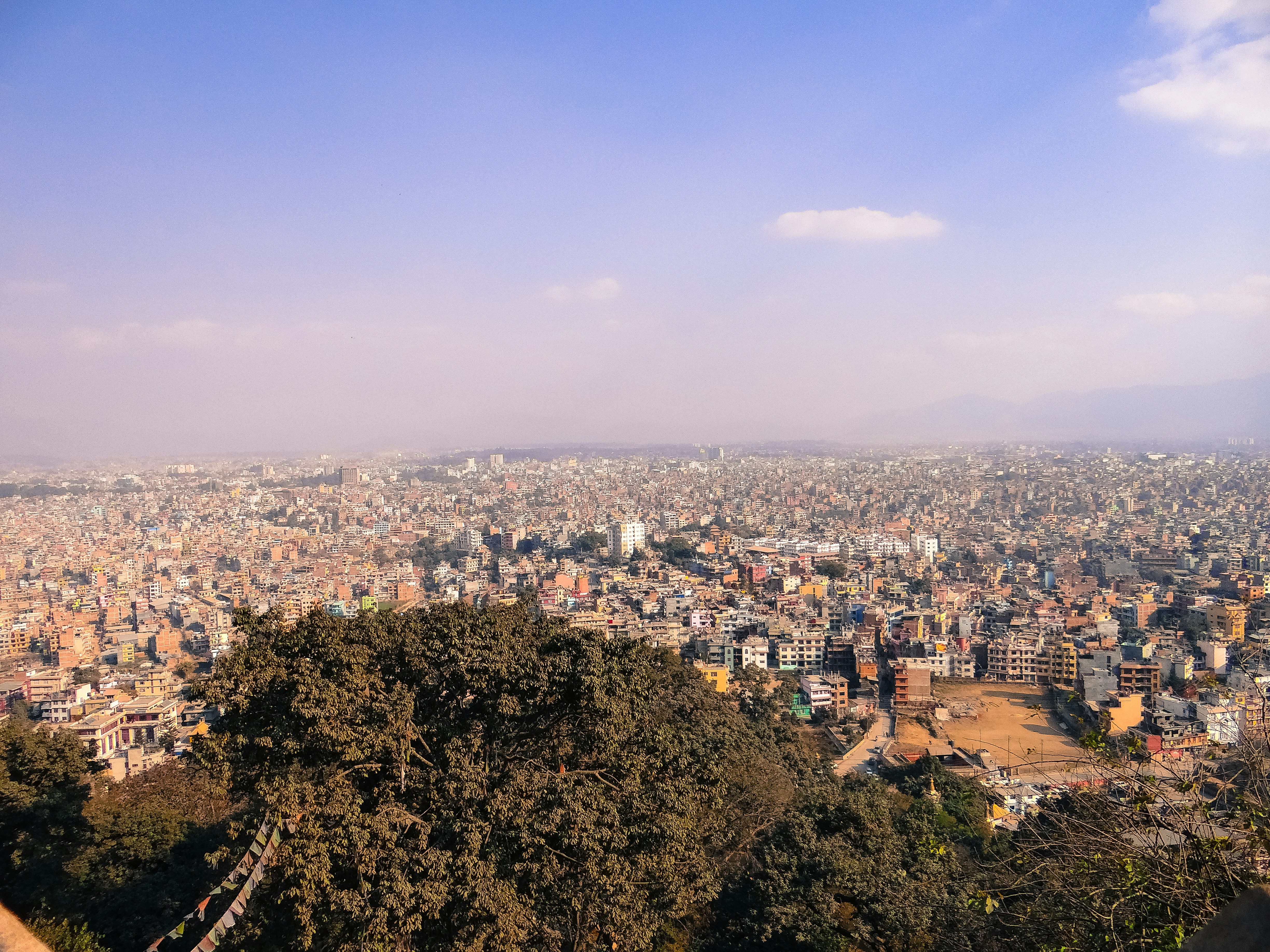
TL;DR: Getting Around Nepal is Affordable, Flexible, and Best Planned in Advance
Getting around Nepal is easiest when you combine airport transfers, taxis, buses, and shared jeeps depending on the route and your comfort level. In Kathmandu and Pokhara, short taxi rides are inexpensive, while inter-city travel is usually done by tourist bus, local bus, or domestic flight; for ride-hailing and maps, a Hello eSIM keeps you connected from the moment you land.
Nepal Airport Transfer Guide: Kathmandu, Pokhara, and What to Pay
Airport transfers in Nepal are simple to arrange, but prices vary a lot depending on whether you use an official taxi, a pre-booked hotel pickup, or a ride-hailing app. In Kathmandu, a licensed taxi from Tribhuvan International Airport to Thamel commonly costs about NPR 700–1,200 in 2026, while a hotel-arranged private transfer may run NPR 1,200–2,500 depending on vehicle size and wait time. In Pokhara, transfers from the airport to Lakeside are usually cheaper, often around NPR 500–1,000 by taxi. Official airport taxis are the safest walk-up option if you land late, but always confirm the fare before you depart because meters are not always used consistently. If you want a smoother arrival, pre-booking through your hotel or driver can save time after a long international flight. For travellers who want to compare pickup messages, maps, and driver contacts on the spot, an eSIM from Hello is handy because it works as soon as you arrive. Hello eSIM for Nepal
Nepal Public Transport Guide: Buses, Microbuses, and Local Travel Basics
Nepal public transport is cheap, crowded, and very local, so it works best for flexible travellers on short city hops and budget inter-city trips. Kathmandu Valley does not have a metro or train network for everyday travellers, so most local movement happens by public bus, microbus, tempo, and taxi. City bus fares in Kathmandu are usually around NPR 20–50 for typical short trips, while microbuses and tempos can cost a little more for faster, more direct service. There is no national transit card system comparable to an Oyster or Suica card, so most fares are paid in cash when you board. Buses are best used for saving money, not for fixed schedules; they can be slow during rush hour and signage is often limited. If you are exploring major districts like Thamel, Patan, Boudhanath, or Lakeside in Pokhara, taxis or ride-hailing apps are easier than trying to navigate bus routes on your first day. For live directions, route checks, and booking support, Hello eSIM data makes a big difference because many local transport details are easiest to manage on your phone.
Ride-Hailing Apps in Nepal: Best Options, Costs, and Mobile Data Tips
Ride-hailing is one of the most convenient ways to get around Nepal’s cities, especially when you have mobile data and need a clear fare estimate. In Kathmandu and Pokhara, the most commonly used app is Pathao, while inDrive is also widely used for negotiated rides and local pricing flexibility. Availability can vary by neighborhood and time of day, so it is smart to keep a taxi backup for early mornings, rainy weather, or airport departures. Typical short city rides in Kathmandu often fall in the NPR 200–600 range, depending on distance, traffic, and surge demand; airport trips and longer cross-town rides cost more. Compared with street-hailing, app-based rides are often easier if you do not speak Nepali, since the pickup point and fare are usually clearer. Mobile data is essential here for driver contact, live location sharing, and map navigation, so arriving with a Hello eSIM already activated can save you from the hassle of hunting for Wi‑Fi. If you plan to split rides with friends, the Hello app also helps with expense splitting and budget tracking, which is useful when several people are sharing airport transfers and city taxis.
Inter-City Transport in Nepal: Tourist Buses, Local Buses, and Domestic Flights
For long distances, Nepal is usually a bus-or-flight country, with tourists choosing road travel for scenery and domestic flights for speed. The most popular overland route is Kathmandu to Pokhara, where tourist buses often cost about NPR 1,200–2,500 one way in 2026, depending on the bus class and pickup point. Local buses are cheaper but less comfortable, and shared jeeps are common for smaller towns, mountain gateways, and flexible departures. Domestic flights are the fastest option for routes such as Kathmandu to Pokhara or Bharatpur, but fares fluctuate widely and can be several times the bus price, especially in peak season or when purchased late. Road conditions in Nepal can be affected by monsoon rain, landslides, and traffic congestion, so the “cheapest” option is not always the quickest or most reliable. For many travellers, the smartest approach is to use buses for scenic daylight routes and flights only when timing matters. A data connection from Hello helps you track delays, check bus pickup points, and coordinate with drivers or hotels when plans change.
Driving in Nepal: Rental Cars, Road Rules, and International Driving Permit Requirements
Driving in Nepal is possible, but it is best suited to confident drivers who are prepared for mountain roads, traffic chaos, and inconsistent signage. Tourists can rent cars in Kathmandu and Pokhara, usually with a driver rather than self-drive, because local conditions are challenging and many rental companies prefer chauffeur service. Where self-drive is available, travelers should carry an International Driving Permit (IDP) along with their home license, and rental companies may still ask for a passport, deposit, and local contact number. Daily car rentals with driver often start around NPR 5,000–10,000+ depending on distance, vehicle type, and fuel arrangements, while self-drive pricing can be lower but is less common for foreign visitors. Expect narrow lanes in old city areas, heavy horn use, motorcycles weaving through traffic, and frequent roadworks outside urban centers. If you are planning a road trip from Kathmandu to Pokhara or into hill regions, build in extra time and avoid night driving where possible. Navigation apps are much more reliable when you have mobile data, so an eSIM from Hello is useful for live routing, hotel coordination, and roadside communication.
Common Questions About Nepal Transport: Costs, Safety, and the Easiest Way to Travel
The easiest way to get around Nepal depends on distance: use taxis or ride-hailing for cities, buses for budget inter-city travel, and domestic flights when time matters.
| Question | Short Answer |
|---|---|
| Is public transport easy in Nepal? | It is cheap and widely available, but it is not always well signposted or punctual. |
| Do Nepal taxis use meters? | Sometimes, but many rides are still negotiated in advance. |
| What is the best app for rides? | Pathao and inDrive are among the most useful in Kathmandu and Pokhara. |
| Do I need cash for transport? | Yes, cash is still important for buses, taxis, and many shared vehicles. |
| Can I use my phone for navigation on arrival? | Yes, and having a Hello eSIM means you can do that immediately. |
If you are landing in Kathmandu, the most practical first move is usually an airport taxi into your hotel, then a mix of ride-hailing and short taxi trips in town. For longer trips, compare tourist bus comfort against domestic flight convenience before booking. If your itinerary includes multiple cities, the Hello app is especially useful because it combines connectivity, budget tracking, and expense splitting in one place, which keeps transport costs easier to manage on the road.
Explore These Destinations
Stay Connected
Stay connected in Nepal
Get an eSIM before you land. Hello gives you instant data in 200+ countries — no SIM swaps, no roaming fees.
Related Articles
Nepal Safety Guide: Tips for a Safe Trip
Safety tips, health advisories, emergency contacts, common scams, and travel insurance advice for Nepal.
20 July 2026
Nepal Visa & Entry Requirements for Singapore Passport Holders
Visa requirements, passport validity, customs allowances, and entry tips for Singapore citizens travelling to Nepal.
11 July 2026
eSIM for Nepal: Best Plans, Coverage, and Setup Tips
Everything you need to know about using eSIM in Nepal. Best data plans, network coverage, and setup instructions.
2 July 2026