3 Days in Nepal: A Day-by-Day Itinerary
A detailed 3-day itinerary for Nepal with daily activities, costs, neighborhoods, and transport tips.
By Hello Travel Team
This article contains affiliate links. If you book through them, Hello may earn a commission at no additional cost to you. Our editorial recommendations are independent. Learn more.
- 1
Classic Kathmandu: Durbar Square, Swayambhunath & Thamel
- MorningAirport transfer to Thamel or Durbar Square~$10
- Late MorningExplore Kathmandu Durbar Square & Kumari Ghar~$12
- MiddayLocal lunch near Durbar Square or Asan Bazaar~$6
- AfternoonTaxi to Swayambhunath (Monkey Temple)~$4
- AfternoonVisit Swayambhunath & viewpoints~$3
- EveningStroll and shop around Thamel
- EveningDinner in Thamel (momos, dal bhat or Newari set)~$15
ThamelKathmandu Durbar Square areaSwayambhunathAsan BazaarUse prepaid or metered taxis from the airport to Thamel (~$8–12). Intra-city taxi rides between Thamel, Durbar Square, and Swayambhunath cost about $2–5 per trip in 2026; always confirm the fare before starting.
Budget$30Mid-range$60Luxury$150 - 2
Spiritual Sites: Pashupatinath, Boudhanath & Patan
- MorningTaxi from Thamel/Lazimpat to Pashupatinath Temple~$4
- MorningVisit Pashupatinath ghats and temple complex~$10
- MorningBreakfast/tea near Pashupatinath~$4
- Late MorningTaxi to Boudhanath Stupa~$3
- Late MorningWalk kora at Boudhanath and visit monasteries~$3
- MiddayRooftop lunch overlooking Boudhanath~$10
- AfternoonTaxi to Patan Durbar Square~$6
- AfternoonExplore Patan Durbar Square & Patan Museum~$12
- EveningDinner in Patan (courtyard or rooftop restaurant)~$18
- EveningTaxi back to hotel (Thamel/Lazimpat/Patan)~$4
PashupatinathBoudhanathPatan (Lalitpur)ThamelLazimpatCluster visits to Pashupatinath and Boudhanath (15–20 minutes apart) to save on taxi time. Patan is 30–40 minutes from Boudhanath by taxi (~$4–7). Keep small NPR notes for taxis; meters are not always used, so agree prices in advance.
Budget$35Mid-range$70Luxury$180 - 3
Bhaktapur & Farewell to Kathmandu Valley
- MorningTaxi from Kathmandu/Patan to Bhaktapur~$10
- MorningBhaktapur Durbar Square ticket & old town exploration~$18
- Late MorningTry juju dhau (Bhaktapur king curd)~$2
- MiddayLunch in Bhaktapur (Newari cuisine)~$8
- AfternoonReturn taxi to Kathmandu or direct to airport~$10
- AfternoonOptional cooking class or last-minute shopping~$30
- EveningFarewell cultural dinner or early airport snack~$25
Bhaktapur Durbar SquareThamelPatanTribhuvan International Airport areaBhaktapur is 45–60 minutes by taxi from central Kathmandu or Patan (~$7–12). For evening flights, consider going from Bhaktapur directly to the airport to avoid backtracking. Traffic can be heavy at peak hours, so allow extra time for transfers.
Budget$30Mid-range$70Luxury$190
Trip Summary
Trip starter
Turn this 3-day itinerary into a Hello trip
Start with a prefilled trip for Nepal, then add dates, invite friends, track expenses, and pick an eSIM before you land.
Name and destination carried into the app.
Split costs and settle up during the trip.
Choose data for the destination before departure.
TL;DR: A Perfect 3-Day Nepal Itinerary in Kathmandu Valley
A 3-day Nepal itinerary is best spent in Kathmandu Valley, combining ancient temples, vibrant neighborhoods, and short scenic side trips with easy logistics. In 72 hours you can explore Kathmandu, Patan, and Bhaktapur while keeping daily costs predictable using Hello’s budget tracking and expense-splitting features.
Think of this Nepal 3 day itinerary as a triangle between Kathmandu Durbar Square, Pashupatinath & Boudhanath, and the medieval cities of Patan and Bhaktapur—all within about an hour’s drive of each other. Taxis are cheap compared to Western cities (usually $3–8 per ride in 2026 inside the city), and entrance fees for major heritage sites range from about $7–15 per site for foreigners, according to the Nepal Tourism Board and recent visitor reports.
For connectivity, an eSIM from Hello lets you land in Kathmandu with instant data, so you can order taxis, check maps, and translate menus the moment you arrive. You can also log every momo plate and temple ticket in the Hello app, which uses AI receipt scanning and automatic currency conversion to keep your Nepal travel plan on budget, even when you’re splitting costs with friends.
This guide focuses on Kathmandu-based days, with optional side trips but no internal flights—ideal if you have a long weekend or are adding Nepal as a short stop on a broader Asia itinerary.
Day 1: Classic Kathmandu – Durbar Square, Swayambhunath & Thamel
Day 1 of a Nepal 3 day itinerary is best spent in central Kathmandu, exploring Durbar Square’s palaces, climbing to Swayambhunath for sunset views, and ending in lively Thamel for dinner and shopping, all within 20–30 minutes’ drive between each stop in normal traffic.
Morning (8:00–13:00): Arrival & Kathmandu Durbar Square
Land at Tribhuvan International Airport (KTM) and take a prepaid taxi or ride-hail into the city (around $8–12 in 2026 for Thamel or Durbar Square, rates based on recent traveler reports and local operators). Drop bags at your hotel, then walk or taxi to Kathmandu Durbar Square, the historic royal complex. Foreigners pay roughly $10–12 entry (valid for multiple days if you get it stamped). Spend 2–3 hours exploring Hanuman Dhoka Palace, the courtyards, and Kumari Ghar, where the living goddess occasionally appears at the window.
For lunch, try a local Newari set at a rooftop restaurant overlooking the square or head toward Asan Bazaar, a bustling market lane with cheap snack stalls; expect $3–6 for a simple local meal in 2026.
Afternoon (14:00–17:30): Swayambhunath (Monkey Temple)
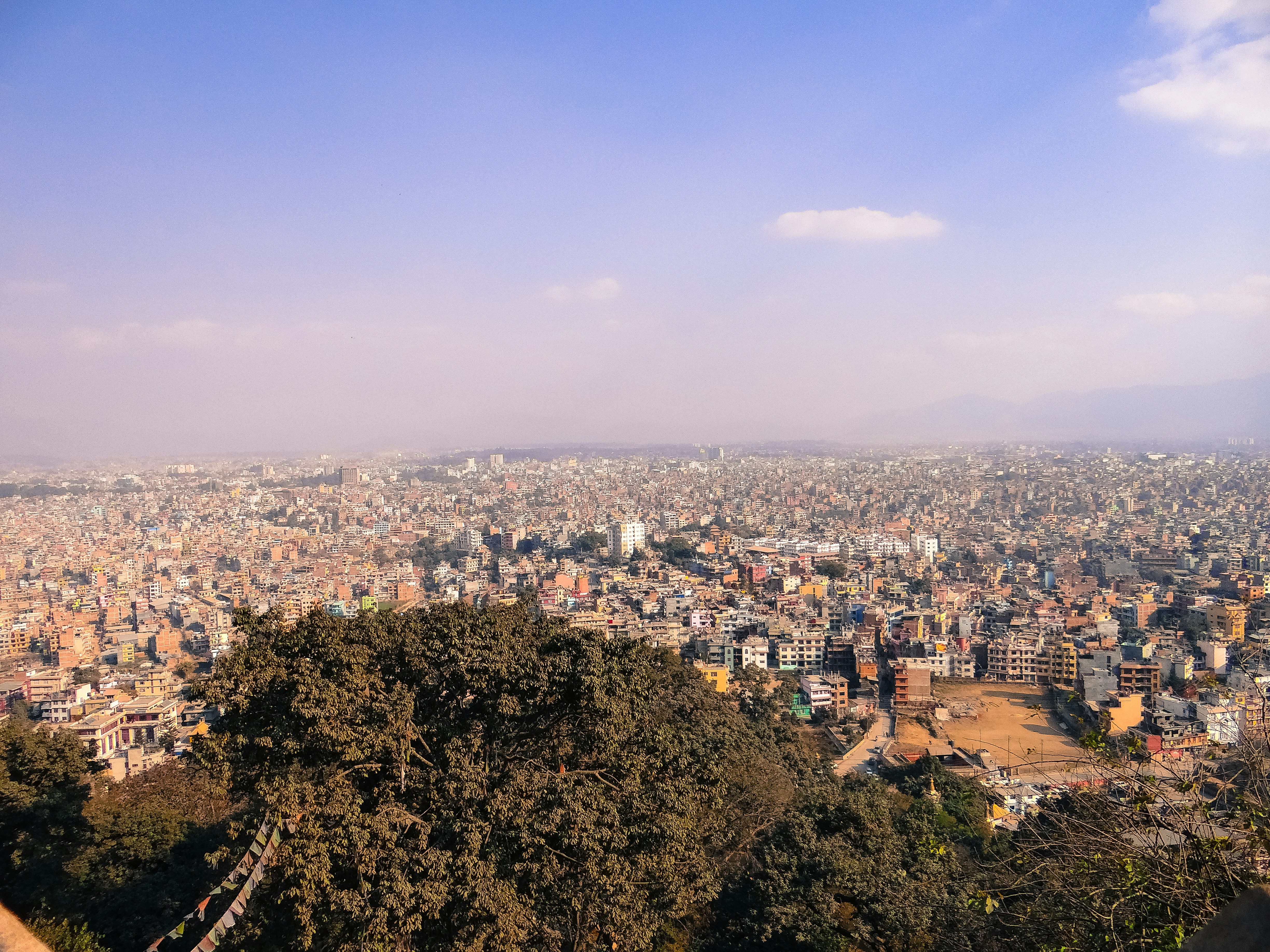
Grab a taxi to Swayambhunath (about 15–25 minutes, $3–5). Climb the colorful staircase lined with prayer flags and stupas for sweeping views of Kathmandu Valley. The entry fee for foreigners is around $2–3, according to recent visitor price boards.
Evening (18:00–22:00): Thamel & Garden of Dreams
Head to Thamel, Kathmandu’s traveler hub, either by walking (30–40 minutes down from Swayambhunath) or via taxi ($2–3). Stroll through outdoor gear shops, handicraft stalls, and cozy cafés. If you want a quieter spot, pop into the Garden of Dreams, a neoclassical garden with an entry of about $2–4.
For dinner, budget travelers can enjoy momos and dal bhat for $4–7; mid-range restaurants run $10–18 per person; and upscale Newari tasting menus in restored mansions can reach $25–40 in 2026. Use the Hello app to snap a photo of your bill; AI receipt scanning will categorize it in NPR and convert to your home currency automatically.
Approximate Day 1 budget (excluding accommodation):
- Budget: $25–35 (local eateries, minimum site entries, shared taxis)
- Mid-range: $50–70 (sit-down restaurants, more taxis, Garden of Dreams)
- Luxury: $120–180 (private transfers, fine dining, drinks and shopping)
Day 2: Spiritual Kathmandu – Pashupatinath, Boudhanath & Patan
Day 2 in Kathmandu focuses on spirituality and culture, combining dawn rituals at Pashupatinath, kora walks around Boudhanath Stupa, and artisan-filled courtyards in Patan, with most drives taking under 40 minutes and easy taxi access from central neighborhoods like Thamel.
Morning (7:00–11:30): Pashupatinath Temple
Start early at Pashupatinath, Nepal’s holiest Hindu temple complex on the Bagmati River. Non-Hindu foreigners cannot enter the main temple but can walk the ghats and hillside terraces. Entry for international visitors is typically $8–10, based on posted gate prices as of 2025. Arriving around sunrise offers a more contemplative vibe and cooler temperatures. Dress modestly (shoulders and knees covered) and be discreet when viewing cremation ceremonies.
After exploring, have a simple breakfast of masala tea and paratha at a nearby stall ($2–4) or head toward Boudhanath for more café options.
Late Morning & Lunch (11:30–14:30): Boudhanath Stupa
Take a short taxi (15–20 minutes, $2–4) to Boudhanath, one of the world’s largest stupas and a UNESCO site. International entrance is usually $2–3. Join locals and monks walking clockwise (kora) around the stupa, spinning prayer wheels.
Grab lunch on a rooftop terrace facing the stupa—perfect for photos and people-watching. Expect $6–10 for momos, thukpa, and coffee in 2026. According to the Nepal Tourism Board, tourism in Nepal surpassed 1 million international visitors in 2023, and Boudhanath remains one of the most visited sites in the valley.
Afternoon & Evening (15:00–21:30): Patan Durbar Square & Dinner
From Boudhanath, taxi to Patan (Lalitpur) in about 30–40 minutes for $4–7 depending on traffic. Patan Durbar Square entry is around $10–12 for foreigners, which goes toward restoration of temples and the excellent Patan Museum. Spend a few hours wandering the museum, Krishna Mandir, and side lanes like Kubu Gal for brass workshops.
Stay for dinner in Patan at a courtyard restaurant or rooftop with square views. A mid-range meal with a beer is roughly $12–20 per person in 2026. Use Hello’s expense splitting to fairly divide the bill in NPR while the app converts everything back into your home currencies.
Approximate Day 2 budget (excluding accommodation):
- Budget: $30–40
- Mid-range: $60–80
- Luxury: $130–200 (private guide, premium dining, extra coffee breaks and shopping)
Day 3: Medieval Bhaktapur & Flexible Last-Day Nepal Travel Plan
Day 3 in your Nepal itinerary is ideal for exploring Bhaktapur’s medieval lanes, trying the famous king curd, and leaving room for last-minute shopping or a cooking class back in Kathmandu before your departure flight.
Morning (8:00–12:30): Transfer to Bhaktapur & Old City Walk
Check out after breakfast and take a taxi from Kathmandu or Patan to Bhaktapur, about 45–60 minutes away, with fares typically $7–12 each way in 2026. The Bhaktapur Durbar Square area is a living museum of brick lanes, carved windows, and pagoda temples. Foreign visitor tickets are higher here—often $15–18, according to municipal rate boards and recent guidebook updates—but are valid for the whole historic zone.
Stroll Durbar Square, Taumadhi Square (with Nyatapola Temple), and Pottery Square, where you can see artisans shaping clay. Budget 2–3 hours for slow wandering and photos.
Lunch (12:30–14:00): Juju Dhau & Local Dishes
Sample juju dhau, Bhaktapur’s famed “king curd,” for around $1–2 a bowl from traditional clay cups. A simple Newari lunch near the squares will cost $4–8.
Afternoon (14:00–17:30): Optional Add-Ons & Return to Kathmandu
Head back to Kathmandu by mid-afternoon. If your flight is late or you have a free evening, consider:
- A cooking class featuring momos and dal bhat ($25–40 per person, 3–4 hours, based on local operator listings).
- Extra shopping time in Thamel or Patan for textiles, prayer flags, and brassware.
Evening (18:00–Late): Farewell Dinner & Departure
For a final night, book a cultural dinner with live music and traditional dances (often $20–35 per person, set menu). Many travelers report average daily spending in Kathmandu of $40–70 excluding accommodation when visiting main sites and eating at mid-range places, which aligns well with this itinerary’s mid-range estimates.
Make sure all expenses are logged in the Hello app before you leave; its trip-level budget view gives you a clean summary of your 3-day Nepal trip planner, including totals by category (food, transport, activities).
Approximate Day 3 budget (excluding accommodation):
- Budget: $25–35
- Mid-range: $55–75
- Luxury: $120–200 (private driver, guided tour, premium cultural show and gifts)
Daily Budgets, Transport & Neighborhoods: Nepal 3 Day Itinerary at a Glance
You can comfortably do this 3-day Nepal itinerary on a budget of $40–60 per day excluding accommodation, with taxis, entrance fees, and local meals kept affordable, while mid-range and luxury travelers will likely spend more on dining, guides, and private transport.
To help you match your Nepal travel plan to your budget, here’s a simple comparison overview for daily spending in Kathmandu Valley, excluding flights and hotels but including transport, food, and activities in 2026 prices:
| Tier | Daily Spend (USD) | Meals (per day) | Transport (taxis/bus) | Activities & Fees | Typical Neighborhoods |
|---|---|---|---|---|---|
| Budget | $25–40 | $8–15 | $4–8 | $8–15 | Thamel backstreets, Paknajol |
| Mid | $55–80 | $18–35 | $8–15 | $15–25 | Central Thamel, Lazimpat, Patan |
| Luxury | $120–200+ | $40–80 | $20–40 (private car) | $30–60 (guides, shows) | Luxury hotels in Lazimpat, Boudha area |
Transport basics:
- Airport → Thamel/Lazimpat: $8–12 by taxi
- In-city trips (Thamel to Swayambhu, Pashupatinath, etc.): $2–5 per ride
- Kathmandu → Bhaktapur: $7–12 one way by taxi
Local buses are cheaper but slower and less intuitive; for just 3 days in Nepal, most visitors find taxis or ride-hailing more time-effective.
According to Nepal’s central bank data and budget travel surveys, average tourists in Kathmandu spend under $70 per day excluding accommodation when combining major sites with mid-range meals. The Hello app’s multi-currency tracking and AI-powered categorization make it easy to see if your real spend matches your Nepal trip planner, especially when you’re jumping between NPR cash, card payments, and prepaid expenses like tours.
Staying Connected & On Budget in Nepal with Hello eSIM and Hello App
The easiest way to stay connected in Nepal for a short 3-day trip is to activate a Hello eSIM before you land, so you can use maps, taxis, and messaging from the moment your plane touches down at Kathmandu Airport.
Hello offers eSIM data plans for over 200 countries, including Nepal, with instant QR-code activation and plans starting from 5GB (prices update live in the app and on the website). With Hello eSIM for Nepal you avoid searching for local SIM shops after a long flight and can immediately order a taxi, check your hotel address, or message your guesthouse.
Once you’re online, the Hello app becomes your trip hub:
- Track every expense in NPR or your home currency using AI receipt scanning, voice entry, or Gmail receipt auto-import.
- Split temple tickets, taxis, and restaurant bills between friends in different currencies; Hello automatically handles exchange rates and who owes what.
- Create a 3-day Nepal itinerary inside the app, adding planned activities with estimated costs, then compare your plan to actual spending in real time.
For a short stay, this can save you from overspending. For example, if you set a daily budget of $60 and your Day 1 climbs to $85 after entrance fees and an unplanned dinner splurge, Hello’s budget tracking will flag it, helping you adjust Day 2 (perhaps choosing a cheaper lunch or skipping a taxi) instead of being surprised at the end of the trip.
According to global tourism analytics firms, over 70% of travelers now rely on mobile apps to manage bookings and navigation on city trips, and having a single app that handles both connectivity and budgeting is especially useful when your Nepal travel plan packs so much into just three days.
Common Questions About Planning a 3-Day Nepal Itinerary
A 3-day Nepal itinerary is best focused entirely on Kathmandu Valley—trying to add Pokhara or trekking will feel too rushed—so plan on exploring Kathmandu, Patan, and Bhaktapur with one base and plenty of taxi rides instead of domestic flights.
Is 3 days in Nepal enough?
Three days is enough to experience Kathmandu’s highlights—Durbar Squares, stupas, and local food—but not enough for multi-day treks or distant regions. Many travelers use this as a “taster trip” before returning for longer trekking or combining Nepal with nearby countries like India.
Where should I stay for this 3-day Nepal travel plan?
Most visitors choose Thamel for convenience, nightlife, and restaurant choices. For a quieter stay, consider Lazimpat (near embassies and upscale hotels) or Patan for a more local, artsy feel.
How much cash do I need, and can I pay by card?
ATMs are common in main tourist areas, and many mid-range and luxury places accept cards, but smaller cafés and taxis prefer cash (Nepalese Rupees – NPR). Plan to withdraw at least $60–100 worth of NPR at the start for a 3-day stay, depending on your style.
Is it safe to drink tap water?
No—stick to bottled or filtered water. Many hotels and cafés now offer filtered refills for a small fee, which is cheaper and more eco-friendly.
Do I need to tip?
Tipping isn’t obligatory but is appreciated. Round up taxi fares and leave around 5–10% in restaurants or small cash tips for guides and hotel staff.
How can I keep track of shared costs with friends?
Use the Hello app to add every shared taxi, meal, and activity. Its expense splitting and multi-currency support mean everyone sees what they owe in their own currency—no spreadsheets or manual conversions needed.
Explore These Destinations
Stay Connected
Book this trip
Compare options on trusted travel sites
Plan stays for this trip
Continue to a reviewed booking partner to check current property details and terms.

Make the most of Nepal
From eSIM connectivity to expense tracking, Hello is the all-in-one companion that keeps your trip stress-free.
Related Articles
Nepal Safety Guide: Tips for a Safe Trip
Safety tips, health advisories, emergency contacts, common scams, and travel insurance advice for Nepal.
20 July 2026
Nepal Visa & Entry Requirements for Singapore Passport Holders
Visa requirements, passport validity, customs allowances, and entry tips for Singapore citizens travelling to Nepal.
11 July 2026
eSIM for Nepal: Best Plans, Coverage, and Setup Tips
Everything you need to know about using eSIM in Nepal. Best data plans, network coverage, and setup instructions.
2 July 2026