Key Takeaways
- ✓India in 2026 offers exceptional value, rich festivals, and modern connectivity, making it ideal for both short breaks and longer adventures.
- ✓Plan your trip around November–March for broadly comfortable weather, adjusting dates for Holi, Diwali, and regional climates.
- ✓Daily budgets range roughly from US$25–40 for backpackers to US$100+ for comfort travellers, excluding international flights.
- ✓Most visitors need a visa or e‑Visa, so always confirm entry requirements and passport validity well before departure.
- ✓Use trains and domestic flights for inter‑city travel, with metros, auto‑rickshaws, and app‑based taxis for getting around cities.
- ✓Hello eSIM is the simplest way to stay connected across India in 2026, supporting navigation, bookings, and digital payments from day one.
- ✓India’s food is a highlight at any budget; follow basic hygiene tips and seek busy, well‑reviewed spots for the best experiences.
- ✓Combine this pillar guide with detailed cluster articles and the Hello app’s planning tools to build a tailored, stress‑free India itinerary.
India is one of those rare destinations that feels like many countries wrapped into one — from the desert forts of Rajasthan and the beaches of Goa to the tea hills of Kerala and the megacities of Delhi and Mumbai. This Complete India Travel Guide 2026 is your hub for planning a trip that’s exciting, manageable, and deeply rewarding.
You’ll get a clear overview of when to go, how much to budget, and what you need for visas and entry, plus how to get around efficiently by train, plane, and app-based taxis. We’ll point you to detailed cluster guides like India Travel Budget Guide: Daily Costs and Money Tips, Getting Around India: Transport Guide for Travellers, and India Visa & Entry Requirements for Singapore Passport Holders whenever you’re ready for a deep dive.
You’ll also find sections on India’s incredible food scene, must‑do experiences and itineraries, Hello eSIM connectivity, safety, cultural etiquette, and a practical “Before You Go” checklist with up‑to‑date tips for 2026. Think of this guide as your India trip planner: scan the quotable summaries at the start of each section, skim the comparison tables, then follow the links that match your style and budget. Whether it’s a 3‑day city break, a 10‑day loop, or your first big adventure in Asia after Japan or Thailand, this is where your India journey begins.
Why Visit India in 2026
India in 2026 is a rewarding mix of timeless heritage and modern convenience: world‑class sights, affordable travel, better digital payments, and reliable Hello eSIM data — all wrapped in some of the most memorable food and festivals you’ll ever experience.
If you’ve travelled to Japan for precision and Thailand for beaches and street food, India adds a new dimension: intensity. You get centuries‑old forts and temples, chaotic bazaars, serene backwaters, and cutting‑edge restaurants often within the same day. Costs remain comparatively low in 2026, especially for food, trains, and mid‑range hotels, which makes India one of the best value destinations for travellers willing to embrace a little chaos.
What sets India apart are its festivals. Planning around events like Diwali and Holi turns a regular trip into a once‑in‑a‑lifetime experience. Our Diwali Travel Guide: Experiencing the Festival of Lights in India and Holi Festival India Guide: The Festival of Colours walk you through where to go, how to participate respectfully, and how to stay safe.
Modern India in 2026 is also easier to navigate than ever. App‑based taxis, UPI QR payments, and Hello eSIM connectivity mean you can book rides, pay for chai, and split expenses with friends in the Hello app without juggling cash or local SIM cards. Pair that with our itineraries — 3 Days in India: A Day-by-Day Itinerary, India in 5 Days: The Perfect Extended Itinerary, and India in 10 Days: The Ultimate Travel Itinerary — and you have a flexible, future‑proof plan for your India adventure.
Use this guide as your high‑level compass: decide what kind of India you want to experience (festivals, food, nature, or heritage), then follow the linked cluster articles to build a trip that feels tailored rather than generic.
Diwali Travel Guide: Experiencing the Festival of Lights in India
Events & FestivalsHoli Festival India Guide: The Festival of Colours
Itineraries3 Days in India: A Day-by-Day Itinerary
ItinerariesIndia in 5 Days: The Perfect Extended Itinerary
ItinerariesIndia in 10 Days: The Ultimate Travel Itinerary
Best Time to Visit India: Seasons & Weather
The best time to visit India in 2026 is generally from November to March, when temperatures are more comfortable and skies are clearer, with regional exceptions for monsoon‑heavy and high‑altitude areas.
India’s size means there is no single “perfect” month — instead, think in terms of trip style. For classic first‑timer routes (Delhi–Agra–Jaipur, Mumbai, Goa, Kerala), November to February balances cooler weather with busy but lively tourism. March and October are shoulder months: slightly warmer, often cheaper, and fantastic for festivals like Holi and Diwali, which you can plan around using the Holi Festival India Guide and Diwali Travel Guide.
Here’s a simplified seasonal overview (North India focus, as of 2026):
| Season (approx.) | Weather & Pros | Watch‑outs |
|---|---|---|
| Nov–Feb (Winter) | Cool, dry, great for sightseeing; good for Rajasthan & city travel | Peak crowds, higher prices over Christmas/New Year |
| Mar–Apr (Early Summer) | Warm, colourful Holi; good for beaches & hill stations | Rising heat in the plains; strong sun |
| May–Jun (Hot) | Cheapest time for many cities; good for mountain escapes | Extreme heat in many regions, midday sightseeing tough |
| Jul–Sep (Monsoon) | Lush landscapes; good for Kerala backwaters & hill escapes | Heavy rain, occasional flooding, humidity; transport delays |
| Oct (Post‑Monsoon) | Clearer skies, comfortable temps, Diwali season | Some leftover humidity; rising prices |
For festival‑focused trips, pick dates first, then adapt your route. For weather‑led trips, choose your region: mountains (Apr–Jun, Sep–Oct), coasts and backwaters (Nov–Feb), or classic cities (Nov–Mar). Once you’ve chosen a window, use our itineraries — 3 Days in India, 5 Days, and 10 Days — to slot in specific cities that make sense for that season.
Diwali Travel Guide: Experiencing the Festival of Lights in India
Events & FestivalsHoli Festival India Guide: The Festival of Colours
Itineraries3 Days in India: A Day-by-Day Itinerary
ItinerariesIndia in 5 Days: The Perfect Extended Itinerary
ItinerariesIndia in 10 Days: The Ultimate Travel Itinerary
India Travel Budget Overview: What It Costs in 2026
India remains one of the best‑value destinations in the world in 2026, with realistic daily budgets ranging from about US$25–40 for backpackers to US$120+ for comfortable mid‑range and upscale travellers.
Our India Travel Budget Guide: Daily Costs and Money Tips breaks down real‑world numbers for accommodation, food, transport, and activities in detail. At a high level, think of costs in three bands:
| Traveller Type (2026) | Approx. Daily Budget* | What This Looks Like |
|---|---|---|
| Budget / Backpacker | US$25–40 | Hostels/guesthouses, street food, trains & metros, occasional entry fees |
| Mid‑range | US$50–90 | 2–3 star hotels, mix of local eateries & cafes, domestic flights + taxis |
| Upscale / Comfort | US$100–150+ | 4–5 star hotels, high‑end dining, private cars, internal flights |
*Excludes international flights.
India’s currency (Indian Rupee, INR) and payment landscape have evolved quickly. As of 2026, card acceptance and digital payments via QR codes are widespread in cities, but cash is still handy for markets, small eateries, and rural areas. For how to withdraw, exchange, and tip, see the India Currency & Money Guide: Exchange, Cards, and Tips.
A practical way to plan your budget is to start with one of our itineraries — 3 Days in India, India in 5 Days, or India in 10 Days — and multiply daily estimates by your travel style. Then layer in big‑ticket extras: internal flights, festival experiences (like premium Diwali or Holi events), and any upscale stays. Use Hello’s built‑in expense splitting and budget tracking features to stay on top of shared costs in real time.
If you’re used to prices in Japan or Thailand, you’ll find India’s food and transport astonishingly affordable, while mid‑range hotels in major cities now price closer to other Asian hubs due to post‑pandemic upgrades.
India Travel Budget Guide: Daily Costs and Money Tips
Currency & MoneyIndia Currency & Money Guide: Exchange, Cards, and Tips
Itineraries3 Days in India: A Day-by-Day Itinerary
ItinerariesIndia in 5 Days: The Perfect Extended Itinerary
ItinerariesIndia in 10 Days: The Ultimate Travel Itinerary
Visa & Entry Requirements: Planning Ahead for 2026
In 2026, most travellers need a visa or e‑Visa to visit India, and your exact requirements depend heavily on your passport, trip purpose, and length of stay — so always check the latest rules before booking.
India offers different visa categories (tourist, business, medical, etc.), with many nationalities eligible for an online e‑Visa process that dramatically simplifies entry. Passport validity, entry/exit stamps, and customs rules (including duty‑free allowances and what you can bring in) all matter. Our India Visa & Entry Requirements for Singapore Passport Holders walks through this in detail for Singapore citizens, including as‑of‑2026 updates on processing times and supporting documents.
For non‑Singapore travellers, use that guide as a framework: you’ll see how to think about passport validity (usually at least six months beyond entry), return/onward tickets, proof of accommodation, and how customs inspections work on arrival. Typical entry ports include major international airports like Delhi, Mumbai, Bengaluru, Chennai, and Kochi.
At a glance decision tree for visas:
- If your nationality is eligible for India’s e‑Visa system: apply online before travel, print or save your approval, and carry the same passport used in the application.
- If your nationality requires a regular sticker visa: apply via the nearest Indian embassy/consulate or authorized visa center well in advance.
- If you’re entering for business, study, or long stays: expect more documentation than for a short tourist trip.
On arrival, expect immigration, baggage claim, and customs screening. Keep a local address handy, plus your first hotel confirmation. Hello eSIM helps you get online immediately to access bookings and any cloud‑stored documents if asked. Always verify rules again close to departure, as visa policies can change quickly, especially around elections or major events.
Getting Around India: Trains, Flights, and Local Transport
India’s transport network in 2026 is vast and surprisingly efficient once you understand the basics: use trains and domestic flights for long distances, and rely on metros, auto‑rickshaws, and app‑based taxis for moving within cities.
Our Getting Around India: Transport Guide for Travellers is your deep dive for airport transfers, public transport, ride‑hailing apps, and even driving yourself. At a high level, think of transport decisions in two tiers:
- Inter‑city: trains vs. flights.
- In‑city: metros, buses, rickshaws, and taxis.
For popular routes (Delhi–Agra–Jaipur, Mumbai–Goa, Kochi–Munnar), trains are scenic and cost‑effective, while flights save time on longer distances. App‑based taxis (using local ride‑hailing apps) are widely available in major cities in 2026 and pair perfectly with Hello eSIM data for real‑time navigation.
Here’s a quick inter‑city comparison:
| Mode | Best For | Pros | Cons |
|---|---|---|---|
| Trains | Budget & scenic travel | Affordable, social, extensive network | Can sell out, requires class selection & planning |
| Domestic flights | Time‑poor travellers | Fast, good for long distances | Higher cost, airport transfers needed |
| Buses | Off‑beat routes & budget | Reach smaller towns, cheap | Comfort varies, longer travel times |
Within cities, metros (Delhi, Mumbai, Bengaluru, etc.) are clean and fast, while auto‑rickshaws and taxis are ideal for short hops or late‑night rides. Our itineraries — 3 Days in India, India in 5 Days, and India in 10 Days — include practical transport tips for each day and route.
To stay oriented, keep digital maps, railway apps, and ride‑hailing apps active through Hello eSIM, and use Hello’s expense splitting feature to fairly divide taxi fares among friends. If you plan to drive yourself, study the India Safety Guide: Tips for a Safe Trip first — road conditions and driving styles can be intense for first‑time visitors.
Food & Dining in India: What to Eat and How Much It Costs
India’s food scene in 2026 is one of the biggest reasons to visit: from ₹50 street‑side chai to tasting menus in modern Indian restaurants, you can eat brilliantly on almost any budget and dietary preference.
The India Food Guide: Must-Try Dishes, Prices, and Tips is your culinary deep dive — it covers regional dishes, price ranges, and food safety tips. At a high level, think of Indian food as regional first: rich gravies and tandoori in the north, coastal seafood and coconut‑based curries in the south, vegetarian thalis in the west, and spice‑forward flavors across the country.
Average 2026 price ranges:
- Local street food snack (chaat, dosa, vada pav): roughly ₹40–₹150.
- Simple local meal: around ₹150–₹400.
- Mid‑range restaurant meal: roughly ₹400–₹900 per person.
- Upscale restaurant: ₹1,000+ per person.
Food safety is generally manageable if you follow basic rules: choose busy stalls with high turnover, avoid untreated water (drink bottled or filtered), and be cautious with raw salads and ice in more basic places. The India Safety Guide: Tips for a Safe Trip includes health advice and what to do if you get an upset stomach.
Vegetarians and vegans are well catered for, with many restaurants offering clearly marked menus. Gluten‑free and other dietary needs are possible, especially in bigger cities, but may require extra explanation.
Use this framework:
- For budget trips: lean on street food and local dhabas (roadside eateries).
- For mid‑range: mix local restaurants with a few modern Indian spots.
- For upscale: book ahead for acclaimed places in Delhi, Mumbai, and Bengaluru.
Hello’s expense tracking makes group meals easy to split, and Hello eSIM helps you check reviews, locate popular spots, and translate regional names before you order.
Top Experiences & Sample Itineraries: Make the Most of Your Trip
To make the most of India in 2026, anchor your trip around a mix of iconic sights, local neighborhoods, and at least one festival or regional experience — then build a realistic itinerary from there.
Our cluster itineraries are designed to help:
- 3 Days in India: A Day-by-Day Itinerary for quick city breaks.
- India in 5 Days: The Perfect Extended Itinerary for a classic highlights route.
- India in 10 Days: The Ultimate Travel Itinerary for deeper explorations across regions.
Top experiences to consider:
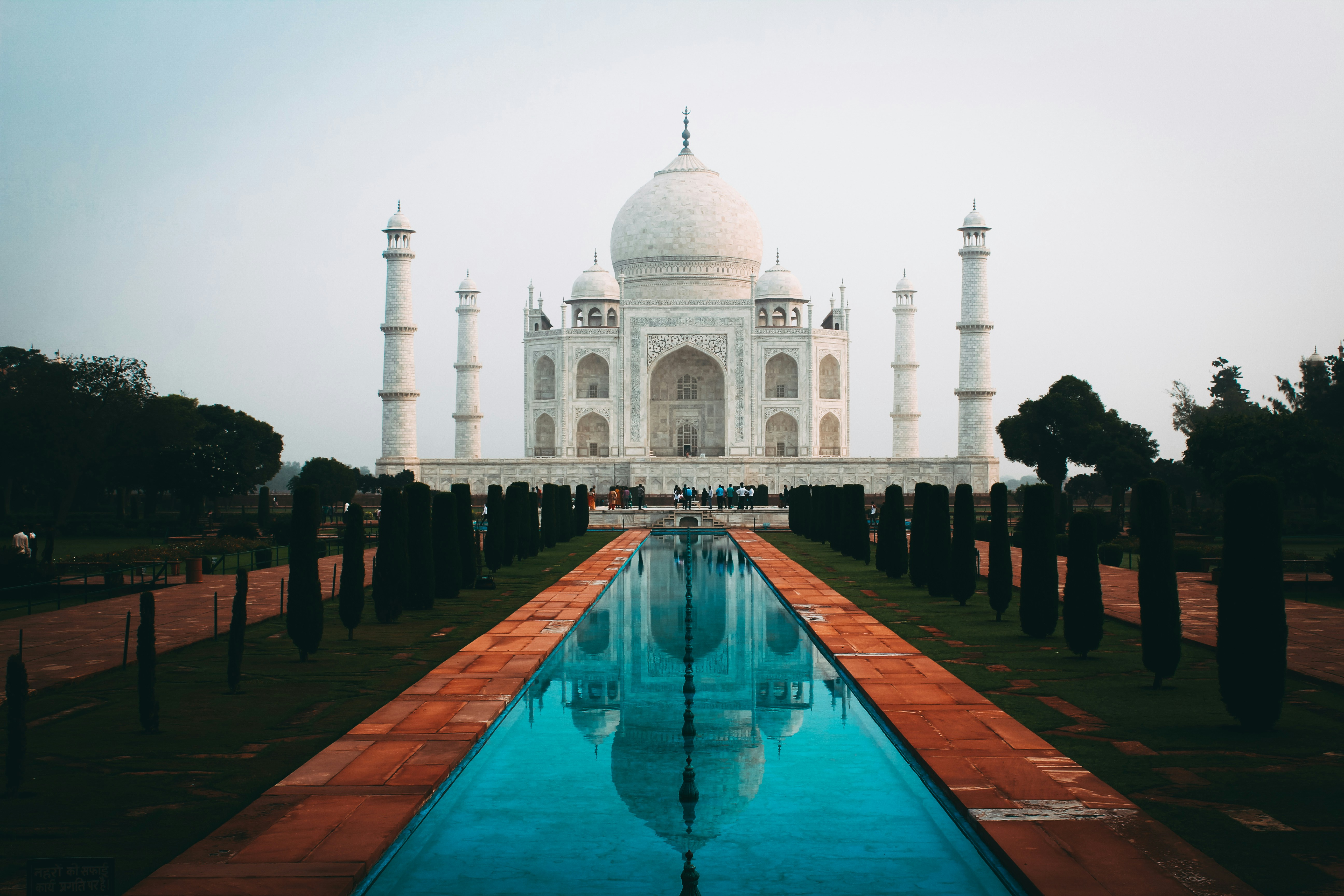
- Heritage: Taj Mahal, Jaipur’s forts, old Delhi lanes, temple towns in the south.
- Nature: Kerala backwaters, Himalayan foothills, desert landscapes.
- Cities: Mumbai’s waterfront and markets, Bengaluru’s cafes, Hyderabad’s food.
- Festivals: Holi and Diwali, guided by the Holi Festival India Guide and Diwali Travel Guide.
A simple itinerary decision framework:
- If you have 3 days and are new to India: pick one major city (Delhi or Mumbai) plus a day trip (Agra or nearby coastal/heritage area).
- If you have 5 days: do a triangle (Delhi–Agra–Jaipur) or a coastal combo (Mumbai–Goa, or Kochi–Munnar).
- If you have 10 days: combine north and south, or add festivals and backwaters to classic routes.
Use Hello as your trip planner to store day‑by‑day plans, track costs, and keep booking details handy. Hello eSIM ensures you can navigate between sights, book last‑minute trains, or adjust your route if you fall in love with a particular place and decide to stay longer.
3 Days in India: A Day-by-Day Itinerary
ItinerariesIndia in 5 Days: The Perfect Extended Itinerary
ItinerariesIndia in 10 Days: The Ultimate Travel Itinerary
Events & FestivalsDiwali Travel Guide: Experiencing the Festival of Lights in India
Events & FestivalsHoli Festival India Guide: The Festival of Colours
Hello eSIM Connectivity: Staying Online in India in 2026
For India in 2026, the easiest way to stay online is Hello eSIM, which gives you instant data connectivity on arrival, supports coverage across major regions, and integrates with Hello’s trip planning and expense features.
Our eSIM for India: Best Plans, Coverage, and Setup Tips explains step‑by‑step how to choose a Hello eSIM data plan that matches your trip length and usage, activate it before or after landing, and switch between physical SIM and eSIM if needed. As of 2026, India’s 4G and expanding 5G networks cover most cities and many tourist routes, making maps, ride‑hailing apps, and messaging reliable.
Typical Hello eSIM use cases:
- Navigating cities using maps and transport apps.
- Booking trains, flights, and hotels on the go.
- Using UPI and other payment apps that may require SMS or data.
- Staying in touch with travel companions and splitting expenses inside Hello.
A simple connectivity checklist:
- Check if your phone is eSIM‑compatible before travel.
- Purchase and download your Hello eSIM profile in advance.
- Test activation on Wi‑Fi before landing if possible.
- Keep your physical SIM for calls/SMS from home, but offload data usage to Hello eSIM.
Compared to relying on hotel Wi‑Fi or buying local SIM cards on arrival, Hello eSIM saves time at airports, reduces paperwork, and keeps you connected from the moment you land. It’s especially valuable if you’re arriving late at night, need to show digital booking confirmations at immigration, or want to coordinate airport pickups using ride‑hailing apps.
Combine Hello eSIM connectivity with our Getting Around India: Transport Guide and India Travel Budget Guide to move smarter and keep data costs aligned with your overall trip budget.
Safety, Health & Cultural Etiquette
India in 2026 is generally safe for travellers who take basic precautions, respect cultural norms, and stay informed — especially around health, scams, and festival crowds.
The India Safety Guide: Tips for a Safe Trip covers common scams, emergency contacts, and health considerations like food hygiene, mosquito protection, and travel insurance. At a high level, focus your safety efforts on: situational awareness in busy areas, cautious handling of valuables, and using trusted transport.
Culturally, India is diverse but shares some common etiquette: dress modestly in temples and rural areas, remove shoes when entering religious spaces or certain homes, and use your right hand for eating and passing items. The India Cultural Guide: Etiquette, Customs, and Tips explains greeting styles, basic local phrases, and how to navigate topics like photography and bargaining without causing offense.
Key safety and etiquette tips:
- Keep copies of your passport and visa (digital + paper) separate from the originals.
- Use app‑based taxis, especially at night, and share trip details with a trusted contact.
- For Holi and Diwali, follow the guidance in the dedicated festival guides to avoid unsafe powders, fireworks, or overcrowded areas.
- Dress slightly more conservatively than in Thailand beach towns, especially away from tourist zones.
Health‑wise, carry a basic kit: rehydration salts, stomach remedies, pain relief, and any personal medications. Check if you need routine vaccines or boosters before travelling.
Hello eSIM helps in emergencies — you can call or message local contacts, look up nearby hospitals, or translate key phrases quickly. Combined with the safety and cultural cluster guides, it allows you to engage confidently and respectfully with local communities while minimizing avoidable risks.
Before You Go: India 2026 Checklist
A solid pre‑departure checklist makes India in 2026 feel exciting instead of overwhelming: confirm your visa, sort connectivity with Hello eSIM, plan your budget, and save key safety and cultural tips before you board.
Use this “Before You Go” checklist as your starting point:
-
Documents & Entry
- Passport valid at least six months beyond your arrival date.
- Appropriate India visa or e‑Visa approved and printed/saved.
- Copies (digital + physical) of passport, visa, and travel insurance.
- First‑night accommodation and onward/return flight confirmations.
- Review the India Visa & Entry Requirements for Singapore Passport Holders for an example of what to expect at immigration.
-
Money & Budget
- Rough daily budget set (see India Travel Budget Guide).
- At least one debit/credit card that works internationally.
- Plan for cash withdrawals on arrival (see India Currency & Money Guide).
-
Connectivity & Apps
- Confirm phone is eSIM‑compatible.
- Purchase and download your Hello eSIM; test activation.
- Install the Hello app for expense splitting, budget tracking, and trip planning.
-
Health & Safety
- Basic medical kit packed.
- Read the India Safety Guide: Tips for a Safe Trip and India Cultural Guide.
-
Itinerary & Experiences
Save all confirmations inside Hello, keep offline copies in case of spotty coverage, and use this checklist as a final pass the week before you fly to ensure no key detail is missed.
India Visa & Entry Requirements for Singapore Passport Holders
Budget PlanningIndia Travel Budget Guide: Daily Costs and Money Tips
Currency & MoneyIndia Currency & Money Guide: Exchange, Cards, and Tips
Safety & HealthIndia Safety Guide: Tips for a Safe Trip
Cultural GuideIndia Cultural Guide: Etiquette, Customs, and Tips
Itineraries3 Days in India: A Day-by-Day Itinerary
ItinerariesIndia in 5 Days: The Perfect Extended Itinerary
ItinerariesIndia in 10 Days: The Ultimate Travel Itinerary
Frequently Asked Questions
How many days do I need for a first trip to India?
For a first‑time visit in 2026, aim for 5–10 days. Around 5 days lets you see a classic route like Delhi–Agra–Jaipur or Mumbai–Goa, while 10 days allows a mix of north and south or cities plus backwaters. Use India in 5 Days and India in 10 Days to compare routes and daily costs, then adjust based on your budget and travel pace.
Is India safe to travel in 2026, especially for solo and female travellers?
India is generally safe if you follow standard travel precautions: stay aware in crowds, use trusted transport, keep valuables secure, and respect local norms. Solo and female travellers often choose well‑touristed routes, book reputable accommodation, and avoid poorly lit or isolated areas at night. The India Safety Guide: Tips for a Safe Trip and India Cultural Guide provide detailed advice, including emergency contacts and etiquette tips.
What’s the best way to stay connected in India — Wi‑Fi, local SIM, or Hello eSIM?
In 2026, Hello eSIM is usually the most convenient option: you can activate data instantly on arrival, avoid queuing for local SIMs, and stay connected across multiple cities. Hotel Wi‑Fi is fine for backup but can be inconsistent, and local SIMs often require paperwork. Our eSIM for India: Best Plans, Coverage, and Setup Tips explains how to choose and activate Hello eSIM, then use the Hello app for expense splitting and trip planning.
How much should I budget per day for food and transport in India?
As of 2026, many travellers spend US$10–20 per day on local food and in‑city transport, depending on whether they eat mostly street food or mix in mid‑range restaurants. Street snacks can cost ₹40–₹150, simple meals around ₹150–₹400, and taxis or auto‑rickshaws are usually inexpensive. For city‑by‑city breakdowns and sample daily totals, see the India Travel Budget Guide: Daily Costs and Money Tips, India Food Guide, and Getting Around India: Transport Guide.
When is the best time to visit India for good weather and festivals?
For a balance of comfortable weather and lively atmosphere, visit between November and March. This window covers cooler temperatures in many regions and aligns with major festivals like Diwali (usually Oct/Nov) and Holi (around March). Use the Diwali Travel Guide and Holi Festival India Guide to match your dates to locations, and cross‑check with our seasonal overview in this pillar guide when planning your route.
Do I need to tip in India, and how do payments work in 2026?
Tipping in India is common but modest: round up taxi fares, leave small cash tips for hotel staff, and add around 5–10% in restaurants if service isn’t already included. As of 2026, card payments and QR‑based digital payments are widely used in cities, while cash is still important for markets and small eateries. For exchange options, ATM tips, and typical tipping amounts, read the India Currency & Money Guide: Exchange, Cards, and Tips and India Travel Budget Guide.
What should I pack for India, and how conservative is the dress code?
Pack light, breathable clothing, with at least one modest outfit (covered shoulders and knees) for temples and rural areas. Cities and beach destinations can be more relaxed, but it’s still wise to dress slightly more conservatively than in some other parts of Asia. Add a scarf or shawl for quick coverage, comfortable walking shoes, and basic health items. For more on dress codes and cultural expectations, see the India Cultural Guide: Etiquette, Customs, and Tips and safety considerations in the India Safety Guide.
eSIM Plans for India
Detailed Articles
Dive deeper into specific topics covered in this guide.
Diwali Travel Guide: Experiencing the Festival of Lights in India
Travel guide for Diwali in India — best cities, customs, safety tips, and what to expect.
5 July 2026
Holi Festival India Guide: The Festival of Colours
Experience Holi in India — best cities, safety tips, what to wear, and cultural etiquette.
15 July 2026
3 Days in India: A Day-by-Day Itinerary
A detailed 3-day itinerary for India with daily activities, costs, neighborhoods, and transport tips.
11 June 2026
India in 5 Days: The Perfect Extended Itinerary
A detailed 5-day itinerary for India with daily activities, costs, neighborhoods, and transport tips for an extended stay.
6 May 2026
India in 10 Days: The Ultimate Travel Itinerary
A comprehensive 10-day itinerary for India covering top attractions, hidden gems, daily costs, and transport between cities.
20 June 2026
India Travel Budget Guide: Daily Costs and Money Tips
How much does it cost to travel in India? Daily budget breakdowns for budget, mid-range, and luxury travellers.
25 February 2026
India Currency & Money Guide: Exchange, Cards, and Tips
Currency exchange, credit card acceptance, ATM tips, tipping culture, and money-saving advice for India.
27 July 2026
India Visa & Entry Requirements for Singapore Passport Holders
Visa requirements, passport validity, customs allowances, and entry tips for Singapore citizens travelling to India.
9 July 2026
More Travel Guides
Destination Guide
Complete Bosnia and Herzegovina Travel Guide 2026
Everything you need to know about travelling to Bosnia and Herzegovina — budget, visa, food, transport, eSIM connectivity, and itineraries.
Destination Guide
Complete Bahamas Travel Guide 2026
Everything you need to know about travelling to Bahamas — budget, visa, food, transport, eSIM connectivity, and itineraries.
Destination Guide
Complete Bahrain Travel Guide 2026
Everything you need to know about travelling to Bahrain — budget, visa, food, transport, eSIM connectivity, and itineraries.
Destination Guide
Complete Sint Eustatius Travel Guide 2026
Everything you need to know about travelling to Sint Eustatius — budget, visa, food, transport, eSIM connectivity, and itineraries.