India Cultural Guide: Etiquette, Customs, and Tips
Essential do's and don'ts, greeting customs, dress codes, local phrases, and cultural tips for India.
By Hello Travel Team
This article contains affiliate links. If you book through them, Hello may earn a commission at no additional cost to you. Our editorial recommendations are independent. Learn more.
TL;DR: Essential India Etiquette, Customs, and Cultural Do’s and Don’ts
India etiquette is about showing respect through modest dress, polite greetings, removing shoes, and being patient with crowds, noise, and delays, while avoiding public anger, overly revealing clothing, and insensitive comments about religion or politics.
If you just remember a few basics, you’ll navigate India culture comfortably: dress modestly, greet with a smile or a simple “Namaste,” remove shoes indoors when asked, and be flexible with time and traffic. India welcomed over 26 million foreign visitors in 2023, according to India’s Ministry of Tourism, and most had smooth trips by following these simple guidelines.
Key dos:
- Do cover shoulders and knees, especially at temples, mosques, and gurdwaras.
- Do remove your shoes where indicated and never point your feet at people or shrines.
- Do use your right hand for giving, receiving, and eating.
Key don’ts:
- Don’t touch people’s heads or show affection in very public spaces.
- Don’t criticize religion or local customs.
- Don’t photograph people or religious rituals without asking.
City transport, meals, and entry fees can be very affordable: a metro ride in Delhi costs around ₹30–60 (about $0.40–0.80 in 2026), and a local vegetarian thali can be ₹200–400 ($2.50–5) depending on the city. With a bit of preparation and respect, India’s diversity feels welcoming rather than overwhelming.
Greeting Customs in India: How to Say Hello Respectfully
In India, the safest, most respectful greeting is a warm smile paired with a simple “Namaste,” hands pressed together at the chest, especially in more traditional or religious settings.
You’ll encounter a spectrum of greeting customs across India, from handshakes in business meetings to the classic “Namaste” in homes and temples. In major cities like Mumbai, Delhi, and Bengaluru, a light handshake is common, especially among men, while many women prefer a verbal greeting without physical contact. Let locals lead; if someone offers a hand, respond, but don’t insist if they don’t.
Basic useful phrases:
- Namaste – Hello / respectful greeting
- Dhanyavaad (Hindi) – Thank you
- Kripya – Please
- Aap kaise hain? – How are you? (formal)
In southern states (like Tamil Nadu and Kerala), you may hear “Vanakkam” or “Namaskaram” in place of “Namaste,” while in Kolkata, “Nomoshkar” is common. English is widely used in cities and tourist hubs; according to India’s 2011 Census, English is the second official language of the Union and functions as a key link language nationwide.
For formal introductions, use titles such as “Mr.”, “Mrs.”, or “Madam” until invited to switch to first names. A simple, respectful script like “Namaste, my name is Alex, nice to meet you” works across regions and avoids social missteps.
Dress Codes and Religious Site Etiquette in India
In India, modest clothing that covers shoulders, chest, and knees is the norm, and strict dress codes apply in temples, mosques, and gurudwaras where you must dress conservatively and remove your shoes.
India culture is diverse, but one common thread is modesty, especially outside nightlife districts and beach resorts. For both men and women, lightweight long pants, midi or maxi skirts, and tops with sleeves are ideal. In religious sites such as Varanasi’s ghats, Delhi’s Jama Masjid, Amritsar’s Golden Temple, or Mumbai’s Siddhivinayak Temple, visitors are expected to cover legs, avoid tight or sheer clothing, and sometimes cover their heads (mandatory in Sikh gurudwaras like the Golden Temple, where scarves are provided).
Practical tips:
- Always carry a light scarf or shawl to cover shoulders or head.
- Remove shoes and sometimes socks before entering inner sanctums.
- Avoid leather items in certain temples where they are considered impure.
At Goa’s beaches and some upscale hotel pools, swimwear is fine, but walking through town in bikinis or shirtless is frowned upon. A basic cotton kurta and leggings set costs around ₹600–1,200 ($7–15 in 2026) in local markets and helps you blend in comfortably.
For business meetings in cities, smart-casual or full business attire is expected: collared shirts and trousers for men, and conservative dresses or suits for women. When in doubt, dress one step more formal than you think you need.
Do’s and Don’ts in India: Everyday Etiquette and Social Norms
The most important India dos and don’ts are to use your right hand for eating and giving, avoid public displays of anger or affection, respect elders, and remove shoes before entering homes or sacred spaces.
India etiquette is shaped by family values, religious traditions, and a strong sense of respect for elders. In many homes, you may be offered tea or water; accepting at least a small amount is polite. When passing money, gifts, or food, use your right hand or both hands together, as the left hand is traditionally considered less clean.
Common do’s:
- Do stand up when elders enter the room and offer them the best seat.
- Do queue patiently, even when crowds feel chaotic.
- Do dress more modestly in rural areas than you might in India’s big cities.
Common don’ts:
- Don’t point your feet at people, deities, or religious objects.
- Don’t touch someone of the opposite sex unnecessarily, especially in traditional settings.
- Don’t refuse food or drink abruptly; if you must, say “Just a little, please” and take a small amount.
Public displays of affection like kissing or hugging can be considered inappropriate in many places outside cosmopolitan neighborhoods. Alcohol is widely available in cities, but some states (like Gujarat and Bihar) have strict controls or prohibition; always check local rules and hotel guidance.
Being calm and patient is key: traffic jams, power cuts, or delays are part of the experience, and raising your voice creates more discomfort than solutions.
Photography, Business Etiquette, and Staying Connected in India
In India, always ask before photographing people or religious rituals, follow conservative business etiquette with formal greetings, and use reliable mobile data to navigate traffic, meetings, and payments.
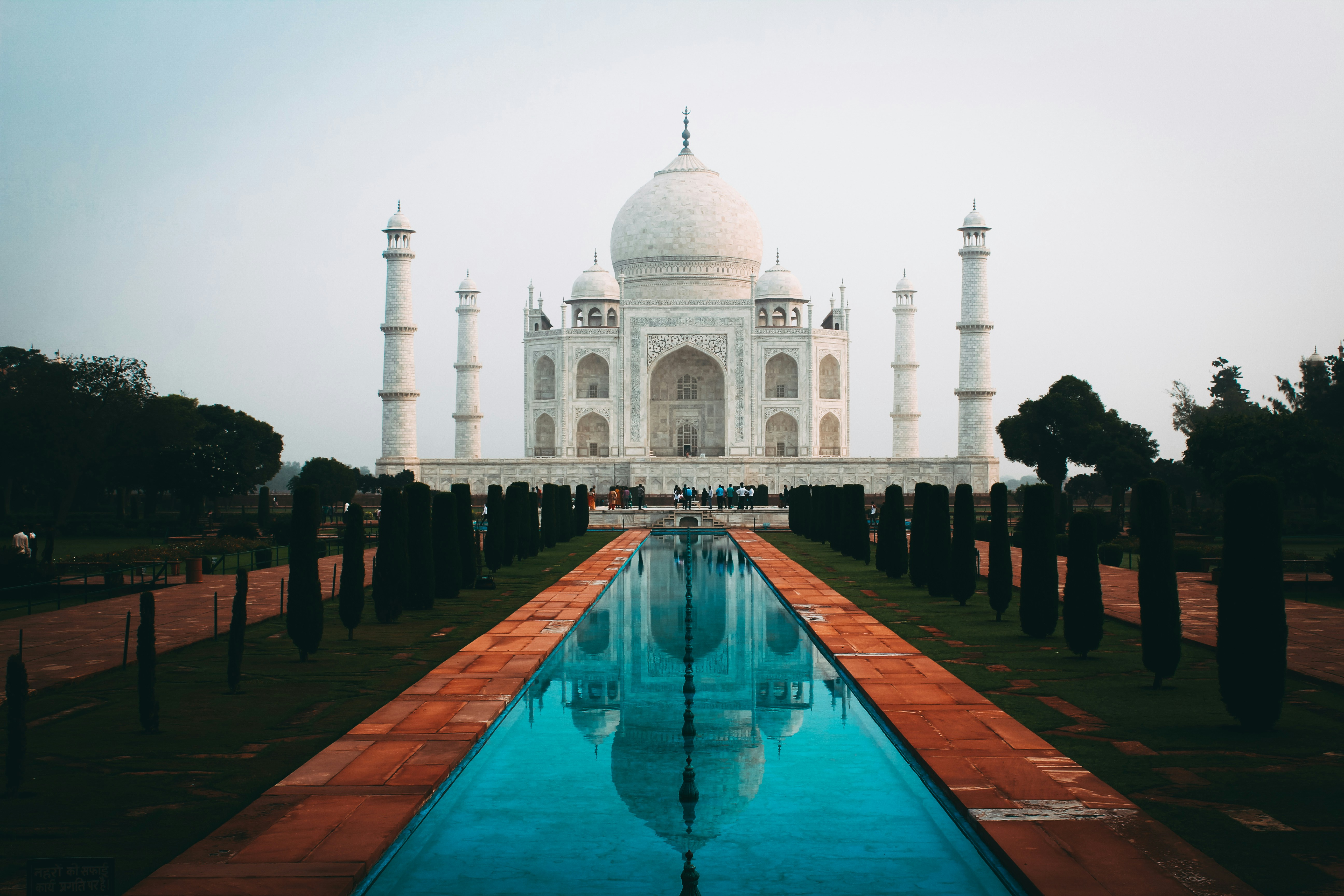
Photography rules vary by location. In many temples, mosques, and government buildings, photos or videos may be forbidden or restricted to outdoor areas; signs are often posted at entrances. Always ask permission before photographing individuals, especially women, children, or holy men (sadhus). At some monuments like the Taj Mahal, there may be designated photography zones and tripod restrictions, and professional shoots can require permits.
Business etiquette in India emphasizes hierarchy and relationship-building. Arrive on time, dress formally, and begin with a polite greeting and small talk before jumping into negotiations. Titles and positions matter; addressing people as “Sir” or “Madam” is common, and decisions may take longer as multiple stakeholders are consulted.
Navigation, ride-hailing, and digital payments are vastly easier with steady mobile data. An eSIM from Hello lets you arrive in India already connected, so you can book taxis, check meeting locations, and split bills in rupees without hunting for a local SIM. Hello’s expense-splitting feature supports multiple currencies and automatic exchange rates, which is helpful when your group is paying in both INR and foreign cards.
Local prepaid data packages from major operators often start around ₹200–400 ($2.50–5 in 2026) for a few gigabytes, but with a Hello eSIM for India you can set up data before landing and track spending inside the app.
Holidays, Festivals, and Gift-Giving Customs Across India
India’s major holidays and festivals can transform travel with crowds and closures, and simple, thoughtful gifts like sweets or regional snacks are warmly received when visiting homes or business contacts.
India’s calendar is packed with festivals that vary by religion and region, but a few have nationwide impact. Diwali (usually October–November) fills cities with lights, fireworks, and family celebrations; shops often close early, and trains and flights can sell out weeks ahead. Holi, the spring festival of colors, is celebrated with colored powders and water, especially in North India; while fun, it can be intense, so wear old clothes and protect cameras and phones.
Other significant holidays include:
- Independence Day (15 August) – official ceremonies, some road closures.
- Republic Day (26 January) – a major parade in Delhi, security checks, and traffic diversions.
- Eid, Navratri, Durga Puja, Onam, Pongal – regional festivals that affect local business hours.
According to India’s Ministry of Tourism, domestic tourism exceeded 1.7 billion trips in 2023, meaning popular destinations like Jaipur, Goa, and Kerala beaches become especially busy during school holidays and festival periods.
For gift-giving, small, consumable items work best: good-quality chocolates, local handicrafts from your home country, or a box of Indian sweets (mithai) from a reputable shop. Avoid alcohol as a default gift, as many families abstain for religious reasons, and skip overly expensive presents that may embarrass the recipient. When presenting a gift, use your right hand or both hands and offer it with a smile and a short phrase like “This is for you.”
Common Questions About India Culture, Etiquette, and Do’s and Don’ts
Most common India etiquette questions revolve around dress codes, tipping, public behavior, and how to avoid offending locals, and the answers usually come down to modesty, politeness, and patience.
Is tipping expected in India?
Tipping is appreciated but not always mandatory. In mid-range restaurants, 5–10% of the bill is customary if service charge is not already included. For porters, ₹50–100 ($0.60–1.20 in 2026) per bag is typical in hotels.
Can I drink tap water?
Generally, no. Most visitors stick to bottled or filtered water and avoid ice in very basic eateries. According to India’s National Sample Survey data, piped water quality varies widely by region, so it’s safest to buy sealed bottles or refill from filtered sources.
Are public displays of affection okay?
Light affection like holding hands is usually fine in big cities, but kissing or hugging in public can attract unwanted attention, especially in smaller towns and conservative neighborhoods.
What about shoes and feet?
Feet are considered low or unclean in many traditions. Remove shoes in homes when asked and always at religious sites. If you accidentally touch someone with your foot, a quick apology and a small gesture of respect (like touching your chest) helps.
How can I manage expenses easily in India?
Daily budgets vary by city, but many travelers get by on $30–60 per day in 2026 including meals, local transport, and mid-range stays. The Hello app’s budget tracking and AI receipt scanning make it easier to log rickshaw fares, market purchases, and cash payments directly on your phone.
Do people mind tourists asking questions?
Most Indians are welcoming and happy to help, especially if you’re polite and show interest in local culture. A simple “Namaste, may I ask…?” goes a long way toward a friendly interaction.
Explore These Destinations
Stay Connected
Book this trip
Compare options on trusted travel sites
Plan activities for this trip
Continue to a reviewed booking partner to check schedules, inclusions, and terms.

Make the most of India
From eSIM connectivity to expense tracking, Hello is the all-in-one companion that keeps your trip stress-free.
Related Articles
India Currency & Money Guide: Exchange, Cards, and Tips
Currency exchange, credit card acceptance, ATM tips, tipping culture, and money-saving advice for India.
27 July 2026
India Safety Guide: Tips for a Safe Trip
Safety tips, health advisories, emergency contacts, common scams, and travel insurance advice for India.
18 July 2026
Holi Festival India Guide: The Festival of Colours
Experience Holi in India — best cities, safety tips, what to wear, and cultural etiquette.
15 July 2026