India Safety Guide: Tips for a Safe Trip
Safety tips, health advisories, emergency contacts, common scams, and travel insurance advice for India.
By Hello Travel Team
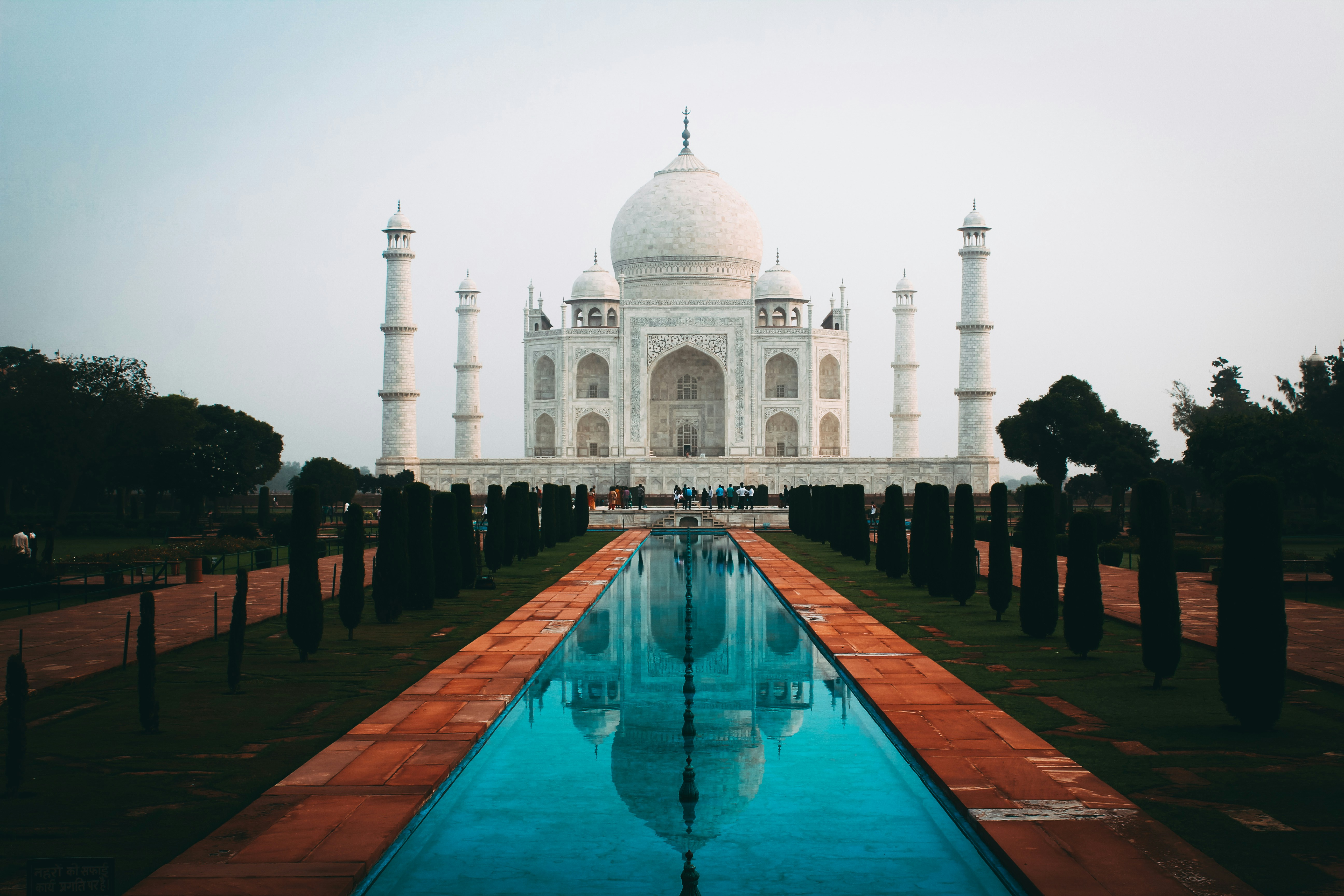
TL;DR: Is India Safe for Travellers?
India is generally safe for prepared travellers, but its size, traffic, crowds, extreme weather, health risks, and regional differences require sensible planning. Follow local advice, use reputable transport and accommodation, protect your belongings, and arrange comprehensive travel insurance before departure. India’s national emergency number is 112; tourists can also call 1363 for assistance. Police, fire, and ambulance services remain available on 100, 101, and 102 respectively, according to India’s official tourism information. Singaporean travellers should save the Singapore High Commission in New Delhi’s 24-hour duty number, +91-981-020-3595. For mobile access to maps, translation, ride bookings, and emergency calls, consider activating Hello’s eSIM for India before flying. Hello eSIM plans provide connectivity on arrival, while the Hello app can also help track spending and split costs with travel companions.
India Travel Safety: Main Risks and Practical Precautions
India travel safety is strongest when travellers plan around traffic, crowds, weather, and local conditions rather than treating the country as one uniform destination. Most visitors complete their trips without serious incidents, but petty theft, road accidents, scams, food-related illness, air pollution, heat, and harassment can affect travel plans. Check government travel advisories before visiting border areas, parts of Jammu and Kashmir, regions affected by civil unrest, and areas with active weather or health alerts.
Use prepaid airport taxis, app-based rides where available, or transport arranged by your hotel. Avoid accepting unsolicited “help” at railway stations, airports, temples, and tourist sights. Keep passports, phones, and wallets in zipped compartments, especially in Delhi Metro, Mumbai local trains, crowded markets, and festival processions. Carry a photocopy or secure digital copy of your passport and visa, but keep the original protected.
Road safety deserves special attention: traffic can be unpredictable, pavements may be limited, and motorcycles often pass closely. Use seat belts, avoid overcrowded vehicles, and never assume a green pedestrian signal guarantees safety. In hot months, drink regularly, plan sightseeing for mornings, and carry oral rehydration salts. Travellers visiting during monsoon season should monitor flooding and transport disruptions.
Common India Scams and How to Avoid Them
The most common India scams involve inflated taxi fares, closed-attraction claims, fake guides, commission-based shopping, and pressure to pay for unsolicited services; calm refusal and pre-agreed prices prevent many problems. At airports and railway stations, ignore anyone claiming that your hotel, train, or attraction is closed and offering an alternative. Verify information with official counters, your accommodation, or the transport operator.
Agree on taxi or rickshaw fares before departure, or use a meter or reputable booking app. If a driver insists on taking you to a different hotel or shop, end the ride in a busy, public location. At monuments and temples, confirm guide fees in writing before starting. Be cautious with “free” blessings, friendship bracelets, photography requests, and shoe or luggage services around major attractions; these may become payment demands.
Protect payment cards and never share an ATM PIN. Use machines inside banks or established shopping centres, check the amount before approving a digital payment, and retain receipts. A practical daily budget for a mid-range traveller in 2026 is roughly ₹3,000–₹7,000 for accommodation, meals, local transport, and sightseeing, excluding intercity travel. Hello’s expense-splitting tools can record rupee payments, convert currencies automatically, and divide shared costs without relying on memory.
India Emergency Numbers and Singapore Embassy Contacts
Save emergency numbers before arrival because India’s nationwide 112 service can connect mobile users to emergency assistance, while traditional numbers remain useful in some locations. Official Indian tourism guidance lists 112 as the national emergency number, 100 for police, 101 for fire, 102 for ambulance, and 1363 as the tourist helpline. Some states also use 108 for ambulance or disaster response, so ask your hotel which local services are most reliable.
| Need | Number | Practical note |
|---|---|---|
| All-in-one emergency | 112 | Use from a mobile phone where available |
| Police | 100 | Describe your location and nearest landmark |
| Fire | 101 | Give the building name and street address |
| Ambulance | 102 | 108 may operate in some states |
| Tourist helpline | 1363 | Tourism assistance |
| Women in distress | 1091 | Availability can vary by location |
Singaporeans needing urgent consular help can contact the High Commission of Singapore in New Delhi at +91-981-020-3595, available 24 hours for emergencies. The High Commission is at E-6 Chandragupta Marg, Chanakyapuri, New Delhi 110021. Consular staff cannot replace police, medical, or insurance services, so contact local emergency responders first and notify the mission afterward when appropriate. Keep your insurer’s 24-hour assistance number separately.
India Health Advisories, Vaccinations, Food, and Water Safety
Health preparation for India should begin several weeks before departure: arrange a travel-clinic appointment, review routine vaccinations, and choose additional protection according to your itinerary, season, and medical history. CDC travel guidance recommends that visitors be up to date with routine immunisations and commonly recommends hepatitis A, hepatitis B, and COVID-19 vaccination; typhoid, rabies, Japanese encephalitis, influenza, or malaria prevention may be appropriate for particular travellers. Yellow-fever proof is required when arriving from a country with yellow-fever transmission risk, even though India itself has no yellow-fever risk.
Drink sealed bottled water or properly filtered water, avoid ice when its source is uncertain, and choose food that is freshly cooked and served hot. Wash or peel fruit, skip raw salads in places with questionable hygiene, and pack oral rehydration salts. Malaria risk varies by region, while dengue and chikungunya occur in urban and rural areas. Use repellent, wear loose long clothing, and reduce exposure around dawn and dusk.
Singapore’s Ministry of Foreign Affairs has advised travellers to affected parts of West Bengal during a Nipah outbreak to avoid raw date-palm sap, fallen fruit, sick people, bats, and pigs. Seek medical care promptly for high fever, persistent diarrhoea, breathing difficulty, or suspected animal bites. For rabies exposure, wash the wound immediately and obtain urgent medical advice.
Solo Female, LGBTQ+, and Night-Time Travel Safety in India
Solo female travellers can visit India successfully, but should use extra caution with accommodation, transport, clothing, and night-time movement, particularly during a first visit. Choose well-reviewed hotels in established neighbourhoods, share your itinerary with someone at home, and use prearranged or traceable transport after dark. Sit near other women or families on trains where practical, and consider women-only metro coaches when available. Dress modestly in conservative areas, covering shoulders and knees at religious sites, and ask before photographing people.
Harassment can occur in crowded public places, so move toward families, security staff, hotel reception, or a busy business if someone follows or bothers you. Do not disclose your room number or travel plans to strangers. Keep emergency contacts accessible without unlocking your phone, and use Hello eSIM connectivity for maps, translation, and contacting your accommodation if plans change.
LGBTQ+ travellers should understand that social attitudes vary widely by city, state, and community. India’s Supreme Court decriminalised consensual same-sex relationships in 2018, but discrimination, harassment, and unwanted attention remain possible. Public displays of affection may attract attention regardless of orientation. Select inclusive, reputable accommodation, avoid confrontations about identity, and check current local advice before travelling to conservative or politically tense areas. Travel insurance should cover medical care, evacuation, theft, and trip interruption without discriminatory exclusions.
Common Questions About India Travel Safety
India is safe for most visitors who prepare carefully, but travellers should check regional advisories, protect belongings, use reputable transport, and purchase comprehensive insurance. The following answers cover the questions most often asked before a first trip.
Is India safe for solo travel? Yes, many people travel independently, but solo visitors should avoid isolated areas at night, use verified accommodation and transport, and share their itinerary. Women may prefer daytime arrivals and women-only train or metro sections where available.
What should travel insurance for India cover? Choose a policy covering overseas medical treatment, hospitalisation, emergency evacuation, repatriation, baggage theft, travel delays, cancellations, and adventure activities you actually plan to do. Check exclusions for pre-existing conditions, motorbike use, alcohol-related incidents, and unattended belongings. Buy it soon after booking so cancellation benefits can apply.
Can I drink tap water in India? Treat tap water as unsafe unless a trusted local source confirms filtration. Use sealed or reliably purified water, avoid questionable ice, and carry rehydration salts.
What should I do if bitten by a dog or monkey? Wash the wound thoroughly with soap and running water and seek urgent medical care for rabies assessment, even if the injury looks minor.
How can I stay connected? Buy and activate an India Hello eSIM before departure so maps, translation, ride bookings, and emergency communication work as soon as you land.
Explore These Destinations
Stay Connected
Ready for India?
eSIM data, expense splitting, budget tracking, and more. Everything you need for a smooth trip in one app.
Related Articles
India Currency & Money Guide: Exchange, Cards, and Tips
Currency exchange, credit card acceptance, ATM tips, tipping culture, and money-saving advice for India.
27 July 2026
Holi Festival India Guide: The Festival of Colours
Experience Holi in India — best cities, safety tips, what to wear, and cultural etiquette.
15 July 2026
India Visa & Entry Requirements for Singapore Passport Holders
Visa requirements, passport validity, customs allowances, and entry tips for Singapore citizens travelling to India.
9 July 2026