India Travel Budget Guide: Daily Costs and Money Tips
How much does it cost to travel in India? Daily budget breakdowns for budget, mid-range, and luxury travellers.
By Hello Travel Team
This article contains affiliate links. If you book through them, Hello may earn a commission at no additional cost to you. Our editorial recommendations are independent. Learn more.
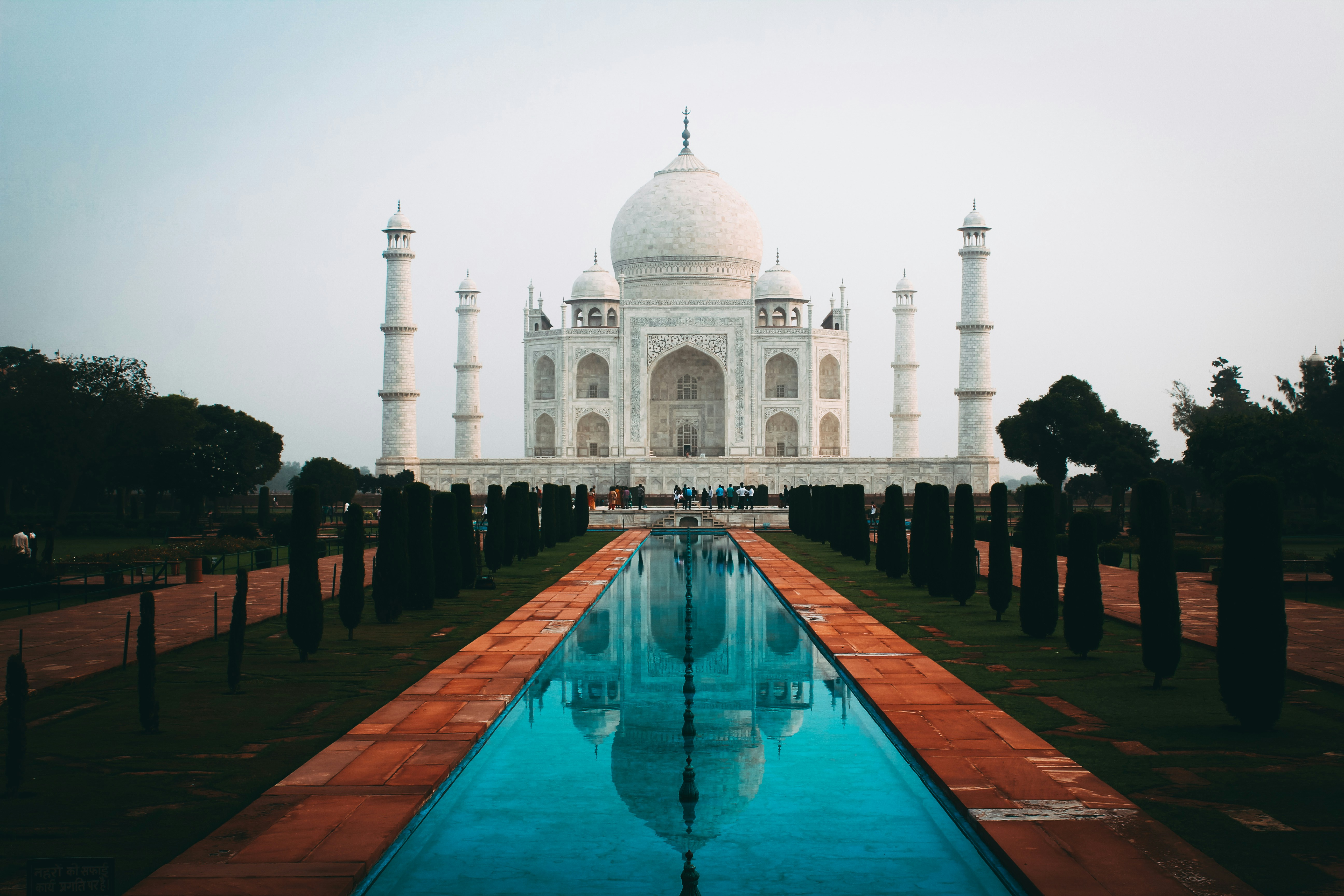
TL;DR: India Travel Cost by Budget Type
India is still one of the best-value long-haul trips you can take, with many travellers spending roughly $18–30 a day on a budget, $70+ a day mid-range, and $150+ a day luxury. In practical terms, the answer to how much India trip cost depends mostly on your sleep style, transport choices, and how often you eat in restaurants versus local spots. According to Hello’s India travel budget guide, budget travellers can keep a full week around $180–250, while mid-range travellers often land around $70 per day.
India Daily Expenses: What Your Budget Covers in 2026
A realistic India daily expenses budget usually includes accommodation, food, local transport, attractions, and a small buffer for extras. For backpackers, India can work on ₹1,200–3,500 per day; for comfortable mid-range travel, ₹3,000–5,000 per day is common; and for luxury travel, budgets often start at ₹6,000–13,500+ per day according to recent 2026 budget guides.
Here’s a simple breakdown of typical costs you might see on the ground:
| Expense | Budget Traveller | Mid-Range Traveller | Luxury Traveller |
|---|---|---|---|
| Bed or room | ₹500–1,500 | ₹2,000–4,500 | ₹6,000+ |
| Meals | ₹300–800 | ₹1,000–2,500 | ₹3,000+ |
| Local transport | ₹150–400 | ₹400–1,000 | ₹1,500+ |
| Sightseeing | ₹100–500 | ₹500–1,500 | ₹2,000+ |
| Extra buffer | ₹150–500 | ₹500–1,500 | ₹2,000+ |
In practical terms, you can reduce costs fast by using trains, metro systems, street food, and guesthouses instead of private cars and upscale hotels. If you’re planning routes across Delhi, Agra, Jaipur, Varanasi, or Kerala, keep in mind that costs rise in major cities and tourist hotspots, especially during peak season.
India Travel Budget Guide: Budget, Mid-Range, and Luxury Daily Costs
The clearest way to estimate India travel cost is to match your style to a daily spending tier. Recent India budget guides consistently show a low-cost backpacking range of about ₹1,200–3,500 ($14–42), a comfort range of ₹3,000–5,000 ($36–60), and a luxury range of ₹6,000–13,500+ ($72–162+) per day.
| Travel style | Daily spend in INR | Daily spend in USD | What it usually includes |
|---|---|---|---|
| Budget | ₹1,200–3,500 | $14–42 | Dorms or simple guesthouses, street food, buses, basic sightseeing |
| Mid-range | ₹3,000–5,000 | $36–60 | Private rooms, restaurant meals, occasional taxis, paid attractions |
| Luxury | ₹6,000–13,500+ | $72–162+ | Boutique or high-end hotels, fine dining, private drivers, premium experiences |
A useful real-world example: a solo traveller doing North India on a budget might spend around ₹2,000–3,000 a day in places like Jaipur or Agra, while a traveller mixing boutique stays, intercity cabs, and guided tours could easily move into the ₹5,000+ range. If you want a more exact trip estimate, start with accommodation first, then add food, transport, and entry fees.
How Much Does an India Trip Cost by Region and Route?
Where you go in India changes your daily cost more than most travellers expect. Northern heritage circuits like Delhi–Agra–Rajasthan can be very affordable, while Mumbai, Goa, and Himalayan routes often push budgets higher because of demand, fuel logistics, and seasonal pricing.
A practical regional snapshot from current budget guides looks like this:
| Region | Backpacker | Mid-range | Luxury |
|---|---|---|---|
| North India | $25–35 | $55–80 | $150–200 |
| West India | $30–40 | $60–90 | $160–220 |
| South India | $20–30 | $50–75 | $140–190 |
| East India | $22–32 | $52–78 | $145–195 |
| Himalayan regions | $30–45 | $70–100 | $180+ |
If you’re planning a classic first trip, Delhi, Agra, and Jaipur give strong value because budget hotels, food, and train links are widely available. Goa and Mumbai usually cost more for accommodation and taxis, especially in high season. In the mountains, daily costs rise because transport is slower and food and lodging are harder to source cheaply.
Money-Saving Tips for India Budget Travel and Practical Spending Habits
The easiest way to lower India daily expenses is to spend like locals do for transport, food, and payment methods. Recent guides show that many solo travellers can live on ₹1,800–2,200 a day with careful choices, while a tighter backpacking setup can drop closer to ₹1,200–1,700 a day.
A few high-impact tips:
- Book trains early for popular routes, especially overnight journeys and holiday periods.
- Use metro systems in Delhi, Mumbai, and other major cities instead of taxis when possible.
- Eat at busy local restaurants or street-food stalls with high turnover for value and freshness.
- Carry a card plus cash, because smaller vendors may not accept cards.
- Track expenses daily so small purchases do not quietly inflate your budget.
If you use Hello’s budget tracking tools, it is easier to log meals, rickshaws, and sightseeing costs in one place, especially if you’re travelling with friends and splitting expenses across different currencies. For travellers who need connectivity on arrival, an Hello eSIM for India can help you avoid hunting for a local SIM at the airport and get online faster for maps, bookings, and ride apps.
Common Questions About India Travel Cost
Most travellers can answer their India budget by first deciding whether they want basic comfort or a more relaxed trip. In 2026, a frugal traveller may spend around $15–25 per day, a comfortable mid-range traveller about $50–90 per day, and a luxury traveller $150+ per day depending on city, season, and activities.
How much does India trip cost for 2 weeks? A budget two-week trip can often stay around $250–500 per person if you keep meals, transport, and lodging simple, while mid-range travellers commonly spend $700–1,300+ depending on route and hotel choice.
Is India cheap for food and transport? Yes. Local meals, metro rides, buses, and trains are usually inexpensive compared with many long-haul destinations, but premium hotels, private drivers, and domestic flights can raise the total quickly.
What should I budget for attractions? Many temples and neighbourhood walks are free or low-cost, but major sights and guided experiences add up. A smart rule is to reserve 10–20% of your daily budget for entry fees and activities, especially in famous places like the Taj Mahal or Jaipur’s fort circuit.
Do I need cash in India? Yes. Cards are widely accepted in many hotels and restaurants, but cash still matters for taxis, markets, tips, and small local vendors.
Best Way to Plan India Daily Expenses Before You Go
The best India budget guide is one that matches your route, not just your travel style. Start by estimating your accommodation, then add food, local transport, and a sightseeing buffer; that usually gives a much more accurate figure than guessing a single trip total.
A simple planning formula looks like this:
- Budget trip: ₹1,500–3,000 per day
- Comfort trip: ₹3,500–6,000 per day
- Luxury trip: ₹8,000+ per day
If you are building a longer itinerary through India, it helps to track spending from day one so you can see where costs spike — often this is intercity transport, one or two splurge hotels, or last-minute activity bookings. Hello’s expense splitting and multi-currency tracking are especially useful for couples and groups, because they keep the total transparent while you move between cities, currencies, and travel styles.
For travellers who want a connected arrival, pairing your budget plan with a Hello eSIM for India makes it easier to check train times, compare ride options, and keep daily spending under control without relying on airport Wi‑Fi.
Explore These Destinations
Stay Connected
Book this trip
Compare options on trusted travel sites
Plan flights for this trip
Continue to a reviewed booking partner to check current routes, fares, and terms.

Plan stays for this trip
Continue to a reviewed booking partner to check current property details and terms.
Track your India trip budget
Split expenses with friends, track spending by category, and see real-time currency conversions — all in one app.
Related Articles
India Currency & Money Guide: Exchange, Cards, and Tips
Currency exchange, credit card acceptance, ATM tips, tipping culture, and money-saving advice for India.
27 July 2026
India Safety Guide: Tips for a Safe Trip
Safety tips, health advisories, emergency contacts, common scams, and travel insurance advice for India.
18 July 2026
Holi Festival India Guide: The Festival of Colours
Experience Holi in India — best cities, safety tips, what to wear, and cultural etiquette.
15 July 2026