3 Days in India: A Day-by-Day Itinerary
A detailed 3-day itinerary for India with daily activities, costs, neighborhoods, and transport tips.
By Hello Travel Team
This article contains affiliate links. If you book through them, Hello may earn a commission at no additional cost to you. Our editorial recommendations are independent. Learn more.
- 1
Old Delhi Arrival & Heritage Walk
- MorningAirport transfer to Paharganj or Connaught Place~$15
- Late MorningVisit Jama Masjid and Chandni Chowk~$3
- AfternoonStreet-food lunch in Chandni Chowk~$5
- AfternoonExplore Red Fort and Khari Baoli spice market~$10
- EveningDinner in Paharganj or Connaught Place~$10
Old DelhiPaharganjConnaught PlaceTake airport taxi or app-based ride (~$15) in the morning; use Delhi Metro and rickshaws (~$5–8 total) between Old Delhi and Connaught Place.
Budget$50Mid-range$120Luxury$200 - 2
New Delhi Boulevards, Museums & Gardens
- MorningBreakfast and walk around Connaught Place~$8
- Late MorningVisit India Gate and Rashtrapati Bhavan area~$2
- AfternoonMuseum visit (National Museum or NGMA)~$8
- AfternoonLunch in Khan Market or Lodhi Colony~$15
- EveningSunset walk in Lodhi Gardens
- EveningDinner in Hauz Khas Village or Khan Market~$20
Connaught PlaceIndia GateKhan MarketLodhi GardensHauz KhasUse metro between Connaught Place, Khan Market, and Hauz Khas (~$3–5 total); occasional auto-rickshaw or taxi (~$5–10) for comfort and late-night returns.
Budget$60Mid-range$120Luxury$220 - 3
Humayun’s Tomb, Akshardham & Markets
- MorningVisit Humayun’s Tomb~$8
- Late MorningTaxi to Akshardham Temple and complex visit~$10
- AfternoonLunch in Sarojini Nagar or Lajpat Nagar market~$8
- EveningSunset visit to Gurudwara Bangla Sahib~$2
- EveningShopping and dinner at Dilli Haat~$20
- NightTransfer back to hotel or airport~$15
NizamuddinEast Delhi (Akshardham)Sarojini NagarLajpat NagarCentral DelhiDilli HaatCombine metro rides (~$3–5) with 2–3 app-based taxi trips (~$10–20 total) for Humayun’s Tomb, Akshardham, and Dilli Haat; allow extra time for traffic when heading to the airport.
Budget$50Mid-range$110Luxury$270
Trip Summary
Trip starter
Turn this 3-day itinerary into a Hello trip
Start with a prefilled trip for India, then add dates, invite friends, track expenses, and pick an eSIM before you land.
Name and destination carried into the app.
Split costs and settle up during the trip.
Choose data for the destination before departure.
TL;DR: A Perfect 3-Day India Itinerary in New Delhi
A 3-day India itinerary is best spent in New Delhi, mixing Mughal-era landmarks, bustling bazaars, and modern cafés, with daily budgets ranging from about $50 to $270 per person in 2026 depending on whether you choose budget, mid-range, or luxury stays and dining. This India 3 day itinerary focuses on central and Old Delhi so you spend more time exploring and less time in transit.
Think of this India travel plan as a flexible framework: Day 1 covers Old Delhi highlights, Day 2 focuses on New Delhi’s grand boulevards and museums, and Day 3 adds spiritual sites, markets, and a sunset finale. You can swap days around depending on flight schedules or jet lag.
According to India’s Ministry of Tourism, India welcomed over 6.2 million foreign tourists in 2023, with Delhi and Agra among the most visited destinations, making this India trip planner ideal for first-time visitors wanting classic sights without rushing between cities. In 2026, you can expect metro rides to cost around $0.30–1 per trip and local meals from $3–5 at neighborhood restaurants, keeping overall costs manageable if you’re mindful about accommodation and transport.
Throughout the trip, use the Hello app’s budget tracking and expense splitting to keep on top of rupee spending, and consider an eSIM from Hello to arrive in India already connected and ready to book rides, check metro routes, and translate menus on the go.
Day 1 India Itinerary: Old Delhi Heritage & Street Food
Day 1 in Delhi is best spent in Old Delhi, exploring Mughal-era monuments and vibrant bazaars with a mix of walking, metro, and short tuk-tuk rides, and a typical daily spend from $50 (budget) to $200 (luxury) in 2026, not including flights. This India itinerary kicks off with history and food.
Morning (8:00–12:00) – Start at Jama Masjid, one of India’s largest mosques, built in the 17th century under Emperor Shah Jahan. Entry is free, but camera fees and clothing rental can run $1–3. From there, walk or take a cycle rickshaw ($1–2) to nearby Chandni Chowk, one of Delhi’s oldest markets, where you’ll find chaats, jalebi, and parathas. A filling street-food breakfast is around $2–4 per person in 2026.
Afternoon (12:00–17:00) – Head to Red Fort (Lal Qila), a UNESCO World Heritage Site whose sandstone walls date back to 1639. Foreign visitor tickets are approximately $6–8 in 2026 per the Archaeological Survey of India. Afterwards, visit the Jain temples or spice market (Khari Baoli) and pick up tea or spices. Use the metro from Chandni Chowk station for $0.30–0.60 per ride.
Evening (17:00–21:00) – Finish with a food walk in Old Delhi or dinner at a local restaurant in Paharganj or Connaught Place. Expect $5–10 per person for a sit-down meal, or $10–20 for mid-range. Track each rickshaw fare and meal in the Hello app using voice expense entry so you can see your Day 1 spend at a glance.
Day 2 India 3 Day Itinerary: New Delhi Landmarks & Museums
Day 2 in this India 3 day itinerary focuses on New Delhi’s wide boulevards, gardens, and museums, with a typical spend ranging from $60 for budget travelers to $220 for those choosing taxis and premium dining in 2026. This day balances major landmarks with relaxed green spaces.
Morning (8:00–12:30) – Start at India Gate, the World War I memorial built in the 1930s, then stroll or drive along Rajpath (renamed Kartavya Path in 2022) toward Rashtrapati Bhavan, the Presidential residence. There is no fee to see the area from outside. Grab breakfast at a café in Connaught Place (CP) for $4–8 per person. Auto-rickshaws between CP and India Gate cost about $1–3 depending on bargaining.
Afternoon (12:30–17:30) – Head to the National Museum or the National Gallery of Modern Art, with entry fees in the $3–6 range for foreign visitors in 2026 according to cultural ministry data. Alternatively, visit the Gandhi Smriti museum to learn about Mahatma Gandhi’s life. For lunch, mid-range restaurants around Khan Market or Lodhi Colony typically charge $8–15 per person.
Evening (17:30–21:30) – Spend sunset at Lodhi Gardens, a popular local park filled with 15th-century tombs. Then have dinner in Hauz Khas Village or back in Khan Market: budget meals are $5–10, while trendy restaurants can run $15–25 per person. Use Hello’s multi-currency tracking to convert rupee expenses to your home currency automatically, and split your dinner bill with friends via Hello’s expense splitting so everyone pays their share.
Day 3 India Travel Plan: Spiritual Sites, Shopping & Sunset
Day 3 of your India travel plan combines spiritual sites, last-minute shopping, and a relaxing sunset, with typical daily costs from about $50 for careful spenders to $270 if you add premium spa treatments and fine dining in 2026. It’s the perfect finale before onward travel.
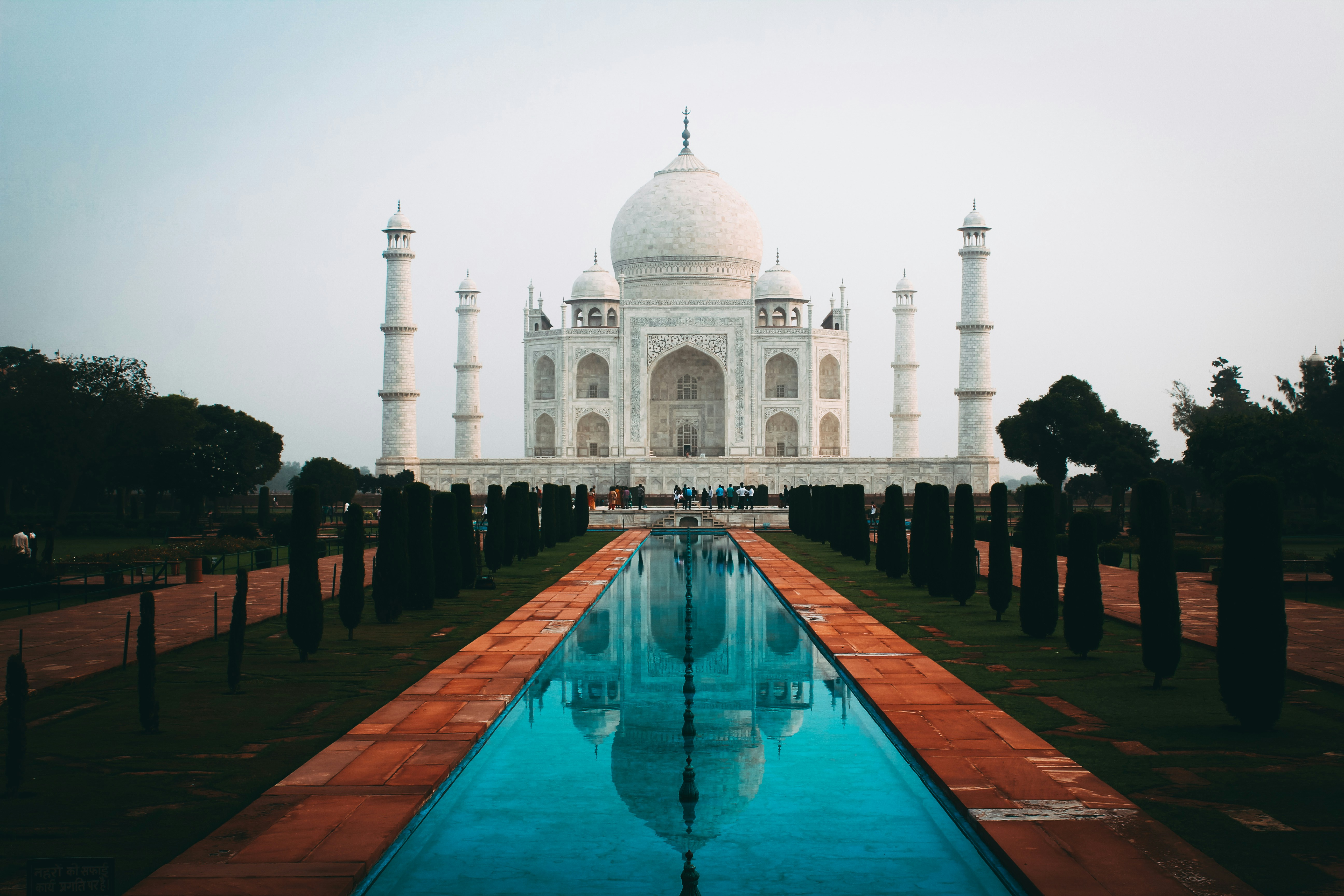
Morning (8:00–12:30) – Visit Humayun’s Tomb, a UNESCO-listed site completed in 1570 and often cited as a precursor to the Taj Mahal. Entry for foreign tourists is around $6–7 as per the Archaeological Survey of India. From there, take an app-based taxi to Akshardham Temple for roughly $3–7 depending on traffic.
Afternoon (12:30–17:00) – Explore Akshardham’s ornate carvings and exhibitions (note that phones and cameras are restricted; check current rules before visiting). Suggested donations and exhibit tickets vary, but you should budget $5–10. For lunch, head to Sarojini Nagar or Lajpat Nagar market where local thalis cost $3–6 and popular street snacks around $1–3.
Evening (17:00–21:30) – End at Gurudwara Bangla Sahib for a serene sunset visit; remember to cover your head and remove shoes as a sign of respect. Donations are optional. Later, shop for handicrafts at Dilli Haat where entry is roughly $0.50–1 and souvenirs can range from $3–30. Track your final shopping spree in the Hello app with AI receipt scanning and automatic categorization so you know exactly how much you spent on gifts versus food.
Transport, Neighborhoods & Costs: Making Your India Trip Planner Practical
The most practical India trip planner for 3 days in Delhi centers around Old Delhi, Connaught Place, and South Delhi, using the metro, tuk-tuks, and app-based taxis to keep transport costs at roughly $5–15 per person per day in 2026. Staying central reduces time stuck in traffic.
For this India itinerary, consider basing yourself in:
- Paharganj/Old Delhi for budget guesthouses and easy bazaar access.
- Connaught Place (CP) for mid-range hotels and metro connectivity.
- South Delhi (Hauz Khas, Greater Kailash) for boutique and luxury stays.
Delhi Metro rides generally cost under $1 per trip, and according to Delhi Metro Rail Corporation, daily ridership exceeds 5 million, showing how reliable locals find it. Auto-rickshaws and cycle rickshaws are great for short hops, costing $1–3 for 2–3 km if you negotiate beforehand. App-based taxis (like standard ride-hailing services) usually range $2–8 across central areas, depending on time of day and traffic.
Here is a quick comparison of typical daily budgets in 2026 for this India travel plan:
| Tier | Accommodation (per night) | Food & Drink (per day) | Transport (per day) | Total Daily Estimate |
|---|---|---|---|---|
| Budget | $15–25 | $10–15 | $5–8 | ~$50 |
| Mid-range | $40–70 | $20–35 | $8–12 | ~$120 |
| Luxury | $120–220 | $40–80 | $12–20 | ~$270 |
Use Hello’s budget tracking to compare your planned daily spend with real-time expenses, so your India 3 day itinerary stays aligned with your financial comfort level.
Staying Connected & Tracking Expenses: How Hello eSIM Helps in India
The easiest way to stay connected and on top of expenses during a 3-day India itinerary is to use Hello eSIM for India plus the Hello app’s budget tools, so you arrive online, can book rides instantly, and track every rupee spent without juggling paper receipts. Connectivity makes Delhi much less stressful.
Hello offers eSIM data plans for over 200 countries, including India, with instant activation and plan sizes starting from 5GB. You can purchase and activate your Hello eSIM for India before flying so that your phone connects to local networks as soon as you land, letting you use ride-hailing apps, maps, and translation tools from the airport.
Expense-wise, Delhi’s mix of cash and digital payments can make tracking tricky. The Hello app solves this with AI receipt scanning in any language and currency, voice expense entry when you’re in a hurry, and multi-currency tracking with automatic exchange rates. If you’re traveling with friends, Hello’s expense splitting supports multiple currencies, converting each share automatically so no one has to manually calculate rupees to dollars or euros.
Available on iOS, Android, and via travelwithhello.com, Hello also includes trip planning features, so you can store your India travel plan, note reservation times, and compare real spending against your planned budget for each day. This is especially useful on short trips, where transport, entry fees, and spontaneous street-food stops can add up faster than you expect.
Common Questions About a 3-Day India Itinerary in Delhi
A 3-day India itinerary in Delhi works best when you focus on Old Delhi, central New Delhi, and South Delhi, with daily spending between $50 and $270 in 2026 and a mix of metro, tuk-tuks, and taxis for transport. Here are clear answers to the most common trip-planning questions.
Q: Is 3 days enough for India?
A: Three days is enough for a focused introduction to India via Delhi, covering major sites like Jama Masjid, Red Fort, India Gate, Humayun’s Tomb, and Akshardham. You won’t see the whole country, but you’ll get a strong first impression of Mughal history and modern urban life.
Q: How much does a 3-day India travel plan cost?
A: In 2026, budget travelers can manage around $150 total, mid-range travelers about $350, and luxury guests roughly $800 for three days, excluding flights. These figures cover accommodation, food, local transport, and standard entry fees.
Q: Is Delhi safe for solo travelers?
A: Central and tourist-focused areas of Delhi are busy and generally safe when you follow normal urban precautions such as avoiding poorly lit streets at night, using registered taxis, and keeping valuables secure. Many solo travelers choose metro and app-based taxis for reliability.
Q: Do I need mobile data in India?
A: Mobile data is extremely helpful for maps, ride-hailing, and translation. Using an eSIM from Hello means you can avoid searching for local SIMs at the airport and track all your India trip planner costs directly in the Hello app while online.
Q: Which neighborhood should I stay in?
A: For budget, Paharganj or Old Delhi; for mid-range, Connaught Place; and for luxury, South Delhi areas like Hauz Khas or Greater Kailash offer good access to metro lines and key sights.
Explore These Destinations
Stay Connected
Book this trip
Compare options on trusted travel sites
Plan stays for this trip
Continue to a reviewed booking partner to check current property details and terms.

Make the most of India
From eSIM connectivity to expense tracking, Hello is the all-in-one companion that keeps your trip stress-free.
Related Articles
India Currency & Money Guide: Exchange, Cards, and Tips
Currency exchange, credit card acceptance, ATM tips, tipping culture, and money-saving advice for India.
27 July 2026
India Safety Guide: Tips for a Safe Trip
Safety tips, health advisories, emergency contacts, common scams, and travel insurance advice for India.
18 July 2026
Holi Festival India Guide: The Festival of Colours
Experience Holi in India — best cities, safety tips, what to wear, and cultural etiquette.
15 July 2026