Key Takeaways
- ✓Singapore is a year-round destination in 2026; focus on crowds and prices more than weather when choosing travel dates.
- ✓Plan daily budgets around SGD 70–110 (budget), 150–250 (mid-range), or 350+ (luxury), excluding flights and major shopping.
- ✓Use MRT, buses, and walking as your main transport, adding taxis only when needed for convenience or late-night travel.
- ✓Activate Hello eSIM before or upon arrival to stay connected instantly and use Hello’s budgeting and trip planning features.
- ✓Choose 3, 5, or 10-day itineraries based on whether you prioritize highlights, deeper neighborhood exploration, or slow travel.
- ✓Rely on hawker centers for affordable, authentic food, and mix in casual or fine-dining venues for variety and special occasions.
- ✓Check visa rules and passport validity well before departure, and keep copies of key documents and insurance handy.
- ✓Combine this pillar guide with cluster articles on budget, transport, food, culture, safety, and itineraries to fine-tune your Singapore trip.
Singapore packs world‑class sights, incredible food, and ultra‑efficient transport into a compact, easy‑to‑navigate city-state—making it one of Asia’s most effortless destinations to explore. This Complete Singapore Travel Guide 2026 gives you everything you need to plan a smooth, memorable trip: when to go, how much to budget, visa rules, transport, eSIM connectivity, safety, and more.
You’ll find big‑picture overviews plus links to detailed articles like Singapore Travel Budget Guide: Daily Costs and Money Tips, Getting Around Singapore: Transport Guide for Travellers, and Singapore Food Guide: Must-Try Dishes, Prices, and Tips. We also pull everything together with comparison tables, decision frameworks, and “at a glance” summaries to help you quickly choose the best timings, budget level, and itinerary.
Whether you have 3 days or 10, solo or with friends, this guide walks you through visas and entry, choosing the right Hello eSIM plan, planning a realistic daily budget, navigating MRT and buses, and staying safe and culturally aware. Use it as your primary trip planner, then dive into the linked cluster articles for deep, on‑the‑ground details once you’ve sketched out your perfect Singapore adventure.
Why Visit Singapore in 2026
Singapore in 2026 is a compact, ultra-modern gateway to Southeast Asia, blending futuristic skylines with historic neighborhoods, hawker food culture, and lush green spaces—perfect for first-time Asia travellers or anyone pairing Singapore with nearby destinations like Thailand and Japan.
This city-state stands out for how easy it is to travel: English is widely spoken, public transport is among the best in the world, and safety standards are high. As of 2026, Singapore continues to invest heavily in tourism infrastructure, sustainability, and new attractions, meaning repeat visitors always find something new—whether it’s refreshed waterfront promenades or evolving hawker centers.
Compared to many regional capitals, Singapore is more expensive, but what you get in return is reliability and convenience. Clean streets, predictable costs, efficient airports, and fast digital connectivity (especially with Hello eSIM) make it ideal for short stopovers and longer city breaks.
Use this pillar guide as your “big map” of Singapore, then jump into detailed cluster articles for specific topics:
- For cultural context and etiquette, see the Singapore Cultural Guide: Etiquette, Customs, and Tips.
- For on-the-ground safety and health advice, visit the Singapore Safety Guide: Tips for a Safe Trip.
- For sample itineraries from quick visits to extended stays, use the 3-, 5-, and 10-day plans linked throughout this guide.
Whether you’re here for food, shopping, nature, or just a smooth city experience, Singapore in 2026 is one of Asia’s easiest—and most rewarding—destinations to visit.
Singapore Cultural Guide: Etiquette, Customs, and Tips
Safety & HealthSingapore Safety Guide: Tips for a Safe Trip
Itineraries3 Days in Singapore: A Day-by-Day Itinerary
ItinerariesSingapore in 5 Days: The Perfect Extended Itinerary
ItinerariesSingapore in 10 Days: The Ultimate Travel Itinerary
Best Time to Visit Singapore
You can visit Singapore year-round in 2026—temperatures and humidity are consistently high—but planning around rain, crowds, and prices helps you get the best experience, especially if you’re connecting onwards to Japan or Thailand.
Singapore has a tropical, equatorial climate with daytime temperatures usually around 30–33°C and high humidity above 70% most of the year. There’s no distinct “winter” or “summer,” but there are better and busier periods.
Here’s an at-a-glance comparison:
| Season (approx.) | Weather & Rain | Crowds & Prices | Best For |
|---|---|---|---|
| Jan–Mar | Warm, occasional showers; Chinese New Year peak | Higher prices, busy events | Festivals, city buzz |
| Apr–Jun | Hot, humidity feels higher; pre–SW monsoon | Moderate crowds | Outdoor attractions, Sentosa |
| Jul–Sep | Southwest monsoon, more frequent rain | Slightly lower prices | Museums, shopping, food trips |
| Oct–Dec | Inter-monsoon, thunderstorms common | Year-end holidays = busy | Christmas lights, city breaks |
Because weather is fairly stable, your main decision is crowd and price level rather than climate. If you want fewer crowds and slightly better hotel deals, aim for July–September. For events and festive atmosphere (but higher prices), January–February and December are excellent.
When planning itineraries, match your season to activities:
- Use 3 Days in Singapore: A Day-by-Day Itinerary for short city breaks.
- Follow Singapore in 5 Days: The Perfect Extended Itinerary if you want a balanced mix of indoor and outdoor days.
- For deeper exploration over multiple weather patterns, see Singapore in 10 Days: The Ultimate Travel Itinerary.
Whatever month you choose, pack light, breathable clothing and a compact umbrella or rain jacket—sudden showers are part of the daily rhythm.
Singapore Travel Budget Overview (2026)
Singapore is one of Asia’s pricier destinations, but with smart planning and local food choices, you can still enjoy the city on a reasonable budget in 2026—especially if you use tools like Hello’s budget tracking and the Singapore Travel Budget Guide: Daily Costs and Money Tips.
As of 2026, here’s a rough daily budget comparison per person (excluding flights):
| Travel Style | Daily Budget (SGD) | Key Inclusions |
|---|---|---|
| Budget | 70–110 | Hostel/shared room, hawker centers, MRT/bus, 1–2 paid attractions |
| Mid-range | 150–250 | 3-star hotel, mix of hawker & casual restaurants, attractions, some shopping |
| Luxury | 350+ | 4–5-star hotels, fine dining, rooftop bars, taxis, premium experiences |
Budget travellers can stretch their dollars by:
- Eating mainly at hawker centers and food courts, detailed in the Singapore Food Guide: Must-Try Dishes, Prices, and Tips.
- Using public transport instead of taxis; see Getting Around Singapore: Transport Guide for Travellers.
- Taking advantage of free attractions—gardens, waterfronts, and neighborhood walks.
For money logistics like currency, exchange, ATMs, and cards, the Singapore Currency & Money Guide: Exchange, Cards, and Tips breaks down practical details, including how widely cards are accepted and how much cash you realistically need.
Hello’s expense splitting and budget tracking features help groups manage shared costs like hotel, dining, and transport. Log expenses in the app as you go, then compare your real-time spending against the daily ranges above.
Use the cluster budget guide for specific price examples (meals, transport, attractions), while this pillar section gives you the big-picture view to decide whether your trip will be backpacker-friendly, comfort-focused, or full-on luxury.
Visa & Entry Requirements (Big-Picture View)
In 2026, Singapore maintains clear but strict entry rules: check your visa requirements, passport validity (usually at least six months), and any onward ticket or financial proof before you fly—then use our dedicated entry guide for detailed, up-to-date instructions.
This pillar guide focuses on the decision framework, while Singapore Visa & Entry Requirements for Singapore Passport Holders walks you through specifics for Singapore citizens returning or visiting.
For international travellers, entry rules vary depending on your nationality, purpose of visit, and intended length of stay. Many travellers from Europe, North America, and parts of Asia enjoy short-term visa-free entry for tourism, but others must arrange a visa in advance. As of 2026, airlines and immigration officers may also check:
- Proof of onward or return travel
- Sufficient funds for your stay
- Accommodation details (hotel booking or address of your host)
To keep things simple, use this pre-trip entry checklist framework:
- Check your nationality’s rules on the official ICA (Immigration & Checkpoints Authority) site or your government’s travel advisory.
- Confirm passport validity (aim for 6+ months beyond your departure date).
- Review customs allowances for items like alcohol, tobacco, medicine, and electronics.
- Save digital copies of your passport, bookings, and travel insurance in secure cloud storage.
Returning or dual-national Singapore passport holders will find tailored guidance in the cluster article, including customs allowances and re-entry tips.
If you’re combining Singapore with regional trips to Thailand or Japan, check that your passport and visas cover the entire multi-country itinerary—don’t just plan for Singapore in isolation.
Getting Around Singapore: Transport at a Glance
Singapore’s transport system in 2026 is fast, clean, and reliable—MRT trains, buses, and walking will cover most of your sightseeing, with taxis and ride-hailing as comfortable supplements. Once you understand a few basics, getting around the city is remarkably simple.
The Getting Around Singapore: Transport Guide for Travellers dives deep into airport transfers, fare cards, and route examples. This pillar section gives you the overview and decision shortcuts:
Core options:
- MRT (Metro): Best for most visitors; stations are well-signed, air-conditioned, and connect major sights (Changi, Marina Bay, Orchard Road, Chinatown, Little India, Sentosa).
- Public buses: Excellent coverage, useful for shorter hops or reaching parks and residential areas.
- Walking: Very manageable in central areas, especially the Civic District, Marina Bay, and Orchard.
- Taxis & ride-hailing: More expensive but convenient late at night or for door-to-door trips.
A simple transport choice framework:
- Short city hops (1–5 km): Walk or MRT.
- Cross-city trips: MRT first, taxi if connections are awkward.
- Airport to city: MRT is cheapest; taxis are easiest with luggage.
Pair the transport guide with the itineraries:
- 3 Days in Singapore: A Day-by-Day Itinerary shows typical MRT and walking patterns.
- Singapore in 5 Days: The Perfect Extended Itinerary balances MRT, buses, and taxis across more neighborhoods.
- Singapore in 10 Days: The Ultimate Travel Itinerary guides you through multi-day, multi-district planning.
If you’re using Hello, log transport costs in the app’s budget tracker to see how MRT vs taxis affect your daily spending over time.
Food & Dining: Singapore’s Essential Flavours
Singapore’s food scene is reason enough to visit in 2026: hawker centers, kopitiams, and modern restaurants blend Chinese, Malay, Indian, and Peranakan influences into one of the world’s most exciting everyday dining cultures.
Our detailed Singapore Food Guide: Must-Try Dishes, Prices, and Tips lists specific dishes, prices, and neighborhoods. This pillar section gives you the strategic overview.
Think of Singapore food in three layers:
- Hawker centers: Affordable, authentic, and social. Expect classics like chicken rice, laksa, satay, roti prata, and nasi lemak at prices far below sit-down restaurants.
- Casual restaurants & cafes: Great for air-conditioning, ambience, and more international menus—ideal when you want variety or specific dietary options.
- Destination dining & bars: High-end restaurants, rooftop bars, and hotel buffets for special nights out.
Use this quick food decision guide:
- Travelling on a budget? Aim for hawker centers 2–3 meals per day.
- Want balance? Mix hawker lunches with casual restaurant dinners.
- Celebrating? Reserve at least one rooftop or fine-dining experience.
The food cluster article also covers:
- Typical local dish prices as of 2026
- Tips for ordering, paying, and saving seats
- Dietary notes (vegetarian, halal, allergies) and food safety advice
Because food can be a major budget line, combine the dining guide with the Singapore Travel Budget Guide: Daily Costs and Money Tips to estimate your daily spend. Log meals in Hello’s expense tracker if you’re splitting bills with friends, especially when you mix hawker stalls and more upscale venues.
Top Experiences & Itinerary Planning
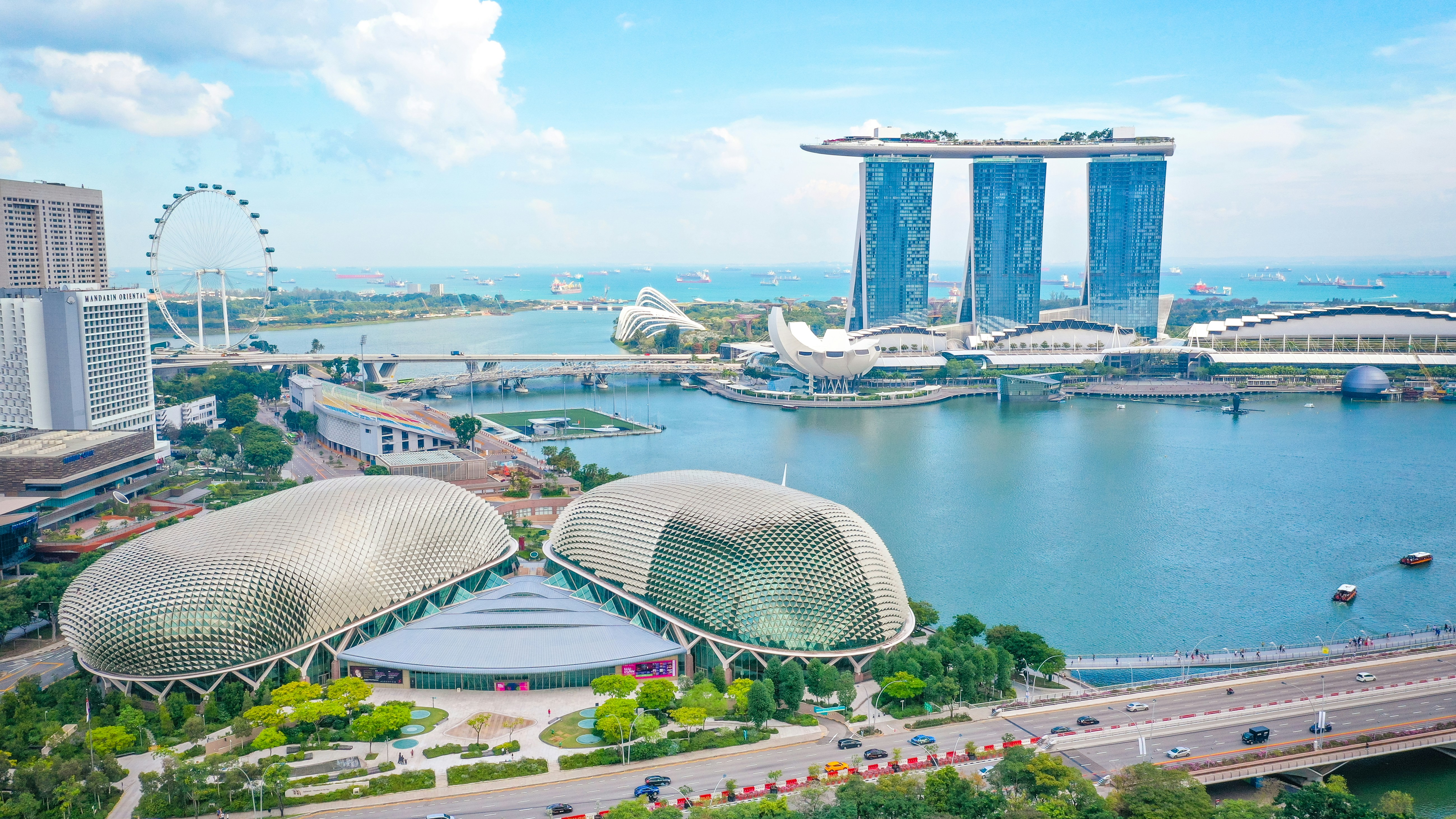
Singapore’s highlights range from Gardens by the Bay and Marina Bay Sands to cultural neighborhoods and nature reserves—so your 2026 trip will feel very different depending on whether you have 3, 5, or 10 days.
The itineraries—3 Days in Singapore: A Day-by-Day Itinerary, Singapore in 5 Days: The Perfect Extended Itinerary, and Singapore in 10 Days: The Ultimate Travel Itinerary—offer detailed day-by-day plans. Here, we’ll give you a top experience map and a simple planning framework.
Core must-see experiences:
- Marina Bay & Gardens by the Bay: City skyline, Supertrees, evening light shows.
- Cultural districts: Chinatown, Little India, Kampong Glam for temples, shophouses, and street life.
- Sentosa Island: Beaches, attractions, and family-friendly entertainment.
- Nature & green spaces: Botanic Gardens, MacRitchie Reservoir, and urban park connectors.
Quick itinerary choice guide:
- 3 days: Focus on Marina Bay + 1–2 cultural districts + one nature or Sentosa afternoon.
- 5 days: Add more neighborhoods, museums, and flexible food exploration.
- 10 days: Slow down, revisit favorite areas, and include offbeat parks or suburbs.
Use this decision tree:
- Love food? Prioritize hawker centers in every neighborhood and plan hotel near MRT lines.
- Travelling with kids? Tilt towards Sentosa, playgrounds, and indoor attractions.
- Nature lover? Add early-morning walks and garden visits.
Once you choose your rough trip length, open the corresponding itinerary article to copy or adapt the daily structure. Layer in real-time tools like Hello’s trip planning features to keep bookings, notes, and budget in one place.
Connectivity in Singapore: Hello eSIM & Staying Online
Staying connected in Singapore in 2026 is straightforward: free Wi‑Fi is common, mobile networks are fast, and Hello eSIM makes it easy to arrive with data ready—no need to queue for physical SIM cards or deal with paper forms.
The dedicated eSIM for Singapore: Best Plans, Coverage, and Setup Tips article explains plan options, coverage details, and step-by-step setup. This pillar section gives you the high-level strategy.
With Hello eSIM, you can:
- Activate data before landing so your phone connects as soon as you switch off airplane mode.
- Avoid hunting for SIM kiosks at Changi Airport.
- Use Hello’s trip tools (budget tracking, expense splitting, planning) seamlessly while on the move.
A simple connectivity decision framework:
- Short trip (3–5 days): Choose a smaller Hello eSIM data package, sufficient for maps, messaging, and light browsing.
- Longer stay (7–10+ days): Opt for a larger data bundle to cover streaming, navigation, and remote work if needed.
- Multi-country trip (e.g., Thailand and Japan plus Singapore): Consider Hello eSIM coverage that spans multiple destinations so you don’t juggle different local SIM cards.
The eSIM cluster guide also covers troubleshooting, tethering (hotspot) usage, and tips for saving data—like downloading offline maps and using Wi‑Fi in hotels and malls.
Once connected, use Hello to organize shared costs, track your spending against the budget ranges in this guide, and store important trip details like accommodation addresses and emergency contacts.
Culture, Safety & Practical Tips
Singapore in 2026 is one of the safest and most orderly cities in the world, with diverse cultures and clear social norms—understanding basic etiquette and safety tips will help you feel comfortable and respectful from day one.
Two key cluster articles support this section:
Culturally, Singapore is a mix of Chinese, Malay, Indian, and many other communities, with English widely used as a working language. You’ll find religious sites, hawker centers, and shopping streets side by side. The cultural guide explains greetings, dress norms, and useful phrases, plus dos and don’ts—for example, being respectful around temples and mosques, and avoiding littering or eating on public transport where prohibited.
Safety-wise, Singapore’s crime rates are low, but laws are strict. The safety cluster article covers:
- Everyday safety habits
- Common issues (like petty theft in crowded areas)
- Emergency numbers and how to access medical care
- Travel insurance considerations
Use this quick practical checklist:
- Follow local signage and rules, especially around smoking, alcohol, and transport.
- Keep your belongings secure in busy areas and nightlife spots.
- Save emergency contacts and your accommodation address in Hello.
For money-related practicalities, pair this with the Singapore Currency & Money Guide: Exchange, Cards, and Tips, and for smooth daily movement, revisit Getting Around Singapore: Transport Guide for Travellers. Together, these cluster articles and this high-level section give you a confident, well-rounded sense of how to move and behave in Singapore.
Before You Go: Singapore Trip Checklist (2026)
A short pre-departure checklist keeps your Singapore trip in 2026 smooth and stress-free—covering documents, money, connectivity, health, and itinerary basics before you board your flight.
Use this section alongside the cluster guides for deeper detail:
- Singapore Visa & Entry Requirements for Singapore Passport Holders
- Singapore Currency & Money Guide: Exchange, Cards, and Tips
- Singapore Safety Guide: Tips for a Safe Trip
- eSIM for Singapore: Best Plans, Coverage, and Setup Tips
Documents & admin:
- Check passport validity (aim for at least 6 months beyond your return date).
- Confirm visa or visa-free status for Singapore and any side trips to Thailand or Japan.
- Print or save copies of flight tickets, hotel bookings, and travel insurance.
Money prep:
- Read the currency & money guide to understand SGD, typical ATM fees, and card acceptance.
- Notify your bank about international travel, and enable card/app security features.
Connectivity & apps:
- Install Hello and purchase your Hello eSIM for Singapore (and other countries if needed).
- Download offline maps and save key locations (hotel, airport, major sights).
Health & safety:
- Review the safety guide for updated health advisories as of 2026.
- Pack any prescription medicines with original packaging and documentation.
Itinerary & packing:
- Choose a primary itinerary (3, 5, or 10 days) from the cluster articles.
- Pack light, breathable clothing, a portable umbrella, and comfortable walking shoes.
Run through this checklist a week before departure and again the day before—you’ll thank yourself once you arrive in Singapore’s efficient but fast-paced environment.
Singapore Visa & Entry Requirements for Singapore Passport Holders
Currency & MoneySingapore Currency & Money Guide: Exchange, Cards, and Tips
Safety & HealthSingapore Safety Guide: Tips for a Safe Trip
eSIM & ConnectivityeSIM for Singapore: Best Plans, Coverage, and Setup Tips
Itineraries3 Days in Singapore: A Day-by-Day Itinerary
ItinerariesSingapore in 5 Days: The Perfect Extended Itinerary
ItinerariesSingapore in 10 Days: The Ultimate Travel Itinerary
Frequently Asked Questions
How many days do I need in Singapore?
Most travellers find 3–5 days enough to see Singapore’s main highlights—Marina Bay, Gardens by the Bay, a couple of cultural districts, and Sentosa—while 10 days lets you slow down, revisit favorite neighborhoods, and add nature reserves. For concrete day-by-day plans, use 3 Days in Singapore: A Day-by-Day Itinerary, Singapore in 5 Days: The Perfect Extended Itinerary, or Singapore in 10 Days: The Ultimate Travel Itinerary.
Is Singapore expensive to visit in 2026?
Compared with many Southeast Asian destinations, Singapore is relatively expensive in 2026, but costs are predictable. Budget travellers can aim for SGD 70–110 per day, mid-range visitors for SGD 150–250, and luxury travellers for SGD 350+ (excluding flights). For detailed breakdowns of accommodation, food, transport, and attractions, see the Singapore Travel Budget Guide: Daily Costs and Money Tips and Singapore Currency & Money Guide: Exchange, Cards, and Tips.
Do I need a visa to visit Singapore?
Visa requirements depend on your nationality, purpose of visit, and length of stay. Many travellers enjoy short-term visa-free entry for tourism, while others must apply in advance. As a rule of thumb for 2026, ensure your passport is valid for at least six months and check official immigration or government travel advisory sites before booking. Singapore passport holders should use Singapore Visa & Entry Requirements for Singapore Passport Holders for tailored guidance, and all travellers can find safety and documentation tips in the Singapore Safety Guide: Tips for a Safe Trip.
What’s the best way to get around Singapore?
The MRT (metro) and public buses are the most efficient and cost-effective ways to move around Singapore, supplemented by walking in central areas and taxis or ride-hailing for late nights or luggage-heavy trips. Most major sights sit near MRT stations, making route planning easy. For airport transfers, transport cards, and route examples, check Getting Around Singapore: Transport Guide for Travellers, and use the itinerary articles to see how locals and visitors combine MRT, buses, and walking across 3, 5, or 10 days.
How can I stay connected in Singapore with my phone?
In 2026, the easiest way to stay online is to use Hello eSIM for Singapore, activated before or upon arrival so you’re connected as soon as you land. This avoids queues for physical SIM cards and gives you instant access to maps, messaging, and Hello’s budget and planning tools. The eSIM for Singapore: Best Plans, Coverage, and Setup Tips article explains data packages, coverage details, setup steps, and tips for multi-country trips that include Singapore and destinations like Japan or Thailand.
Is Singapore safe for solo travellers and families?
Yes—Singapore is widely considered one of the safest cities in the world for solo travellers, families, and older visitors. Crime rates are low, public spaces are well monitored, and emergency services are efficient. That said, laws are strict and common-sense precautions still apply. The Singapore Safety Guide: Tips for a Safe Trip outlines everyday safety habits, how to handle emergencies, health advisories as of 2026, and why travel insurance remains important even in very safe destinations.
What should I not do in Singapore culturally?
Key cultural points include respecting religious sites (dress modestly, remove shoes when required), avoiding littering or eating on certain public transport lines, and being mindful of strict laws around smoking and public behavior. It’s also courteous to avoid loud or disruptive conduct in residential areas late at night. For a full list of dos and don’ts, greetings, dress norms, and helpful local phrases, read the Singapore Cultural Guide: Etiquette, Customs, and Tips, and combine it with the Singapore Safety Guide: Tips for a Safe Trip for a complete cultural-and-safety picture.
eSIM Plans for Singapore
Detailed Articles
Dive deeper into specific topics covered in this guide.
Singapore Cultural Guide: Etiquette, Customs, and Tips
Essential do's and don'ts, greeting customs, dress codes, local phrases, and cultural tips for Singapore.
6 June 2026
Singapore Safety Guide: Tips for a Safe Trip
Safety tips, health advisories, emergency contacts, common scams, and travel insurance advice for Singapore.
22 July 2026
3 Days in Singapore: A Day-by-Day Itinerary
A detailed 3-day itinerary for Singapore with daily activities, costs, neighborhoods, and transport tips.
15 June 2026
Singapore in 5 Days: The Perfect Extended Itinerary
A detailed 5-day itinerary for Singapore with daily activities, costs, neighborhoods, and transport tips for an extended stay.
10 May 2026
Singapore in 10 Days: The Ultimate Travel Itinerary
A comprehensive 10-day itinerary for Singapore covering top attractions, hidden gems, daily costs, and transport between cities.
23 June 2026
Singapore Travel Budget Guide: Daily Costs and Money Tips
How much does it cost to travel in Singapore? Daily budget breakdowns for budget, mid-range, and luxury travellers.
28 February 2026
Singapore Food Guide: Must-Try Dishes, Prices, and Tips
Best local dishes, street food, restaurant prices, dietary options, and food safety tips for Singapore.
20 May 2026
Getting Around Singapore: Transport Guide for Travellers
Airport transfers, public transport, ride-hailing apps, inter-city travel, and driving tips for Singapore.
28 May 2026
More Travel Guides
Destination Guide
Complete Bosnia and Herzegovina Travel Guide 2026
Everything you need to know about travelling to Bosnia and Herzegovina — budget, visa, food, transport, eSIM connectivity, and itineraries.
Destination Guide
Complete Bahamas Travel Guide 2026
Everything you need to know about travelling to Bahamas — budget, visa, food, transport, eSIM connectivity, and itineraries.
Destination Guide
Complete Bahrain Travel Guide 2026
Everything you need to know about travelling to Bahrain — budget, visa, food, transport, eSIM connectivity, and itineraries.
Destination Guide
Complete Sint Eustatius Travel Guide 2026
Everything you need to know about travelling to Sint Eustatius — budget, visa, food, transport, eSIM connectivity, and itineraries.