Singapore Travel Budget Guide: Daily Costs and Money Tips
How much does it cost to travel in Singapore? Daily budget breakdowns for budget, mid-range, and luxury travellers.
By Hello Travel Team
This article contains affiliate links. If you book through them, Hello may earn a commission at no additional cost to you. Our editorial recommendations are independent. Learn more.
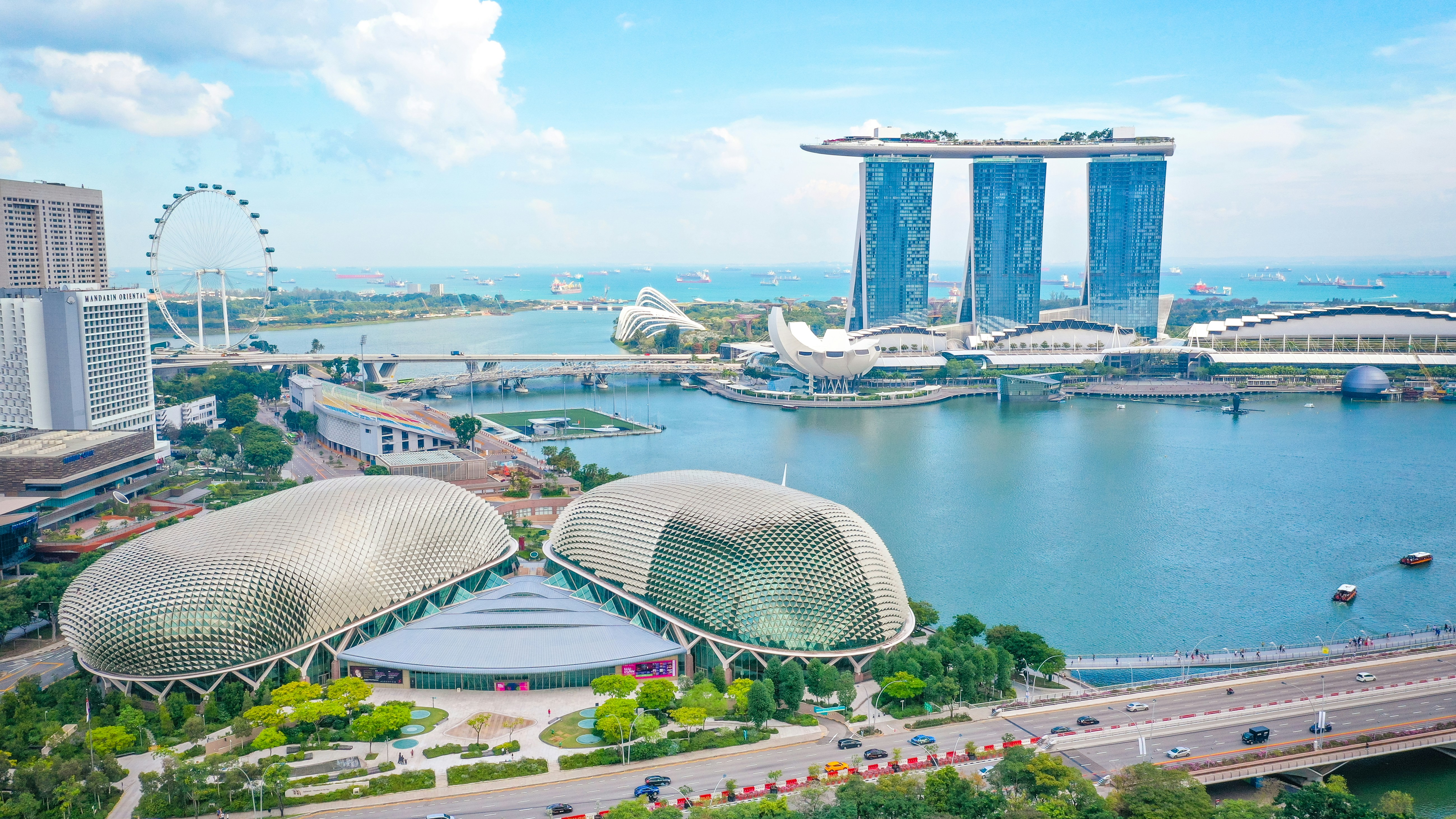
TL;DR: Typical Singapore Travel Costs in 2026
A realistic Singapore travel budget in 2026 ranges from $70–100 per day for budget travellers, $150–250 for mid-range, and $300+ for luxury, excluding flights but including food, transport, attractions, and basic mobile data. Singapore is compact, safe, and easy to explore even on a tight budget.
If you’re wondering how much a Singapore trip costs, think in daily ranges: backpackers can get by on hostel beds, hawker-center meals, and MRT rides, while mid-range visitors add nicer hotels, a few rooftop bars, and major paid attractions like Marina Bay Sands SkyPark. Luxury travellers can easily exceed $500 per day with 5-star stays and fine dining.
Public transport is affordable, tap water is drinkable, and you can save a lot by using hawker centers instead of restaurants. Staying connected with a Hello eSIM and using Hello’s budget tracking helps you keep your Singapore daily expenses under control in real time, without guessing.
Overall, expect Singapore to feel pricier than Thailand but often cheaper than top European cities once you lean on local food, public transport, and smart planning. With a clear budget plan and Hello’s expense tools, you can match your Singapore travel cost to your travel style without stress.
Singapore Travel Cost Overview: What You’ll Spend Per Day
Most travellers should plan $70–100 per day for budget, $150–250 for mid-range, and $300+ for luxury travel in Singapore in 2026, covering accommodation, food, transport, and typical sightseeing, but not international flights. This makes Singapore manageable, but not “ultra-cheap.”
According to Singapore Tourism Board data, Singapore welcomed around 13 million visitors in 2023 as tourism rebounded, and visitor spending has been rising alongside hotel and dining rates. By 2026, central hotel prices and attraction tickets reflect a modern, high-income city rather than a classic backpacker destination.
Here’s a quick breakdown of typical daily costs in 2026:
| Travel Style | Daily Budget (USD) | What It Includes |
|---|---|---|
| Budget | $70–100 | Hostel bed, hawker food, MRT/bus, free/low-cost sights |
| Mid-range | $150–250 | 3–4★ hotel, mix of hawker and cafes, some paid attractions |
| Luxury | $300+ | 5★ hotel, fine dining, rooftop bars, multiple paid attractions |
Local food at hawker centers can be as low as $4–7 per dish in 2026, while sit-down restaurants often start around $20–30 per person for a basic meal. Major attractions such as the Marina Bay Sands SkyPark, Singapore Zoo, and Sentosa experiences quickly add up, so deciding your sightseeing priorities is key to controlling your Singapore travel cost.
Budget Traveller Guide: Singapore on $70–100 Per Day
You can travel Singapore on $70–100 per day in 2026 by staying in hostels, eating at hawker centers, using public transport, and prioritizing free or low-cost attractions around Marina Bay and the neighborhoods. It’s not the cheapest city in Asia, but budget trips are absolutely doable.
For accommodation, dorm beds in hostels or capsule hotels typically run $25–40 per night in 2026, depending on location and season. Look around areas like Bugis, Little India, and Chinatown for affordable but central options. Morning and evening walks through these neighborhoods cost nothing and give you plenty of culture and street photography.
Food is where you win big. Hawker centers such as Maxwell Food Centre, Lau Pa Sat, and Tiong Bahru Market offer local dishes (chicken rice, laksa, satay) for $4–7 per plate, with drinks around $1–2. Aim for two hawker meals plus a simple snack, and your daily food spend can stay under $15–20.
Transport via MRT and buses is efficient and cheap; most trips are $1–2, and you might spend $4–6 per day if you’re moving around a lot. Combine this with free highlights like Gardens by the Bay’s outdoor areas, Marina Bay waterfront, Kampong Glam street art, and Southern Ridges trails to keep Singapore daily expenses low.
Using the Hello app’s budget tracking and AI receipt scanning helps you see exactly where your money goes in Singapore, from hawker stalls to hostel bookings, so you can adjust on the fly.
Mid-Range and Luxury Budgets: Comfort, Rooftops, and Big Attractions
Mid-range travellers should expect $150–250 per day, while luxury travellers will typically spend $300–500+ per day in Singapore in 2026 once you add central hotels, rooftop bars, and high-end dining. This is where your Singapore travel cost can ramp up quickly.
For mid-range stays, 3–4★ hotels or boutique properties around Orchard, Clarke Quay, or Marina Bay often start at $120–200 per night in 2026, depending on dates and promotions. Luxury hotels like Marina Bay Sands, Raffles, or high-end Sentosa resorts can easily reach $300–600+ per night, especially over weekends or major events like F1.
Dining and drinks are the next major budget line. Casual cafes and mid-range restaurants cost around $20–30 per person for a main and drink, while fine dining or tasting menus can jump to $80–150+ per person, not including wine. Singapore’s bar scene is world-class: rooftop cocktails around Marina Bay or Boat Quay often run $18–25 each.
Attractions also matter. In 2026, popular paid activities typically range $20–40 per person for major experiences like the SkyPark observation deck, Singapore Zoo, Night Safari, or Sentosa adventure parks. Doing two or three paid attractions in one day can easily add $60–100.
This is where Hello’s expense splitting and multi-currency tracking is gold for friends or couples: you can track hotel costs, shared dinners, and attraction tickets and split them fairly, even if one person paid in USD and another in EUR.
Breaking Down Singapore Daily Expenses: Accommodation, Food, Transport, and Data
Most travellers spend the bulk of their Singapore daily expenses on accommodation and food, with transport and mobile data a smaller but important part of the overall trip budget in 2026. Knowing rough prices for each category helps you build a realistic Singapore budget guide.
Here’s a simplified breakdown for typical 2026 costs:
| Category | Budget Range (USD/day) | Notes |
|---|---|---|
| Accommodation | $25–40 (budget), $120–200 (mid) | Hostel vs 3–4★ hotel |
| Food & Drink | $15–20 (budget), $40–80 (mid) | Hawker vs cafes/restaurants |
| Transport | $4–10 | MRT/bus; taxis higher |
| Attractions | $0–60+ | Free sights vs multiple paid tickets |
| Mobile Data | $3–8 | eSIM data depending on usage |
Singapore’s public transport system (MRT and buses) is efficient and generally cheaper than taxis; rides are usually $1–2, while Grab or taxi journeys can be $10–25+ depending on distance and time. Drinking tap water is safe, which saves on bottled water costs.
Staying connected matters for maps, ride-hailing, and restaurant reviews. Using Hello’s eSIM plans for Singapore lets you buy data before arrival, land connected, and avoid hunting for physical SIMs or dealing with roaming surprises. With Hello, you can also track data costs alongside other trip expenses, seeing your real-time daily spend in one place.
According to regional tourism reports, digital planning and mobile bookings have grown sharply since 2022, with a majority of travellers relying on apps for navigation and payments—another reason to budget a bit for reliable data.
Money-Saving Tips and Budget Planning with the Hello App
You can significantly cut your Singapore travel cost by eating at hawker centers, using MRT instead of taxis, visiting free attractions, and tracking spending with tools like Hello’s budget and expense features. Smart choices matter more than extreme penny-pinching in this city.
Start with food and transport: plan at least one hawker meal per day even on a mid-range budget, and default to MRT wherever possible. Popular hawker centers close to tourist areas make this easy; many stalls post prices clearly, and you’ll rarely pay more than $6–8 for a filling dish in 2026.
Next, balance paid attractions with free experiences. Pair a ticketed activity (like the Singapore Zoo or a museum) with free time in neighborhoods like Little India, Chinatown, and Kampong Glam. Sunrise or sunset walks around Marina Bay and the Civic District cost nothing and deliver iconic views.
The Hello app can streamline all of this: AI receipt scanning (in any language/currency), voice expense entry, and bank statement import mean you don’t have to manually log everything. Multi-currency tracking with automatic exchange rates is particularly useful if you booked hotels in one currency, paid for flights in another, and spend Singapore dollars on the ground.
If you’re traveling with friends, Hello’s expense splitting makes it easy to share costs for hotels, taxis, and meals, ensuring everyone pays their fair share without awkward conversations or spreadsheet headaches.
Common Questions: How Much Does a Trip to Singapore Cost?
Most visitors spend $70–100 per day on a budget, $150–250 per day mid-range, and $300+ per day for luxury travel in Singapore in 2026, not including flights. Here are answers to some of the most common money questions travellers ask when planning a Singapore trip.
Q: Is Singapore expensive compared to other Asian destinations? A: Yes, Singapore is generally more expensive than Thailand or many parts of Japan, especially for accommodation and alcohol. However, thanks to hawker centers and affordable public transport, overall daily costs can still be kept moderate with good planning.
Q: How much cash should I carry per day? A: Many places accept cards and mobile payments, but having $20–40 in cash per day is helpful for small hawker purchases and older shops. Singapore is highly digital, and ATMs are easy to find.
Q: Are taxis much more expensive than MRT? A: Yes. An MRT ride often costs $1–2, whereas taxi or Grab rides can be $10–25+ depending on time and distance. Using MRT and buses is one of the simplest ways to keep Singapore daily expenses down.
Q: How should I budget for data and staying connected? A: Plan a small daily amount (around $3–8 depending on usage) for mobile data. An eSIM from Hello lets you activate data before you land, and the Hello app’s budget tracking shows your connectivity costs right alongside food, transport, and attraction spending.
Q: How many days do I need in Singapore and what will that cost? A: Many travellers spend 3–5 days, which usually translates to around $300–500 total on a tight budget or $700–1,000+ for mid-range, before flights. According to travel trend reports, short city stays like this are increasingly popular post-2024 as travelers combine Singapore with nearby destinations.
Explore These Destinations
Stay Connected
Book this trip
Compare options on trusted travel sites
Plan flights for this trip
Continue to a reviewed booking partner to check current routes, fares, and terms.

Track your Singapore trip budget
Split expenses with friends, track spending by category, and see real-time currency conversions — all in one app.
Related Articles
Singapore Safety Guide: Tips for a Safe Trip
Safety tips, health advisories, emergency contacts, common scams, and travel insurance advice for Singapore.
22 July 2026
Singapore Visa & Entry Requirements for Singapore Passport Holders
Visa requirements, passport validity, customs allowances, and entry tips for Singapore citizens travelling to Singapore.
13 July 2026
eSIM for Singapore: Best Plans, Coverage, and Setup Tips
Everything you need to know about using eSIM in Singapore. Best data plans, network coverage, and setup instructions.
4 July 2026