Singapore Safety Guide: Tips for a Safe Trip
Safety tips, health advisories, emergency contacts, common scams, and travel insurance advice for Singapore.
By Hello Travel Team
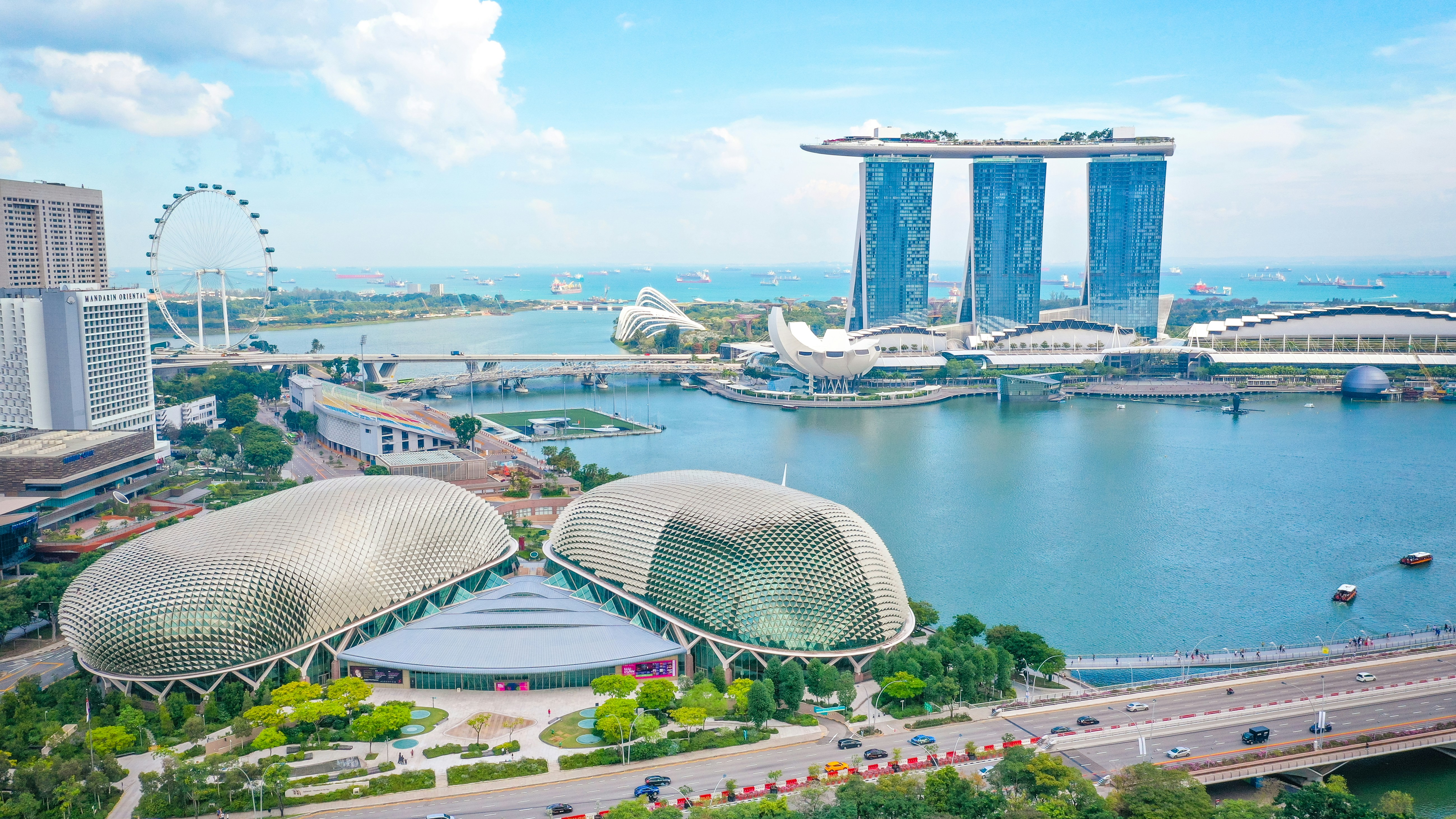
Singapore Safety Guide TL;DR: Is Singapore Safe for Travellers?
Yes—Singapore is widely regarded as one of Asia’s safest destinations, with low violent-crime risk, reliable public transport, and strong public services. Sensible precautions still matter: protect valuables in crowded places, ignore unsolicited calls demanding money, prepare for tropical heat, and save the Singapore emergency numbers before departure. Singapore’s police number is 999, while ambulance and fire services are reached on 995. The U.S. Department of State advises travellers to use local authorities for emergency assistance, and Singapore’s ScamShield Helpline is available on 1799 for suspected scams. Travel insurance remains worthwhile because even a safe city can involve medical costs, cancelled flights, lost baggage, or accidents. Before flying, review official health advice, check whether your itinerary triggers yellow-fever documentation requirements, and arrange an eSIM from Hello so maps, translation, ride bookings, and emergency contacts work as soon as you land.
Singapore Travel Safety: Crime, Local Customs, and Everyday Precautions
Singapore travel safety is generally excellent, but visitors should treat it as a busy international city rather than assume that problems are impossible. Petty theft, including pickpocketing and bag snatching, is most likely around airports, hotels, public transport, and tourist areas, according to Canada’s travel advisory. Keep your passport and phone in a zipped bag, avoid leaving belongings unattended at hawker centres, and use hotel safes for spare cards and documents. Singapore’s hot, humid climate also creates practical risks: drink water regularly, use sunscreen, and take air-conditioned breaks, particularly between 11 a.m. and 4 p.m. Follow local rules, including no smoking in many public areas, careful disposal of rubbish, and restrictions around eating or drinking on parts of public transport. Use licensed taxis or established ride-hailing services, check the vehicle and driver details, and agree on the destination before departure. The tap-water supply is generally potable, but travellers with sensitive stomachs may prefer bottled or filtered water. Keep a small emergency reserve of around S$30–50 for transport, food, and unexpected expenses, and use Hello’s budget-tracking tools to monitor Singapore-dollar spending alongside other currencies.
Singapore Scams: Common Tricks and How to Avoid Losing Money
The safest response to a suspected Singapore scam is to stop, verify independently, and never transfer money or reveal banking details during an unsolicited call. Singapore authorities warn that criminals use spoofed numbers, compromised accounts, deepfakes, and impersonation tactics. Common scenarios include fake police, bank, immigration, hospital, or government officers claiming that your passport, account, or visa is involved in an urgent investigation. Government officials will not ask you to transfer money or disclose bank log-in details by phone. Do not install remote-access software, click unexpected payment links, or share one-time passwords. At attractions and nightlife venues, confirm prices before accepting services, check menus for surcharges, and use card payments where practical. Be cautious with online accommodation listings and social-media deals that demand a quick deposit. If you suspect fraud, call the 24/7 ScamShield Helpline on 1799, contact your bank immediately, and report the matter to police. Singapore emergency numbers are straightforward: 999 for police and 995 for ambulance or fire. Keep transaction screenshots and the investigating officer’s details for an insurance claim.
Singapore Emergency Numbers, Embassies, and Getting Help
Save Singapore’s emergency contacts and your nearest diplomatic mission before arrival so help is available even if your phone, wallet, or internet connection fails. The key numbers are:
| Need | Number | When to use it |
|---|---|---|
| Police | 999 | Crime, immediate danger, or urgent police assistance |
| Ambulance or fire | 995 | Serious injury, medical emergency, or fire |
| ScamShield Helpline | 1799 | Suspected scam or suspicious contact |
| Singapore MFA Consular Response Centre | +65 6379 8800 | Consular emergencies when an overseas mission is unavailable |
For passport loss, detention, serious illness, or family emergencies, contact your country’s embassy or high commission in Singapore; the correct mission depends on your nationality, so save its official after-hours number before travelling. If your country has no resident mission, Singapore’s Ministry of Foreign Affairs publishes consular guidance and an emergency duty contact. Call 995 rather than attempting to travel across the city after a serious accident. If you need non-urgent medical care, ask your hotel for a nearby clinic or use your insurer’s assistance line. An eSIM from Hello can keep maps, translation, insurance documents, and embassy details accessible from the moment you arrive.
Singapore Health Advisories, Vaccinations, Heat, and Water Safety
Most visitors need routine health precautions rather than special medical preparation, but a travel-health appointment four to six weeks before departure is recommended by Singapore’s Communicable Diseases Agency and travel-medicine providers. Check that routine vaccinations are current; a clinician may discuss hepatitis A, hepatitis B, typhoid, influenza, or other vaccines based on your health, activities, and onward destinations. Yellow-fever vaccination is a specific documentation issue: travellers arriving from, or transiting for more than 12 hours through, a country with yellow-fever transmission may need a valid certificate, and Singapore’s health guidance warns that non-compliant arrivals can face quarantine. Singapore’s heat and humidity can cause dehydration, heat exhaustion, and sunburn. Carry water, wear breathable clothing, replace lost salts after long outdoor days, and seek air conditioning if you develop dizziness, headache, nausea, or confusion. Use insect repellent in parks and nature reserves, although urban accommodation is generally well protected. Swim only in designated areas, follow lifeguard instructions, and never underestimate currents around beaches or reservoirs. Travel insurance should cover medical treatment, hospitalisation, evacuation, cancellations, baggage, and pre-existing conditions; check exclusions before purchase.
Solo Female and LGBTQ+ Traveller Safety in Singapore
Solo female travellers and LGBTQ+ visitors can generally explore Singapore comfortably, especially when using normal city-travel precautions and respecting local laws and social norms. Well-lit districts such as Marina Bay, Orchard, Chinatown, Little India, and Kampong Glam are busy late into the evening, but avoid isolated paths, monitor alcohol intake, and share your live location with someone you trust. Keep bags closed on crowded MRT trains and do not leave drinks unattended. For solo travellers, choose accommodation with a 24-hour reception, record the address in English, and use official transport rather than accepting unsolicited rides. LGBTQ+ travellers will find Singapore modern and internationally connected, but public attitudes and legal protections do not mirror every destination. Singapore repealed Section 377A in 2022, while its Constitution was amended that year to define marriage as between a man and a woman; discretion around public displays of affection remains sensible. Check current local rules before demonstrations, public events, or political activity, and avoid confrontations with authorities. If harassment or assault occurs, call 999, seek medical help on 995 when necessary, and request a police report for insurance or consular support.
Common Questions About Singapore Safety and Travel Insurance
Singapore is safe for most tourists, but travel insurance and simple preparation still protect against the uncommon events that can become expensive. Here are concise answers to frequent questions:
Is Singapore safe at night? Generally yes in central, well-lit areas, but use the same precautions as in any large city and avoid isolated routes after drinking.
What are Singapore’s emergency numbers? Dial 999 for police and 995 for ambulance or fire. For suspected scams, call 1799.
Can I drink tap water in Singapore? Singapore’s public water supply is potable; carry a reusable bottle and stay hydrated in the heat.
Do I need vaccinations for Singapore? Keep routine vaccines current and ask a travel clinician four to six weeks before departure. Yellow-fever certification may be required after travel through a risk country.
How much does a basic meal cost? Hawker-centre meals often cost about S$5–12 per person in 2026, while casual restaurant meals commonly start around S$15–30 before drinks and service charges.
What should travel insurance cover? Choose a policy with substantial medical and evacuation limits, cancellation and interruption cover, baggage protection, personal liability, and clear treatment for existing medical conditions. Store the policy number offline and in Hello’s trip-planning or expense records.
Explore These Destinations
Stay Connected
Ready for Singapore?
eSIM data, expense splitting, budget tracking, and more. Everything you need for a smooth trip in one app.
Related Articles
Singapore Visa & Entry Requirements for Singapore Passport Holders
Visa requirements, passport validity, customs allowances, and entry tips for Singapore citizens travelling to Singapore.
13 July 2026
eSIM for Singapore: Best Plans, Coverage, and Setup Tips
Everything you need to know about using eSIM in Singapore. Best data plans, network coverage, and setup instructions.
4 July 2026
Singapore in 10 Days: The Ultimate Travel Itinerary
A comprehensive 10-day itinerary for Singapore covering top attractions, hidden gems, daily costs, and transport between cities.
23 June 2026