Singapore Currency & Money Guide: Exchange, Cards, and Tips
Currency exchange, credit card acceptance, ATM tips, tipping culture, and money-saving advice for Singapore.
By Hello Travel Team
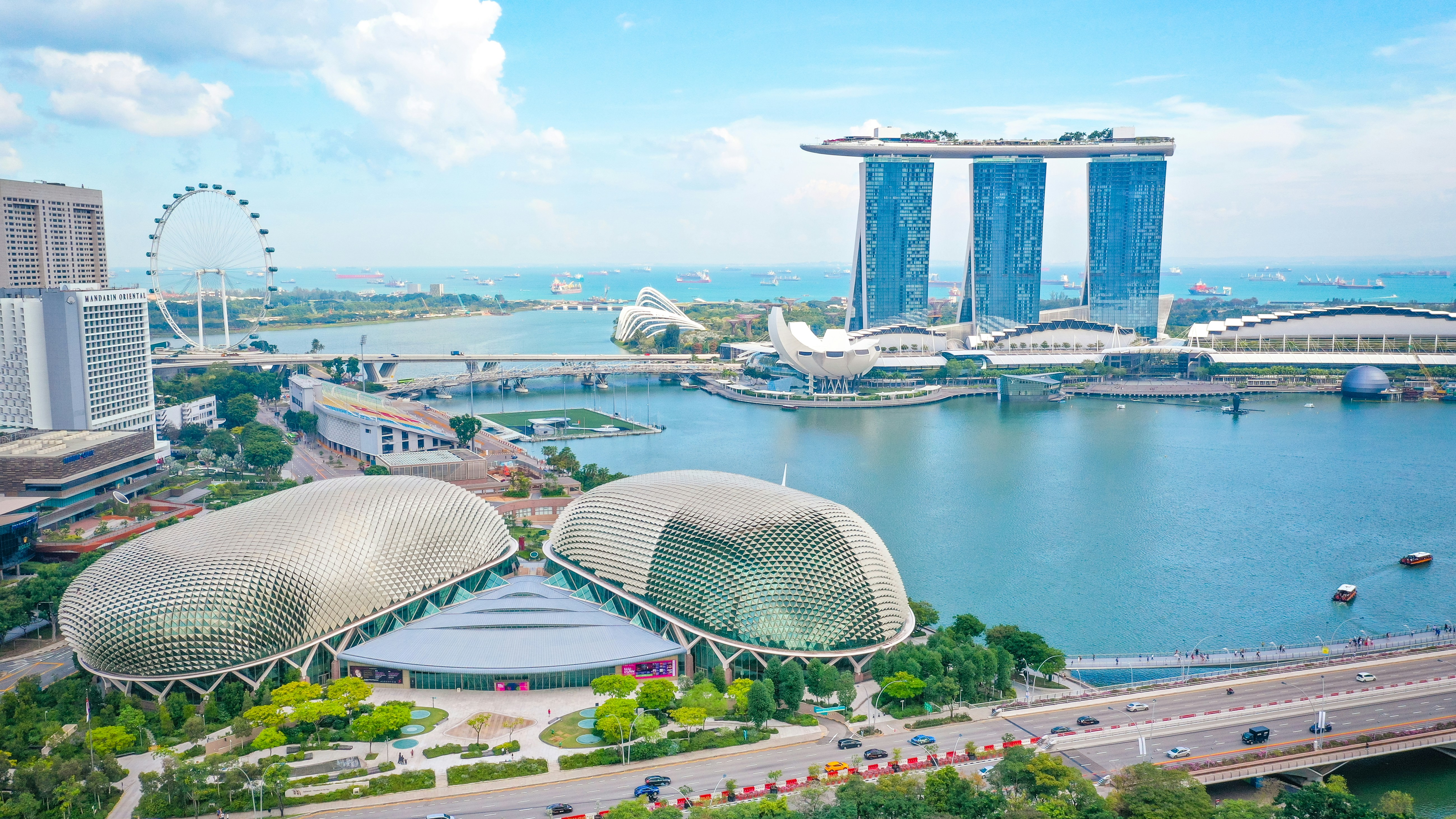
TL;DR: Singapore Currency & Essential Money Tips
Singapore uses the Singapore Dollar (SGD, S$), cards and contactless payments work almost everywhere, ATMs are plentiful, tipping is not expected, and you’ll only need a small amount of cash for hawker centres and smaller shops. With a little planning, managing money in Singapore is straightforward.
As of early 2026, 1 SGD is roughly USD 0.74 / GBP 0.58 / EUR 0.69 / AUD 1.20, according to recent travel money guides, and the rate is relatively stable.
Most travellers can rely on Visa, Mastercard, and contactless wallets (Apple Pay, Google Pay) for day‑to‑day spending, keeping SGD 50–100 in cash for street food, kopi stalls, and small local businesses.
Tipping is generally not part of local culture; a 10% service charge is usually added automatically at restaurants, and leaving extra cash is optional.
If you’re tracking costs across currencies or splitting expenses with friends, the Hello app’s multi-currency budget tools and automatic exchange rate conversion make it easy to see what your Singapore trip is really costing in your home currency.
Understanding Singapore Currency and Current Exchange Rates
Singapore’s official currency is the Singapore Dollar (SGD), written as S$ or simply $ locally, and it’s the only currency you’ll use for everyday payments in the city-state. The dollar is divided into 100 cents, with notes and coins designed to cover typical daily spending amounts.
Common banknotes you’ll see are S$2, S$5, S$10, S$50, and S$100, while coins usually come in 5, 10, 20, 50 cents and S$1 denominations, according to the Monetary Authority of Singapore and major travel money guides. Larger notes like S$1,000 exist but are rare in everyday use and may not be accepted by smaller merchants.
Exchange rates move daily, but early‑2026 travel guides report handy reference figures of about 1 SGD ≈ USD 0.74, GBP 0.58, EUR 0.69, INR 63, AUD 1.20, which gives a quick sense of what things cost for many visitors. Always check a live currency converter before you travel to get the latest rate, since even small changes add up over a week of dining and transport.
Here’s a simple overview:
| From currency | Approx. value of 1 SGD (early 2026) |
|---|---|
| US Dollar (USD) | About $0.74 |
| Euro (EUR) | About €0.69 |
| British Pound (GBP) | About £0.58 |
| Australian Dollar (AUD) | About A$1.20 |
| Indian Rupee (INR) | About ₹63 |
If you’re tracking a multi-country trip (for example, combining Singapore with Japan or Thailand), the Hello app’s multi-currency expense tracking automatically converts SGD to your home currency using live rates, giving you a clearer picture of your total budget.
Where to Exchange Money in Singapore for the Best Rates
The best places to exchange money in Singapore are licensed money changers in the city rather than airport counters or hotels, which tend to offer less competitive rates. Plan to swap most of your cash after you arrive, and only change a small emergency amount at the airport if you must.
Travel money guides consistently highlight The Arcade at Raffles Place as Singapore’s classic hub for competitive exchange rates, thanks to its cluster of licensed money changers catering to office workers and visitors. You’ll also find good, safe options at Mustafa Centre in Little India, in the People’s Park area of Chinatown, and in larger malls across Orchard Road.
Banks such as DBS, OCBC, and UOB also provide foreign exchange services, though they may charge a small service fee and aren’t always the cheapest for tourist exchanges. Expect to see clear signage displaying buy/sell rates; it’s worth comparing two or three counters in the same building, especially if you’re exchanging larger amounts like USD 500 or more.
A few practical Singapore money tips:
- Bring clean, undamaged notes in major currencies (USD, EUR, GBP) for better rates.
- Avoid exchanging at hotels and airport kiosks unless it’s an emergency.
- Count your cash before leaving the counter and keep the receipt.
- Aim to carry SGD 80–120 in cash as a base, topping up via ATMs if needed.
To keep your records tidy, you can quickly log each currency exchange in the Hello app using AI receipt scanning or voice entry, helping you track how much you’ve really spent converting money into SGD.
Cards, Contactless Payments, and ATMs in Singapore
Cards and contactless payments are widely accepted in Singapore, and most travellers can rely on a combination of Visa/Mastercard and mobile wallets for nearly all expenses, from metro rides to rooftop bars. Cash is still useful, but more as a backup than a primary payment method.
You’ll be able to use credit and debit cards at almost all hotels, malls, supermarkets, and chain restaurants. Contactless payments via Apple Pay, Google Pay, Samsung Pay, and bank-issued mobile wallets work smoothly, often being the fastest way to tap through MRT gates or pay at coffee chains. Many locals also use regional apps like GrabPay or PayLah!, but these typically require local bank accounts or numbers.
ATMs from major banks (DBS, OCBC, UOB) are everywhere: inside MRT stations, at shopping centres, and along major streets. They generally offer fair exchange rates for foreign cards, though your home bank may charge an international withdrawal fee. Some guides suggest bank service charges in the S$2–S$3 per withdrawal range on top of your card issuer’s fees, so it’s smart to withdraw slightly larger amounts less frequently.
Here’s a quick comparison:
| Method | Pros | Cons |
|---|---|---|
| Cards & contactless | Very widely accepted, fast, secure | Possible foreign transaction fees |
| Cash (SGD) | Essential for hawker centres, small shops | Need to carry and store safely |
| ATMs | Good backup, live rates | Per‑withdrawal fees from your bank |
To avoid extra charges on mobile banking SMS or logins, many travellers use Hello eSIM for Singapore (Hello eSIM for Japan page shows how it works for other countries) to stay connected for secure banking apps and real-time exchange rate checks.
Singapore Tipping Culture and Everyday Cost-Saving Tips
Tipping in Singapore is not expected in most situations, and a 10% service charge on restaurant bills usually replaces the need to leave cash on the table. Knowing this—and a few price benchmarks—helps you budget accurately without worrying about hidden gratuities.
In restaurants and bars, you’ll almost always see 10% service charge plus 8–9% GST (Goods and Services Tax) added to the bill; locals rarely tip beyond this, and staff do not expect an extra percentage. Rounding up small taxis or grabbing a dollar or two at hawker centres is optional and more a friendly gesture than a norm.
Typical 2026 price ranges for visitors:
- Hawker centre meal: S$5–8 for noodles, rice dishes, or chicken rice.
- Mid-range restaurant: S$15–25 per person without drinks.
- Local kopi or latte: S$3–6 depending on location.
- MRT ride: around S$1.50–2.50 per trip within central areas.
To keep costs down:
- Eat at hawker centres like Maxwell Food Centre or Lau Pa Sat instead of touristy restaurants.
- Use public transport (MRT and buses) rather than taxis for most journeys.
- Pick up snacks and drinks at supermarkets or convenience stores, where prices are clearer and often lower.
Because Singapore’s exchange rate is relatively stable according to regional currency guides, you can set a daily SGD budget and monitor it in your home currency using Hello’s budget tracking and multi-currency views—useful if you’re comparing what a S$50 day in Singapore feels like versus the same spend in another country.
Digital Payments, Money Scams, and How to Stay Safe
Digital payments in Singapore are modern and secure, with widespread use of cards, contactless wallets, and local bank apps—but travellers should still watch out for a few money-related pitfalls like dynamic currency conversion or unofficial exchange booths.
Locals commonly use PayNow, PayLah!, GrabPay, and bank-linked QR payments, but these usually require Singapore bank accounts or phone numbers, so visitors will mostly stick to Apple Pay, Google Pay, cards, and cash. WeChat Pay and Alipay appear mainly in shops catering to Chinese visitors, and often work best if you already have these apps set up at home.
While Singapore has a reputation for safety and strong regulation, a few common issues to watch for:
- Dynamic Currency Conversion (DCC): card terminals that offer to charge you in your home currency (USD, EUR, etc.). Decline this and choose to pay in SGD to avoid poor exchange rates.
- Unauthorized money changers: always use counters with clear licensing, especially in busy areas like Chinatown or Little India.
- Overpriced exchanges at hotels or airport kiosks: convenient, but often significantly worse rates.
A couple of practical safeguards:
- Enable transaction alerts on your bank app and keep roaming or data active so you see notifications immediately.
- Set daily spending limits and track withdrawals and card payments using the Hello app’s expense splitting and AI categorization, which can flag unusually large spends in any currency.
If you’re travelling in a group, Hello’s multi-currency expense splitting is particularly handy—each person can pay in their own currency or SGD, and the app automatically converts and balances things so no one has to manually calculate exchange differences.
Common Questions: Singapore Currency, Tipping, and Money FAQs
Most travellers want to know what currency Singapore uses, whether they need cash, and if tipping is required—and the answers are reassuring: it’s all Singapore Dollars, cards work almost everywhere, and tipping is rarely necessary.
Q: What currency does Singapore use?
A: Singapore uses the Singapore Dollar (SGD, S$) as its official currency, overseen by the Monetary Authority of Singapore. Foreign currencies like USD or EUR aren’t accepted for everyday purchases, so you’ll need to exchange or withdraw SGD when you arrive.
Q: How much cash should I carry?
A: Most guides suggest keeping around SGD 80–120 in cash and using cards and contactless for everything else. This covers hawker centre meals, small shops, and situations where card readers aren’t available.
Q: Are credit cards widely accepted?
A: Yes. Visa and Mastercard are accepted at almost all hotels, malls, supermarkets, and mid-range to upscale restaurants. Contactless payments via Apple Pay and Google Pay also work smoothly.
Q: Is tipping expected in Singapore?
A: No, tipping is not part of local culture. Restaurants usually add a 10% service charge plus GST to your bill; anything beyond that is voluntary and uncommon.
Q: How can I keep track of my spending in Singapore?
A: Use the Hello app to log expenses in SGD, scan receipts with AI, and view your costs in your home currency. If you’re also visiting other destinations on the same trip, Hello’s multi-currency tracking and automatic exchange rates make it easy to compare what you’re spending in Singapore versus elsewhere.
Explore These Destinations
Stay Connected
Track your Singapore trip budget
Split expenses with friends, track spending by category, and see real-time currency conversions — all in one app.
Related Articles
Singapore Safety Guide: Tips for a Safe Trip
Safety tips, health advisories, emergency contacts, common scams, and travel insurance advice for Singapore.
22 July 2026
Singapore Visa & Entry Requirements for Singapore Passport Holders
Visa requirements, passport validity, customs allowances, and entry tips for Singapore citizens travelling to Singapore.
13 July 2026
eSIM for Singapore: Best Plans, Coverage, and Setup Tips
Everything you need to know about using eSIM in Singapore. Best data plans, network coverage, and setup instructions.
4 July 2026