Singapore Cultural Guide: Etiquette, Customs, and Tips
Essential do's and don'ts, greeting customs, dress codes, local phrases, and cultural tips for Singapore.
By Hello Travel Team
This article contains affiliate links. If you book through them, Hello may earn a commission at no additional cost to you. Our editorial recommendations are independent. Learn more.
TL;DR: Essential Singapore Culture, Etiquette, and Dos and Don’ts
Singapore’s culture and etiquette are built on respect, cleanliness, and harmony, so a good rule of thumb is: be polite, queue properly, dress modestly at temples, and follow local laws like no littering or chewing gum in public spaces. These basics will keep most visitors comfortably within local norms.
Singapore is a multicultural city-state where Chinese, Malay, Indian, and many other communities live side by side, and that diversity is reflected in everything from food to festivals and social customs. English is widely spoken, which makes navigating Singapore culture and Singapore etiquette relatively straightforward for most travellers.
For visitors, the most important Singapore dos and donts are simple: don’t litter or smoke outside designated areas, don’t eat on buses and trains, and don’t be loud or confrontational in public spaces. Do show appreciation for local food, follow queue etiquette, and be punctual for any meet-ups or business meetings.
This cultural guide focuses on practical, on-the-ground tips: greeting customs, dress codes for religious sites, photography rules, gift-giving norms, and how public holidays and major festivals can affect your travel plans. We’ll also look at business etiquette and how to avoid social missteps when meeting locals.
Because Singapore runs on efficient digital infrastructure, staying connected is smooth and simple. Using an eSIM from Hello, you can arrive already online, use maps, language tools, and expense-tracking while you learn and respect local customs without worrying about buying a physical SIM card at the airport.
Singapore Culture Basics: Respect, Cleanliness, and Everyday Etiquette
Daily etiquette in Singapore revolves around three core values: respect, cleanliness, and social harmony, so if you are polite, avoid littering, and keep noise levels low, you’ll align well with local expectations without needing to memorize complex rules or customs.
Singapore is famous for being clean and orderly, and the laws reflect that: littering can incur fines of up to SGD 300 for a first offence as of 2026, according to the National Environment Agency, and repeat offenders face higher penalties and corrective work orders. Chewing gum is tightly restricted, and spitting or smoking outside designated areas can also result in fines.
On public transport, especially MRT trains and buses, Singapore etiquette is clear: no eating or drinking, offer seats to elderly, pregnant, or disabled passengers, and keep bags from blocking doors. Most locals stand on the left of escalators, allowing people in a hurry to walk on the right.
In everyday conversation, being direct is acceptable, but aggressive confrontation is frowned upon. Raising your voice, swearing loudly, or publicly embarrassing someone is seen as disruptive to social harmony. A calm, courteous tone will take you far.
Singapore customs also include strong queue discipline: you’ll see clear lines at hawker stalls, bus stops, and malls. Cutting the queue is one of the most noticeable Singapore donts. For travellers splitting bills at meals or attractions, Hello’s expense splitting and multi-currency tracking make it easy to stay fair and organized even in large groups.
Greeting Customs and Local Phrases Every Visitor to Singapore Should Know
Greeting people in Singapore is straightforward: a simple “hello” or “hi” with a smile is perfectly acceptable, and using English for introductions is widely understood across the city’s diverse communities.
Singapore has four official languages—English, Mandarin, Malay, and Tamil—and you’ll hear a mix of all four in daily life, with English serving as the main working language and lingua franca. According to Singapore’s latest census data, around 48% of residents use English as their most common home language as of the early 2020s, reflecting how comfortable locals are with English-speaking visitors.
Introductions are usually informal; handshakes are common in business or formal settings, while a nod or smile is fine among friends. In more traditional Malay or Indian settings, a softer handshake or slight bow of the head shows respect, especially with elders.
A few useful local phrases:
- English/Singlish: “Can or not?” (Is that possible?), “Tapao” (takeaway food), “Lah” (a common sentence-ending particle).
- Mandarin: “Ni hao” (hello), “Xie xie” (thank you).
- Malay: “Selamat pagi” (good morning), “Terima kasih” (thank you).
- Tamil: “Vanakkam” (hello), “Nandri” (thank you).
While you don’t need to be fluent, dropping a “thank you” in Mandarin or Malay is a small sign of respect for Singapore culture. Staying connected with a Hello eSIM for Singapore makes using translation apps or messaging locals seamless from the moment you land.
Dress Codes in Singapore: What to Wear in Malls, Hawker Centres, and Religious Sites
Singapore dress codes are generally relaxed in everyday settings, but modest, respectful clothing is expected at temples, mosques, and churches, where covering shoulders and knees is a simple way to avoid offending local customs.
Thanks to its tropical climate, with temperatures typically around 26–32°C year-round, most people wear light, breathable clothing—think t-shirts, sundresses, and shorts. Shopping malls, hawker centres, and public spaces don’t impose strict dress codes, though extremely revealing outfits may attract unwanted attention.
Religious sites are more formal:
- Buddhist and Hindu temples: Wear tops that cover shoulders and avoid very short skirts or shorts. Some temples provide shawls or sarongs at the entrance.
- Mosques: Long trousers or skirts and covered shoulders are a must; women may need to wear a headscarf, often available to borrow.
- Churches: Smart casual is ideal; avoid beachwear and strapless tops.
Here’s a quick comparison:
| Location | Acceptable Dress | Avoid |
|---|---|---|
| Hawker centres | Casual: t-shirts, shorts, sandals | Shirtless, swimwear |
| Shopping malls | Casual to smart casual | Very revealing clubwear |
| Temples/mosques | Modest: covered shoulders and knees | Short shorts, low-cut tops |
| Rooftop bars/clubs | Smart casual; some have dress codes | Flip-flops, beachwear |
If you plan to visit multiple religious sites in one day, carrying a light scarf or shawl and a packable pair of longer trousers or a maxi skirt will save you from last-minute wardrobe stress and help you respect Singapore customs effortlessly.
Photography Rules, Public Behaviour, and Business Etiquette in Singapore
Photography in Singapore is generally welcomed in public areas, but you should avoid taking photos of sensitive locations, private residences, and people without permission, especially in places of worship or during religious rituals.
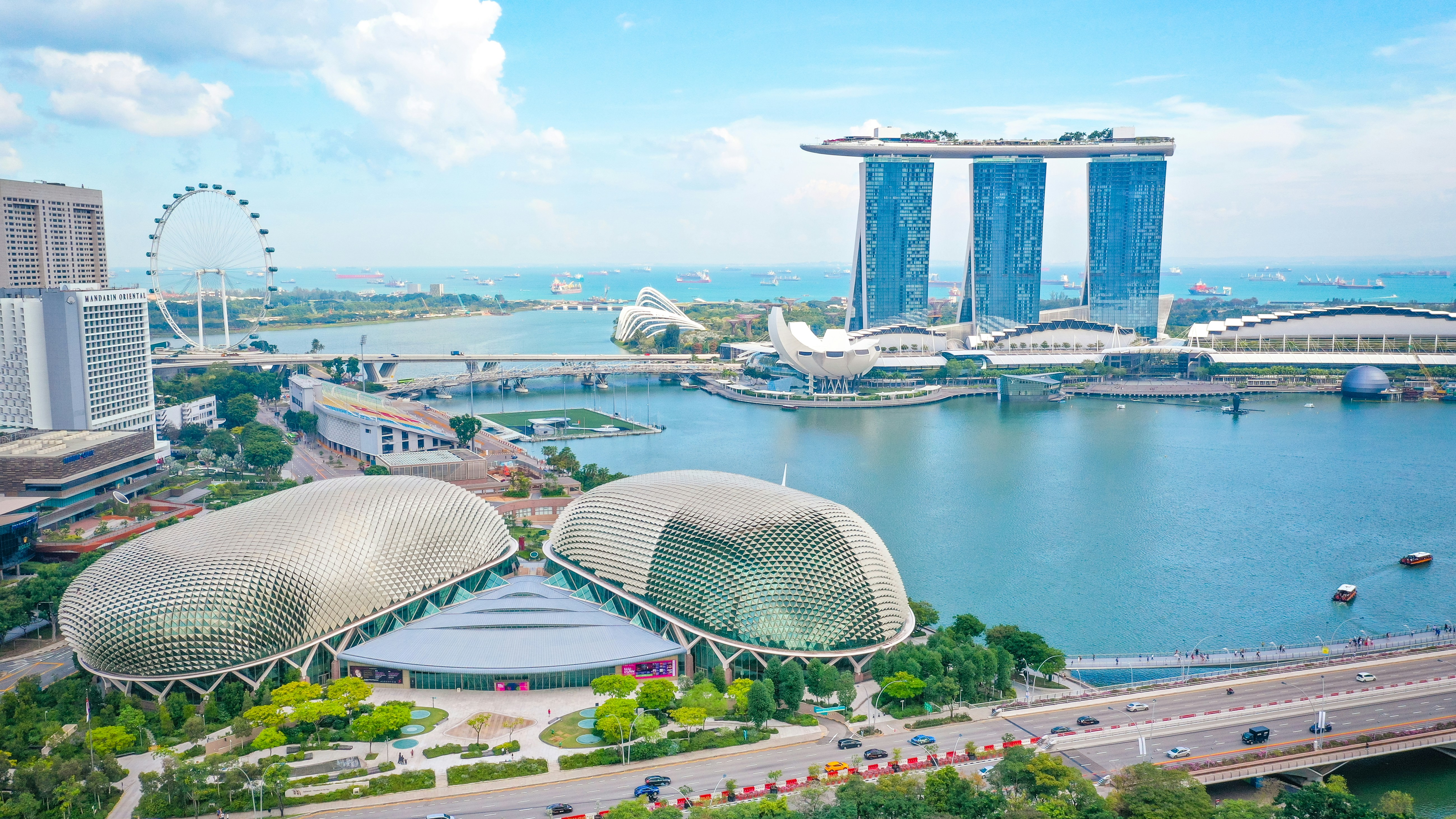
In most tourist-friendly spots such as Marina Bay Sands, Gardens by the Bay, and Chinatown, casual photography is fine, but some museums and galleries may restrict flash or photography in specific exhibitions. Always look for signs or ask staff if you’re unsure. In religious sites, ask before photographing prayer areas or individuals; many worshippers appreciate privacy, and some ceremonies are not meant to be recorded.
Public behaviour is shaped by strong laws and social norms. Smoking is only allowed in designated areas, and fines for smoking in prohibited spaces can reach SGD 1,000 according to Singapore’s health authorities. Drinking alcohol in public is legal in most areas, but late-night drinking is regulated in some zones, so check local rules if you’re planning to hang out after 10:30 pm.
Business etiquette leans formal: punctuality is critical, conservative dress (collared shirts, closed shoes, and for formal meetings, jackets) is expected, and exchanging business cards with two hands shows respect. Many offices operate Monday–Friday, 9am–6pm, with meetings scheduled during regular hours.
If you’re in Singapore for work, keeping track of shared meal expenses or team outings is easier with Hello’s AI-powered expense tracking, which supports multi-currency bills, automatic exchange rates, and receipt scanning so your business spending stays organized and transparent.
Holidays, Festivals, and Gift-Giving Customs in Multicultural Singapore
Singapore’s calendar blends Chinese, Malay, Indian, and Western traditions, so planning around major festivals like Chinese New Year and Hari Raya can help you avoid crowds and enjoy the city’s cultural celebrations more fully.
In 2025, the Singapore Tourism Board reported over 15 million international visitor arrivals, highlighting how popular the city is year-round; visitor numbers often spike around festive seasons when events and sales attract both locals and tourists. Chinese New Year, usually falling between late January and mid-February, brings family reunions, lion dances, and some business closures, especially on the first two days of the holiday.
Key holidays that may affect your plans include:
- Chinese New Year: Many shops and smaller restaurants close; major attractions remain open but can be busy.
- Hari Raya Puasa and Hari Raya Haji: Muslim communities celebrate with prayers and visiting relatives; markets in Geylang Serai come alive.
- Deepavali: Little India glows with lights and festive stalls.
- National Day (9 August): Fireworks, parades, and potential road closures near Marina Bay.
Gift-giving customs vary. During Chinese New Year, red packets (hongbao) with money are given to children or younger relatives; crisp notes and even amounts are preferred. For general gifts, avoid anything too expensive or overly personal when meeting someone for the first time; local snacks or small souvenirs from your home country are safe choices.
If you’re shopping for gifts, expect mid-range mall prices—simple souvenirs may cost SGD 10–25 in 2026, while specialty items or branded goods can be much higher, particularly on Orchard Road and in major shopping centres.
Common Questions: Singapore Dos and Don’ts, Tipping, and Staying Connected
Most visitors want to know the key dos and don’ts in Singapore, and the short answer is: follow queue etiquette, respect cleanliness laws, dress modestly at religious sites, and you’ll avoid almost all cultural missteps during your trip.
Q: What are the biggest cultural dos and donts in Singapore?
Do: be punctual, queue properly, speak politely, and follow signage instructions. Don’t: litter, chew gum in public, eat on the MRT, or be loud and confrontational. Respect for Singapore culture includes understanding these everyday etiquette rules.
Q: Do I need to tip in Singapore?
Tipping is not expected in most places. Restaurants often include a 10% service charge, and service staff do not rely on tips as in some other countries. If you receive exceptional service at a hotel or fine-dining restaurant, a small tip is appreciated but not required.
Q: Is Singapore expensive, and how can I manage my budget?
Singapore is pricier than many Southeast Asian neighbours: a typical hawker centre meal might cost SGD 5–8 in 2026, while mid-range restaurant meals often range from SGD 20–35 per person. Using Hello’s budget tracking and AI receipt scanning helps you stay on top of daily spending.
Q: How should I stay connected while respecting local customs?
Free Wi‑Fi is available in some malls and attractions, but coverage is patchy. An eSIM from Hello lets you activate local data before arrival, use maps and messaging apps instantly, and look up temple dress codes or festival dates on the go, all without hunting for physical SIM cards.
Explore These Destinations
Stay Connected
Book this trip
Compare options on trusted travel sites
Plan activities for this trip
Continue to a reviewed booking partner to check schedules, inclusions, and terms.

Make the most of Singapore
From eSIM connectivity to expense tracking, Hello is the all-in-one companion that keeps your trip stress-free.
Related Articles
Singapore Safety Guide: Tips for a Safe Trip
Safety tips, health advisories, emergency contacts, common scams, and travel insurance advice for Singapore.
22 July 2026
Singapore Visa & Entry Requirements for Singapore Passport Holders
Visa requirements, passport validity, customs allowances, and entry tips for Singapore citizens travelling to Singapore.
13 July 2026
eSIM for Singapore: Best Plans, Coverage, and Setup Tips
Everything you need to know about using eSIM in Singapore. Best data plans, network coverage, and setup instructions.
4 July 2026