Key Takeaways
- ✓Mauritius is best approached as a flexible island trip: beaches, food, nature, and scenic drives all matter.
- ✓October and November are often the strongest all-round months, while May to September is good for cooler, drier travel.
- ✓Your budget is shaped heavily by accommodation and transport, so location choice matters as much as room price.
- ✓A rental car is the most flexible way to see the island, but transfers and taxis work well for resort-focused stays.
- ✓Hello eSIM is the easiest connectivity option for many travellers because it supports instant activation and arrival-day convenience.
- ✓Mauritian food is a major part of the experience, so mix local eateries with a few special dining moments.
- ✓A good Mauritius itinerary usually combines one coastal base, one inland experience, and enough downtime to enjoy the island pace.
Mauritius is the kind of destination that rewards every style of traveller: beach lovers come for turquoise lagoons and coral-fringed sands, hikers for volcanic peaks and dramatic viewpoints, foodies for Creole, Indian, Chinese, and French influences, and planners for a compact island that still feels rich with variety. As of 2026, it remains one of the easiest Indian Ocean trips to tailor to your budget, whether you want a simple beach break, a self-drive adventure, or a refined resort stay.
This complete Mauritius travel guide brings together the essentials you need before you book and while you’re on the ground. You’ll find when to go, how much to budget, what visa and entry rules to expect, the best ways to get around, what to eat, how to stay connected with Hello eSIM, and which experiences are most worth your time. It also connects you to deeper cluster articles for trip planning, transport, money, food, safety, and itinerary building.
The goal is to help you make smart decisions fast: which season suits your priorities, how many days you need, whether a rental car is worth it, how to handle money, and how to combine relaxation with sightseeing. If you’re building a Mauritius trip planner, this is the hub page to start with before diving into detailed guides on budgets, visas, eSIM setup, and itineraries.
Mauritius at a Glance
Mauritius is a small island with a big range of travel experiences: calm lagoons, waterfall hikes, mountain viewpoints, heritage towns, and a dining scene shaped by Indian, Creole, Chinese, and French influences. The best trips balance beach time with at least one inland day, and most travellers use a mix of resort stays, day tours, and self-driving to see the island efficiently.
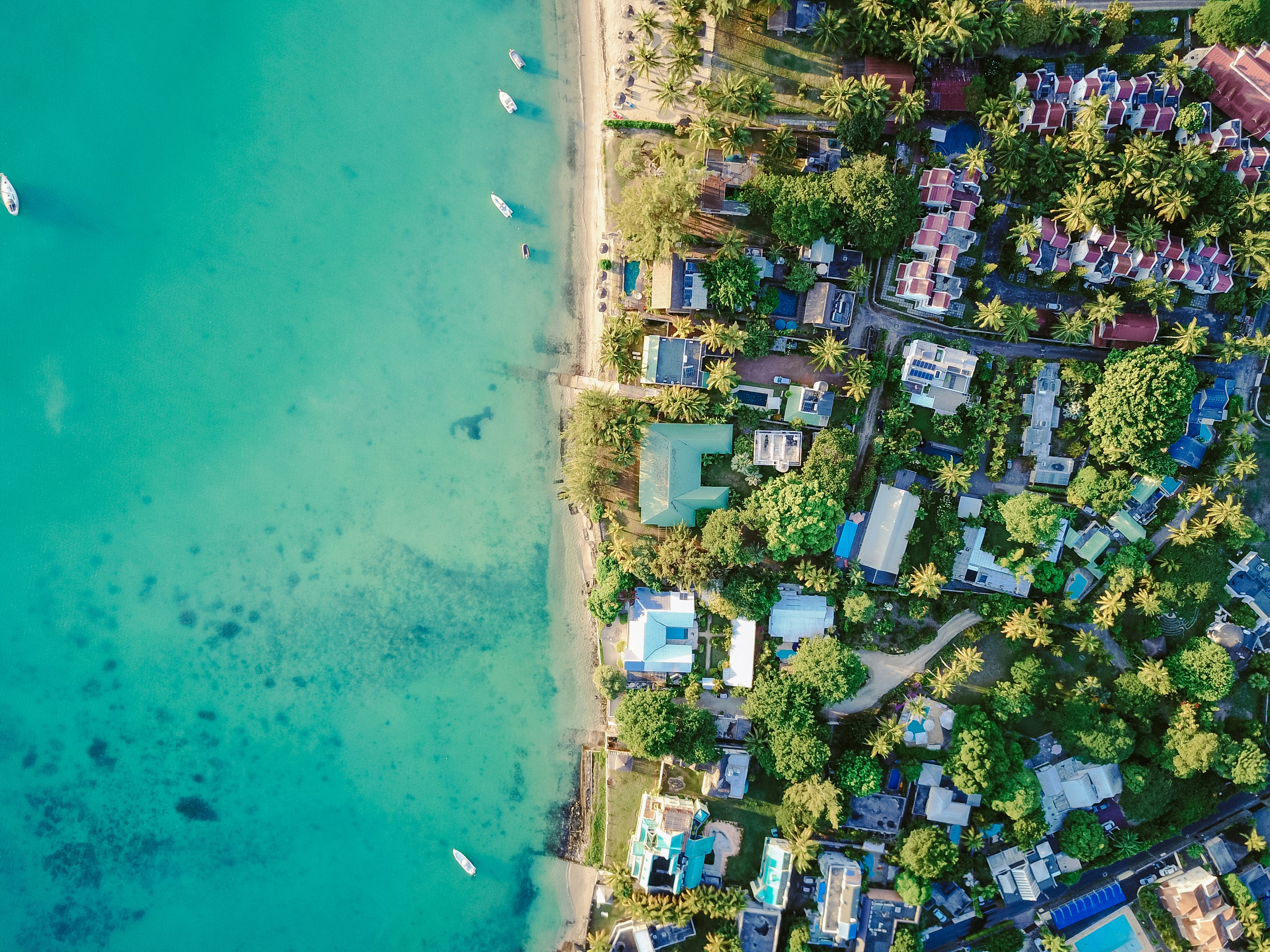
At a glance, Mauritius works especially well for couples, families, and independent travellers who want a safe, scenic destination with strong infrastructure and easy-to-plan routes. The island is compact enough that you can base yourself in one or two regions and still see a lot, but varied enough that west, north, east, and south each feel distinct. The west is popular for sunsets and calmer weather, the north for nightlife and convenience, the east for quieter beaches and luxury resorts, and the south for dramatic landscapes and road-trip energy.
For deeper planning, start with the itinerary cluster articles: Mauritius in 5 Days: The Perfect Extended Itinerary, 3 Days in Mauritius: A Day-by-Day Itinerary, and Mauritius in 10 Days: The Ultimate Travel Itinerary. These give you ready-made trip structures; this guide helps you choose the right one.
A useful rule of thumb is this: if your priority is pure relaxation, stay coastal and do 1-2 excursions; if your priority is seeing the island properly, plan for at least one full transport day or a self-drive leg. As of 2026, Mauritius is best understood as a destination where logistics are manageable, but your experience improves a lot when you match your base area to your travel style.
Best Time to Visit Mauritius
The best time to visit Mauritius depends on whether you want the driest beach weather, the warmest sea, the lowest crowds, or the best value. In general, May to December is the most comfortable stretch for many travellers, while January to April is warmer, more humid, and more prone to rain.
A simple seasonal comparison is below:
| Season | Months | Weather feel | Best for | Trade-offs |
|---|---|---|---|---|
| Summer | Dec to Apr | Hot, humid, tropical, occasional heavy rain | Swimming, lively resort stays, lush scenery | Higher humidity and cyclone-season risk |
| Autumn | May to Jun | Warm, drier, pleasant | All-round trips, beach + sightseeing | Some days may still be breezy |
| Winter | Jul to Sep | Mild, dry, comfortable | Hiking, exploring, fewer rainy days | Sea may feel cooler in some areas |
| Spring | Oct to Nov | Warm, increasingly sunny | Beach holidays, snorkelling, balanced weather | Popular periods can book up quickly |
For many travellers, October and November offer one of the best combinations of sunshine, warm water, and manageable humidity. July and August are also appealing if you prefer slightly cooler conditions and good conditions for inland exploring. If you’re planning around school holidays or festive periods, book earlier because resort prices and flight demand can rise fast.
Mauritius rewards flexibility. If you are mainly travelling for beaches and resort time, almost any month can work. If you want hiking, road trips, and island exploration, the shoulder seasons usually feel easiest. For more planning detail and how the seasons affect pricing and daily costs, see Mauritius Travel Budget Guide: Daily Costs and Money Tips alongside the itinerary guides.
As a practical decision framework: choose dry-season months for maximum comfort, shoulder-season months for the best balance of price and weather, and summer months only if you are comfortable with humidity and occasional downpours. That single choice affects almost everything else in your Mauritius trip planner.
Budget Overview: What a Mauritius Trip Costs in 2026
Mauritius can be as affordable or as indulgent as you want, but most travellers should budget around accommodation first, then transport, because getting around the island can add up quickly if you rely on taxis. Food, entry fees, and excursions are often more manageable than people expect, especially if you mix local meals with a few splurge experiences.
A practical 2026 budget snapshot looks like this:
| Traveller style | Approx daily budget | Typical spend profile |
|---|---|---|
| Budget | Lower-cost guesthouse, public transport, local meals | Simple stays, selective activities, low-frills travel |
| Mid-range | Comfortable hotel or apartment, mixed dining, some private transfers | Best balance for most first-time visitors |
| Luxury | Resort stay, private transport, premium dining and tours | High comfort, convenience, and beach-focused relaxation |
If you want the most accurate money planning, use the detailed numbers in Mauritius Travel Budget Guide: Daily Costs and Money Tips and pair them with Mauritius Currency & Money Guide: Exchange, Cards, and Tips. Those cluster articles cover day-to-day expenses, cash needs, card acceptance, and budgeting tactics in more depth.
A useful planning insight for Mauritius is that “cheap” and “good value” are not always the same thing. A very low nightly rate may be offset by a location that forces you into frequent taxi rides. By contrast, staying somewhere slightly more expensive but well located can reduce transport costs and make the trip feel much smoother.
As of 2026, the smartest budget strategy is usually to decide whether you are prioritising location convenience or room price before booking. For families and couples, an apartment with kitchen access can save on dining. For short stays, paying more for a central or beachfront base often improves the overall trip value.
If you’re building a Mauritius travel guide around costs, the best high-level advice is simple: budget for a comfortable middle ground unless you are intentionally making the trip a luxury escape or a backpacker-style challenge.
Visa & Entry Requirements
Mauritius is relatively straightforward to enter for many travellers, but you should still confirm your passport validity, onward travel plans, and any entry conditions before departure. The key is to check your nationality-specific rules early, because requirements can vary by passport and trip purpose.
For Singapore passport holders, the detailed rules are covered in Mauritius Visa & Entry Requirements for Singapore Passport Holders. That guide is the best place to verify practical points such as passport validity, customs allowances, and arrival procedures. Even if you are travelling on a different passport, the article is still useful as a model for what to confirm before flying.
As of 2026, the safest approach is to prepare the basics in advance: a passport with sufficient validity, return or onward travel evidence, proof of accommodation if requested, and a clear idea of your first address in Mauritius. If you are visiting for a holiday, it also helps to keep digital and printed copies of essential documents, since island arrivals can still involve occasional document checks.
A simple entry checklist should include:
| Entry item | Why it matters |
|---|---|
| Passport validity | Avoids boarding or entry issues |
| Return/onward ticket | Shows clear exit plans |
| Accommodation details | Helps with immigration questions |
| Travel insurance | Useful for medical or disruption cover |
| Digital document copies | Backup if phone or paper documents are unavailable |
For broader travel confidence, combine this with Mauritius Safety Guide: Tips for a Safe Trip, especially if you’re planning outdoor activities, water sports, or a self-drive itinerary.
The main rule is to verify before you fly. Entry rules can change, and the most reliable trip-planning habit is checking the current requirements for your passport closer to departure rather than relying on old forum posts or outdated checklists.
Getting Around Mauritius
Mauritius is easy to enjoy, but not always as effortless to move around as it first appears. Distances are not huge, yet local roads, traffic, and limited public transport coverage mean your choice of transport can strongly shape your experience. For many visitors, the decision comes down to whether they want maximum freedom or maximum convenience.
The full breakdown is in Getting Around Mauritius: Transport Guide for Travellers, which covers airport transfers, buses, ride-hailing, inter-city movement, and driving tips. At a high level, buses are the most budget-friendly option, taxis are convenient but can get expensive, and self-driving offers the most flexibility for island exploration.
A simple transport comparison:
| Option | Best for | Pros | Cons |
|---|---|---|---|
| Public bus | Budget travellers, slow-paced sightseeing | Cheapest, local experience | Slower, less convenient with luggage |
| Taxi/private transfer | Airport arrivals, short hops, comfort | Easy and direct | Can be costly for multiple days |
| Rental car | Independent travellers, families, road trips | Maximum freedom, flexible timing | Parking, driving adjustment, navigation |
| Ride-hailing | Occasional trips in covered areas | Simple app-based booking | Availability can vary by location |
For most first-time visitors staying more than a few days, a rental car becomes more attractive if you want to explore beaches, viewpoints, and inland attractions without being tied to excursion schedules. If you are mostly staying in one resort area, transfers plus occasional taxis may be enough.
A practical decision rule is this: choose a car if you want to see multiple regions and travel on your own timing; choose transfers and taxis if your plan is mostly resort-based; choose public transport if you are comfortable with slower pacing and want to minimise costs.
Mauritius rewards travellers who plan transport around their itinerary rather than assuming everything is close together. A beach on the map may look near, but if you are switching sides of the island, travel time can be much longer than expected. That is why transport planning belongs near the top of any serious Mauritius travel guide.
Food & Dining in Mauritius
Mauritian food is one of the island’s biggest travel rewards because it reflects the country’s mix of cultures in a way that is easy to taste and remember. Expect Creole staples, Indian curries, Chinese-influenced dishes, French-style baking, and street-food snacks that are ideal for casual lunches and quick bites between activities.
For a full breakdown of what to order and what dishes to look for, see Mauritius Food Guide: Must-Try Dishes, Prices, and Tips. As a high-level guide, try to sample a range rather than only eating at hotel restaurants. Local cafés, markets, beachside counters, and family-run eateries often give you the most memorable meals and the best value.
A quick dining framework:
| Dining style | What to expect | Good for |
|---|---|---|
| Street food | Fast, casual, inexpensive snacks | Lunch on the go, local flavours |
| Local restaurants | Simple, flavourful meals | Balanced price and authenticity |
| Hotel dining | Reliable, convenient, often more expensive | Resort stays and special dinners |
| Fine dining | Elevated presentation and service | Celebrations and romantic trips |
If you have dietary needs, the food guide is especially useful because Mauritius is generally accommodating, but planning matters. Vegetarian travellers usually have many options thanks to Indian influences, while seafood is prominent along the coast. If you are cautious about food safety, choose busy vendors, drink safe water, and use common-sense hygiene practices.
One of the best ways to experience Mauritius is to treat food as part of the itinerary, not just a necessity. A local snack stop after a beach morning or a curry lunch after a hike gives the day a more grounded, place-specific rhythm. If you are travelling with friends, Hello’s expense splitting and budget tracking tools can also help keep dining and shared activity costs easy to manage.
As of 2026, the practical rule is simple: combine one or two memorable restaurant meals with regular local dining, and you’ll usually get both a better budget balance and a better sense of the island’s identity.
Top Experiences and What to Prioritise
Mauritius is at its best when you combine a few headline experiences with some slower, lower-key moments. The island offers more than beaches alone: mountain viewpoints, nature reserves, water activities, heritage sites, and scenic drives all add texture to the trip. The challenge is not finding things to do; it is choosing the right mix for your time.
If you are short on days, anchor your plan with one coastal relaxation day, one inland nature day, and one flexible day for food, shopping, or a boat trip. The itinerary cluster articles are the best place to see these ideas turned into day-by-day plans: 3 Days in Mauritius: A Day-by-Day Itinerary, Mauritius in 5 Days: The Perfect Extended Itinerary, and Mauritius in 10 Days: The Ultimate Travel Itinerary.
A useful priority list for many first-time visitors is:
| Priority | Why it matters |
|---|---|
| Beaches and lagoon time | The core Mauritius experience |
| One scenic inland day | Adds contrast beyond resort life |
| Local food stops | Brings the culture into the trip |
| A boat or snorkelling excursion | Makes the coastline feel more special |
| A viewpoint or hike | Shows the island’s volcanic landscape |
Not every experience needs to be booked in advance, but the more popular tours and private transfers can benefit from earlier planning in peak travel periods. For travellers who enjoy structured days, Mauritius is a destination where a good itinerary meaningfully improves the holiday because distances, road time, and opening hours can shape what you realistically fit in.
The best strategy is to avoid trying to do everything. Mauritius becomes much more enjoyable when you choose a few signature experiences and leave room for slow afternoons. If your trip is only three to five days, focus on the experiences that fit your base region and skip the overpacked cross-island checklist mentality.
Hello eSIM and Connectivity in Mauritius
Reliable mobile data makes Mauritius much easier to navigate, especially if you are using maps, ride-hailing, restaurant searches, or last-minute activity bookings. For most travellers, the simplest option is to arrive already connected with Hello eSIM so you can activate data quickly without hunting for a local SIM desk after landing.
A connected setup matters because Mauritius often works best when you can check directions, confirm transfers, and message hosts in real time. Hello eSIM is especially useful for travellers who want instant activation, flexible data access, and the convenience of keeping their home SIM installed for calls, OTPs, or banking verification.
For the detailed plan selection and setup steps, see eSIM for Mauritius: Best Plans, Coverage, and Setup Tips. That guide covers how to choose a suitable data allowance, what coverage to expect, and how to prepare before departure. In a practical 2026 trip plan, the best eSIM choice is usually the one that matches your actual usage: light map-and-message use, moderate everyday browsing, or heavier hotspot and content-sharing needs.
A simple connectivity comparison:
| Option | Best for | Benefits | Limitations |
|---|---|---|---|
| Hello eSIM | Most travellers with eSIM-compatible phones | Instant setup, easy arrival connectivity | Requires compatible device |
| Roaming | Very short trips or convenience-first travellers | No setup changes | Often expensive |
| Physical SIM | Travellers who prefer a local card | Local-style setup | Extra airport or store stop |
As of 2026, the strongest connectivity habit is to prepare before your flight: confirm your phone supports eSIM, install your Hello eSIM profile ahead of time when possible, and test activation guidance before you leave. That way, your first hour in Mauritius is spent getting to your hotel, not troubleshooting mobile data.
If you are travelling with others, Hello can also help keep the broader trip organised with planning and budget tracking, which is especially useful on multi-stop island itineraries.
Practical Tips, Culture, Safety, and Money
A smooth Mauritius trip depends on a few practical habits: dress appropriately when visiting towns or cultural sites, carry some backup cash even if you use cards, protect yourself from sun and heat, and keep transport and accommodation details easy to access. The island is welcoming, but like any destination, the experience improves when you understand local norms and prepare for everyday logistics.
For etiquette and local customs, see Mauritius Cultural Guide: Etiquette, Customs, and Tips. For health, risk awareness, and emergency preparedness, use Mauritius Safety Guide: Tips for a Safe Trip. For money handling, pair this section with Mauritius Currency & Money Guide: Exchange, Cards, and Tips.
A useful practicality checklist:
| Topic | Smart approach |
|---|---|
| Dress | Light, breathable clothing; modest options for town or temple visits |
| Cash | Keep small notes for markets, taxis, and small vendors |
| Cards | Use them for larger hotels and restaurants where accepted |
| Sun protection | Bring reef-safe sunscreen, hat, and sunglasses |
| Health | Carry any personal medication and basic first aid items |
A few Mauritius-specific habits can make a big difference. Always allow extra travel time if you are crossing the island. Keep water and snacks handy on full-day outings. If you plan to swim or snorkel, confirm conditions before entering the water. And if you are self-driving, treat road time realistically instead of relying on map estimates alone.
For travellers from Singapore or other countries with compact holiday windows, the most useful approach is to simplify. Book the accommodation base first, then the transport plan, then the activities. That order keeps the trip coherent and prevents the common mistake of over-scheduling on an island where relaxation is part of the value.
As of 2026, the best all-round advice is to travel with a little flexibility, a connected phone, and enough cash/card backup to handle both planned and unplanned moments comfortably.
Before You Go: Mauritius Checklist
Mauritius is easy to enjoy, but the trip feels much better when you sort the essentials before departure. Use this checklist as a final review one to two weeks before you fly, then again the night before you leave.
| Before You Go Checklist | Status |
|---|---|
| Confirm passport validity and entry requirements | ☐ |
| Book accommodation in the right region for your itinerary | ☐ |
| Decide between rental car, transfers, or mixed transport | ☐ |
| Set your daily budget and payment mix of cash/cards | ☐ |
| Install and test Hello eSIM on a compatible device | ☐ |
| Save offline copies of reservations and key documents | ☐ |
| Check weather for your travel month and pack accordingly | ☐ |
| Review safety, etiquette, and local customs | ☐ |
| Plan your first-day airport transfer in advance | ☐ |
| Keep a flexible slot in the itinerary for delays or rest | ☐ |
The biggest win is to avoid last-minute uncertainty. Once your entry requirements, transport, and connectivity are sorted, Mauritius becomes a much more relaxed destination to arrive in. Your first day should feel like a transition into holiday mode, not a scramble to arrange data, money, or a ride.
A good final planning habit is to cross-check the itinerary, budget, and connectivity pieces together. For example, if you are staying far from the airport, you may want a transfer booked in advance and enough mobile data on Hello eSIM to navigate comfortably. If you are travelling on a tighter budget, you may prefer a central base and a stronger focus on local dining and selected day trips.
If you use this guide as your Mauritius travel guide hub, the cluster articles will fill in the detailed steps while this checklist ensures the whole trip is ready to go.
Frequently Asked Questions
How many days do I need for Mauritius?
Three days is enough for a short highlights trip, five days gives you a much better balance of beach time and sightseeing, and ten days lets you explore the island properly without rushing. For planning, the itinerary articles are the best starting point.
What is the best month to visit Mauritius in 2026?
For many travellers, October and November offer one of the best mixes of warm weather, manageable humidity, and good beach conditions. May to September is also attractive if you prefer drier, milder weather.
Is Mauritius expensive to visit?
Mauritius can be moderate to expensive depending on your accommodation and transport choices. Resort stays and taxis raise the total quickly, while guesthouses, local meals, and smart transport planning can keep costs much more manageable.
Do I need a car in Mauritius?
Not always, but a rental car is often the most flexible option if you want to explore multiple regions. If you are staying mostly in one resort area, transfers and taxis may be enough for your trip.
Can I use Hello eSIM in Mauritius?
Yes. Hello eSIM is a convenient option for travellers who want instant data access on arrival, especially for maps, ride-hailing, messaging, and bookings. Just make sure your phone is eSIM-compatible before you travel.
What should I eat in Mauritius?
Try a mix of Creole, Indian, Chinese, and French-influenced dishes rather than only eating at hotel restaurants. Local snacks and casual eateries are often the best way to understand Mauritian food culture.
Is Mauritius safe for tourists?
Mauritius is generally considered a comfortable destination for tourists, but standard travel precautions still matter. Keep valuables secure, stay aware in busy areas, and review the safety guide before water activities, hiking, or driving.
eSIM Plans for Mauritius
Detailed Articles
Dive deeper into specific topics covered in this guide.
3 Days in Mauritius: A Day-by-Day Itinerary
A detailed 3-day itinerary for Mauritius with daily activities, costs, neighborhoods, and transport tips.
13 June 2026
Mauritius in 5 Days: The Perfect Extended Itinerary
A detailed 5-day itinerary for Mauritius with daily activities, costs, neighborhoods, and transport tips for an extended stay.
8 May 2026
Mauritius in 10 Days: The Ultimate Travel Itinerary
A comprehensive 10-day itinerary for Mauritius covering top attractions, hidden gems, daily costs, and transport between cities.
21 June 2026
Mauritius Travel Budget Guide: Daily Costs and Money Tips
How much does it cost to travel in Mauritius? Daily budget breakdowns for budget, mid-range, and luxury travellers.
26 February 2026
Mauritius Currency & Money Guide: Exchange, Cards, and Tips
Currency exchange, credit card acceptance, ATM tips, tipping culture, and money-saving advice for Mauritius.
28 July 2026
Mauritius Visa & Entry Requirements for Singapore Passport Holders
Visa requirements, passport validity, customs allowances, and entry tips for Singapore citizens travelling to Mauritius.
11 July 2026
Mauritius Safety Guide: Tips for a Safe Trip
Safety tips, health advisories, emergency contacts, common scams, and travel insurance advice for Mauritius.
20 July 2026
Getting Around Mauritius: Transport Guide for Travellers
Airport transfers, public transport, ride-hailing apps, inter-city travel, and driving tips for Mauritius.
26 May 2026
More Travel Guides
Destination Guide
Complete Bosnia and Herzegovina Travel Guide 2026
Everything you need to know about travelling to Bosnia and Herzegovina — budget, visa, food, transport, eSIM connectivity, and itineraries.
Destination Guide
Complete Bahamas Travel Guide 2026
Everything you need to know about travelling to Bahamas — budget, visa, food, transport, eSIM connectivity, and itineraries.
Destination Guide
Complete Bahrain Travel Guide 2026
Everything you need to know about travelling to Bahrain — budget, visa, food, transport, eSIM connectivity, and itineraries.
Destination Guide
Complete Sint Eustatius Travel Guide 2026
Everything you need to know about travelling to Sint Eustatius — budget, visa, food, transport, eSIM connectivity, and itineraries.