Mauritius Cultural Guide: Etiquette, Customs, and Tips
Essential do's and don'ts, greeting customs, dress codes, local phrases, and cultural tips for Mauritius.
By Hello Travel Team
This article contains affiliate links. If you book through them, Hello may earn a commission at no additional cost to you. Our editorial recommendations are independent. Learn more.
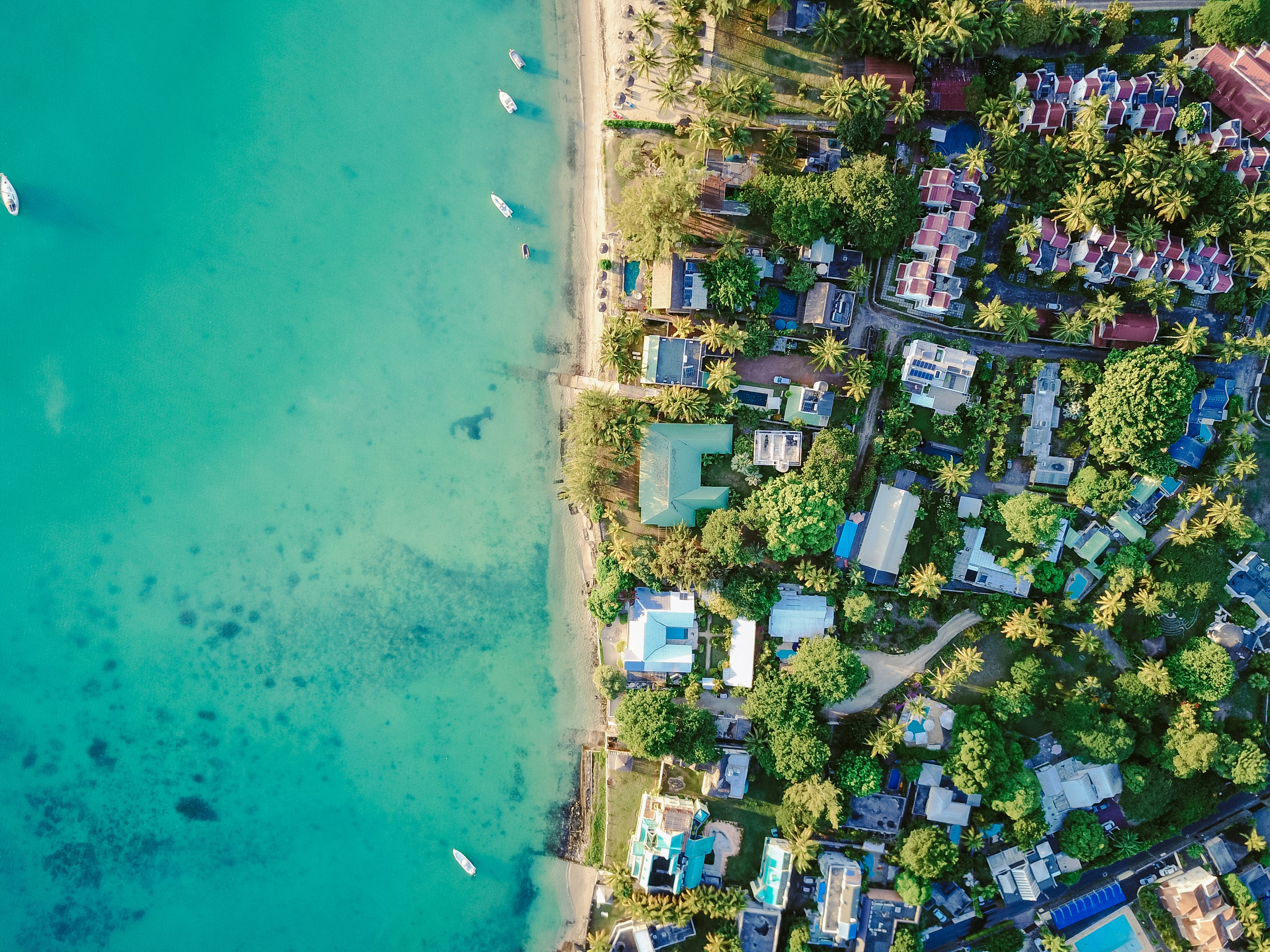
TL;DR: Essential Mauritius Etiquette, Customs, and Dos and Don’ts
Mauritius etiquette is friendly and relaxed, but travellers should dress modestly, greet politely, respect religious sites, and avoid talking politics or religion too forcefully; following these simple dos and don’ts makes it easy to connect with Mauritius’ multicultural society.
Mauritius is a warm, multicultural island where small gestures of respect go a long way. You’ll encounter Indian, African, Chinese and French influences, and most locals appreciate visitors who learn basic greetings, dress appropriately, and show interest without stereotyping. English and French are widely spoken, while Mauritian Creole (Kreol Morisien) is used day-to-day.
As a visitor, the biggest etiquette pillars are: greet people before launching into questions, avoid loud or confrontational behaviour, remove shoes and dress modestly at religious sites, and ask before photographing people or ceremonies. Public displays of affection should stay low-key, especially in rural or conservative areas.
For practical planning, Mauritius welcomed over 1.4 million visitors in 2023 according to Statistics Mauritius, and tourism continues to grow, especially in the dry, cooler months from May to October. That means popular beaches and temples receive more visitors, making good etiquette even more important.
Staying culturally aware doesn’t mean overthinking every interaction. A friendly smile, a respectful tone, and curiosity about local food, festivals and languages will take you far. The rest of this guide walks through greetings, dress codes, photography rules, business customs, holidays and gift etiquette so you can explore Mauritius confidently and respectfully.
Mauritius Culture Basics: Multicultural Island, Shared Respect
Mauritius culture is a blend of Indian, African, Chinese and European influences, and the core etiquette is simple: be polite, dress modestly beyond beach resorts, and respect religious and cultural diversity wherever you go on the island.
Mauritius is officially a “rainbow nation,” with Hindu, Muslim, Christian and Buddhist communities living side by side, plus a strong Creole heritage. Daily life is relaxed, but respect is non‑negotiable: locals generally dislike aggressive bargaining, loud arguments and mocking accents or religious practices. English is the official language, French is widely used in media, and Creole is spoken informally.
Food, festivals and family are central to Mauritius customs. You’ll find street snacks like dholl puri for around $1–2 in 2026 from local stalls, and Sunday is still a major family day, when beaches and public spaces can be busy with local picnics. Asking about someone’s family or favourite dishes is a great conversation starter.
Mauritius ranked among the top African destinations for safety and political stability in 2024 according to regional economic reports, which contributes to its welcoming vibe. Still, visitors should avoid sensitive conversations about race, religion, or historical injustices unless locals raise them first.
Day to day, a mix of French-influenced politeness and island informality sets the tone. Greet shopkeepers and drivers, avoid swearing in public, and treat elders and religious figures with particular respect. These basic cultural habits help you navigate Mauritius etiquette with ease, whether you’re in Port Louis or on a quiet coastal road.
Greetings, Local Phrases, and Everyday Mauritius Etiquette
Greeting customs in Mauritius are friendly but politely reserved: say “Bonjour” or “Hello,” use a handshake in formal settings, and switch to casual “Salut” or a smile in relaxed situations, adding a few Creole phrases to show respect for local culture.
In everyday encounters, a simple “Bonjour” (French) or “Hello” works almost everywhere, especially in shops, hotels and restaurants. Among friends, Mauritians might use “Salut” or local Creole like “Bonzur” as a greeting. First meetings usually involve a light handshake; close friends and family may exchange cheek kisses, but don’t initiate those unless locals clearly do.
A few easy Mauritian Creole phrases:
- Bonzur – Hello
- Ki manier? – How are you?
- Mersi – Thank you
- S'il vous plaît / Silvouple – Please
- Mo pa konpran – I don’t understand
Using “Mersi” and “Silvouple” regularly is one of the simplest Mauritius dos and donts: do use polite forms, don’t bark orders or skip greetings when entering small shops or cafés.
In more formal or business contexts, address people with Mr/Mrs plus surname until invited to use first names. Avoid overly familiar body language at first; Mauritians value friendliness, but also personal space and decorum in public.
If you’re splitting bills with new friends from different language backgrounds, the Hello app’s expense splitting and AI receipt scanning can help you keep track of shared taxi fares or restaurant tabs in multiple currencies without awkward money conversations, leaving more space for relaxed, culturally aware social time.
Dress Codes and Religious Site Etiquette in Mauritius
Dress codes in Mauritius are easy: beachwear is fine on the sand, but modest clothing is expected in towns and essential at religious sites, where you should cover shoulders and knees, remove shoes when asked, and avoid flashy or revealing outfits.
Mauritius is a beach destination, but walking through town in swimwear is frowned upon. In Port Louis, Curepipe or smaller villages, opt for light trousers or knee-length shorts and tops that cover shoulders. Hotels and tourist restaurants may be flexible, but local eateries and markets appreciate modest dress.
Religious sites are central to Mauritius culture, and visiting them respectfully is a big part of good etiquette. At Hindu temples like Ganga Talao (Grand Bassin), visitors are expected to:
- Wear clothing that covers shoulders and knees
- Remove shoes before entering inner areas
- Avoid loud conversation or phone calls inside
- Never touch sacred objects without permission
Similarly, when visiting mosques, women should consider long sleeves and long skirts or trousers, and men should avoid shorts. Some Christian churches also prefer modest clothing, especially during services.
A helpful rule of thumb: if locals are dressed more conservatively than you, adjust your outfit. Pack one lightweight scarf or shawl and long trousers or a maxi skirt specifically for religious and rural visits.
While Mauritius is generally tolerant, ignoring these dress codes can be seen as disrespectful to deeply held customs. Planning outfits ahead — and checking opening times or special festival days online — will help you enjoy these cultural spaces without missteps.
Photography Rules, Business Etiquette, and Staying Connected
Photography etiquette in Mauritius is straightforward: ask before photographing people, avoid sensitive locations like government buildings, and be discreet in religious settings; in business contexts, punctuality, politeness, and clear communication are key parts of Mauritius customs.
For photography, always ask permission before taking close-up shots of individuals, especially elders, children, and people engaged in religious rituals. Many Mauritians are happy to pose, but some prefer privacy. If someone refuses or looks uncomfortable, respect that and move on.
At religious sites, follow posted signs: some inner sanctums, shrines or ceremonies are photography-free, or flash may be banned. Government buildings, ports and some security installations should not be photographed at all. When in doubt, ask a staff member or security guard.
Business etiquette in Mauritius combines British, French and local influences. Meetings usually start on time, and arriving 5–10 minutes early is considered professional. Dress smart-casual to formal (shirts, long trousers or skirts, closed shoes) unless you know the office norm is more relaxed.
Business cards are commonly exchanged, and initial communication may be more formal than in casual social settings. Avoid overly pushy sales tactics or public disagreements; Mauritian professionals often value consensus and courteous discussion.
Reliable connectivity helps navigate all this smoothly. An eSIM from Hello lets you arrive in Mauritius with mobile data already active, so you can check temple dress codes, translate phrases, or join video calls without hunting for a SIM card at the airport. Plans start from 5GB with instant activation via the Hello app, which also supports budget tracking and AI-powered expense categorization for work trips.
Local Holidays, Festivals, and How They Affect Travel Plans
Mauritius’ many religious and cultural holidays bring colourful festivals, processions and closures, so travellers should check dates, expect busier traffic and limited services on major public holidays, and see them as opportunities rather than obstacles.
Mauritius has several public holidays tied to its diverse communities. Key ones include:
- Maha Shivaratri (Hindu) – Often in February or March; pilgrims walk to Ganga Talao, creating major traffic along routes.
- Eid-ul-Fitr (Muslim) – At the end of Ramadan; some shops and offices may close or operate shorter hours.
- Chinese Spring Festival – Around late January or February; celebrations in Chinatown, Port Louis.
- Independence Day (12 March) – National holiday with events and possible closures.
According to Mauritius’ government holiday calendar, these days often involve processions, gatherings and partial business closures. For travellers, this means planning extra time for transport, booking accommodation early around popular festivals, and checking if specific attractions have reduced hours.
On the plus side, these events showcase Mauritius culture at its most vibrant. Watching pilgrims around Grand Bassin at Maha Shivaratri or lanterns in Port Louis during Chinese New Year gives you deeper insight into everyday faith and community.
In 2024, Mauritius’ tourism authority reported sustained increases in visitor numbers around major holiday periods, particularly during the cooler, dry season from May to October. Expect higher demand (and sometimes higher prices) then: mid-range hotels may run $80–150 per night in 2026 in popular coastal areas.
Use holidays as a chance to learn and observe respectfully: dress modestly, avoid blocking processions for photos, and ask locals the best way to watch without intruding.
Gift-Giving Customs and Money Etiquette in Mauritius
Gift-giving in Mauritius is low-pressure and thoughtful: small souvenirs, sweets or regional products are appreciated, while overly extravagant or showy gifts can feel uncomfortable or inappropriate in many everyday situations.
Among friends or hosts, bringing a modest gift — like quality chocolates, a regional snack from your home country, or a small handicraft — is a nice gesture. Avoid very expensive items or anything that could be interpreted as a bribe in professional settings. If invited to a family meal, consider a cake or dessert from a local bakery (often $8–15 in 2026 for a good-quality cake), or a selection of fruits.
When giving gifts to children, small toys or sweets are common, but ask parents first and avoid anything that might conflict with religious values. Wrapping gifts is appreciated; neutral colours are a safe choice since symbolism differs among communities.
Money etiquette also matters. Mauritius uses the Mauritian rupee, and for informal expenses it’s better to pay in local currency rather than foreign cash. Tipping is not mandatory but appreciated in tourist hotels and restaurants; 5–10% is reasonable if service charge isn’t already included. For small eateries and street food, rounding up the bill is enough.
If you’re travelling as a group, the Hello app’s multi-currency expense tracking and automatic exchange rates make splitting restaurant bills and activity costs smoother, so you can avoid awkward IOUs and focus on enjoying your time with local hosts.
Overall, keep gifts and money gestures modest, thoughtful and tailored to the context, matching the island’s understated but warm social style.
Common Questions About Mauritius Etiquette, Customs, and Dos and Don’ts
Most common Mauritius etiquette questions revolve around dress codes, tipping, language, and behaviour at religious sites; the simple rule is to be modest, polite, and curious, while avoiding loud, pushy or disrespectful conduct.
Q: What should I not do in Mauritius?
Avoid walking around town in just swimwear, being loud or drunk in public, aggressive bargaining, and disrespecting religious spaces (e.g., entering temples in revealing clothes, ignoring shoe rules, or taking photos where signs forbid it).
Q: Is tipping expected in Mauritius?
Tipping is not strictly required, but in tourist restaurants and hotels a 5–10% tip is appreciated if no service charge is included. For taxis, rounding up a few rupees is fine; at small local eateries, tipping is optional.
Q: Can I drink alcohol in public?
Alcohol is widely available, especially in resorts, but public drunkenness is frowned upon, especially in conservative or rural areas. Keep drinking to licensed venues, hotels, or private gatherings.
Q: What’s the best way to stay connected?
Using Hello’s eSIM plans for Mauritius lets you activate data before landing and arrive connected, so you can navigate, translate phrases and check bus schedules without hunting for a local SIM. In 2026, mobile data via Hello eSIM for Mauritius typically costs less than many hotel Wi‑Fi day passes.
Q: Is English enough, or do I need French or Creole?
English is widely understood and used officially, French is common in media and daily conversation, and Creole is the informal local language. Learning a few Creole phrases is not essential but shows respect and often leads to warmer interactions.
Explore These Destinations
Stay Connected
Book this trip
Compare options on trusted travel sites
Plan activities for this trip
Continue to a reviewed booking partner to check schedules, inclusions, and terms.

Make the most of Mauritius
From eSIM connectivity to expense tracking, Hello is the all-in-one companion that keeps your trip stress-free.
Related Articles
Mauritius Currency & Money Guide: Exchange, Cards, and Tips
Currency exchange, credit card acceptance, ATM tips, tipping culture, and money-saving advice for Mauritius.
28 July 2026
Mauritius Safety Guide: Tips for a Safe Trip
Safety tips, health advisories, emergency contacts, common scams, and travel insurance advice for Mauritius.
20 July 2026
Mauritius Visa & Entry Requirements for Singapore Passport Holders
Visa requirements, passport validity, customs allowances, and entry tips for Singapore citizens travelling to Mauritius.
11 July 2026