Mauritius Safety Guide: Tips for a Safe Trip
Safety tips, health advisories, emergency contacts, common scams, and travel insurance advice for Mauritius.
By Hello Travel Team
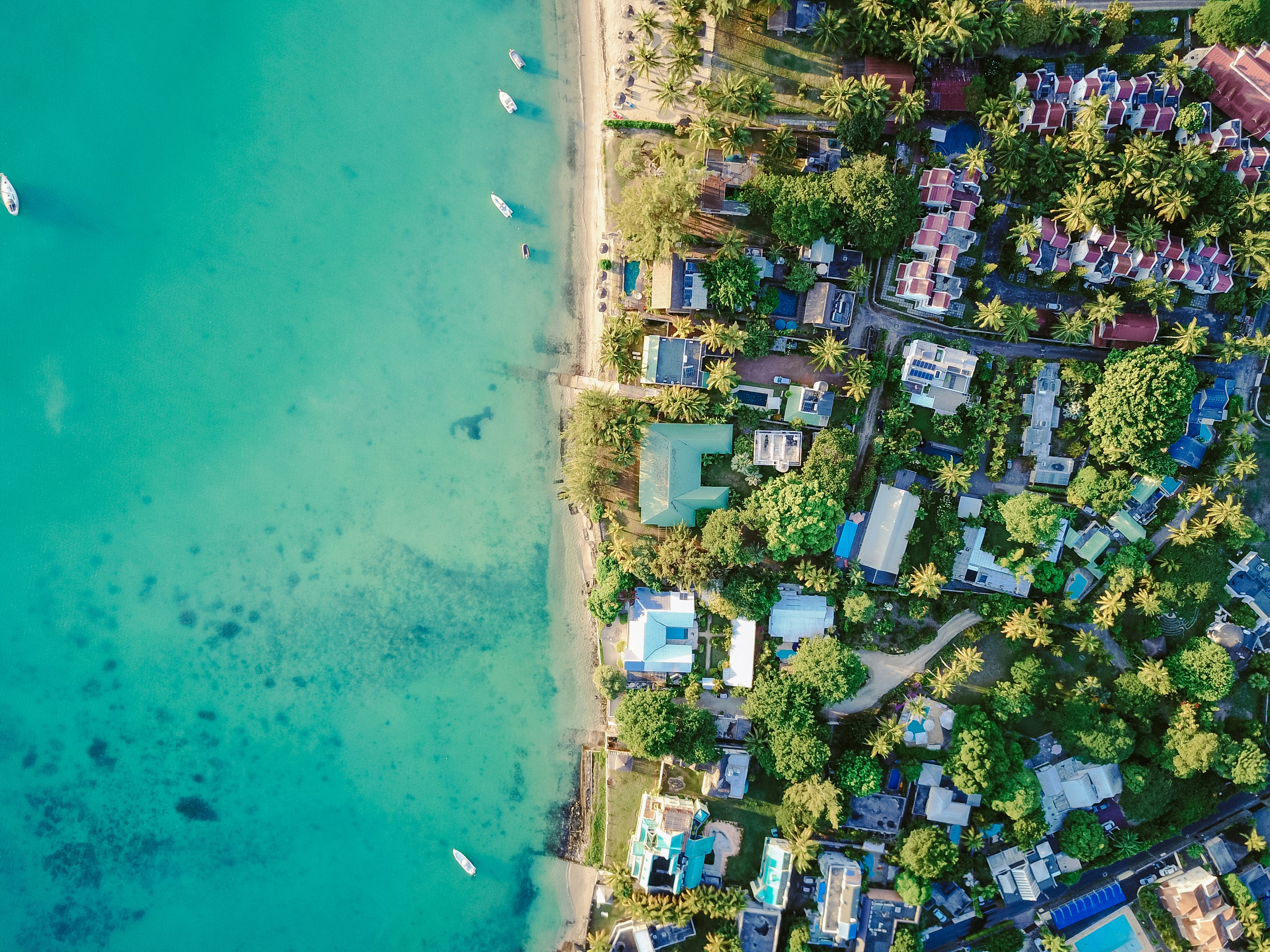
TL;DR: Is Mauritius Safe for Travel?
Mauritius is generally very safe for tourists, with low violent crime, good healthcare, and reliable emergency services, as long as you take normal urban precautions and respect ocean conditions and local customs. Most trips are trouble‑free when travellers stay alert to petty theft and keep valuables secure, especially at night.
Mauritius consistently ranks among the safest countries in Africa, with international advisories from the US, UK, Australia and Canada all set at their lowest risk level, meaning visitors are advised to exercise normal precautions rather than avoid travel. According to Australia’s Smartraveller and the UK Foreign Office, most visits are incident‑free and crimes against tourists tend to be non‑violent and opportunistic rather than targeted.
For day‑to‑day Mauritius travel safety, the key is simple: secure your accommodation, avoid walking alone on dark beaches, lock your car and don’t leave valuables on display. Ocean currents can be strong on the south and east coasts, so swimming at patrolled beaches and respecting safety flags is just as important as watching your bag in markets.
Health standards are solid for routine issues, especially around Port Louis, but serious cases may require evacuation, so good travel insurance with medical cover is essential. A Hello eSIM helps you stay connected to maps, emergency contacts and your travel companions, which can make dealing with any unexpected situation much smoother.
Overall Mauritius Travel Safety: What Risk Level Should You Expect?
Mauritius is considered a low‑risk destination for travellers, with mostly petty crime, strong tourism infrastructure, and stable politics, so typical city‑level precautions are usually enough to stay safe on holiday. Violent crime against visitors is rare, and most travellers enjoy a relaxed, trouble‑free stay.
International advisories from major governments rate Mauritius at the lowest of four risk tiers, recommending normal safety precautions rather than enhanced caution or avoidance. The US State Department and UK Foreign Office both note that crime involving tourists is generally limited to theft and bag snatching in urban areas and busy tourist spots rather than serious assaults. A 2024 safety overview reports a crime index around the "low to moderate" range and highlights that walking alone in the daytime is considered safe, with night‑time risk rising mainly due to poor lighting and isolated areas.
Mauritius welcomed over 1.4 million visitors in 2023, according to local tourism authorities, and the vast majority experienced no safety problems beyond occasional petty issues. Popular resort areas like Grand Baie, Flic en Flac and Belle Mare have a visible police presence, including a dedicated Tourism Police unit that assists visitors.
Treat Mauritius like a relaxed island with normal big‑town risks: keep valuables close in Port Louis and busy markets, avoid deserted places after dark, and maintain the same awareness you’d use in any coastal city. Combined with its reputation as one of Africa’s safest countries, this makes Mauritius a very comfortable choice for first‑time visitors.
Emergency Numbers, Police & Embassy Support for Travellers
Emergency services in Mauritius are well‑organized; keep key numbers handy and you’ll be able to reach police, ambulance or fire assistance quickly from anywhere on the island. Calls are generally free from local SIMs, and operators usually speak English and French.
Core Mauritius emergency numbers are straightforward:
- Police: 999 or 112 (24/7)
- Ambulance (SAMU public service): 114
- Fire services: 115
Some government advisories also list 995 and 118 for specific ambulance or clinic services, but for most visitors, 999/112 for police and 114 for ambulance will cover urgent needs. There is a Tourism Police unit that can help with theft, scams or safety concerns; advisory services mention dedicated hotlines for tourist assistance, and you can always start by calling 999 and asking to be connected.
If you’re a Singapore citizen, note that there is no resident Singapore embassy in Mauritius; the nearest Singapore mission responsible for Mauritius is typically based in Pretoria, South Africa, or another regional hub. In practice, Singaporeans can contact the Ministry of Foreign Affairs Duty Office by phone or email for consular assistance and coordinate support through honorary consuls or partner missions on the island.
Because calling for help is crucial in emergencies, having stable mobile data and VoIP access via a Hello eSIM for Mauritius lets you use internet calling, share your location, and look up nearby clinics even if you don’t have a local voice plan.
| Service | Number | Notes |
|---|---|---|
| Police | 999 / 112 | Primary emergency line |
| Ambulance (SAMU) | 114 | Public medical emergencies |
| Fire Services | 115 | Fire and rescue |
Health, Vaccinations, Water Safety and Ocean Conditions in Mauritius
Health risks in Mauritius are moderate and manageable for most travellers; routine vaccines, sun protection, and ocean awareness go much further than worries about serious disease. Medical care is decent in urban areas, but comprehensive travel insurance is strongly recommended for evacuation or private treatment.
The CDC’s traveler guidance for Mauritius emphasizes routine vaccinations (MMR, tetanus, polio, seasonal flu) and, depending on your activities, hepatitis A/B and typhoid, since these can be transmitted through food and water. It also highlights mosquito protection (long sleeves, repellent, permethrin‑treated clothing) as a general tropical precaution, even though Mauritius is not currently a high‑risk malaria destination.
Tap water in many hotels and urban areas is treated and generally safe for brushing teeth, but visitors often prefer bottled water for drinking to avoid stomach upsets, which usually costs around $0.50–1 per 1.5L bottle in supermarkets in 2026. Food hygiene in established restaurants and resorts is typically good; street snacks are fine if freshly cooked and served hot.
Ocean safety is more important than disease risk. Local advisories highlight strong currents on the south and east coasts, and emphasize swimming only in designated areas, following lifeguard instructions, and respecting colored flags. Stonefish and sea urchins can occur on rocky or coral beaches; wearing water shoes helps prevent painful stings.
For heat and sun, pack high‑SPF reef‑safe sunscreen, a hat and light clothing. The CDC notes peak UV between 10 a.m. and 4 p.m., so consider scheduling hikes and markets in the early morning or late afternoon, keeping hydrated throughout the day.
Scams, Petty Crime and How to Avoid Problems in Mauritius
Mauritius scams tend to be mild and non‑violent, usually involving overcharging or opportunistic theft rather than sophisticated fraud; with a few habits—like ignoring unlicensed vendors and using registered taxis—you can avoid the vast majority of issues easily.
Government and independent safety guides agree that petty crime is the main risk for tourists. Common scenarios include bag snatching in busy areas of Port Louis, pickpocketing in markets, and theft from parked cars at beach car parks or hiking trailheads. Advice from the UK and World Travel Guide stresses locking your accommodation, using hotel safes, not walking alone at night on beaches, and never leaving valuables visible inside vehicles.
Scams mostly revolve around
- Unlicensed beach vendors offering excursions, boat trips or souvenirs at inflated prices.
- Taxi overcharging if fares are not agreed in advance.
- Informal currency exchange with poor rates or short‑changing.
You can avoid these easily by:
- Booking tours only through hotels or licensed operators registered with the Mauritius Tourism Authority.
- Using official taxi stands, agreeing the fare before the ride, or requesting the meter.
- Refusing invitations to do business with street or beach vendors and politely walking away.
Keep a "day wallet" with limited cash, while storing spare cards and passports in your hotel safe. When visiting popular viewpoints like Alexandra Falls or Grand Bassin, watch your bags and don’t feed monkeys—some guides jokingly refer to “mugger monkeys” grabbing food or loose items.
If you do experience theft, report it promptly at the nearest police station and request a written report, which insurance providers usually require for claims.
Solo Female & LGBTQ+ Traveller Safety in Mauritius
Mauritius is relatively welcoming and comfortable for solo female and LGBTQ+ travellers, with low levels of harassment in tourist areas, though conservative social norms mean discretion and situational awareness are still important outside resorts and nightlife spots.
Safety reports note that women travelling alone generally feel secure, especially in resort zones and during the day. However, most advisories still recommend avoiding walking alone at night on beaches or in poorly lit backstreets, particularly around Port Louis’ business district and some nightlife strips. Planning taxis in advance for evening returns from Grand Baie or Flic en Flac and choosing well‑reviewed, licensed accommodation helps maintain a sense of control.
For solo female travellers, practical tips include:
- Choose centrally located guesthouses or hotels with 24‑hour reception.
- Use registered taxis or ride services arranged by your hotel after dark.
- Dress modestly when visiting religious sites and small inland villages to match local norms.
LGBTQ+ visitors will find that, while Mauritius has made legal progress, social attitudes remain mixed. Resorts, dive shops and tour operators are typically relaxed and accustomed to international guests, but public displays of affection—regardless of orientation—are uncommon in more traditional areas. Most travellers report feeling safe when they keep intimacy private and focus on enjoying the beaches, hikes and food scene.
Nightlife in hubs like Grand Baie is friendly, with bars and clubs used to diverse crowds; as anywhere, moderate alcohol use, watching your drink, and staying with trusted companions are smart choices. A Hello eSIM keeps solo travellers reachable via messaging and map sharing, adding a layer of reassurance.
Travel Insurance, Costs and Staying Connected Safely in Mauritius
Travel insurance with strong medical and theft coverage is highly recommended in Mauritius, not because the country is dangerous, but because evacuation or private hospital bills can be expensive compared to the modest cost of a comprehensive policy.
Safety guides point out that while healthcare in Port Louis and major towns is reasonable for routine issues, serious conditions may require transfer to better‑equipped regional facilities. Medical evacuation can quickly reach several thousand US dollars, while good travel insurance often costs $50–120 per person for a 1–2 week trip in 2026, depending on age and coverage level. Look for policies that include:
- Emergency medical and hospital cover
- Medical evacuation and repatriation
- Theft or loss of luggage, electronics and documents
- Trip cancellation or curtailment
Because petty theft is the main risk, insurers usually require a police report for claims, so always file one promptly if anything is stolen. Keeping receipts and serial numbers for key electronics will also help.
Staying connected safely matters as much as insurance. Mobile data lets you check weather warnings, track cyclones in season, navigate unfamiliar roads and call emergency services or your insurer without hunting for Wi‑Fi. An eSIM from Hello for Mauritius gives you instant data on arrival, so you can share your location with friends and keep critical documents backed up in the cloud.
| Item | Typical Cost (2026) | Notes |
|---|---|---|
| 7–14 day travel insurance | $50–120 | Depends on age & coverage |
| Local restaurant meal | $15–25 | Mid‑range dinner per person |
| Bottled water (1.5L) | $0.50–1 | Supermarkets and corner shops |
Common Questions About Mauritius Safety (Q&A)
Most travellers find Mauritius safe, relaxed and easy to navigate, as long as they respect ocean warnings, avoid dark isolated areas at night, and treat petty theft risks just like they would in any busy tourist destination. Below are quick answers to the safety questions people ask most often.
Q: Is Mauritius safe for tourists overall? A: Yes. International advisories and independent reports describe Mauritius as one of Africa’s safest countries, with low violent crime and mostly minor, opportunistic theft. Normal precautions—using hotel safes, avoiding unlit beaches at night, and watching your bag—are usually enough.
Q: What are the main emergency numbers? A: Dial 999 or 112 for police, 114 for ambulance (SAMU), and 115 for fire services. Save these in your phone and write them on a card in your wallet in case your battery dies.
Q: Are there many scams in Mauritius? A: Scams are relatively limited and typically non‑aggressive, often involving overcharging by unlicensed vendors or taxis. Book tours through licensed operators, agree taxi fares in advance, and avoid doing business with street or beach sellers.
Q: Is Mauritius safe for solo female travellers? A: Generally yes, especially in resort areas and during the day. At night, use taxis instead of walking on quiet beaches or backstreets, and stay in licensed, well‑reviewed accommodation.
Q: How can I stay connected for safety? A: Using Hello’s eSIM plans for Mauritius means you arrive with mobile data active, so you can access maps, emergency contacts, and expense tracking without relying on hotel Wi‑Fi or physical SIMs.
Q: Do I really need travel insurance? A: Strongly recommended. Healthcare for routine issues is fine, but serious problems or evacuation can be costly, so medical and evacuation cover is a smart investment for peace of mind.
Explore These Destinations
Stay Connected
Ready for Mauritius?
eSIM data, expense splitting, budget tracking, and more. Everything you need for a smooth trip in one app.
Related Articles
Mauritius Currency & Money Guide: Exchange, Cards, and Tips
Currency exchange, credit card acceptance, ATM tips, tipping culture, and money-saving advice for Mauritius.
28 July 2026
Mauritius Visa & Entry Requirements for Singapore Passport Holders
Visa requirements, passport validity, customs allowances, and entry tips for Singapore citizens travelling to Mauritius.
11 July 2026
eSIM for Mauritius: Best Plans, Coverage, and Setup Tips
Everything you need to know about using eSIM in Mauritius. Best data plans, network coverage, and setup instructions.
2 July 2026