Mauritius Food Guide: Must-Try Dishes, Prices, and Tips
Best local dishes, street food, restaurant prices, dietary options, and food safety tips for Mauritius.
By Hello Travel Team
This article contains affiliate links. If you book through them, Hello may earn a commission at no additional cost to you. Our editorial recommendations are independent. Learn more.
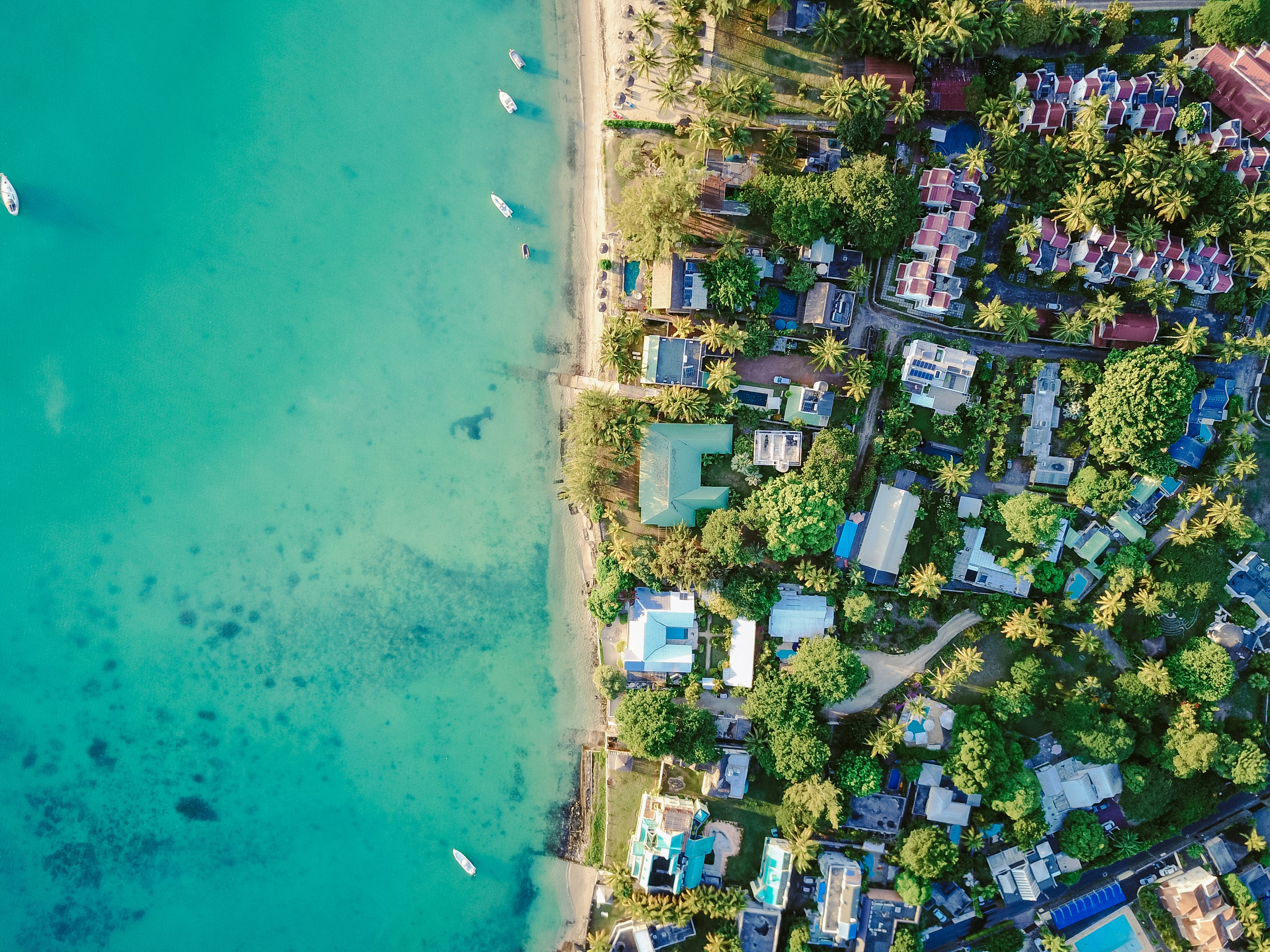
TL;DR: What to Eat in Mauritius and How Much It Costs
Mauritius food is a flavorful mix of Creole, Indian, Chinese, and French influences, with filling street food from MUR 50–150 (about $1–3) and sit-down restaurant meals from MUR 400–1,200 ($9–25) in 2026. You’ll find plenty of halal, vegetarian, and even vegan options across the island.
If you’re wondering what to eat, focus on dholl puri, Creole curries, fresh seafood, boulettes (dumplings), and local snacks like gato piment and samosas. Casual local eateries, called "snacks," are your best bet for tasty, budget-friendly meals, while mid-range restaurants in resort areas charge closer to European prices.
Tracking food costs day-to-day can be tricky, especially when you’re mixing markets, beach snacks, and nicer dinners. The Hello app helps by logging expenses with AI receipt scanning in any currency (including Mauritian rupees), making it easy to see your average spend per day and avoid end-of-trip bill shock.
Overall, Mauritius is a great destination for food-loving travellers who want variety without breaking the bank. With smart planning and a rough daily food budget of MUR 800–2,000 ($18–45) per person in 2026, you can enjoy street food lunches, local dinners, and the occasional splurge while staying comfortably within your budget.
Mauritius Must-Try Food: Creole, Indian, Chinese and Street Snacks
Mauritius’s must-try food combines Creole stews, Indian flatbreads, Chinese noodle dishes, and street snacks, with typical local meals costing MUR 150–400 ($3–9) at casual spots in 2026. Expect bold flavors, lots of chili and chutneys, and generous portions for the price.
Classic Mauritius must try food starts with dholl puri, a soft split-pea flatbread filled with bean curry, rougaille (tomato-based sauce), and chutneys. Two dholl puris from a local stall in Port Louis or Quatre Bornes usually cost around MUR 50–80 ($1–2). Another staple is farata (similar to Indian paratha), often served with chicken or veg curry for about MUR 150–250.
For Creole flavors, look for rougaille saucisse (sausage in tomato-chili sauce), vindaye poisson (pickled fish), and octopus curry, commonly priced between MUR 250–400 in small restaurants. Chinese-influenced dishes like fried noodles and fried rice are widely available and usually sit around MUR 200–350.
Street snacks such as gato piment (chili fritters), samosas, and gateau patate (sweet potato cakes) make great cheap bites, often MUR 10–25 each from market vendors. Fresh tropical fruit—pineapple, mango, litchis—adds a refreshing finish and is inexpensive when bought from roadside stands.
To keep all these tasty stops organized, you can quickly log each purchase in the Hello app using voice expense entry or AI receipt scanning, helping you maintain a realistic "food diary" and stay on top of your Mauritius food budget.
Mauritius Street Food vs Restaurant Dining: Prices, Budgets, and Where to Eat
Mauritius street food is cheap and filling, often MUR 50–200 ($1–4) per item in 2026, while restaurant dining ranges from MUR 400–1,200 ($9–25) per person for a main and drink, depending on location and style. Mixing both keeps costs reasonable without sacrificing flavor.
Street food shines in areas like Port Louis, Quatre Bornes, Curepipe, and coastal towns such as Flic en Flac and Grand Baie. Here, snacks and dholl puris cost around MUR 50–80, noodle dishes MUR 150–250, and simple curry rice plates about MUR 150–300. These are ideal for lunch or casual dinners while exploring.
Sit-down restaurants, especially in tourist hubs and resorts, charge more. In 2026, expect:
- Local casual restaurant: MUR 300–600 ($7–13) for a main
- Mid-range restaurant: MUR 600–1,200 ($13–25) for a main plus a drink
- Hotel/resort restaurant: MUR 900–1,800 ($20–38) per main, often with higher-priced drinks
Here’s a quick comparison:
| Type of Dining | Typical Cost (MUR, 2026) | Approx. USD | What You Get |
|---|---|---|---|
| Street food snack | 50–150 | $1–3 | Dholl puri, samosa, gato piment |
| Local "snack" eatery | 150–300 | $3–7 | Curry rice, noodles, fried rice |
| Casual restaurant | 300–600 | $7–13 | Main dish, soft drink |
| Mid-range restaurant | 600–1,200 | $13–25 | Main, drink, nicer setting |
To avoid budget surprises, many travellers set a daily food budget and track it in the Hello app, which supports multi-currency and automatic exchange rates between MUR and your home currency.
Dietary Needs in Mauritius: Halal, Vegetarian, Vegan, and Food Safety
Mauritius is generally excellent for halal and vegetarian food, with growing vegan options in tourist areas, and overall food safety standards are good when you stick to busy, well-reviewed spots. Most travellers can eat widely here with basic precautions.
Because Mauritius has sizeable Muslim and Hindu communities, halal food and vegetarian dishes are widely available. Many local restaurants and "snacks" serve halal meat; mosques in areas like Port Louis and Quatre Bornes are usually surrounded by halal-friendly eateries. Always look for visible halal certification or ask staff directly.
Vegetarian travellers will find lots of choices: lentil-based dholl puri, veg curries with pumpkin, eggplant, or spinach, fried noodles with vegetables, and salads with fresh tropical produce. Vegan options are most common in tourist hubs like Grand Baie and Flic en Flac, where cafés increasingly note vegan dishes and plant milks on menus.
In terms of safety, Mauritius ranked among the safer and more developed African destinations according to regional tourism bodies in 2024, with relatively strong public health indicators compared to many peers. Tap water is treated but many visitors still prefer bottled water, especially outside urban centres. Stick to busy stands with high turnover, make sure food is cooked hot, and be cautious with raw seafood and salads from very basic stalls.
If you have strict dietary needs, logging meals and any extra costs in the Hello app can help you track where you found safe, suitable options and what they cost, useful for planning future days.
Food Delivery, Tipping Customs, and Paying for Meals in Mauritius
Food delivery apps are available in Mauritius’s main urban and tourist areas, tipping is modest (often 5–10% when service is good), and most mid-range restaurants accept cards while small street vendors prefer cash in rupees.
In and around Port Louis, Grand Baie, Ebène, and other developed areas, you’ll find local food delivery platforms and some international apps offering delivery from popular restaurants and fast food chains. Delivery fees are typically modest—often around MUR 75–150 ($2–3) depending on distance—making it a convenient option on days you don’t feel like going out.
Tipping culture is relatively low-key compared to North America. A service charge may be included at higher-end venues; if not, many travellers leave 5–10% in restaurants when service is good. In small "snacks" or street food stalls, tipping isn’t expected, though rounding up the bill is appreciated.
For payment, cash in Mauritian rupees (MUR) is king at markets, stalls, and local eateries. Mid-range and upscale restaurants commonly accept major credit and debit cards, but you may encounter minimum spend requirements. ATMs are widely available in towns and large shopping centres.
To manage different payment types—cash withdrawals, card charges, and delivery orders—you can import bank statements in CSV or PDF into the Hello app and automatically categorize food expenses. The app’s multi-currency tracking helps you see exactly how much you’re really spending on dining in Mauritius in your home currency.
Staying Connected and Tracking Your Mauritius Food Budget with Hello
Staying connected with a Hello eSIM makes it easy to find local food, use delivery apps, and track your Mauritius dining budget in real time, especially if you’re travelling with friends and splitting restaurant bills.
Having data on arrival is particularly useful in Mauritius, where local snack spots, beach shacks, and family-run restaurants often rely on map listings and social reviews rather than big signs. With an eSIM from Hello, you can activate data before landing and start searching for nearby dholl puri stalls or seafood restaurants the moment you arrive. Hello offers eSIM data plans for over 200 countries with instant activation, and you can browse options for Mauritius at Hello eSIM for Mauritius.
Food costs add up quickly when you factor in market snacks, café stops, and resort drinks. The Hello app’s budget tracking tools—AI receipt scanning, voice expense entry, and automatic exchange rates—let you tag each expense as "Food" or "Drinks" and watch your daily average. If you’re sharing meals or ordering big platters, Hello’s expense splitting works across currencies, so you can divide the bill fairly even if you’re paying in MUR and friends are tracking in USD or EUR.
By the end of your trip, you’ll have a clear picture of your Mauritius food guide in practice: how much you spent on street food versus restaurants, which days were splurge days, and what feels realistic if you plan to come back.
Common Questions About What to Eat in Mauritius (Q&A)
Mauritius is a fantastic destination for food lovers, with safe, affordable street food, plenty of halal and vegetarian choices, and restaurant prices that are manageable if you plan a daily budget around MUR 800–2,000 ($18–45) per person in 2026.
Q: What are the must-try dishes in Mauritius?
A: Don’t miss dholl puri, farata with curry, Creole rougaille, vindaye fish, boulettes (dumplings in broth), fried noodles, and local snacks like gato piment and samosas. Fresh grilled seafood on the coast is another highlight, especially in fishing villages and beachside "snacks."
Q: Is Mauritius street food safe to eat?
A: Generally yes, especially at busy stalls with high turnover in markets and town centres. Mauritius has relatively strong health infrastructure for the region according to regional tourism and health reports from 2024, but you should still choose cooked-to-order food, avoid anything that’s been sitting too long, and be cautious with raw items.
Q: How much will I spend on food per day?
A: Budget travellers who rely mostly on street food and local eateries can manage around MUR 800–1,200 ($18–27) per day. Those mixing mid-range restaurants and drinks might spend MUR 1,500–2,500 ($34–56). Use the Hello app’s AI-powered categorization to track these numbers as you go.
Q: Are vegetarian and halal options easy to find?
A: Yes. Thanks to Mauritius’s diverse population, vegetarian curries, lentil dishes, and halal meat are widely available, especially in towns and areas around mosques and temples.
Q: Do I need to tip in restaurants?
A: Tipping isn’t mandatory, but leaving 5–10% for good service in sit-down restaurants is appreciated; it’s not expected at street stalls.
Explore These Destinations
Stay Connected
Book this trip
Compare options on trusted travel sites
Plan activities for this trip
Continue to a reviewed booking partner to check schedules, inclusions, and terms.

Make the most of Mauritius
From eSIM connectivity to expense tracking, Hello is the all-in-one companion that keeps your trip stress-free.
Related Articles
Mauritius Currency & Money Guide: Exchange, Cards, and Tips
Currency exchange, credit card acceptance, ATM tips, tipping culture, and money-saving advice for Mauritius.
28 July 2026
Mauritius Safety Guide: Tips for a Safe Trip
Safety tips, health advisories, emergency contacts, common scams, and travel insurance advice for Mauritius.
20 July 2026
Mauritius Visa & Entry Requirements for Singapore Passport Holders
Visa requirements, passport validity, customs allowances, and entry tips for Singapore citizens travelling to Mauritius.
11 July 2026