Mauritius Travel Budget Guide: Daily Costs and Money Tips
How much does it cost to travel in Mauritius? Daily budget breakdowns for budget, mid-range, and luxury travellers.
By Hello Travel Team
This article contains affiliate links. If you book through them, Hello may earn a commission at no additional cost to you. Our editorial recommendations are independent. Learn more.
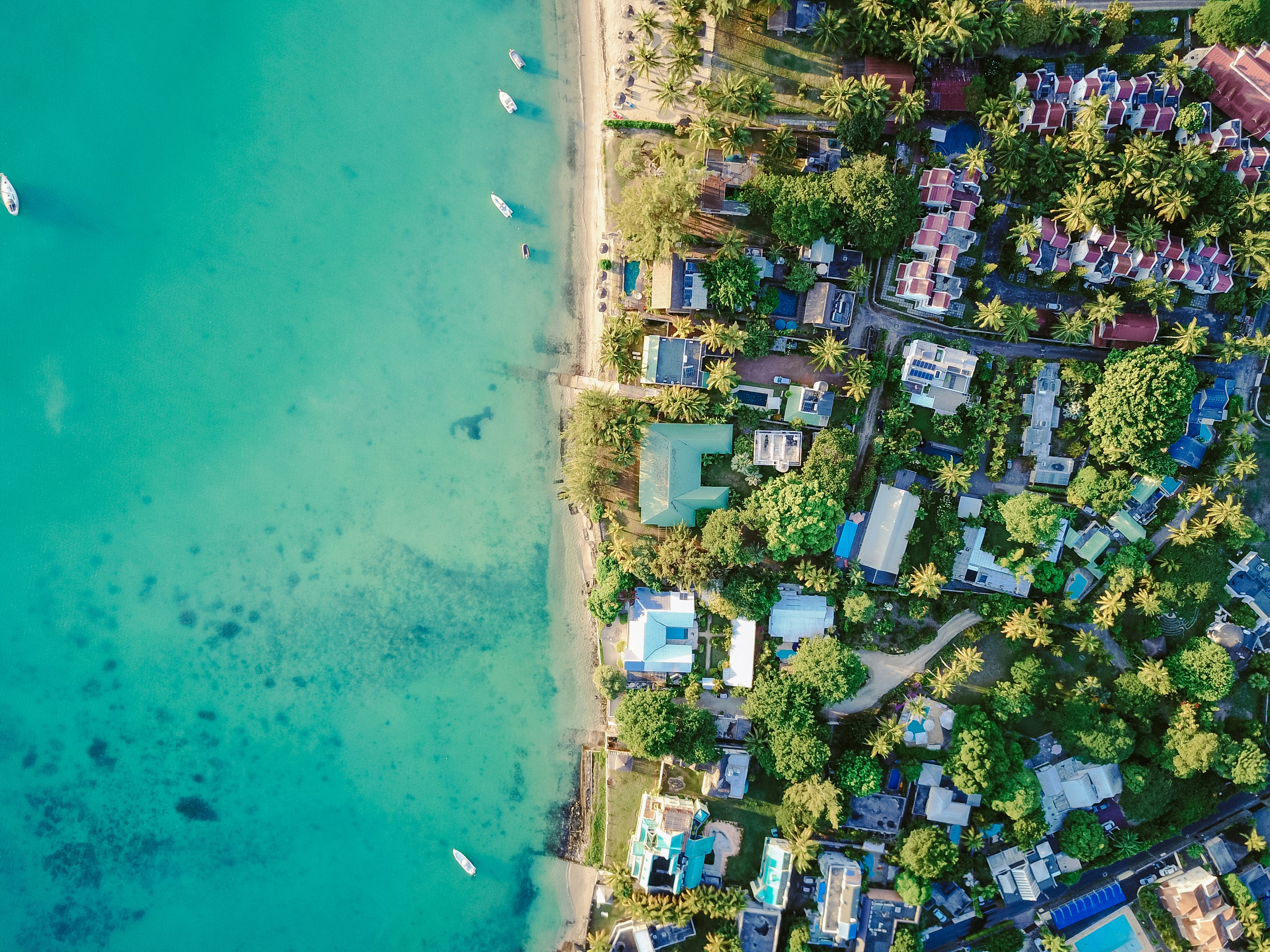
TL;DR: Mauritius Travel Cost at a Glance
Mauritius is not a one-price destination: a realistic Mauritius travel cost is about $50–$80 per day for budget travellers, $75–$200 per day for mid-range trips, and $200+ per day for luxury stays, according to TravelwithHello’s Mauritius budget guide and recent 2026 budget breakdowns. If you mix local food, buses, and guesthouses, you can keep a Mauritius trip cost surprisingly manageable without missing the best beaches.
Mauritius Daily Expenses: Budget, Mid-Range and Luxury Breakdown
A practical Mauritius budget guide starts with your daily style of travel, because accommodation and transport usually shape the total more than food. TravelwithHello estimates budget travellers spend $50–$80 per day, mid-range travellers $75–$200, and luxury travellers $200+; another 2026 breakdown puts budget travel closer to $50–$60 per day, with mid-range around $119–$163 in a simple daily calculator. Mauritius is a place where small choices matter: a guesthouse near the coast, local buses, and simple lunches can keep costs low, while a resort, private transfer, and organized boat day can quickly lift your budget.
| Travel style | Typical daily cost | What it usually covers |
|---|---|---|
| Budget | $50–$80 | Guesthouse, local meals, buses, mostly free beaches |
| Mid-range | $75–$200 | Comfortable hotel, mixed dining, some taxis or car hire |
| Luxury | $200+ | Beach resort, private transfers, premium dining, tours |
For a how much Mauritius trip cost estimate, think in terms of per-person spending rather than just hotel price. If you are traveling as a couple, sharing a car and room can noticeably reduce the daily average.
How Much You’ll Spend on Food, Transport and Activities in Mauritius
Your Mauritius daily expenses can stay reasonable if you eat local and plan around public beaches and low-cost transport. A 2026 Mauritius cost guide says budget food spending can be as low as $5–$15 per day, while mid-range travellers usually spend $15–$30 and luxury travellers $50+ on meals. Local Mauritian dishes like dholl puri, mine frite, roti, and gateau piment are usually the smartest value buys, especially outside the most touristy resort zones.
Transport is the next big variable. Buses are the cheapest way to move around the island, while taxis, private drivers, and car hire increase comfort and flexibility. A budget day might look like this:
- Food: $10–$20
- Local transport: $3–$10
- Activities: $0–$20
- Total: roughly $25–$50 before accommodation
Beach days are often the best-value activity because many of Mauritius’ most beautiful stretches are free to access. Paid excursions, such as catamaran trips or guided island tours, are worth budgeting separately because they can shift a budget trip into mid-range territory fast.
Sample Mauritius Travel Budgets for 5, 7 and 10 Days
A useful way to estimate the Mauritius travel cost is to multiply your daily spend by the length of your stay, then add a buffer for transfers, SIM data, and one or two splurges. For a 7-day trip, budget travellers often land around $350–$560, mid-range travellers around $525–$1,400, and luxury travellers at $1,400+ depending on resort level and activities. These totals are for local trip spending, not international flights.
| Trip length | Budget | Mid-range | Luxury |
|---|---|---|---|
| 5 days | $250–$400 | $375–$1,000 | $1,000+ |
| 7 days | $350–$560 | $525–$1,400 | $1,400+ |
| 10 days | $500–$800 | $750–$2,000 | $2,000+ |
For example, a couple on a mid-range trip might spend around $140–$220 per day total if they share a hotel, split a rental car, and alternate between casual meals and nicer dinners. That is where Hello’s budget tracking tools can help: it is much easier to stay on target when you log shared costs, convert currencies automatically, and split expenses with travel companions as you go.
Money Tips for Mauritius: Save More Without Ruining the Trip
The cheapest way to enjoy Mauritius is to spend deliberately on experiences and save on logistics. If you want to lower your Mauritius budget guide total, stay outside the priciest resort strips, use guesthouses or self-catering apartments, and choose local food stalls for breakfast and lunch. Booking a few anchor activities in advance also helps because you can build the rest of the trip around fixed costs instead of random spending.
A few practical money tips work especially well in Mauritius:
- Stay coastal but not necessarily beachfront to cut room rates.
- Use buses for short hops and save taxis for long airport or late-night transfers.
- Eat local for lunch and save restaurant meals for dinner.
- Plan one big paid excursion rather than several small ones.
- Carry a card and some cash because smaller shops and transport options may prefer cash.
If you need mobile data on arrival to check maps, confirm bookings, or track spending, an eSIM from Hello is useful because you can activate it before you land and arrive connected. That matters when you are comparing taxi prices, checking opening hours, or updating a shared budget with your travel partner.
Common Questions About Mauritius Travel Cost
How much does a Mauritius trip cost per day? Most travellers should budget $50–$80 per day on the low end, $75–$200 per day for a comfortable mid-range trip, and $200+ per day for luxury, based on recent Mauritius budget guide estimates. That range covers a realistic mix of accommodation, meals, transport, and activities.
Is Mauritius expensive? It can be, but it does not have to be. Luxury resorts and private transfers push costs up quickly, while guesthouses, buses, and local food can keep spending much lower than many people expect.
What is the cheapest way to travel in Mauritius? Stay in a guesthouse or apartment, eat at local eateries, use public buses, and focus on free beaches and self-guided sightseeing. That is the easiest way to make a Mauritius budget guide work in your favour.
Should I plan extra for connectivity and expenses? Yes. Add a small daily buffer for data, snacks, and spontaneous transport changes. If you use Hello, you can keep your eSIM connected from the start and track shared costs in one place, which is especially helpful for couples or groups managing multi-currency trips.
Explore These Destinations
Stay Connected
Book this trip
Compare options on trusted travel sites
Plan flights for this trip
Continue to a reviewed booking partner to check current routes, fares, and terms.

Plan stays for this trip
Continue to a reviewed booking partner to check current property details and terms.
Track your Mauritius trip budget
Split expenses with friends, track spending by category, and see real-time currency conversions — all in one app.
Related Articles
Mauritius Currency & Money Guide: Exchange, Cards, and Tips
Currency exchange, credit card acceptance, ATM tips, tipping culture, and money-saving advice for Mauritius.
28 July 2026
Mauritius Safety Guide: Tips for a Safe Trip
Safety tips, health advisories, emergency contacts, common scams, and travel insurance advice for Mauritius.
20 July 2026
Mauritius Visa & Entry Requirements for Singapore Passport Holders
Visa requirements, passport validity, customs allowances, and entry tips for Singapore citizens travelling to Mauritius.
11 July 2026