Key Takeaways
- ✓Spring and autumn 2026 offer the best balance of pleasant weather, manageable crowds, and fair prices for Italy travel.
- ✓Plan a realistic daily budget (budget, mid-range, or luxury) using the Italy Travel Budget and Currency guides to avoid surprises.
- ✓Check Schengen visa and entry rules for your passport well before departure, and store key documents in your Hello trip plan.
- ✓Use high-speed trains for city-to-city travel and consider driving only when exploring countryside or coastal regions.
- ✓Rely on Hello eSIM to stay connected across Italy and Europe, enabling smooth navigation, bookings, and communication.
- ✓Explore Italy’s regional food culture with a mix of trattorie, street food, and occasional splurge meals, guided by local etiquette.
- ✓Follow common-sense safety practices and understand local customs to make your trip both enjoyable and respectful.
- ✓Complete a pre-departure checklist covering visas, budget, connectivity, and itinerary to ensure a stress-free arrival in Italy.
Italy is one of those rare destinations that feels familiar from films and photos, yet still manages to surprise you at every turn. From Rome’s ancient ruins and Florence’s Renaissance art to the cliffside villages of the Amalfi Coast and the canals of Venice, Italy is a country where every region has its own personality, cuisine, and pace of life.
This Complete Italy Travel Guide 2026 is your one-stop hub for planning an unforgettable trip, whether it’s a quick 3-day getaway, a 5–10 day deep dive, or part of a longer European adventure through places like Japan and Thailand. You’ll find practical, up-to-date advice on the best time to visit, how much to budget in 2026, visa and entry rules, getting around by train and car, staying connected with Hello eSIM, and navigating Italy’s incredible food scene.
Each section gives you a clear overview plus links to detailed guides like Italy Travel Budget Guide: Daily Costs and Money Tips, Getting Around Italy: Transport Guide for Travellers, and Italy Food Guide: Must-Try Dishes, Prices, and Tips. You’ll also get decision frameworks, comparison tables, and a "Before You Go" checklist to simplify choices.
Think of this guide as your well-travelled friend: honest, practical, and excited for you to experience la dolce vita in 2026.
Why Visit Italy in 2026
Italy in 2026 offers a mix of timeless attractions and fresh experiences: stable tourism infrastructure, updated transport options, and a strong focus on sustainable travel, all while keeping its iconic food, culture, and landscapes as irresistible as ever.
Italy remains one of the world’s most rewarding destinations because it combines world-class sights with everyday pleasures: a simple espresso at the bar, an evening passeggiata (stroll), or a long lunch that stretches into the afternoon. In 2026, you can expect modern conveniences like widespread contactless payments, reliable high-speed trains, and easy digital connectivity with Hello eSIM — all layered over centuries of history.
Whether you’re planning a shorter break with 3 Days in Italy: A Day-by-Day Itinerary or Italy in 5 Days: The Perfect Extended Itinerary, or going big with Italy in 10 Days: The Ultimate Travel Itinerary, Italy works well for almost any style of travel. City lovers can focus on Rome, Florence, and Milan; romantics might gravitate to Venice and the Amalfi Coast; while food-obsessed travellers can chase regional specialties from Emilia-Romagna to Sicily.
Compared with other popular destinations like Japan and Thailand, Italy offers shorter travel distances between major highlights and a dense concentration of historic sites and museums. It’s also an excellent gateway for wider European trips, tying seamlessly into routes like 1 Week in Europe: Paris, Rome, and Barcelona.
As of 2026, Italy continues to balance rising visitor numbers with efforts to protect cultural heritage and manage crowds. With smart timing, a realistic budget, and the right itinerary, you can still find quiet corners, local trattorie, and authentic experiences beyond the main selfie spots.
Best Time to Visit Italy (By Season & Crowds)
The best time to visit Italy in 2026 is generally spring (April–June) and autumn (September–October), when weather is pleasant and crowds are manageable compared to the peak summer months of July and August.
Italy’s climate varies north to south, but a seasonal overview helps you match your trip to your travel style and budget. If you’re planning a broader European journey, check Europe Summer Travel 2026: Best Destinations and Itineraries for how Italy fits into a multi-country route.
Here’s an at-a-glance comparison of Italy’s seasons:
| Season (2026) | Weather & Temp Range | Crowds & Prices | Best For |
|---|---|---|---|
| Winter (Dec–Feb) | Cool to cold; ~0–10°C in north, milder in south | Low–medium, cheaper outside holidays | Christmas markets, skiing, fewer tourists |
| Spring (Mar–May) | Mild; ~10–20°C | Increasing but still moderate | City sightseeing, countryside, festivals |
| Summer (Jun–Aug) | Warm–hot; often 25–35°C, hotter in the south | Peak crowds, highest prices | Beaches, islands, outdoor dining, nightlife |
| Autumn (Sep–Nov) | Mild–cool; ~10–20°C | Moderate, tapering off by November | Wine regions, food trips, city breaks |
If you’re following itineraries like Italy in 5 Days: The Perfect Extended Itinerary or Italy in 10 Days: The Ultimate Travel Itinerary, spring and autumn often give you the best balance: comfortable sightseeing weather, open attractions, and fewer lines than mid-summer.
For summer 2026, expect higher pricing and booking competition in hotspots like Rome, Florence, Venice, Cinque Terre, and the Amalfi Coast. Shoulder months (late May, early September) can still offer the warmth and energy of summer with slightly less pressure on accommodation and transport.
If heat is a concern, aim for northern cities or mountain regions in July–August, and rely on Hello eSIM to book last-minute trains or accommodation while you adjust your plans on the go.
Italy Travel Budget 2026: How Much Do You Need?
As of 2026, a realistic daily budget for Italy ranges roughly from €70–100 for budget travellers, €120–180 for mid-range, and €220+ for luxury, depending on city, season, and travel style.
The Italy Travel Budget Guide: Daily Costs and Money Tips breaks down common expenses like accommodation, food, transport, and attractions in detail. Use the ranges below as a quick planning tool:
| Traveller Type (2026) | Approx. Daily Budget (per person) | Typical Inclusions |
|---|---|---|
| Budget | €70–100 | Hostel or budget hotel, casual meals, public transport, free/low-cost sights |
| Mid-Range | €120–180 | Comfortable hotel, mix of trattorie & restaurants, high-speed trains, major attractions |
| Luxury | €220+ | Upscale hotels, fine dining, private tours, first-class trains or drivers |
For shorter trips like 3 Days in Italy: A Day-by-Day Itinerary or Italy in 5 Days: The Perfect Extended Itinerary, you might spend more per day to maximize experiences. Longer itineraries such as Italy in 10 Days: The Ultimate Travel Itinerary often benefit from cost-saving strategies like slower travel and more apartment stays.
Combine this with the Italy Currency & Money Guide: Exchange, Cards, and Tips to understand how to handle euros, ATM withdrawals, and tipping. As of 2026, contactless card payments are widely accepted in cities, but having some cash is still useful for small cafés, market stalls, and rural areas.
The Hello app’s expense splitting and budget tracking features help groups keep shared costs transparent and under control, especially when you’re mixing restaurant meals, train tickets, and museum entries. Set a daily cap in the app, log expenses as you go, and let Hello do the math so you can focus on enjoying your Italy trip.
Italy Travel Budget Guide: Daily Costs and Money Tips
Currency & MoneyItaly Currency & Money Guide: Exchange, Cards, and Tips
Itineraries3 Days in Italy: A Day-by-Day Itinerary
ItinerariesItaly in 5 Days: The Perfect Extended Itinerary
ItinerariesItaly in 10 Days: The Ultimate Travel Itinerary
Visa & Entry Requirements (2026 Overview)
In 2026, Italy follows Schengen Area rules: many travellers can enter visa-free for short stays, while others need a Schengen visa. Always check requirements for your specific passport before you book.
For Singapore citizens, Italy Visa & Entry Requirements for Singapore Passport Holders provides step-by-step guidance on visa status, passport validity, and what to expect at immigration. While details vary by nationality, there are a few general principles to keep in mind:
- Passport validity: Most travellers must have at least six months of validity beyond their planned departure date.
- Schengen short stay: Many nationalities can stay up to 90 days in any 180-day period visa-free for tourism.
- Proof of funds & accommodation: You may be asked to show hotel bookings, return/onward tickets, and financial means.
- Travel insurance: Strongly recommended and sometimes requested at visa application stage.
As of 2026, the EU is rolling out updated digital systems for border control and pre-travel authorizations for certain non-EU visitors, so always verify current rules a few weeks before departure.
Use this simple decision guide:
- If your passport is from the EU/EEA or Switzerland → usually no visa for tourism, but carry ID.
- If your passport typically has Schengen visa-free access → check how many days you’ve already spent in Schengen in the last 180 days.
- If you need a Schengen visa → apply well ahead of time and keep copies of your documentation.
Hello can store digital copies of your bookings and key documents in your trip plan, making it easier to retrieve confirmations at the border. Always keep physical backups (printed confirmations) as a secondary layer, especially if your phone battery runs low during transit.
Getting Around Italy: Trains, Buses, and Driving
Italy’s transport network in 2026 is efficient and traveller-friendly: high-speed trains connect major cities quickly, regional trains and buses reach smaller towns, and driving works well for countryside and coastal routes.
The Getting Around Italy: Transport Guide for Travellers offers a deep dive into airport transfers, public transport, ride-hailing apps, and driving tips. At a high level, think of Italy’s transport options like this:
| Mode | Best For | Pros | Considerations |
|---|---|---|---|
| High-speed trains (Frecciarossa/Italo) | Rome–Florence–Venice–Milan | Fast, comfortable, city-center to city-center | Book ahead for best fares; seat reservations required |
| Regional trains | Smaller cities/towns | Affordable, frequent | Slower; check timetables carefully |
| Intercity buses | Budget routes, rural areas | Cheapest option for some routes | Longer travel times, less legroom |
| Driving (rental car) | Countryside, hill towns, coastal drives | Flexibility, scenic routes | ZTL zones, parking, tolls, Italian driving style |
For itineraries like Italy in 5 Days: The Perfect Extended Itinerary or Italy in 10 Days: The Ultimate Travel Itinerary, high-speed trains are usually the backbone of your trip, with local transport for day-to-day sightseeing. Shorter trips such as 3 Days in Italy: A Day-by-Day Itinerary often focus on a single city, relying mainly on walking and local buses/metros.
Hello eSIM makes a big difference when using Italy’s transport: you can check real-time train platforms, buy tickets in apps, use navigation while driving, and call your accommodation on arrival without hunting for Wi‑Fi. Keep digital tickets and QR codes stored in Hello alongside your daily plans, so you have everything in one place.
Food & Dining in Italy: What to Eat and How Much It Costs
Italy in 2026 is still a dream destination for food lovers, with regional dishes, affordable everyday meals, and splurge-worthy tasting menus — all woven into daily life rather than reserved for special occasions.
The Italy Food Guide: Must-Try Dishes, Prices, and Tips is your deep dive into specific dishes, street food, and dining etiquette. At a glance, here’s what to expect:
- Coffee: Standing at the bar with an espresso often costs €1–1.50.
- Casual lunch: A pasta or pizza plus drink at a simple trattoria can be €10–18.
- Sit-down dinner: Expect around €20–35 per person for a starter, main, and drink in a mid-range restaurant.
- Gelato: Typically €2–3 for a small cup.
Regional highlights include pizza in Naples, risotto in northern regions, ragù and cured meats in Emilia-Romagna, seafood along the coasts, and robust, rustic dishes in central and southern Italy. The Italy Cultural Guide: Etiquette, Customs, and Tips explains local habits like ordering coffee, typical meal times, and how Italians feel about splitting bills.
Use this quick decision guide:
- Want to keep costs low → Focus on lunch menus, street food, and bakeries.
- Want local experiences → Seek family-run trattorie off main tourist streets.
- Want to splurge → Book well-known restaurants or tasting menus in advance.
Hello’s expense splitting features are handy when dining in groups, while Hello eSIM lets you research spots on the fly, check reviews in Italian cities, and navigate to out-of-the-way places you might otherwise miss.
Top Italy Experiences & Sample Itineraries
Italy’s top experiences in 2026 span ancient ruins, Renaissance art, coastline and islands, wine regions, and everyday rituals like aperitivo — best arranged into smart itineraries that match your time and budget.
For a deep dive into specific routes, check:
- 3 Days in Italy: A Day-by-Day Itinerary
- Italy in 5 Days: The Perfect Extended Itinerary
- Italy in 10 Days: The Ultimate Travel Itinerary
- 1 Week in Europe: Paris, Rome, and Barcelona
Here’s a simple framework to choose your itinerary length:
| Trip Length | Suggested Focus | Pros | Considerations |
|---|---|---|---|
| 3 days | One major city (e.g., Rome or Florence) | Deep dive into one place, minimal travel | Limited variety; choose city carefully |
| 5 days | 2 cities (e.g., Rome + Florence or Venice) | Good mix of sights and pace | Need efficient train connections |
| 10 days | 3–4 cities/regions (e.g., Rome, Florence/Tuscany, Venice, Naples) | Broad snapshot of Italy | More planning; watch transport times |
Top experiences to consider:
- Rome: Colosseum, Vatican Museums, Trastevere evenings
- Florence: Duomo, Uffizi, Tuscan day trips
- Venice: Canals, Doge’s Palace, island hops (Murano, Burano)
- Amalfi Coast: Coastal hikes, boat trips, scenic drives
- Northern lakes & Alps: Hiking, skiing, lakeside towns
Compare Italy to destinations like Japan and Thailand: distances are shorter, but crowds can be intense at famous spots. Hello helps you sequence days logically, store tickets, and use Hello eSIM to adjust bookings if you change plans last minute due to weather or energy levels.
Staying Connected: Hello eSIM for Italy & Europe
In 2026, the easiest way to stay online in Italy and across Europe is with a Hello eSIM, which gives instant data access, EU roaming, and flexible plans without visiting a phone shop.
For technical details and Italy-specific recommendations, see eSIM for Italy: Best Plans, Coverage, and Setup Tips. If you’re combining Italy with other countries, eSIM for Europe Travel: Complete Coverage Guide explains multi-country plans and how EU roaming works.
Hello eSIM lets you:
- Activate data as soon as you land, right from the Hello app.
- Use maps, translation, ride-hailing, and ticket apps without relying on hotel Wi‑Fi.
- Stay connected as you cross borders within the EU, particularly useful for routes like 1 Week in Europe: Paris, Rome, and Barcelona.
A simple decision guide for Hello eSIM in 2026:
- Italy-only trip → Choose an Italy-focused data plan for maximum value.
- Multi-country Europe trip → Pick a regional Europe plan with roaming.
- Heavy data user (remote work, streaming) → Opt for higher data allowances or longer-duration plans.
Because Hello also handles trip planning and expense tracking, you keep connectivity and logistics in one ecosystem. Store your hotel addresses, transport bookings, and key contacts in Hello; then rely on Hello eSIM to access them instantly on the go, even in train stations, rural areas, or busy city centers.
If you’re comparing Italy with Japan or Thailand, Hello provides eSIM connectivity across 200+ countries, letting you use similar workflows and stay online seamlessly throughout multi-region trips.
Safety, Money, and Cultural Etiquette
Italy is generally safe and welcoming in 2026, but you’ll enjoy your trip more if you understand common scams, money habits, and local etiquette before you go.
The Italy Safety Guide: Tips for a Safe Trip covers practical safety advice, health information, and emergency contacts. Typical concerns include pickpocketing in tourist areas, taxi overcharging, and inattentive bag handling in crowded spaces. Basic strategies — keeping valuables secure, using ATMs inside banks, and staying aware in busy stations — go a long way.
For handling money, the Italy Currency & Money Guide: Exchange, Cards, and Tips explains euros, ATM usage, card acceptance, and tipping norms. As of 2026, contactless card payments are widespread in cities, but cash still matters for small purchases or rural businesses.
The Italy Cultural Guide: Etiquette, Customs, and Tips helps you navigate social norms, including:
- Greeting with a simple "buongiorno" or "buonasera".
- Dressing modestly for churches (shoulders and knees covered).
- Being punctual for tours and restaurant bookings.
- Understanding that table service is relaxed; meals can take time.
View safety, money, and etiquette as a combined toolkit: knowing how to behave and pay smoothly often reduces risk and misunderstandings. Hello can store emergency numbers, insurance details, and key phrases in your trip plan, while Hello eSIM ensures you can call for help or access maps and information if something goes wrong.
Before You Go: Italy 2026 Pre-Departure Checklist
A focused checklist makes planning your Italy trip in 2026 simpler, ensuring you cover visas, money, connectivity, and logistics before you board your flight.
Use this "Before You Go" list alongside detailed guides like Italy Visa & Entry Requirements for Singapore Passport Holders, Italy Travel Budget Guide: Daily Costs and Money Tips, and Getting Around Italy: Transport Guide for Travellers.
Essential documents & admin
- Check visa and entry requirements for your passport.
- Ensure passport has at least six months’ validity and blank pages.
- Buy travel insurance with medical and trip-cancellation coverage.
- Print and save digital copies of bookings and confirmations in Hello.
Money & budget
- Decide your daily budget (budget/mid-range/luxury) for 2026.
- Notify your bank of travel and enable overseas card usage.
- Plan how much cash to withdraw on arrival vs. use cards.
Connectivity & planning
- Choose and pre-load a Hello eSIM for Italy or Europe.
- Add your accommodation details, transport tickets, and main sights into a Hello trip plan.
- Share your trip with travel companions to use expense splitting.
Packing & etiquette
- Pack comfortable walking shoes and layers for season-specific weather.
- Include a modest outfit for churches and dress codes.
- Learn a few Italian phrases for greetings and ordering food.
Itinerary & transport
- Pick a core route: 3, 5, or 10 days using Italy itineraries and related guides.
- Reserve major train journeys in advance, especially in peak seasons.
Completing this checklist 1–2 weeks before departure will make your arrival in Italy smoother, leaving more time for gelato, piazzas, and spontaneous discoveries.
Frequently Asked Questions
How many days do I need in Italy for a first trip?
For a first trip in 2026, 7–10 days is ideal: it lets you see Rome plus one or two other regions (such as Florence/Tuscany and Venice) without rushing. Shorter stays of 3–5 days work best if you focus on one or two cities, using itineraries like Italy in 5 Days or Italy in 10 Days as templates.
Is Italy expensive to visit in 2026?
Italy offers a wide range of price points. As of 2026, budget travellers can manage around €70–100 per day, mid-range travellers roughly €120–180, and luxury travellers €220+ per day, depending on city and season. The Italy Travel Budget Guide and Italy Currency & Money Guide provide detailed breakdowns and money-saving tips.
Do I need a visa to visit Italy?
Visa requirements depend on your passport and length of stay. Italy follows Schengen rules, so many travellers can visit visa-free for up to 90 days within a 180-day period as of 2026. For Singapore citizens, see Italy Visa & Entry Requirements for Singapore Passport Holders. Always check current rules a few weeks before travel.
What is the easiest way to get around Italy?
High-speed trains are usually the easiest and most efficient way to travel between major cities like Rome, Florence, Milan, and Venice. Regional trains and buses serve smaller towns, while rental cars are best for countryside and coastal areas. The Getting Around Italy: Transport Guide for Travellers explains options and booking tips in detail.
How can I stay connected in Italy and across Europe?
Using Hello eSIM is the simplest way to stay online across Italy and Europe in 2026. You can activate data instantly on arrival, use EU roaming, and manage connectivity within the Hello app. Read eSIM for Italy: Best Plans, Coverage, and Setup Tips and eSIM for Europe Travel: Complete Coverage Guide to choose the right plan.
Is Italy safe for solo travellers?
Italy is generally safe for solo travellers, including women, as long as you follow common-sense precautions: stay aware of pickpockets in crowded areas, keep valuables secure, and avoid poorly lit areas at night. The Italy Safety Guide: Tips for a Safe Trip includes detailed advice, emergency contacts, and practical suggestions.
What should I know about Italian food and dining etiquette?
Expect set meal times, relaxed service, and strong regional food traditions. Coffee is often drunk standing at the bar, and dinner starts later than in some countries. Learn basic etiquette, like ordering, tipping, and dress codes, in the Italy Food Guide: Must-Try Dishes, Prices, and Tips and Italy Cultural Guide: Etiquette, Customs, and Tips.
eSIM Plans for Italy
Detailed Articles
Dive deeper into specific topics covered in this guide.
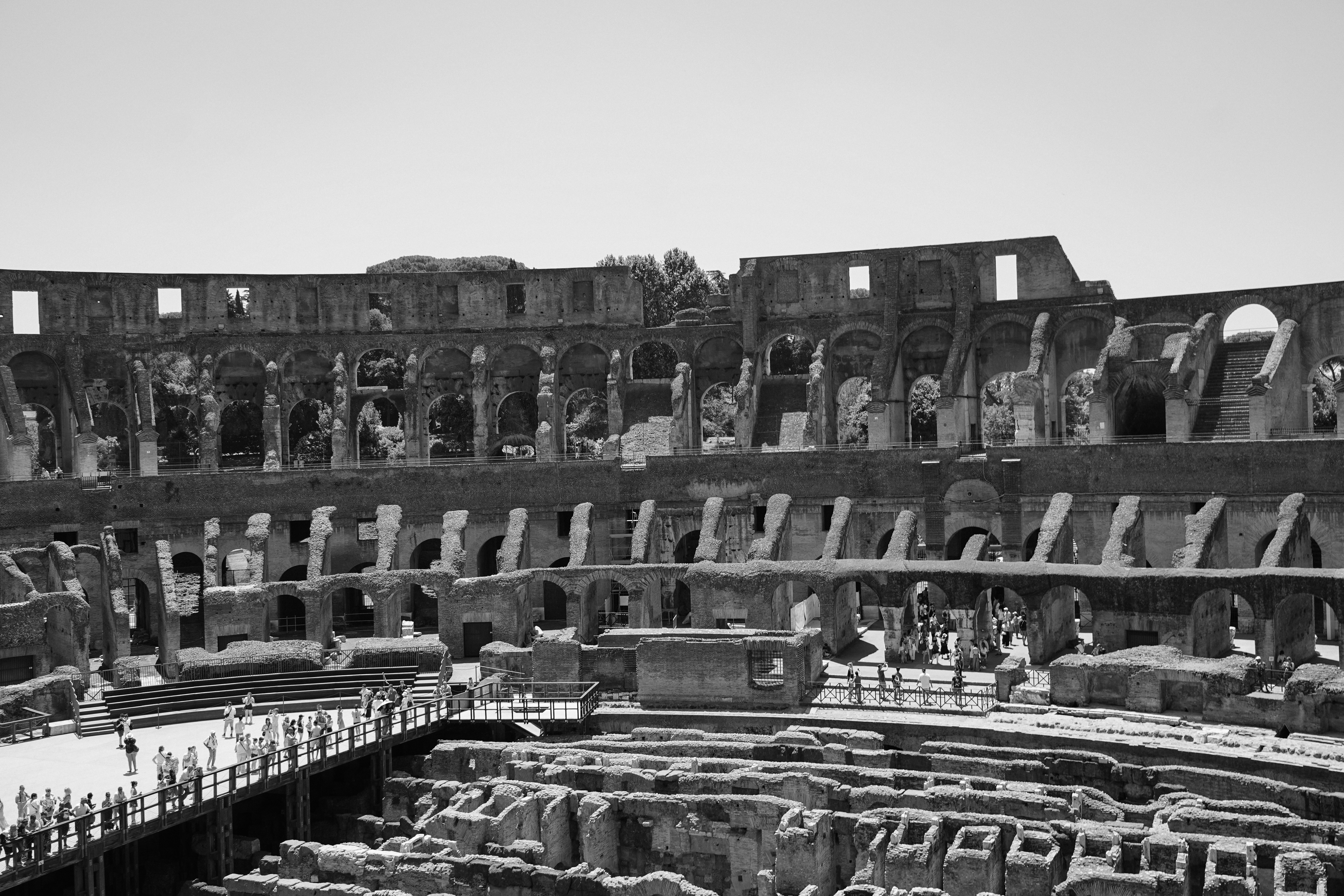
3 Days in Italy: A Day-by-Day Itinerary
A detailed 3-day itinerary for Italy with daily activities, costs, neighborhoods, and transport tips.
12 June 2026
Italy in 5 Days: The Perfect Extended Itinerary
A detailed 5-day itinerary for Italy with daily activities, costs, neighborhoods, and transport tips for an extended stay.
6 May 2026
Italy in 10 Days: The Ultimate Travel Itinerary
A comprehensive 10-day itinerary for Italy covering top attractions, hidden gems, daily costs, and transport between cities.
20 June 2026
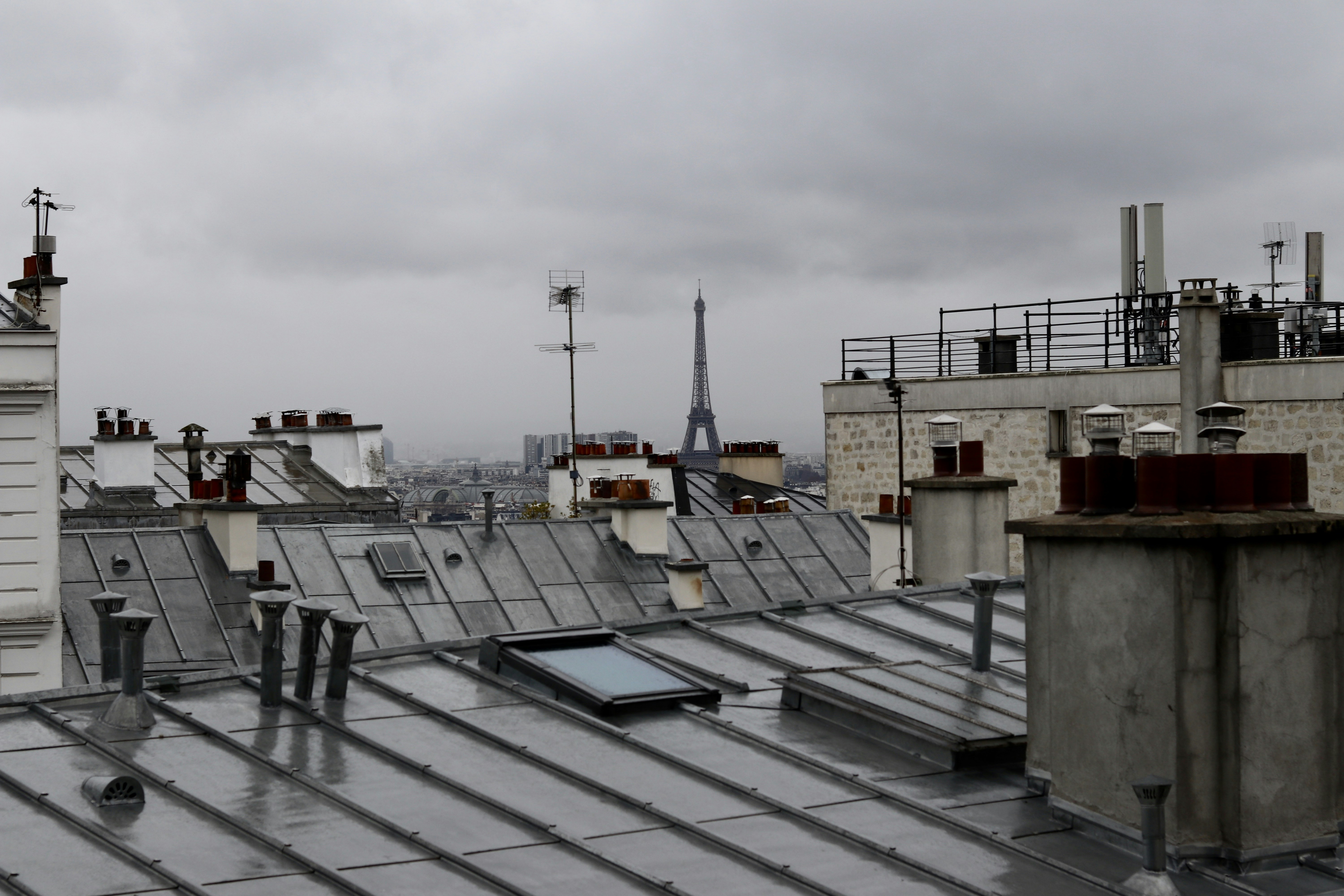
1 Week in Europe: Paris, Rome, and Barcelona
Multi-city European itinerary with train routes, daily budgets, and must-see highlights.
27 June 2026
Europe Summer Travel 2026: Best Destinations and Itineraries
Plan your European summer holiday. Best destinations, weather, crowds, pricing, and how to stay connected across countries.
25 June 2026
Italy Travel Budget Guide: Daily Costs and Money Tips
How much does it cost to travel in Italy? Daily budget breakdowns for budget, mid-range, and luxury travellers.
25 February 2026
Italy Currency & Money Guide: Exchange, Cards, and Tips
Currency exchange, credit card acceptance, ATM tips, tipping culture, and money-saving advice for Italy.
27 July 2026
Italy Visa & Entry Requirements for Singapore Passport Holders
Visa requirements, passport validity, customs allowances, and entry tips for Singapore citizens travelling to Italy.
9 July 2026
More Travel Guides
Destination Guide
Complete Bosnia and Herzegovina Travel Guide 2026
Everything you need to know about travelling to Bosnia and Herzegovina — budget, visa, food, transport, eSIM connectivity, and itineraries.
Destination Guide
Complete Bahamas Travel Guide 2026
Everything you need to know about travelling to Bahamas — budget, visa, food, transport, eSIM connectivity, and itineraries.
Destination Guide
Complete Bahrain Travel Guide 2026
Everything you need to know about travelling to Bahrain — budget, visa, food, transport, eSIM connectivity, and itineraries.
Destination Guide
Complete Sint Eustatius Travel Guide 2026
Everything you need to know about travelling to Sint Eustatius — budget, visa, food, transport, eSIM connectivity, and itineraries.