Italy Cultural Guide: Etiquette, Customs, and Tips
Essential do's and don'ts, greeting customs, dress codes, local phrases, and cultural tips for Italy.
By Hello Travel Team
This article contains affiliate links. If you book through them, Hello may earn a commission at no additional cost to you. Our editorial recommendations are independent. Learn more.
TL;DR: Essential Italy Etiquette, Customs, and Cultural Tips
Italy etiquette is mostly about respect: greet with a warm “buongiorno,” dress modestly in churches, keep your voice down, and take time to enjoy meals and conversations rather than rushing. Learn a few Italian phrases, avoid loud behavior, and you’ll be welcomed like a local.
Italy culture revolves around family, food, and conversation, so slowing down is key. Locals typically eat dinner from around 8:00–10:00 pm, take their coffee quickly at the bar, and value personal presentation—appearing neat and well‑dressed, even in casual settings. Over 56 million tourists visited Italy in 2023, according to the Italian National Institute of Statistics (ISTAT), so you’ll find people are used to visitors but still appreciate basic manners.
For religious sites, cover shoulders and knees, remove hats, and speak quietly. In restaurants, don’t ask for heavy substitutions or rush the service; tipping is appreciated but modest (often rounding up the bill or leaving 5–10% in 2026). When traveling around Italy, staying connected with an eSIM from Hello makes it easier to navigate trains, book tickets, and look up local customs on the go.
Use this guide to understand greetings, dress codes, gift‑giving, holidays, and business etiquette, and you’ll feel much more confident moving from the piazzas of Rome to the canals of Venice to the galleries of Florence.
Greetings & Social Etiquette in Italy Culture
In Italy, polite greetings and a bit of warmth go a long way: use “buongiorno” during the day, “buonasera” in the evening, and always acknowledge staff and strangers when entering small shops or cafés with a friendly “salve” or “ciao” in informal settings.
Italy etiquette favors friendly formality at first. In most situations, a handshake and eye contact are standard; kisses on both cheeks are reserved for friends and family and usually come later, not on first meeting. Address people with “Signore” (sir), “Signora” (madam), and use the formal “Lei” until you’re clearly invited to switch to the informal “tu.” In restaurants, a simple “Buongiorno” to the server and “Grazie, arrivederci” when you leave shows respect.
Here are a few everyday phrases to keep handy:
- Buongiorno / Buonasera – Good morning / good evening
- Per favore / Grazie – Please / Thank you
- Mi scusi – Excuse me (formal)
- Parla inglese? – Do you speak English?
- Un tavolo per due, per favore – A table for two, please
Avoid speaking very loudly, especially on public transport; keeping a moderate tone is an important part of Italy customs. When splitting the bill with friends, it’s common for one person to pay and others to settle up later—Hello’s expense splitting and multi‑currency tracking make this easy if your group is mixing cards and cash across euros and home currencies.
Dress Codes and Respectful Behavior at Churches and Public Spaces
In Italy, modest, neat dress is a sign of respect, especially in churches and historic sites: cover shoulders and knees, avoid beachwear away from the seaside, and choose closed‑toe shoes for more formal occasions or business meetings.
Italy customs around dress are most strict at religious sites like St. Peter’s Basilica in Vatican City, the Duomo in Florence, or the cathedral in Milan. Security may refuse entry if you wear shorts above the knee, sleeveless tops, or low‑cut dresses. A light scarf or pashmina in your day bag solves this easily—just drape it over shoulders before entering. In summer 2026, many major churches still post signs reminding visitors of these rules at the entrance.
At the beach, swimwear is fine on the sand, but once you step into town, it’s courteous (and often required) to cover up with a shirt or dress. In cities like Rome or Italy overall, locals often dress smart‑casual: well‑fitted jeans, leather shoes or stylish sneakers, and a clean shirt or blouse. Flip‑flops are mostly for the seaside.
For evenings out, Italians generally “dress up” more than many visitors—think collared shirts, dresses, or smart tops. If you’re attending a higher‑end restaurant, plan on clothing that would be appropriate for a nice dinner at home. This attention to appearance is a quiet but important part of Italy etiquette; looking put‑together shows you respect yourself and the occasion.
Photography Rules, Public Behavior, and Local Dos and Don’ts
In Italy, photography is welcomed in many outdoor spaces, but you should avoid flash, tripods in busy areas, and any photos in churches or museums where “no photo” signs are posted or staff request that cameras be put away.
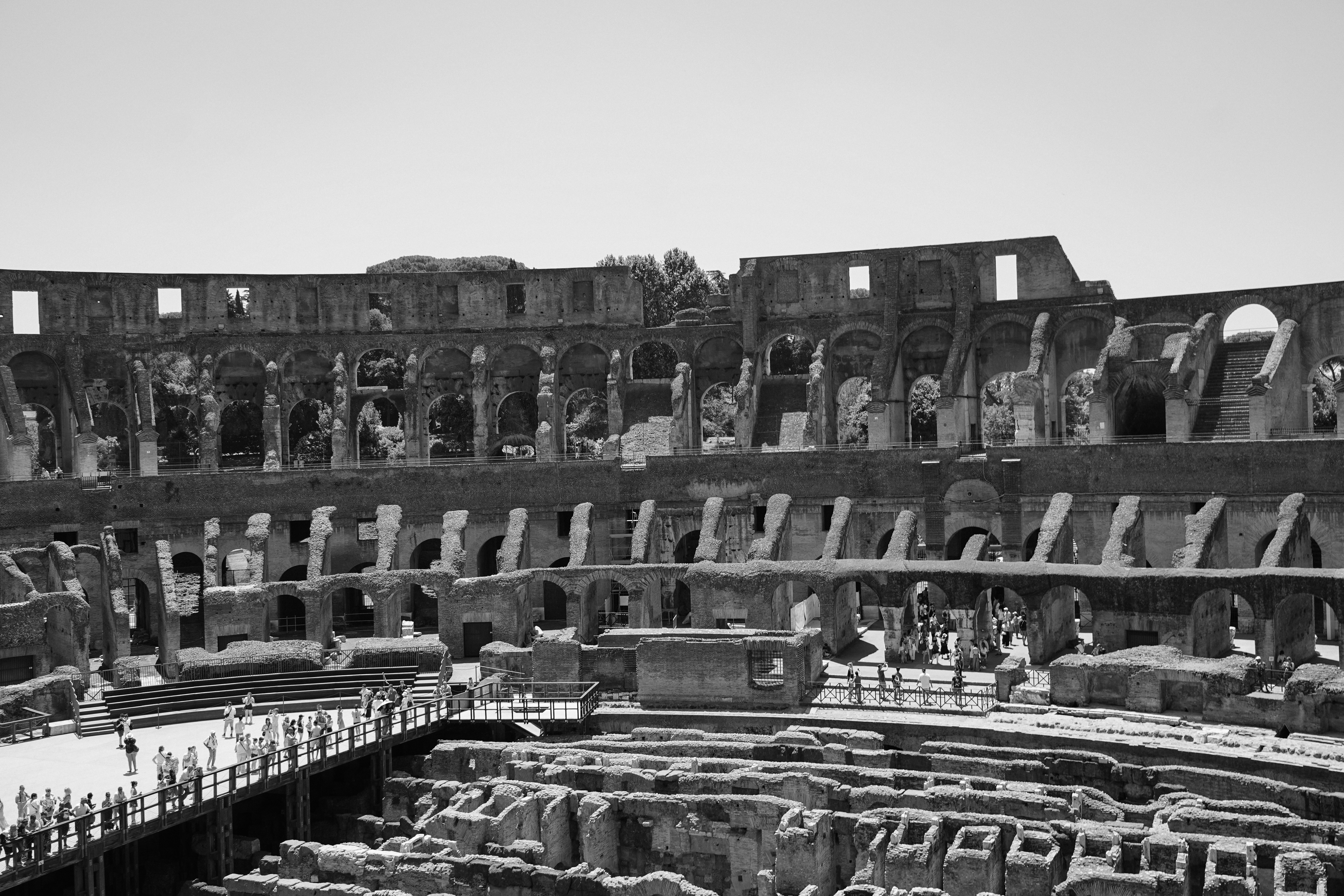
Italy customs around photography vary by location. Iconic sites like the Colosseum and Trevi Fountain allow photos, but in some museums (for example, sections of the Uffizi Gallery or private exhibitions), photography may be restricted or forbidden, especially with flash. Some churches permit photos only outside mass times; others ban photography entirely to preserve the atmosphere. Always check posted signs and respect staff instructions—ignoring them can lead to being asked to leave.
When photographing people, ask permission, particularly for street performers or staff: a quick “Posso fare una foto?” (May I take a photo?) is polite. For weddings, funerals, or religious processions, it’s best to observe quietly from a respectful distance.
Common Italy dos and don’ts:
- Do validate tickets on regional trains and buses where required.
- Do keep noise down in residential streets at night.
- Don’t sit or climb on monuments or fountains.
- Don’t eat messy street food inside museums or churches.
Staying connected with a Hello eSIM for Italy helps you check opening hours and current rules for specific attractions, especially in 2026 as some sites use online booking systems and timed entry that change seasonally.
Business Etiquette, Meetings, and Gift-Giving Customs in Italy
Italian business etiquette blends formality with relationship‑building: arrive on time, dress smartly, start with polite small talk, and expect decisions to follow trust and rapport rather than just one efficient meeting.
In business settings, Italy culture is more formal than many travelers expect. Use titles (Dottore/Dottoressa, Ing. for engineers, Avv. for lawyers) when known, and address people with “Lei.” Handshakes should be firm but not aggressive, and business cards are typically exchanged at the start of meetings. Punctuality matters—being 5–10 minutes late is tolerated socially, but for a first business meeting, aim to be on time.
Dress codes lean conservative: suits or at least blazer and smart trousers for men, and professional dresses or suits for women. Even in creative industries, polished shoes and good grooming are considered part of professionalism. According to Eurostat, Italy’s services sector accounts for over 65% of GDP in recent years, so many visitors will encounter office environments where these norms apply.
Gift‑giving in Italy etiquette is modest. In social settings, bringing a bottle of wine, flowers (avoid chrysanthemums, which are linked to funerals), or pastries when invited to someone’s home is appreciated. In business, small branded gifts from your company or something representing your home country can be appropriate, but avoid anything overly expensive, which might feel uncomfortable.
If you’re hosting a shared business dinner, Hello’s expense tracking and AI receipt scanning can help you separate personal spending from reimbursable costs, even when the bill is in euros and your reporting currency is different.
Italian Holidays, Opening Hours, and How They Affect Your Trip Budget
Italian public holidays and local festivals can mean closed shops, reduced transport, and higher prices, so check dates in advance and budget for potential surcharges around major events like Ferragosto and Easter.
Italy customs place strong emphasis on family time during holidays. Key nationwide holidays include New Year’s Day (1 January), Liberation Day (25 April), Republic Day (2 June), Ferragosto/Assumption Day (15 August), All Saints’ Day (1 November), and Christmas (25 December). Around Ferragosto, many Italians take their main summer vacation; some small shops and restaurants in cities close for several days or weeks, while coastal areas become more crowded and expensive.
According to Italy’s Ministry of Tourism, August and the Easter period are among the busiest times for domestic and international travel, with hotel rates often 20–30% higher than shoulder seasons. In 2024, Italy recorded over 440 million overnight stays, highlighting how demand surges during peak holidays. For 2026 trips, expect mid‑range restaurant meals in major cities to cost about €15–25 per person for lunch and €20–35 for dinner, with holiday surcharges in tourist hotspots.
Typical opening hours: many shops close for a midday pausa (break) from roughly 1–4 pm in smaller towns, while larger cities like Rome and Milan may stay open straight through. Supermarkets often open from around 8:00 am to 9:00 pm. Use Hello’s budget tracking to categorize these spending patterns across cities so you can see how holiday pricing affects your overall trip costs and adjust plans accordingly.
Common Questions About Italy Etiquette, Customs, and Local Rules
Most travelers’ questions about Italy etiquette focus on tipping, dress codes, coffee culture, and dining rules: tip modestly, dress smart‑casual and cover shoulders/knees in churches, drink coffee like locals, and don’t rush your meal or ask for major substitutions.
Q: Do you tip in Italy?
A: Service is often included (look for “coperto” or “servizio” on the bill), so tipping is more modest than in the US. Rounding up or leaving about 5–10% in 2026 is appreciated in sit‑down restaurants with table service.
Q: What should I wear to churches and religious sites?
A: Italy etiquette requires covered shoulders and knees, with no beachwear, hats, or very revealing clothing. A scarf or light cardigan in your bag is an easy solution when visiting major cathedrals.
Q: Is it rude to ask for tap water or share dishes?
A: Still or sparkling bottled water is the norm; tap water requests may be uncommon or refused. Sharing some dishes is fine, but avoid splitting a single main course between multiple people in more formal restaurants.
Q: How do Italians drink coffee?
A: Espresso is standard, often consumed quickly at the bar. Cappuccino and milk‑based coffees are typically morning drinks; ordering cappuccino after lunch or dinner is viewed as unusual by many locals.
Q: How can I stay connected across multiple Italian cities?
A: An eSIM from Hello lets you activate data before departure, use maps and messaging across Rome, Florence, and the Amalfi Coast, and then track all shared trip expenses with friends in one place while traveling around Italy.
Explore These Destinations
Stay Connected
Book this trip
Compare options on trusted travel sites
Plan activities for this trip
Continue to a reviewed booking partner to check schedules, inclusions, and terms.

Make the most of Italy
From eSIM connectivity to expense tracking, Hello is the all-in-one companion that keeps your trip stress-free.
Related Articles
Italy Currency & Money Guide: Exchange, Cards, and Tips
Currency exchange, credit card acceptance, ATM tips, tipping culture, and money-saving advice for Italy.
27 July 2026
Italy Safety Guide: Tips for a Safe Trip
Safety tips, health advisories, emergency contacts, common scams, and travel insurance advice for Italy.
18 July 2026
Italy Visa & Entry Requirements for Singapore Passport Holders
Visa requirements, passport validity, customs allowances, and entry tips for Singapore citizens travelling to Italy.
9 July 2026