Italy Safety Guide: Tips for a Safe Trip
Safety tips, health advisories, emergency contacts, common scams, and travel insurance advice for Italy.
By Hello Travel Team
TL;DR: Is Italy Safe for Travel?
Italy is generally safe for travellers, with low levels of violent crime and well-established tourist infrastructure, but pickpocketing and minor scams are common in busy cities and tourist hotspots. With basic precautions, good travel insurance, and awareness of emergency contacts, most trips to Italy are trouble-free.
Overall Italy ranks as a low-risk destination for tourists, with violent crime against visitors remaining rare compared with petty theft in places like Rome, Milan, Florence, and Venice, particularly around major sights and train stations. According to Italy’s tourism data, the country welcomes tens of millions of international visitors annually, and the vast majority visit without serious incidents.
For a smooth trip, focus on three essentials: protecting valuables in crowded areas, knowing local emergency numbers (including the EU-wide 112), and having reliable connectivity and insurance. Staying connected with an eSIM from Hello helps you access maps, translation, and emergency information without hunting for Wi‑Fi, which is especially reassuring for solo and first-time travellers.
This guide walks through Italy travel safety from scams and health advisories to LGBTQ+ and solo female traveller tips, plus how to handle emergencies and protect your budget. Use it as a practical checklist when planning your itinerary around cities like Rome, Florence, Venice, Naples, and beyond.
Overall Italy Travel Safety: How Safe Is Italy for Tourists?
Italy is considered safe for most visitors, with low violent crime and a few predictable risks like pickpocketing, traffic, and tourist scams in big cities and transport hubs. If you stay aware of your surroundings and follow basic street smarts, Italy is a comfortable destination even for first-time travellers.
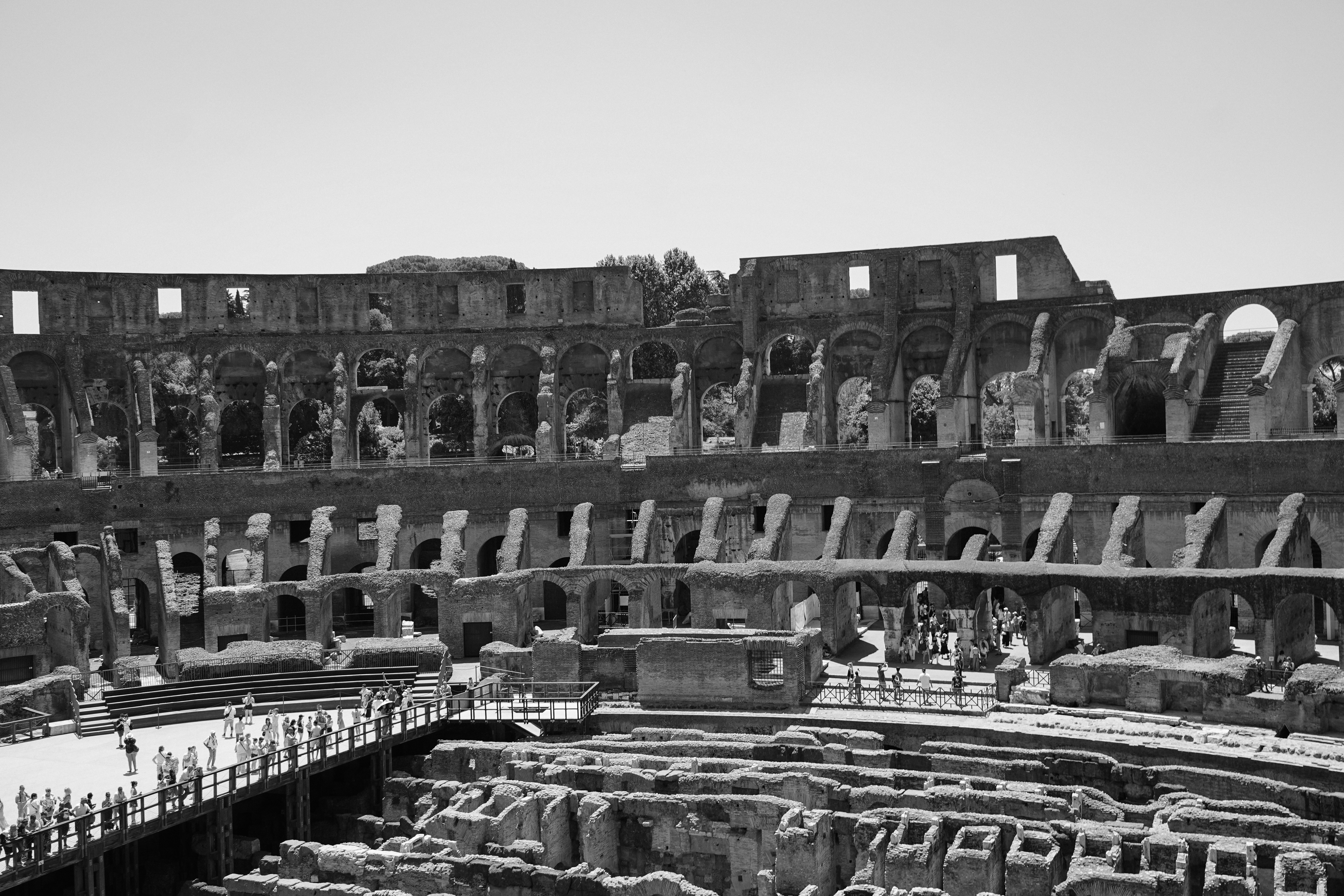
Violent incidents against tourists are uncommon; the main issues are theft and minor fraud in crowded places such as the Colosseum, Vatican City, the Trevi Fountain, Duomo squares, and major train stations like Roma Termini or Milano Centrale, where organized pickpocket groups may target distracted visitors according to several Italy safety guides. Petty crime tends to spike around rush hour on metros and buses.
Traffic can feel chaotic, especially in Rome and Naples, so always double-check before crossing even at marked zebra crossings and avoid assuming cars will stop immediately. Local advice from safety experts in Italy highlights that you should make eye contact with drivers and wait until they clearly yield.
For everyday safety:
- Keep bags closed and carried crossbody, especially on public transport.
- Avoid walking alone through quiet areas near big stations late at night.
- Use official, marked taxis with visible license numbers and meters.
Having navigation and emergency info handy on your phone helps you walk with purpose and avoid looking lost. Staying connected with a Hello eSIM for Italy (Italy, Hello eSIM for Italy) lets you download offline maps, check routes, and message your accommodation if you’re delayed.
Common Italy Scams and How to Avoid Them
Most safety issues in Italy involve simple tourist scams and pickpocketing, not violence, and you can avoid most problems by staying alert in crowded areas and being cautious with overly friendly strangers or unsolicited offers around major sights and stations.
Typical scams reported by visitors and local guides include:
- Pickpockets on metros, buses, and around popular sites like the Trevi Fountain, Colosseum, Duomo squares, and Venice’s main bridges.
- Fake petitions or friendship bracelets: someone engages you, ties a bracelet, then demands cash.
- Restaurant bill padding: hidden service charges, extra items added, or high tourist prices near main squares.
- Taxi overcharging: drivers not using the meter or quoting flat rates far above normal.
- Fake police checks: scammers posing as police ask for your wallet to “inspect” currency.
Simple ways to protect yourself:
- Carry wallets and phones in front pockets or inside zipped bags, never in open backpacks.
- Keep bags in front of you on crowded transport; consider a small lock for backpack zippers.
- Check menus and prices before sitting down; ask if service charges are included.
- Only use official taxis (usually white with city insignia like “SPQR” in Rome) and insist the meter is on.
- If someone claims to be police, ask to see ID and never hand over your wallet.
Local safety blogs emphasize that if anyone is “too friendly” around a tourist area—offering unsolicited help, gifts, or photo services—firmly say no and walk away. These precautions let you enjoy Italy’s highlights while minimizing the risk of falling for Italy scams.
Emergency Numbers, Singapore Embassy Contacts, and What to Do in a Crisis
If you face an emergency in Italy, call 112 first, then use specific service numbers (113 police, 118 ambulance, 115 fire) and contact your embassy or consulate for support, replacement documents, or legal assistance. Knowing these numbers in advance saves precious time when things go wrong.
Italy uses both the EU-wide emergency number 112 and dedicated lines. According to Italian safety resources, the key numbers are:
- 112 – General emergency (EU-wide, connects you to the right service)
- 113 – Emergency police help
- 115 – Fire brigade
- 118 – Medical emergencies and ambulance
Save these in your phone and write them on a card you keep in your wallet.
For Singapore citizens, the primary diplomatic mission is the Embassy of the Republic of Singapore in Rome. While details can change, the embassy typically assists with lost passports, serious medical incidents, arrests, or large-scale emergencies. Before you travel, check the Ministry of Foreign Affairs of Singapore website for current address, phone number, and after-hours emergency contact, and register your trip if a travel registration service is available.
If something happens:
- Call 112 or the relevant emergency number.
- Contact your embassy or consulate for guidance.
- Inform your travel insurer’s emergency line; many policies require notification within 24 hours for claims.
- Use the Hello app to share your location with friends, track any unexpected expenses related to the incident, and keep digital copies of receipts.
Having these steps and numbers ready makes handling emergencies more manageable, even in an unfamiliar city.
Health, Vaccinations, and Water Safety in Italy
Italy’s health standards are high, tap water is generally safe to drink, and most travellers only need routine vaccinations, but it’s wise to carry basic medication, know how the medical system works, and keep your travel insurance details easily accessible on your phone.
Italy has a well-developed public healthcare system and many private clinics in major cities. Visitors from Singapore and other non‑EU countries usually pay out of pocket for treatment and then claim costs back from insurance, so check your policy’s coverage for overseas healthcare and emergency evacuation. Standard travel advisories recommend being up to date on routine vaccines (like tetanus, measles, and influenza) and considering hepatitis A if you’re unsure of your status.
Tap water is safe and commonly drunk in cities and towns, and you’ll see “nasoni” public fountains in places like Rome, Florence, and Milan where locals refill bottles. If you’re unsure, look for “acqua non potabile” signs, which indicate water that’s not for drinking, usually decorative fountains.
Practical health tips:
- Pack a small kit with painkillers, antihistamines, plasters, and any prescription medicine for your full stay.
- In summer, heatwaves can push temperatures above 35°C, especially in cities, so plan sightseeing for mornings/evenings and drink plenty of water.
- Pharmacies (“farmacia”) are well marked with a green cross and can advise on minor issues in Italian or basic English.
Store a photo of your passport, insurance card, and policy number inside the Hello app’s files or notes and use its budget tracking to log any medical costs, helping you claim efficiently later.
Solo Female and LGBTQ+ Travellers: Specific Safety Tips for Italy
Italy is generally safe for solo female and LGBTQ+ travellers, especially in larger cities, but you’ll feel most comfortable by staying in well-reviewed areas, avoiding unlit streets at night, and matching local social norms with a low-key, confident attitude.
Solo female travellers widely report feeling safe in Italy when following typical big-city precautions: staying in central neighborhoods, using registered taxis at night, and avoiding isolated parks or poorly lit backstreets after dark. Local safety guides recommend arriving at major train stations (like Roma Termini or Napoli Centrale) in daylight when possible and taking an official taxi or rideshare if you arrive late instead of walking alone through unfamiliar streets.
For day-to-day confidence:
- Walk with purpose, even if you’re checking directions on your phone.
- Sit or stand near other travellers or staff on trains, especially at night.
- Be cautious of overly familiar strangers and decline invitations that don’t feel right.
Italy’s attitude toward LGBTQ+ travellers is mixed but generally relaxed in major cities such as Rome, Milan, Bologna, and Naples, where you’ll find visible LGBTQ+ communities and venues. Public displays of affection may draw attention in smaller towns, so some couples choose a more discreet approach in conservative areas.
Online reports and rights indexes note that Italy has legal protections in some areas but still debates broader LGBTQ+ rights. Most visitors, however, experience no direct issues beyond occasional stares or comments. Choosing central, well-rated accommodation and using Hello’s expense-splitting to share costs with travel companions can make group and solo trips smoother and more secure.
Travel Insurance, Budget Protection, and Staying Connected in Italy
Good travel insurance and reliable mobile data are among the most important safety tools in Italy, protecting you against medical costs, theft, and trip disruption while ensuring you can access maps, support apps, and emergency contacts at all times.
Travel insurance for Italy should typically cover:
- Overseas medical expenses and hospitalisation
- Emergency evacuation and repatriation
- Trip cancellation or interruption
- Theft or loss of valuables (phones, cameras, luggage)
As of 2026, comprehensive policies for a 1–2 week Italy trip from Singapore often range from around US$40–80 per person, depending on coverage and age, according to major insurance comparison platforms. Check exclusions carefully: some policies limit coverage for high-value electronics or carry higher deductibles for theft.
A sample cost comparison:
| Item | Typical Cost in 2026 | Notes |
|---|---|---|
| Travel insurance (1 week) | US$40–80 | Mid-range coverage |
| Basic meal (local trattoria) | US$15–25 | Per person, excluding tourist hotspots |
| City public transport day pass | US$7–12 | Varies by city |
Staying connected is part of modern travel safety. With Hello’s eSIM plans for Italy, you can buy and activate data before departure, arrive online, and use navigation, translation, and taxi apps without hunting for SIM shops. Plans typically start from 5GB with live pricing in the app, enough for maps, messaging, and basic browsing on a week-long trip.
Use the Hello app to track your spending, import receipts, and split costs with friends in multiple currencies. If something goes wrong—missed trains, medical visits, or emergency hotel changes—you’ll have a clear record to support insurance claims and keep your budget under control.
Common Questions About Italy Travel Safety (Q&A)
Most visitors find Italy safe and manageable as long as they stay alert in crowded areas, know the main emergency numbers (112, 113, 115, 118), and take basic precautions against pickpockets and tourist scams around major sights and transport hubs.
Is Italy safe for tourists right now?
Yes. Italy remains a popular, generally low-risk destination, with tens of millions of visitors each year and relatively low violent crime against tourists. The biggest issues tend to be pickpocketing and minor fraud in large cities and busy tourist zones.
What are the most common safety problems in Italy?
Pickpocketing on public transport and in famous squares, bag snatching in crowded spots, and scams such as bracelet sellers, inflated restaurant bills, and taxi overcharging. Most can be avoided by securing valuables, checking prices in advance, and using official taxis.
Is Italy safe for solo female travellers?
In most cities, yes, with normal precautions. Stay in central, well-lit areas, avoid walking alone through quiet streets late at night, and use licensed taxis after dark. Many solo travellers report feeling comfortable when following standard big-city habits.
Is Italy safe for LGBTQ+ travellers?
Generally yes, especially in larger cities with active LGBTQ+ communities. In smaller towns, a more discreet style may feel more comfortable, but harassment towards tourists is uncommon.
What is the emergency number in Italy?
Use 112 for any emergency, or dial 113 for police, 115 for fire, and 118 for medical/ambulance. Save these in your phone before you travel.
How can I stay connected safely?
Activate a Hello eSIM before your trip so you arrive with data, can use maps and taxi apps, and contact help or your accommodation easily if plans change.
Explore These Destinations
Stay Connected
Ready for Italy?
eSIM data, expense splitting, budget tracking, and more. Everything you need for a smooth trip in one app.
Related Articles
Italy Currency & Money Guide: Exchange, Cards, and Tips
Currency exchange, credit card acceptance, ATM tips, tipping culture, and money-saving advice for Italy.
27 July 2026
Italy Visa & Entry Requirements for Singapore Passport Holders
Visa requirements, passport validity, customs allowances, and entry tips for Singapore citizens travelling to Italy.
9 July 2026
eSIM for Italy: Best Plans, Coverage, and Setup Tips
Everything you need to know about using eSIM in Italy. Best data plans, network coverage, and setup instructions.
30 June 2026