1 Week in Europe: Paris, Rome, and Barcelona
Multi-city European itinerary with train routes, daily budgets, and must-see highlights.
By Hello Travel Team
This article contains affiliate links. If you book through them, Hello may earn a commission at no additional cost to you. Our editorial recommendations are independent. Learn more.
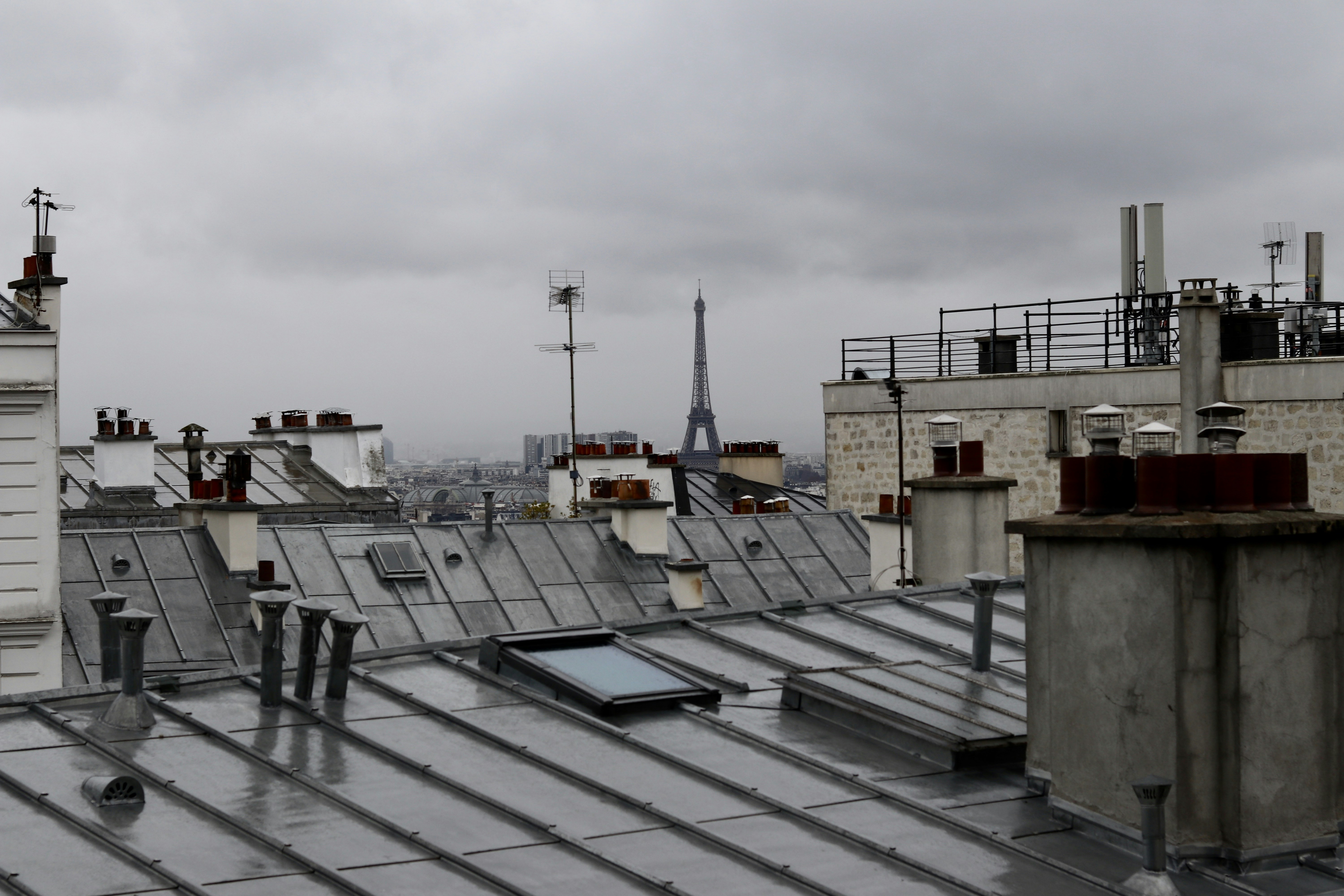
- 1
Paris Arrival and Historic Center
- MorningAirport transfer from Charles de Gaulle to central Paris~$15
- AfternoonNotre-Dame, Île de la Cité, Louvre courtyard, and Tuileries Garden
- EveningBistro dinner and Seine walk~$35
Le MaraisÎle de la CitéSaint-GermainLatin QuarterRER B is approximately $12–$15 from Charles de Gaulle; taxis are commonly $55–$80. Central walking and Metro rides are typically $8–$12 for the day.
Budget$120Mid-range$260Luxury$575 - 2
Eiffel Tower and Montmartre
- MorningEiffel Tower timed visit~$35
- AfternoonMetro to Montmartre and Sacré-Cœur~$10
- AfternoonCrêpe or casual lunch~$20
- EveningDinner near Pigalle or Canal Saint-Martin~$45
Champ de MarsMontmartrePigalleCanal Saint-MartinUse Metro Line 6 for the Eiffel Tower area and Metro connections toward Montmartre; allow approximately $8–$12 for local transport.
Budget$130Mid-range$280Luxury$650 - 3
Paris to Rome and Ancient Rome
- MorningFlight from Paris to Rome~$130
- MorningAirport transfer to Rome center~$12
- AfternoonColosseum, Roman Forum, and Palatine Hill~$30
- AfternoonCarbonara or cacio e pepe lunch~$22
- EveningTrevi Fountain and Piazza Navona~$45
MontiColosseumTreviPiazza NavonaParis–Rome flights are approximately two hours and often $80–$180 one way when booked early. Rome airport transfers commonly cost $7–$15 by public transport.
Budget$240Mid-range$480Luxury$1100 - 4
Vatican City and Trastevere
- MorningVatican Museums and Sistine Chapel~$35
- Late morningSt. Peter’s Basilica
- AfternoonPizza al taglio or supplì lunch~$18
- AfternoonWalk through Trastevere~$5
- EveningTrattoria dinner~$40
PratiVatican CityTrastevereRome buses and Metro rides are typically about $2 each. Walking between central attractions is often practical.
Budget$125Mid-range$270Luxury$650 - 5
Rome to Barcelona and Sagrada Família
- MorningFlight from Rome to Barcelona~$115
- MorningBarcelona airport transfer~$10
- AfternoonSagrada Família~$38
- AfternoonMenu del día or tapas lunch~$22
- EveningEixample dinner~$40
EixampleSagrada FamíliaGothic QuarterRome–Barcelona flights take approximately one hour and 45 minutes and often cost $70–$160 one way. Airport transport is about $6–$12 by bus, train, or metro.
Budget$230Mid-range$455Luxury$1000 - 6
Park Güell, Gothic Quarter, and Barceloneta
- MorningPark Güell monumental zone~$16
- Late morningMetro to the old city~$8
- AfternoonGothic Quarter and market lunch~$25
- EveningBarceloneta sunset walk
- EveningTapas dinner or flamenco performance~$55
GràciaGothic QuarterEl BornBarcelonetaBarcelona metro and bus rides are commonly about $2–$3 each. Walking is convenient between the Gothic Quarter, El Born, and Barceloneta.
Budget$125Mid-range$270Luxury$650 - 7
Barcelona Slow Morning and Departure
- MorningCoffee and pastry breakfast~$10
- MorningChoose Barceloneta, El Born, or Montjuïc~$15
- AfternoonAirport transfer~$10
El BornBarcelonetaMontjuïcEixampleAllow at least two hours for airport procedures. Aerobús, train, and metro options generally cost about $6–$12; taxis are faster but more expensive.
Budget$75Mid-range$165Luxury$375
Trip Summary
Trip starter
Turn this 7-day itinerary into a Hello trip
Start with a prefilled trip for France, then add dates, invite friends, track expenses, and pick an eSIM before you land.
Name and destination carried into the app.
Split costs and settle up during the trip.
Choose data for the destination before departure.
TL;DR: The Best 1 Week Europe Itinerary for Paris, Rome, and Barcelona
The most efficient 1 week Europe itinerary covers Paris for two nights, Rome for two nights, and Barcelona for two nights, with one travel day between each city. In 2026, budget approximately $1,300–$2,200 per person for flights, accommodation, meals, attractions, local transport, and a moderate travel style. This fast-paced Europe travel plan prioritizes landmark experiences rather than extensive neighborhood exploration.
Fly between cities rather than taking trains: Paris–Rome flights take about two hours and commonly cost $80–$180 one way when booked early, while Rome–Barcelona flights take roughly one hour and 45 minutes and often cost $70–$160. High-speed rail is excellent within countries, but this particular Paris Rome Barcelona route crosses several borders and is usually slower by train. France, Italy, and Spain remain among Europe’s most visited destinations; Eurostat recorded approximately 513.6 million accommodation nights in Spain, 476.9 million in Italy, and 471.7 million in France during 2025.
Use the Hello app to plan your route, split shared costs, and track euros across all three destinations. Before departure, activate Hello eSIM plans for France, then confirm whether a regional plan covers Italy and Spain or add destination plans as needed.
Days 1–2: Paris Highlights, Costs, and Practical Transport
Spend your first two days in Paris grouping attractions by neighborhood: begin near the Seine, continue through the historic center, and reserve your second day for the Eiffel Tower and Montmartre. This approach limits backtracking and gives you time for classic cafés, an evening river walk, and one major museum without turning Paris into a checklist.
Day 1 — Arrival and the historic center
- Morning: From Charles de Gaulle, take the RER B toward central Paris for roughly $12–$15, or budget $55–$80 for a taxi. Check in around Le Marais, Saint-Germain, or the Latin Quarter.
- Afternoon: Walk from Notre-Dame and Île de la Cité toward the Louvre courtyard and Tuileries Garden. Louvre admission is commonly about $25–$35, depending on the current ticket category and eligibility.
- Evening: Eat onion soup or steak-frites at a traditional bistro, typically $20–$35 per person, then stroll along the Seine.
Day 2 — Eiffel Tower and Montmartre
- Morning: Reserve an Eiffel Tower time slot in advance; summit or upper-level tickets commonly range from $25–$45. Take Metro Line 6 for the classic tower approach.
- Afternoon: Ride the Metro toward Montmartre, visit Sacré-Cœur, and explore Place du Tertre. Allow $15–$25 for a crêpe, salad, or casual lunch.
- Evening: Have a $35–$60 dinner near Pigalle or Canal Saint-Martin. Paris Metro journeys are usually around $2–$3 each, making a daily transport allowance of $8–$12 realistic.
For 2026, estimate $110–$150 per day on a budget, $220–$320 mid-range, or $500–$750 luxury, excluding the international flight.
Days 3–4: Rome Ancient Sights, Vatican City, and Italian Meals
Rome works best when you reserve timed entries and explore one compact zone at a time: ancient Rome on day three, then Vatican City and Trastevere on day four. Expect long walks, uneven cobblestones, and warm afternoons, so schedule indoor attractions earlier and keep evenings flexible for dinner.
Day 3 — Colosseum and the historic center
- Morning: Fly from Paris to Rome, allowing at least two hours for airport procedures and approximately $7–$15 for airport-to-center transport by train or bus. The Leonardo Express from Fiumicino is a fast option, while regional trains and buses can cost less.
- Afternoon: Visit the Colosseum, Roman Forum, and Palatine Hill with a timed combination ticket, commonly about $20–$35. Have cacio e pepe or carbonara near Monti for approximately $15–$25.
- Evening: Walk to Trevi Fountain and Piazza Navona. Dinner with wine typically costs $30–$55 per person in a central trattoria.
Day 4 — Vatican City and Trastevere
- Morning: Book the Vatican Museums and Sistine Chapel ahead; tickets often cost about $25–$40 before optional guided-tour fees. Dress shoulders and knees modestly for churches.
- Afternoon: Eat pizza al taglio or supplì for $10–$18, then visit St. Peter’s Basilica and cross the river toward Trastevere.
- Evening: Share antipasti and order seasonal pasta in Trastevere, allowing $25–$45. Rome’s bus and Metro rides are usually around $2 each, though walking is often faster in the center.
Daily estimates are $100–$145 budget, $210–$300 mid-range, and $450–$700 luxury, excluding the Paris–Rome flight.
Days 5–7: Barcelona Architecture, Food, and Coastal Neighborhoods
Finish your Europe trip in Barcelona with one day for Gaudí landmarks, one for the Gothic center and markets, and a final morning for the beach or a relaxed neighborhood breakfast. Reserve Sagrada Família and Park Güell tickets ahead, especially during summer and holiday periods.
Day 5 — Arrival and Gaudí
- Morning: Fly from Rome to Barcelona; airport transport costs about $6–$12 by Aerobús, train, or metro, while a taxi is commonly $35–$45. Stay in Eixample, the Gothic Quarter, or Gràcia.
- Afternoon: Visit Sagrada Família, with admission commonly around $30–$45 depending on tower and audio-guide options. Have tapas or a menu del día for $15–$25.
- Evening: Walk through Eixample and dine on patatas bravas, grilled seafood, and crema catalana for $25–$45.
Day 6 — Park Güell and the old city
- Morning: Explore Park Güell’s restricted monumental zone, often about $12–$20, then take the metro downhill.
- Afternoon: Visit the Gothic Quarter, Barcelona Cathedral exterior, and La Boqueria area. A market lunch or casual tapas meal costs approximately $15–$30.
- Evening: Walk along Barceloneta or attend a flamenco performance; reserve $30–$70 for dinner or entertainment.
Day 7 — Slow morning and departure
- Morning: Have coffee and a pastry for $6–$12, then choose Barceloneta, El Born, or Montjuïc depending on your departure time.
- Afternoon: Leave at least two hours for airport procedures and luggage transfer.
Barcelona estimates are $95–$140 budget, $200–$290 mid-range, and $425–$650 luxury per day.
1 Week Europe Itinerary Budget and Transport Comparison
A realistic 2026 budget for Paris, Rome, and Barcelona is about $1,300 at the lean end and $4,000 or more for luxury travel, excluding long-haul flights to Europe. The biggest variables are accommodation, attraction upgrades, baggage fees, and whether you book the Paris–Rome and Rome–Barcelona flights several weeks ahead.
| Expense category | Budget traveler | Mid-range traveler | Luxury traveler |
|---|---|---|---|
| Accommodation, 6 nights | $360–$600 | $900–$1,500 | $2,400–$4,200 |
| Intercity flights and airport transfers | $220–$400 | $350–$600 | $700–$1,200 |
| Meals, 7 days | $245–$385 | $560–$910 | $1,400–$2,450 |
| Attractions | $120–$220 | $250–$450 | $600–$1,200 |
| Local transport | $60–$100 | $100–$170 | $250–$500 |
| Estimated total | $1,005–$1,705 | $2,160–$3,630 | $5,350–$9,550 |
For a practical mid-range Europe travel plan, expect roughly $2,400–$3,000 per person before long-haul airfare. Paris–Rome and Rome–Barcelona flights are generally more time-efficient than rail; an overnight train route through Milan can be an alternative, but sleeper fares may reach $120–$200 and require more complex connections.
Track each city in the Hello app using automatic exchange-rate conversion, AI receipt scanning, voice expense entry, and multi-currency categories. If friends pay for different meals or tickets, Hello can split expenses across currencies and calculate balances automatically.
Where to Stay and How to Stay Connected Across Three Countries
Choose central neighborhoods with reliable metro or walking access rather than changing hotels for every attraction. In Paris, Le Marais and Saint-Germain are convenient but expensive; in Rome, Monti and Prati balance location and value; in Barcelona, Eixample and Gràcia offer easy transport with a more local evening atmosphere.
- Paris: Stay near Le Marais for restaurants and walkability, or near Gare de Lyon if you want easier airport and onward transport.
- Rome: Monti is convenient for the Colosseum, while Prati is practical for Vatican visits and generally quieter at night.
- Barcelona: Eixample is central and well connected; Gràcia feels residential, while the Gothic Quarter is atmospheric but can be noisy.
Pack comfortable shoes, a compact rain layer, and a crossbody bag. Validate or purchase the correct transit ticket, watch belongings in crowded stations, and avoid accepting unsolicited “free” gifts near major sights. Italy and Spain commonly serve dinner later than many visitors expect, while Paris restaurants may have fixed seating times and require reservations.
Hello is a travel companion app for iOS and Android with connectivity in more than 200 countries. Activate Hello eSIM for Italy before departure so you can access maps, reservations, translation tools, and ride information as soon as you land; Hello’s plans start from 5GB, offer instant activation, and display live pricing. Confirm your France, Italy, and Spain coverage before buying.
Common Questions About a Paris Rome Barcelona Europe Trip
The most common questions concern whether seven days is enough, how to move between cities, and how much money to bring. The answer is yes, but this is a highlights itinerary: you will see iconic landmarks in all three cities while accepting early starts, airport time, and limited room for day trips.
Is one week enough for Paris, Rome, and Barcelona?
Yes, if you spend two nights in each city and treat travel days as partial sightseeing days. Add at least two or three extra nights if you want museums, neighborhoods, or day trips without rushing.
Should I take trains or fly between the cities?
For this route, flying is usually faster. Paris–Rome takes about two hours in the air, and Rome–Barcelona about one hour and 45 minutes. Include airport transfers, baggage rules, and security when comparing total journey time.
How much cash should I carry?
Keep approximately €40–€80 in cash per person for small purchases, tips, markets, and occasional cafés, but use a card for most hotels, attractions, and restaurants. Carry a backup payment method separately.
What should I reserve before leaving home?
Reserve flights, accommodation, Eiffel Tower or Louvre times, the Colosseum, Vatican Museums, Sagrada Família, and Park Güell. Save confirmations offline in case of weak service, then use the Hello app’s trip planner and expense tools to keep reservations and spending organized.
Can I add a day trip?
Avoid adding one during this seven-day route unless you remove a major city attraction. Versailles, Pompeii, and Montserrat are worthwhile, but each requires time that is scarce in a one-week schedule.
Explore These Destinations
Stay Connected
Make the most of France
From eSIM connectivity to expense tracking, Hello is the all-in-one companion that keeps your trip stress-free.
Related Articles
France Currency & Money Guide: Exchange, Cards, and Tips
Currency exchange, credit card acceptance, ATM tips, tipping culture, and money-saving advice for France.
26 July 2026
France Safety Guide: Tips for a Safe Trip
Safety tips, health advisories, emergency contacts, common scams, and travel insurance advice for France.
17 July 2026
France Visa & Entry Requirements for Singapore Passport Holders
Visa requirements, passport validity, customs allowances, and entry tips for Singapore citizens travelling to France.
8 July 2026