3 Days in Italy: A Day-by-Day Itinerary
A detailed 3-day itinerary for Italy with daily activities, costs, neighborhoods, and transport tips.
By Hello Travel Team
This article contains affiliate links. If you book through them, Hello may earn a commission at no additional cost to you. Our editorial recommendations are independent. Learn more.
- 1
Ancient Rome & Historic Center
- MorningAirport transfer to central Rome~$15
- MorningColosseum, Roman Forum & Palatine Hill visit~$25
- AfternoonLunch in Monti neighborhood~$18
- AfternoonWalk via Piazza Venezia to Pantheon~$6
- EveningTrevi Fountain & Spanish Steps evening stroll
- EveningDinner near Campo de’ Fiori~$28
MontiCentro StoricoCampo de’ FioriWalk extensively; optional metro/bus within central zone (~$2 per ride). Airport express train or bus from Fiumicino to city center costs around $15 in 2026.
Budget$50Mid-range$130Luxury$280 - 2
Vatican City & Trastevere Evenings
- MorningMetro from central Rome to Ottaviano (Vatican area)~$2
- MorningSt. Peter’s Basilica and dome climb~$12
- AfternoonQuick lunch near Vatican~$12
- AfternoonVatican Museums & Sistine Chapel visit~$30
- EveningBus to Trastevere and sunset riverside walk~$2
- EveningDinner in Trastevere~$32
PratiVatican CityTrastevereUse Metro line A to reach Vatican area, then buses or walking to Trastevere. Day transport pass (~$9–10) is good value if using metro/bus 4+ times.
Budget$55Mid-range$140Luxury$300 - 3
Markets, Local Neighborhoods & Farewell Dinner
- MorningBreakfast and market visit (Testaccio or Campo de’ Fiori)~$12
- AfternoonOptional museum or gallery (e.g., Galleria Borghese)~$28
- AfternoonWalking tour and shopping in Monti & Centro Storico~$20
- EveningFinal dinner in Trastevere or Piazza Navona~$35
- EveningAirport or train station transfer~$15
TestaccioMontiCentro StoricoTrastevereMostly walking within central areas; occasional metro or bus (~$2 per ride). Airport transfer by bus or train around $15 in 2026; taxis $50+ depending on traffic.
Budget$45Mid-range$120Luxury$220
Trip Summary
Trip starter
Turn this 3-day itinerary into a Hello trip
Start with a prefilled trip for Italy, then add dates, invite friends, track expenses, and pick an eSIM before you land.
Name and destination carried into the app.
Split costs and settle up during the trip.
Choose data for the destination before departure.
TL;DR: A Perfect 3-Day Italy Itinerary in Rome
A perfect 3-day Italy itinerary focuses on Rome, balancing iconic sights like the Colosseum and Vatican with local neighborhoods, easy public transport, and realistic daily budgets for budget, mid-range, and luxury travelers in 2026. This plan assumes you stay centrally and use trains, buses, and walking.
In 3 days you can comfortably see ancient Rome, the Vatican, and Rome’s historic center without rushing, especially if you cluster sights by neighborhood and pre-book major entrances. Rome remains Italy’s most visited city, and Italy welcomed over 56 million international tourists in 2023 according to ISTAT, so planning ahead really matters in peak seasons.
This Italy 3 day itinerary is built around three base themes: Day 1 for classic ancient sights, Day 2 for art and Vatican treasures, and Day 3 for neighborhood wandering and food. A typical daily budget in Rome in 2026 ranges from about $50–70 for budget travelers, $120–160 for mid-range, and $250+ for luxury, depending on where you stay and how many paid attractions you include.
You’ll get specific morning–afternoon–evening plans, suggested neighborhoods like Trastevere and Monti, and realistic transport tips using buses, metro, and walking. To keep your Italy travel plan stress-free, you can use the Hello app to track expenses, split costs with friends, and stay connected with a Hello eSIM, so you’re never hunting for paper tickets or lost in a new city.
Day 1: Ancient Rome & Historic Center (Italy Itinerary Kickoff)
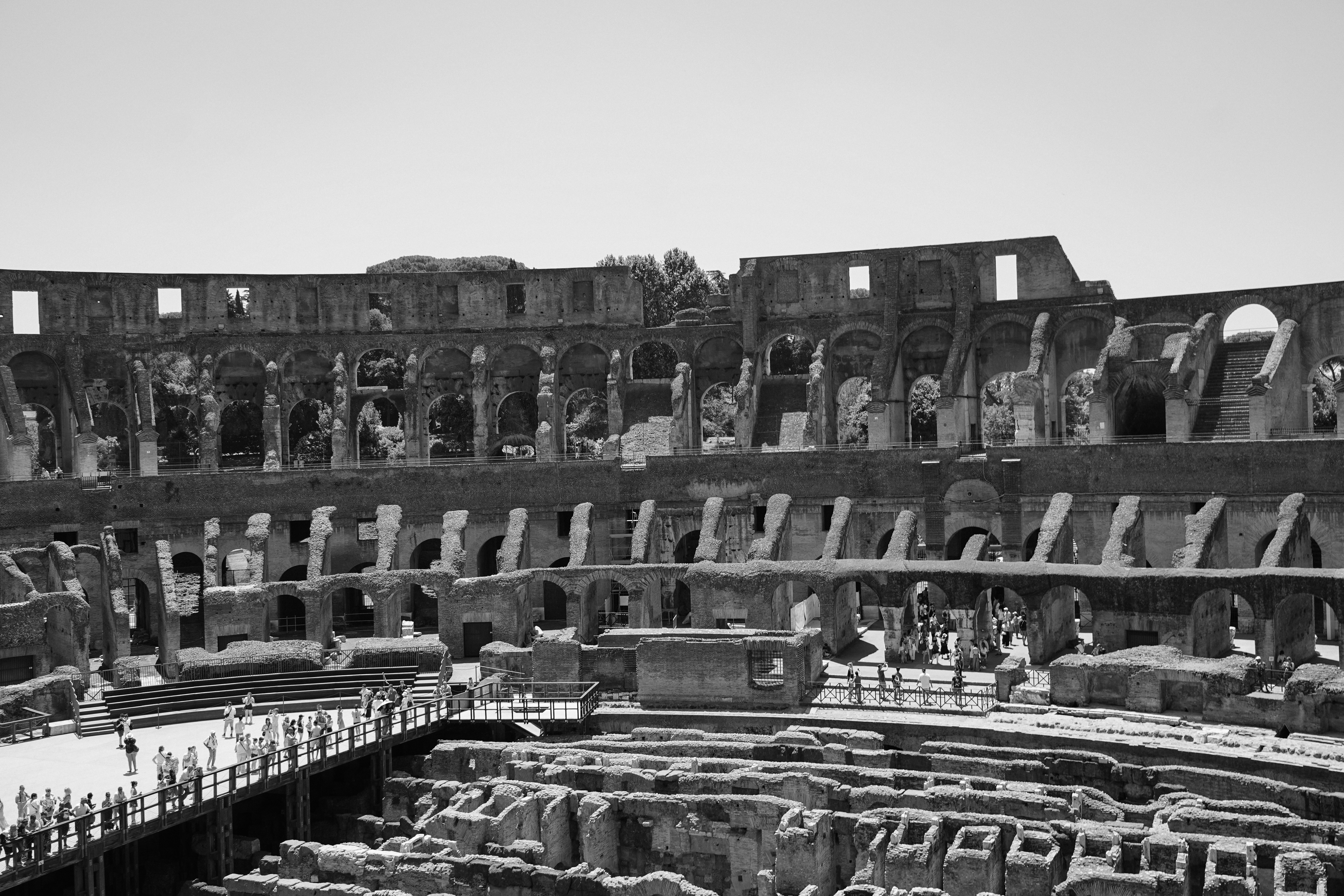
Day 1 of your Italy itinerary in Rome focuses on ancient landmarks and the historic center, with morning at the Colosseum, afternoon exploring the Roman Forum and Palatine Hill, and an evening stroll around Trevi Fountain and the Spanish Steps, mostly walkable with minimal transport costs.
Morning (8:30–12:00) – Colosseum & Roman Forum
Start early to beat the crowds, especially in spring and summer when Italy sees peak arrivals; according to Italy’s Ministry of Tourism, over half of international visitors concentrate between April and September. Pre-book a Colosseum + Forum ticket (~$20–25 in 2026) and allow 3–4 hours.
Walk through the Colosseum, then continue to the Roman Forum and Palatine Hill, all in the same archaeological park. Wear comfortable shoes and bring water; summers in Rome regularly hit 30°C+, and shade can be limited.
Afternoon (13:00–17:00) – Piazza Venezia to Pantheon
Grab lunch near Monti or around Via dei Serpenti: expect $12–18 per person in 2026 for a pasta dish and drink at a casual trattoria. Walk past Piazza Venezia and the Altare della Patria, then head to the Pantheon—entry has a small fee (around $6–10).
Evening (17:30–21:30) – Trevi Fountain & Spanish Steps
Stroll to Trevi Fountain, then on to Piazza di Spagna and the Spanish Steps. Metro rides cost about $1.70–2 per trip in 2026, but this loop is easily walkable. For dinner near Campo de’ Fiori, plan $20–30 per person mid-range. Use the Hello app’s budget tracking and AI receipt scanning to log your first day’s spending in euros automatically.
Day 2: Vatican City, Art Highlights & Riverside Strolls
Day 2 of your Italy 3 day itinerary is dedicated to Vatican City and Rome’s artistic side, combining St. Peter’s Basilica, the Vatican Museums, and a relaxed Trastevere evening, with metro and bus rides keeping transport simple and affordable.
Morning (8:00–12:00) – St. Peter’s Basilica & Dome
Take Metro line A to Ottaviano (~$1.70–2 per ride in 2026) and walk to St. Peter’s Basilica. Entry to the basilica is free, but the dome climb costs around $10–12 and is worth it for panoramic city views. Vatican City is the world’s smallest independent state, yet welcomes millions of visitors annually; the Vatican Museums alone draw roughly 6 million visitors a year according to Vatican statistics.
Spend at least 2 hours here, observing dress codes (shoulders and knees covered) and typical security checks. Early morning is best to avoid long queues.
Afternoon (13:00–17:00) – Vatican Museums & Sistine Chapel
Pre-book timed-entry tickets for the Vatican Museums (~$25–35 in 2026, more for guided tours). Allow 3 hours to explore highlights, including the Sistine Chapel and Raphael Rooms. For lunch, simple panini or pizza al taglio near the Vatican cost $8–12.
Evening (18:00–22:00) – Trastevere
After exiting, either walk or take bus 23/280 toward Trastevere, one of Rome’s best evening neighborhoods with cobbled lanes and lively bars. A mid-range dinner with house wine here runs $25–35 per person in 2026. Use the Hello app’s expense splitting in multi-currency if you’re traveling with friends, so everyone’s share of Vatican tickets and dinner is calculated automatically.
Day 3: Neighborhood Wandering, Food Experiences & Hidden Gems
Day 3 of your Italy trip planner emphasizes local neighborhoods, markets, and food experiences, giving you a slower-paced final day in Rome around Testaccio, Trastevere, or Monti, plus time for souvenirs and café-hopping.
Morning (9:00–12:30) – Local Market & Coffee Culture
Start in Testaccio Market or Campo de’ Fiori to see Rome’s daily life. A cappuccino and pastry at a local bar costs roughly $3–5 in 2026, and you’ll often pay slightly more if you sit rather than stand at the counter. Respect local customs: many Romans order coffee quickly at the bar and linger less than tourists.
Browse fresh produce, cheeses, and cured meats; small tastings or snacks might add $5–10 to your morning budget. If you’re still exploring major sights, you could swap this for Galleria Borghese (advanced reservation, tickets ~$25–30).
Afternoon (13:00–17:00) – Walking Tour & Shopping
Join a city walking tour (group tours from ~$25–35) or design your own loop through Monti, Via del Corso, and Piazza Navona. Window-shop Italian leather goods or local design shops; set aside $50–100 if you plan to buy souvenirs.
Evening (18:00–22:00) – Farewell Dinner & Night Walk
Finish with a final dinner in Trastevere or near Piazza Navona. Budget travelers can find pizza and a drink for $15–20; mid-range restaurants average $25–40 per person, while tasting menus at upscale spots may start around $70–90 in 2026.
Before you go, check the Hello app’s budget tracking to review your 3-day spend against your planned Italy travel plan, using AI-powered categorization to see where most of your budget went—food, transport, or tickets.
Transport, Connectivity & Neighborhood Guide for a 3-Day Italy Travel Plan
For a 3-day Rome-based Italy itinerary, stay central, walk as much as possible, and use metro and buses for longer hops, with most travelers spending $6–10 per day on transport in 2026 if they cluster sights smartly.
Rome’s historic center is compact, so many highlights—Pantheon, Trevi Fountain, Piazza Navona, Spanish Steps—are walkable if you stay in neighborhoods like Centro Storico, Monti, or Trastevere. Single metro/bus tickets cost about $1.70–2, and day passes run roughly $8–10 in 2026, making public transport far cheaper than taxis for short distances.
Here’s a quick comparison of common central areas:
| Neighborhood | Vibe & Highlights | Typical Nightly Cost (2026) |
|---|---|---|
| Centro Storico | Historic, walkable, very touristy | $140–280 (mid-range) |
| Monti | Trendy, local bars, near Colosseum | $120–220 (mid-range) |
| Trastevere | Charming, lively evenings, riverside | $110–210 (mid-range) |
| Prati | Near Vatican, quieter, residential | $100–200 (mid-range) |
To avoid roaming charges and unreliable café Wi‑Fi, many visitors use Hello’s eSIM plans for Italy, buying and activating a Hello eSIM before departure so they arrive connected and can use maps, transport apps, and the Hello app’s trip planning features offline-ready. An Hello eSIM for Italy gives you instant data on landing, with plans starting from 5GB and prices updated live, making it easy to navigate metro lines and bus routes without hunting for a local SIM shop.
According to the European Commission’s recent digital reports, over 80% of travelers rely on mobile internet for navigation in unfamiliar cities, so planning connectivity is now as essential as booking a hotel.
Budget Breakdown: How Much to Spend in 3 Days in Italy (Rome Focus)
A realistic 3-day Italy 3 day itinerary in Rome costs about $150 for budget travelers, $350 for mid-range, and $800+ for luxury, excluding flights, based on 2026 price estimates for food, transport, and central accommodation.
Accommodation remains your biggest variable: according to Eurostat data, average hotel prices in major EU capitals, including Rome, have risen roughly 15–20% since 2020. In 2026, you can expect budget guesthouses from $45–70 per night, mid-range hotels from $110–180, and luxury stays from $250–400+ in central areas.
Here’s a simplified daily budget comparison:
| Tier | Daily Estimate (2026) | What It Typically Includes |
|---|---|---|
| Budget | $50–70 | Hostel/guesthouse, public transport, street food |
| Mid | $120–160 | 3-star hotel, sit-down meals, 1–2 paid attractions |
| Luxury | $250–300+ | 4–5-star hotel, fine dining, private tours |
Meals in central Rome are moderate by Western European standards. A budget traveler eating pizza al taglio and panini spends around $15–25 per day, while mid-range dining with a restaurant lunch and dinner reaches $35–55 per day. Luxury travelers often spend $80–120 daily on food if they choose tasting menus and wine pairings.
Use the Hello app’s multi-currency tracking and AI-powered categorization to log everything from Vatican tickets to gelato, viewing your spend in USD, EUR, or your home currency. You can also import bank statements (CSV/PDF) after the trip to see how your actual spending matched your Italy trip planner.
Common Questions About a 3-Day Italy Itinerary in Rome
Most travelers can see Rome’s major highlights in 3 days by focusing on the Colosseum area, Vatican City, and the historic center, with realistic walking distances and a mix of free and paid attractions suited to different budgets.
Q: Is 3 days enough for Rome on an Italy itinerary?
Yes, 3 days is enough for a solid overview: one day for ancient Rome, one for the Vatican and art, and one for neighborhoods and food. You won’t see everything, but you’ll cover the essentials without feeling rushed.
Q: How much should I budget for 3 days in Rome in 2026?
Plan roughly $150 total for budget, $350 for mid-range, and $800+ for luxury, excluding flights and long-distance trains. This includes accommodation, food, local transport, and typical tickets like the Colosseum and Vatican Museums.
Q: Which neighborhood is best to stay in for a short Italy 3 day itinerary?
For a first trip, Centro Storico is most convenient but pricier, Monti offers a balance of local feel and central location, and Trastevere is ideal if you love lively evenings and restaurant-hopping.
Q: Do I need to book Vatican and Colosseum tickets in advance?
In busy months (April–October), it’s strongly recommended to pre-book time slots to avoid long lines, as Rome remains one of Europe’s most visited cities according to Italy’s national tourism reports.
Q: How can I keep track of shared expenses on a group trip?
Use the Hello app’s expense splitting feature, which supports multiple currencies and automatic exchange rates, so your Italy travel plan stays transparent for everyone in the group.
Explore These Destinations
Stay Connected
Book this trip
Compare options on trusted travel sites
Plan stays for this trip
Continue to a reviewed booking partner to check current property details and terms.

Make the most of Italy
From eSIM connectivity to expense tracking, Hello is the all-in-one companion that keeps your trip stress-free.
Related Articles
Italy Currency & Money Guide: Exchange, Cards, and Tips
Currency exchange, credit card acceptance, ATM tips, tipping culture, and money-saving advice for Italy.
27 July 2026
Italy Safety Guide: Tips for a Safe Trip
Safety tips, health advisories, emergency contacts, common scams, and travel insurance advice for Italy.
18 July 2026
Italy Visa & Entry Requirements for Singapore Passport Holders
Visa requirements, passport validity, customs allowances, and entry tips for Singapore citizens travelling to Italy.
9 July 2026