Italy in 5 Days: The Perfect Extended Itinerary
A detailed 5-day itinerary for Italy with daily activities, costs, neighborhoods, and transport tips for an extended stay.
By Hello Travel Team
- 1
Arrival, Centro Storico & Trastevere
- MorningAirport transfer to central Rome~$15
- AfternoonPantheon, Piazza Navona, Trevi Fountain and Spanish Steps~$8
- EveningAperitivo and dinner in Trastevere~$35
MontiCentro StoricoTrastevereLeonardo Express is approximately €14; shared airport transfers can cost about €7–15; central Rome taxi fares from Fiumicino are commonly around €55.
Budget$75Mid-range$165Luxury$390 - 2
Colosseum, Roman Forum & Monti
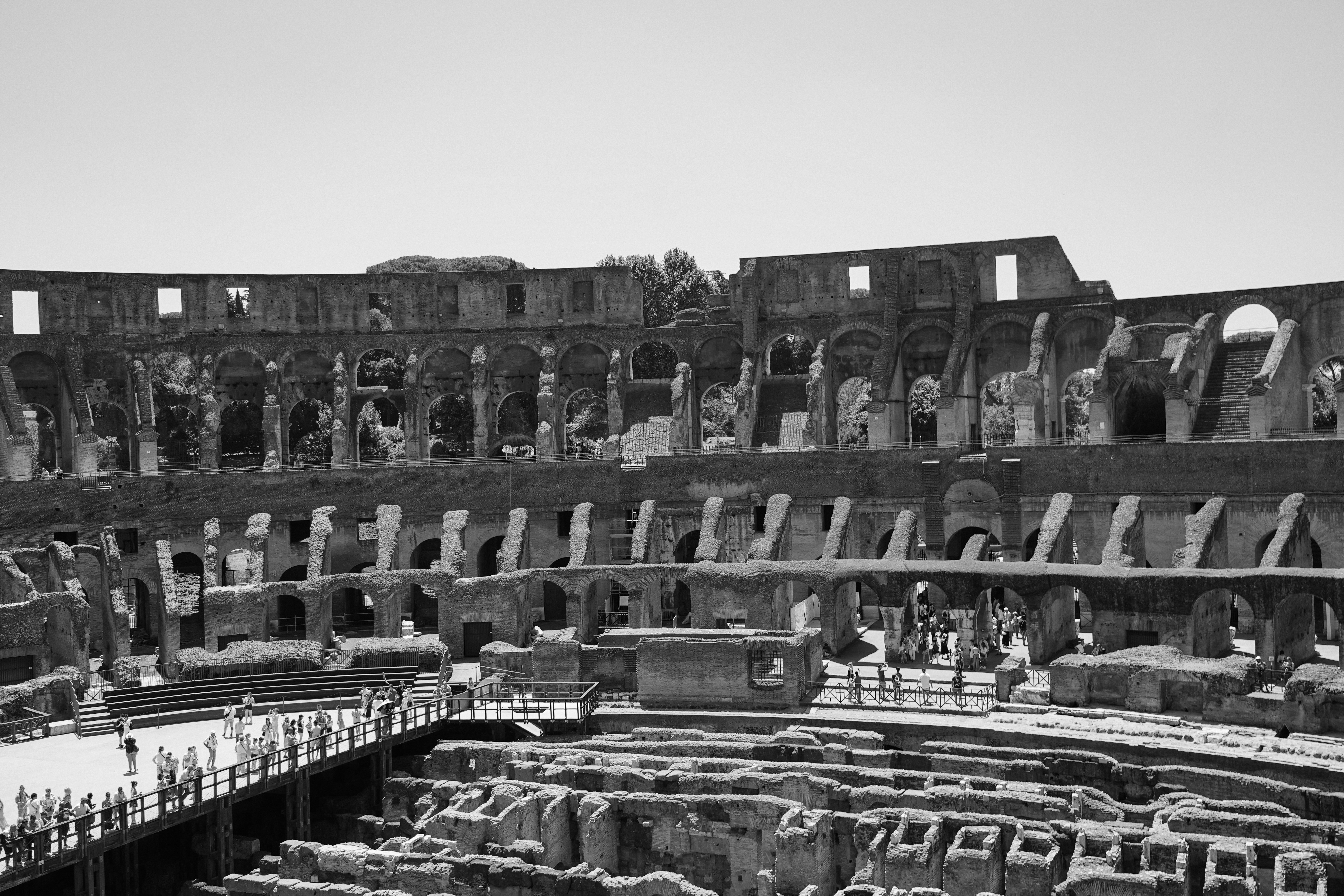
- MorningColosseum, Roman Forum and Palatine Hill~$27
- AfternoonLunch and Capitoline Hill~$25
- EveningMonti aperitivo and dinner~$35
ColosseoMontiCampidoglioWalk between ancient sites where possible. ATAC tickets cost €1.50 for 100 minutes, €8.50 for 24 hours, €15 for 48 hours, and €22 for 72 hours.
Budget$95Mid-range$190Luxury$470 - 3
Vatican Museums, St Peter’s & Prati
- MorningVatican Museums and Sistine Chapel~$30
- AfternoonSt Peter’s Basilica and Prati lunch~$30
- EveningTiber walk and Prati dinner~$40
Vatican CityPratiUse Rome Metro Line A to Ottaviano or Cipro. Arrive early for timed entry and allow extra time for security at St Peter’s Basilica.
Budget$105Mid-range$220Luxury$520 - 4
Choose a Day Trip: Florence, Pompeii or Ostia Antica
- MorningHigh-speed train and Florence highlights~$110
- AfternoonMuseum, historic center or Pompeii ruins~$45
- EveningDinner before returning to Rome~$35
Florence CentroPompeiiNaples Centro StoricoOstia AnticaFlorence high-speed trains take roughly 1.5 hours each way. Pompeii requires a high-speed train to Naples plus regional rail. Ostia Antica is the shortest and simplest alternative.
Budget$150Mid-range$280Luxury$600 - 5
Villa Borghese, Testaccio & Departure
- MorningVilla Borghese and Piazza del Popolo~$20
- AfternoonMarket shopping and final Roman lunch~$30
- EveningAirport transfer~$15
Villa BorgheseCampo MarzioTestaccioTerminiAllow 60–90 minutes to reach Fiumicino by road, or use the Leonardo Express from Termini for approximately €14. Confirm airport and train schedules before departure.
Budget$80Mid-range$175Luxury$400
Trip Summary
Trip starter
Turn this 5-day itinerary into a Hello trip
Start with a prefilled trip for Italy, then add dates, invite friends, track expenses, and pick an eSIM before you land.
Name and destination carried into the app.
Split costs and settle up during the trip.
Choose data for the destination before departure.
Italy in 5 Days: TL;DR
A five-day Italy travel plan works best when you focus on Rome, the country’s capital, rather than trying to combine distant cities. Base yourself in a walkable central neighborhood, visit ancient Rome and Vatican City, add a day trip to Florence or Pompeii, and leave time for relaxed meals. A realistic 2026 Italy 5 day trip costs about $650 per person on a budget, $1,350 mid-range, or $3,100 luxury, excluding international flights. Rome’s public transport remains good value: ATAC lists a 100-minute ticket at €1.50, a 24-hour pass at €8.50, and a 72-hour pass at €22. Italy welcomed 57.7 million international tourists in 2024, according to OECD data, so booking major attractions and accommodation early is especially important during spring, summer, and September.
Day 1 Italy Itinerary: Arrival, Centro Storico, and Trastevere
Spend your first day settling into Rome, then explore the historic center on foot before enjoying dinner in Trastevere; this gentle schedule minimizes transport stress while introducing you to the city’s most atmospheric streets and piazzas.
Morning: Arrive at Leonardo da Vinci–Fiumicino Airport and take the Leonardo Express to Roma Termini for approximately €14, or use a shared shuttle for roughly €7–15. A taxi to central Rome has a fixed fare of about €55, subject to current airport rules. Check in around Monti, Centro Storico, or Prati. Monti suits food lovers and first-time visitors, while Prati is quieter and convenient for the Vatican.
Afternoon: Walk from the Pantheon to Piazza Navona, toss a coin at the Trevi Fountain, and continue to the Spanish Steps. Allow €3–6 for coffee and gelato. Dress modestly if entering churches, and avoid sitting or eating directly on monument steps, where restrictions and fines may apply.
Evening: Cross the Tiber for aperitivo in Trastevere. Try supplì, cacio e pepe, or carbonara at a neighborhood trattoria; budget €18–30 for a casual dinner, €35–55 mid-range, or €80+ for a refined meal. Track shared restaurant bills in the Hello app, which can split expenses across currencies and automatically convert exchange rates.
Estimated daily cost: Budget $75, mid-range $165, luxury $390, including airport transfer, meals, local transport, and accommodation.
Day 2 Italy 5 Day Itinerary: Colosseum, Roman Forum, and Monti
Reserve Day 2 for ancient Rome, beginning with the Colosseum and Roman Forum in the morning, then pairing the ruins with Capitoline Hill and a relaxed evening in Monti for an efficient, history-rich day.
Morning: Book an official timed entry to the Colosseum, Roman Forum, and Palatine Hill for around €18–24 depending on the ticket type and any added experience. Start at 8:30 or 9:00 a.m. to avoid the strongest heat and largest crowds. Allow at least three hours, including security and walking between sites. Comfortable shoes are essential because the Forum has uneven stone paths.
Afternoon: Have lunch near Monti, where pizza al taglio, pasta, and panini typically cost €8–18. Walk toward Piazza Venezia and climb Capitoline Hill for city views. If museums interest you, reserve the Capitoline Museums; otherwise, use the afternoon for a slower coffee stop and the quieter lanes around San Clemente.
Evening: Return to Monti for aperitivo from approximately 6:00 p.m., followed by dinner. A budget meal may cost €15–25, while a mid-range trattoria dinner usually falls around €30–50 per person before drinks. Tipping is not mandatory, although rounding up or leaving a small amount is appreciated for good service.
ATAC’s official fares make a 24-hour transport ticket €8.50, while individual 100-minute tickets cost €1.50. Use public transport for longer hops, but walk between ancient sites whenever possible.
Estimated daily cost: Budget $95, mid-range $190, luxury $470.
Day 3 Italy Travel Plan: Vatican Museums, St Peter’s, and Prati
Visit Vatican City early on Day 3, combining a timed Vatican Museums entry with St Peter’s Basilica and an evening in Prati; advance booking is the best way to protect this day from long queues.
Morning: Take the metro to Ottaviano and arrive before a 9:00 a.m. Vatican Museums entry. Tickets are commonly around €20–25 before reservation fees, with guided tours costing substantially more. The museums, Sistine Chapel, and connected galleries can take three to four hours. The Sistine Chapel requires silence and prohibits photography, while shoulders and knees should be covered in religious spaces.
Afternoon: Eat in Prati rather than directly beside the Vatican. Expect €10–18 for pizza, a panino, or pasta at a casual restaurant. Visit St Peter’s Basilica, which generally has no standard entrance fee, although dome access costs extra and involves stairs or a lift supplement. Allow time for airport-style security.
Evening: Walk along the Tiber or enjoy dinner around Piazza Cavour. Try saltimbocca, artichokes when in season, or Roman-style pizza. Plan €20–30 for budget dining, €35–60 mid-range, and €90+ for luxury. Rome’s restaurants often serve dinner later than visitors expect, with many kitchens becoming busiest after 8:00 p.m.
A Hello eSIM can be activated before departure so maps, attraction confirmations, translation tools, and ride-hailing remain available after landing. See Hello eSIM for Italy for current plans, which start from 5GB and are priced live.
Estimated daily cost: Budget $105, mid-range $220, luxury $520.
Day 4 Italy 5 Day Trip: Choose Florence or Pompeii
Use Day 4 for one carefully chosen day trip: Florence is the easier option from Rome by high-speed train, while Pompeii provides a more archaeological experience but requires a longer, more complex journey.
| Day-trip option | Typical transport | Main highlights | Approximate day cost per person |
|---|---|---|---|
| Florence | €90–160 return train | Duomo exterior, Uffizi, Ponte Vecchio | $150–350 |
| Pompeii and Naples | €70–140 combined transport | Pompeii ruins, Naples pizza and historic center | $120–300 |
| Ostia Antica | €3–8 local transit | Ancient port ruins, less travel time | $70–180 |
Florence: Take an early Italo or Trenitalia high-speed train from Roma Termini; the journey is roughly 1.5 hours each way. Reserve the Uffizi or Accademia in advance, choose one major museum rather than rushing through both, and return to Rome after dinner.
Pompeii: Travel by high-speed train to Naples, then continue by regional rail to Pompeii. Check the final timetable before leaving, carry water, and wear sturdy footwear. In hot months, the exposed archaeological site can be exhausting.
Ostia Antica: This is the most relaxed alternative, taking less time and preserving an evening in Rome. It is ideal for travelers who dislike one-day marathons.
For expense sharing, the Hello app can scan receipts in different languages and currencies, import bank statements, categorize spending with AI, and divide group costs automatically. These features are useful when trains, museum tickets, and meals are purchased by different travelers.
Estimated daily cost: Florence budget $150, mid-range $280, luxury $600; Pompeii budget $125, mid-range $245, luxury $520.
Day 5 Italy Itinerary: Villa Borghese, Markets, and Departure
Finish a five-day Italy itinerary with a low-pressure morning in Villa Borghese, a final Roman meal, and departure logistics that leave enough time for airport security and possible rail or road delays.
Morning: Start with coffee and cornetto, then walk through Villa Borghese toward Piazza del Popolo. If you want one final museum, reserve the Borghese Gallery weeks ahead; timed entries are essential and commonly cost around €15–20 before fees. Otherwise, enjoy the park, viewpoints, and nearby streets of the elegant Campo Marzio neighborhood.
Afternoon: Shop for edible souvenirs at a market or specialty food store. A small bottle of olive oil, packaged pasta, or chocolate usually costs €5–20. Have lunch near Testaccio, known for Roman food traditions, or return to Monti for a convenient final meal costing €12–25 casually or €30–55 at a mid-range restaurant.
Evening: Collect luggage and allow approximately 45–60 minutes to reach Termini, or 60–90 minutes for Fiumicino depending on traffic. The Leonardo Express is predictable at about €14; a taxi to central Rome is commonly around €55. For an early flight, staying near Termini or the airport on the final night may be worth the convenience.
Before leaving, check your Hello app budget dashboard to review accommodation, attraction, food, and transport totals. Hello also supports voice expense entry and multi-currency tracking, making it easier to reconcile shared costs after the trip.
Estimated daily cost: Budget $80, mid-range $175, luxury $400.
Italy 5 Day Itinerary Costs, Neighborhoods, and Practical Tips
A comfortable Rome-focused Italy travel plan costs approximately $650 per person on a budget, $1,350 mid-range, or $3,100 luxury for five days, excluding international airfare; the largest variables are accommodation, day-trip tickets, and restaurant choices.
| Travel style | Accommodation per night | Food and activities per day | Five-day estimate |
|---|---|---|---|
| Budget | $45–90 | $35–70 | $650 |
| Mid-range | $130–240 | $75–140 | $1,350 |
| Luxury | $350–750+ | $180–350 | $3,100 |
Stay in Monti for atmosphere and central access, Prati for Vatican convenience and a calmer feel, Centro Storico for walking to major sights, or Trastevere for nightlife and restaurants. Book accommodation with air conditioning from June through September and verify whether the quoted rate includes Rome’s tourist tax.
Public transport is inexpensive, but validate paper tickets before boarding and keep digital tickets accessible. Rome’s historic core is often faster on foot than by bus. Wear shoes with firm soles, carry a refillable bottle, and expect some attractions to close or operate reduced hours on Mondays or religious holidays.
Italy uses the euro. Cards are widely accepted, although small cafés, markets, and neighborhood bars may prefer cash. Learn a few phrases—“buongiorno,” “per favore,” and “il conto, per favore”—and avoid ordering cappuccino as an after-dinner drink if you want to follow local habits. The Hello app is available on iOS and Android and combines planning, expense tracking, splitting, and connectivity in one travel companion.
Common Questions About an Italy 5 Day Trip
The best five-day Italy itinerary is a focused Rome trip with one optional day excursion, because concentrating on one base reduces hotel changes and protects time for the country’s major cultural sights.
Is five days enough for Italy? Five days is enough for an excellent Rome-centered trip, but not enough to see the entire country comfortably. Adding Florence and Venice would create long transfers and leave little time for exploration.
Should I visit Florence or Pompeii on Day 4? Choose Florence for art, architecture, and an easier high-speed train journey. Choose Pompeii for ancient history and a more dramatic archaeological experience. Ostia Antica is the best low-stress alternative.
How much money should I budget for five days in Rome? Plan around $650 budget, $1,350 mid-range, or $3,100 luxury per person, excluding international flights. Add extra funds for private guides, premium restaurants, shopping, and high-speed day-trip trains.
Where is the best area to stay in Rome? Monti is a strong all-round choice for first-time visitors. Prati suits Vatican-focused trips, Centro Storico maximizes walkability, and Trastevere works well for evening dining and nightlife.
Do I need mobile data in Italy? Mobile data is useful for maps, reservations, translation, transport updates, and digital tickets. An eSIM from Hello can be purchased and activated before departure, letting travelers arrive connected; current plans and coverage are available through Hello eSIM for Italy.
Can I track expenses with friends? Yes. Hello supports receipt scanning, voice entries, bank statement imports, automatic categorization, multi-currency conversion, and expense splitting, which is particularly helpful when one person pays for group dinners or attraction tickets.
Explore These Destinations
Stay Connected
Make the most of Italy
From eSIM connectivity to expense tracking, Hello is the all-in-one companion that keeps your trip stress-free.
Related Articles
Italy Currency & Money Guide: Exchange, Cards, and Tips
Currency exchange, credit card acceptance, ATM tips, tipping culture, and money-saving advice for Italy.
27 July 2026
Italy Safety Guide: Tips for a Safe Trip
Safety tips, health advisories, emergency contacts, common scams, and travel insurance advice for Italy.
18 July 2026
Italy Visa & Entry Requirements for Singapore Passport Holders
Visa requirements, passport validity, customs allowances, and entry tips for Singapore citizens travelling to Italy.
9 July 2026