Key Takeaways
- ✓Plan 3–5 days for a first Hong Kong trip, or 10 days for deeper exploration using the dedicated itineraries.
- ✓Visit in October–December or March–April for the most comfortable weather and fewer climate-related disruptions.
- ✓Use Hello eSIM for instant connectivity in 2026 and combine it with Hong Kong’s excellent public transport network.
- ✓Expect daily budgets from roughly HKD 500–800 (budget) to HKD 800–1,500 (mid-range), excluding flights.
- ✓Check your specific visa and entry requirements, following the Singapore-focused guide as a model for needed information.
- ✓Rely on the food, currency, and cultural cluster guides to eat confidently and navigate local customs with ease.
- ✓Use the safety cluster guide to stay informed about health, insurance, and common scams, especially as a solo traveller.
- ✓Follow the Before You Go checklist to organize documents, money, connectivity, and itineraries in Hello before departure.
Hong Kong is where neon-lit skyscrapers meet misty green peaks, Michelin-starred dim sum sits beside hole-in-the-wall cha chaan tengs, and ancient temples share space with super-efficient metros. This complete Hong Kong Travel Guide 2026 gathers everything you need: best time to visit, budgets, visas, transport, food, eSIM connectivity, and safety.
Think of this as your smart starting point. Each section gives you the big-picture overview, then points you to detailed cluster guides for deep dives—whether you’re planning a quick 3-day escape, a 10-day city immersion, or an extended stopover between Japan and Thailand. We’ll help you choose when to go, how much to budget, which neighbourhoods to stay in, and how to make the most of Hong Kong’s world-class public transport.
You’ll also find practical tools: comparison tables for weather and budgets, a “Before You Go” checklist, decision frameworks for choosing the right itinerary length, and clear advice on using Hello eSIM for seamless connectivity as of 2026. By the end, you’ll have a confident plan for your Hong Kong trip—and quick links to every detailed guide you need to fine-tune the details.
Why Visit Hong Kong in 2026
Hong Kong in 2026 is one of Asia’s most exciting city breaks: safe, efficient, packed with culture, and surprisingly flexible for different budgets, from street-food lovers to luxury hotel fans. It’s ideal as a standalone trip or a stopover paired with Japan or Thailand.
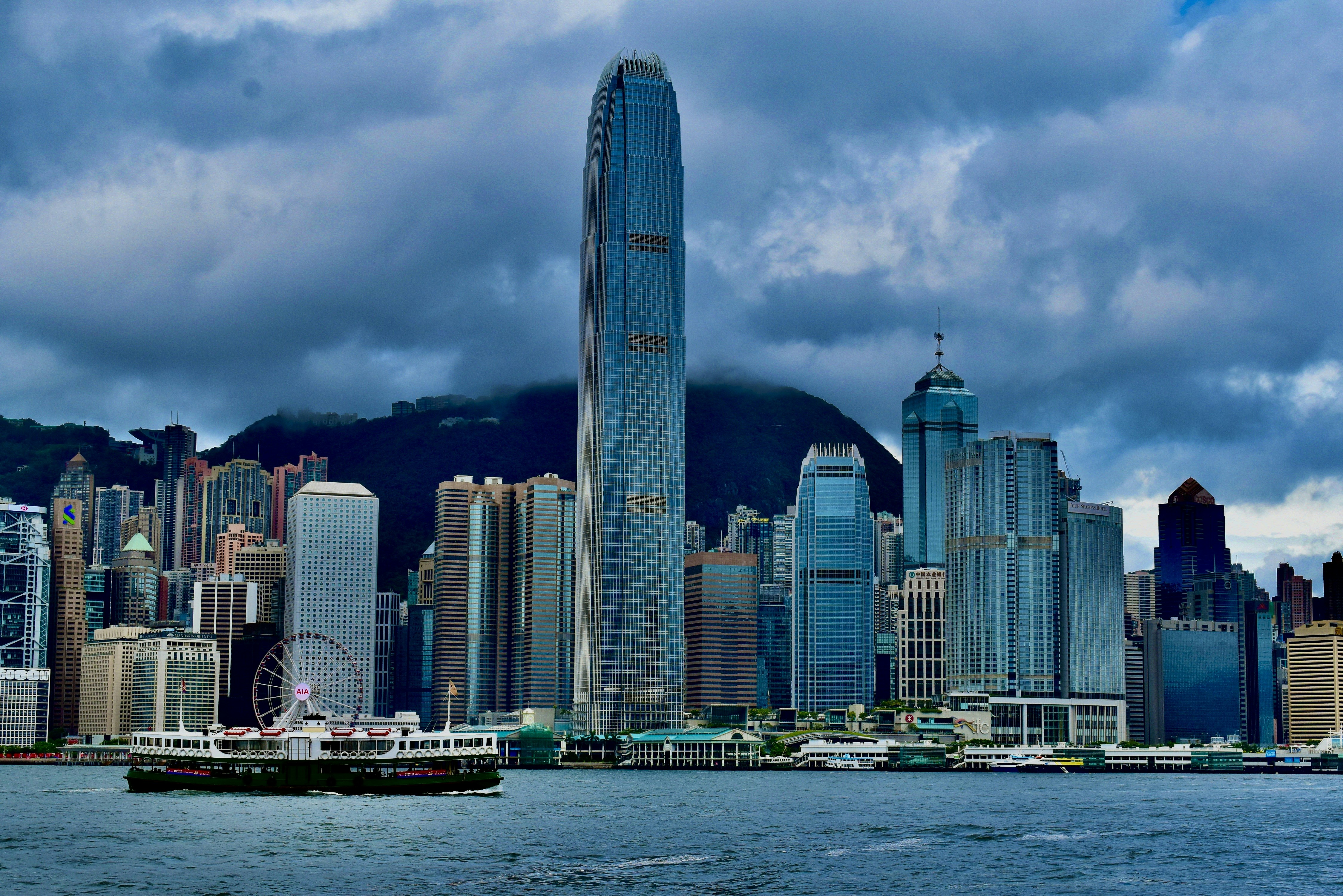
Hong Kong’s appeal is its contrasts. In a single day you can hike to a quiet viewpoint, ride a double-decker tram past century-old buildings, then end with cocktails overlooking Victoria Harbour. The city feels intense yet manageable—especially with a solid plan built from itineraries like 3 Days in Hong Kong: A Day-by-Day Itinerary, Hong Kong in 5 Days: The Perfect Extended Itinerary, and Hong Kong in 10 Days: The Ultimate Travel Itinerary.
For food, Hong Kong is a destination in its own right. The Hong Kong Food Guide: Must-Try Dishes, Prices, and Tips highlights everything from dim sum to roast goose, plus price ranges and dietary tips. Culture-wise, the Hong Kong Cultural Guide: Etiquette, Customs, and Tips helps you navigate local manners, gestures, and phrases so your trip feels more like connecting than just consuming.
Planning-wise, Hong Kong is easy: excellent public transport, widespread card payments, and fast mobile data with Hello eSIM. Use this pillar guide as your compass, then dive into cluster articles for the fine-grain details on budgets, transport, safety, and day-by-day routes.
3 Days in Hong Kong: A Day-by-Day Itinerary
ItinerariesHong Kong in 5 Days: The Perfect Extended Itinerary
ItinerariesHong Kong in 10 Days: The Ultimate Travel Itinerary
Food & DiningHong Kong Food Guide: Must-Try Dishes, Prices, and Tips
Cultural GuideHong Kong Cultural Guide: Etiquette, Customs, and Tips
Safety & HealthHong Kong Safety Guide: Tips for a Safe Trip
Best Time to Visit Hong Kong
The best time to visit Hong Kong is generally October–December for clear skies, pleasant temperatures, and lower humidity, with March–April also excellent for mild weather and blooming hillsides. Summer can be fun but is hot, humid, and more prone to typhoons.
Hong Kong has a subtropical climate, so your experience changes significantly by season. Spring (March–May) brings mild temperatures and some rain; summer (June–August) is hot, humid, and stormy; autumn (September–November) is dry and comfortable; and winter (December–February) is cool but rarely truly cold. Use this overview to choose your month, then build your detailed plan with itineraries like Hong Kong in 5 Days: The Perfect Extended Itinerary and Hong Kong in 10 Days: The Ultimate Travel Itinerary.
Weather by season (at a glance, typical ranges as of 2026):
| Season (Months) | Avg Temp (°C) | Rainfall | Humidity | Pros | Cons |
|---|---|---|---|---|---|
| Spring (Mar–May) | 18–26 | Moderate | High | Green hills, shoulder season | Occasional fog/rain |
| Summer (Jun–Aug) | 26–32 | High | Very high | Beach weather, long days | Heat, humidity, typhoons |
| Autumn (Sep–Nov) | 22–28 | Low–moderate | Moderate | Best overall comfort | Early Sep still humid |
| Winter (Dec–Feb) | 14–20 | Low | Moderate | Cool, clear, festive | Can feel chilly indoors |
For shorter trips, align your visit with key events or festivals. The 3 Days in Hong Kong: A Day-by-Day Itinerary and Hong Kong Cultural Guide: Etiquette, Customs, and Tips are helpful for timing your visit around Chinese New Year, Mid-Autumn Festival, or major shopping seasons.
Budget Overview: How Much Does Hong Kong Cost?
Hong Kong can be surprisingly flexible: as of 2026, expect roughly HKD 500–800 per day on a tight budget, HKD 800–1,500 for mid-range comfort, and HKD 1,500+ for luxury, excluding flights. Your biggest cost levers are accommodation, dining style, and activities.
The Hong Kong Travel Budget Guide: Daily Costs and Money Tips breaks down typical spending in detail—covering meals, attractions, transport, and daily averages for backpacker, mid-range, and upscale travellers. Pair that with the Hong Kong Currency & Money Guide: Exchange, Cards, and Tips to understand how to pay, withdraw cash, and save on fees.
Here’s an at-a-glance comparison to help you choose your travel style:
| Style | Daily Budget (HKD, excl. flights) | Accommodation | Food | Activities |
|---|---|---|---|---|
| Budget | 500–800 | Hostel, basic guesthouse | Street food, cha chaan tengs | Free views, markets, cheap ferries |
| Mid-range | 800–1,500 | 3–4★ hotels, boutique stays | Mix of local spots & casual restaurants | Major attractions, some paid rooftop bars |
| Luxury | 1,500–3,000+ | 5★ hotels, harbour-view suites | Fine dining, Michelin-starred venues | Private tours, premium spa, high-end shopping |
Decision tip: if you’re on a shorter visit (3–5 days), you might upgrade accommodation and food since fixed costs like flights are spread over fewer days. For longer stays (7–10+ days), following itineraries like Hong Kong in 10 Days: The Ultimate Travel Itinerary with more budget-conscious dining and free hikes can keep overall costs manageable.
Visa & Entry: Who Can Visit Hong Kong Easily?
As of 2026, many nationalities enjoy visa-free entry to Hong Kong for short stays, including Singapore passport holders, who typically receive up to 90 days. Always check current requirements before travel and ensure your passport has sufficient validity.
The dedicated Hong Kong Visa & Entry Requirements for Singapore Passport Holders guide explains in detail how long Singapore citizens can stay, passport validity rules, customs allowances, and practical tips for clearing immigration smoothly. Even if you’re not from Singapore, the structure of that guide gives a good sense of what to check for your own nationality.
At a high level, you’ll want to confirm:
- Whether you’re eligible for visa-free entry or need to apply in advance.
- Minimum passport validity (often at least 6 months from entry date as a safe rule).
- Proof-of-onward-travel and accommodation requirements.
- Customs rules for alcohol, tobacco, and duty-free goods.
A simple pre-trip decision framework:
- Check nationality: Visit your government’s travel advice and Hong Kong immigration information.
- Confirm length of stay: Match your plans with permitted duration.
- Review documents: Passport validity, return/onward tickets, hotel bookings, insurance.
- Understand customs: Especially if carrying medication, large electronics, or high-value goods.
For Singapore travellers, rely on the step-by-step walkthrough in the Hong Kong Visa & Entry Requirements for Singapore Passport Holders to ensure you’re fully prepared before you fly.
Getting Around Hong Kong: Transport Made Easy
Getting around Hong Kong is straightforward and efficient: the MTR metro, buses, trams, ferries, and taxis cover almost everywhere a visitor needs to go. As of 2026, you can rely on public transport for nearly all sightseeing without needing to drive.
The Getting Around Hong Kong: Transport Guide for Travellers gives detailed, mode-by-mode explanations: airport transfers, Octopus cards, MTR lines, buses, trams, taxis, ride-hailing apps, and even driving tips if you’re considering a car. Use this pillar section as your quick orientation, then dive into that guide when you start building specific daily routes.
For most visitors, a simple transport strategy works best:
- Airport to city: Use the Airport Express or airport buses, depending on budget and hotel location.
- Within urban areas: MTR for speed; buses and trams for scenic routes and short hops.
- Harbour crossings: The Star Ferry offers a cheap, iconic way to cross between Kowloon and Hong Kong Island.
- Late-night travel: Taxis supplement the reduced late-night public transport.
When you’re planning day-by-day movements in itineraries like 3 Days in Hong Kong: A Day-by-Day Itinerary or Hong Kong in 5 Days: The Perfect Extended Itinerary, combine the practical details from the transport guide with your accommodation location. Hello’s trip planning and expense splitting features can help you track shared costs for taxis or airport transfers with friends.
Food & Dining: Eating Your Way Through Hong Kong
Hong Kong is a food lover’s dream, from budget-friendly street eats and local cha chaan tengs to Michelin-starred tasting menus. As of 2026, you can eat very well on any budget if you mix local spots with occasional splurges.
Start with the Hong Kong Food Guide: Must-Try Dishes, Prices, and Tips, which lists essential dishes—dim sum, wonton noodles, roast goose, egg tarts—and explains typical prices at different types of venues. It also covers dietary considerations, vegetarian options, and food safety tips so you can eat confidently.
A helpful way to plan your food days:
- Breakfast: Try local bakery snacks or cha chaan teng sets.
- Lunch: Aim for dim sum or noodle shops in busy commercial districts.
- Afternoon: Explore street snacks in markets or café breaks.
- Dinner: Alternate between simple local joints and one or two “destination” restaurants.
Use itineraries like 3 Days in Hong Kong: A Day-by-Day Itinerary and Hong Kong in 10 Days: The Ultimate Travel Itinerary to anchor your eating plans around neighborhoods—Mong Kok for street food, Central for upscale spots, Tsim Sha Tsui for harbour-view dining.
For payments, the Hong Kong Currency & Money Guide: Exchange, Cards, and Tips explains when you’ll need cash vs. cards, and how to avoid unnecessary fees. Combine this with Hello’s expense tracking to stay on top of food costs when you’re sharing meals with friends.
Top Experiences & Itinerary Planning
Hong Kong’s top experiences range from skyline views and island escapes to markets, temples, and food adventures. The right itinerary length—3, 5, or 10 days—depends on how deeply you want to explore beyond the classic highlights.
Three key cluster itineraries help you choose:
- 3 Days in Hong Kong: A Day-by-Day Itinerary for a focused city break hitting major sights.
- Hong Kong in 5 Days: The Perfect Extended Itinerary for a mix of urban and nature.
- Hong Kong in 10 Days: The Ultimate Travel Itinerary for deeper exploration and side trips.
Use this simple decision framework:
- Choose 3 days if you mainly want the classic highlights: Victoria Peak, Tsim Sha Tsui promenade, Mong Kok markets, a dim sum feast, and perhaps a half-day on Lantau Island.
- Choose 5 days if you also want beach time, more hikes, and neighborhood wandering—great if you’re pairing Hong Kong with Japan or Thailand.
- Choose 10 days if Hong Kong is your main destination and you enjoy slower travel, repeat visits to favorite areas, and discovering lesser-known temples and islands.
Within each length, anchor your plan around a few “musts” (Peak view, harbour at night, at least one hike, at least one island or outlying area), then allow for flexible time exploring markets and food streets. The Hong Kong Cultural Guide: Etiquette, Customs, and Tips adds context that can transform these experiences from mere sightseeing into genuine cultural encounters.
eSIM Connectivity in Hong Kong (Hello eSIM)
Staying connected in Hong Kong is easy in 2026, and using Hello eSIM gives you instant mobile data on arrival without hunting for physical SIM cards or dealing with paper forms. Coverage is strong across urban areas and most popular tourist spots.
The dedicated eSIM for Hong Kong: Best Plans, Coverage, and Setup Tips explains in detail how Hello eSIM works for Hong Kong: which data packages to choose, how to activate before you fly, and what kind of speeds and coverage to expect across the city. It includes setup walkthroughs and troubleshooting tips so you can be online quickly.
A simple connectivity strategy:
- Before departure: Purchase and install your Hello eSIM within the app, following the Hong Kong-specific instructions in the guide.
- On arrival: Activate data at the airport, then use maps and ride-hailing immediately.
- During your stay: Track data usage within Hello, and top up if needed.
Hello also supports trip planning and expense splitting, making it a central tool for your Hong Kong journey. Combine Hello eSIM with the Getting Around Hong Kong: Transport Guide for Travellers to navigate the MTR, buses, and ferries more confidently, and with the Hong Kong Safety Guide: Tips for a Safe Trip to ensure you have emergency numbers and insurance details at your fingertips.
Culture, Safety & Everyday Practicalities
Hong Kong is generally safe, well-organized, and welcoming in 2026, with clear signage, good English usage in tourist areas, and a strong public transport network. Understanding a bit of local culture and safety basics will make daily life smoother.
Start with the Hong Kong Cultural Guide: Etiquette, Customs, and Tips, which explains greetings, table manners, dress expectations, and simple phrases that show respect. It also covers how to behave in temples, markets, and residential neighborhoods.
On safety, the Hong Kong Safety Guide: Tips for a Safe Trip details common scams to watch for, how to safeguard belongings in crowded areas, health advisories, and why travel insurance is still worth having even in a relatively safe destination.
Everyday practical tips:
- Money: The Hong Kong Currency & Money Guide: Exchange, Cards, and Tips explains when you’ll need cash, how ATMs work, and card acceptance.
- Language: Cantonese is widely spoken, but English signage and service are common in central areas.
- Crowds: Expect busy streets and transport during rush hours; plan major inter-district moves outside peak times.
- Weather: Carry an umbrella or compact rain jacket, especially in summer and during shoulder seasons.
Combine these cultural and safety insights with your chosen itinerary (3 Days, 5 Days, or 10 Days) so that you’re not just seeing Hong Kong, but moving through it confidently and respectfully.
Hong Kong Cultural Guide: Etiquette, Customs, and Tips
Safety & HealthHong Kong Safety Guide: Tips for a Safe Trip
Currency & MoneyHong Kong Currency & Money Guide: Exchange, Cards, and Tips
Itineraries3 Days in Hong Kong: A Day-by-Day Itinerary
ItinerariesHong Kong in 5 Days: The Perfect Extended Itinerary
ItinerariesHong Kong in 10 Days: The Ultimate Travel Itinerary
Before You Go: Pre-Trip Checklist for Hong Kong
A smart pre-trip checklist keeps your Hong Kong journey smooth from the moment you land. As of 2026, focus on documents, money, connectivity, health, and basic trip structure—most logistics can be handled online ahead of time.
Use this section as a master checklist, then refer to detailed guides for each topic:
Documents & entry
- Check visa-free status and stay length; Singaporeans can follow Hong Kong Visa & Entry Requirements for Singapore Passport Holders.
- Ensure your passport meets validity requirements (commonly 6+ months).
- Prepare proof of onward travel and accommodation.
Money & budget
- Decide on daily budget style using the Hong Kong Travel Budget Guide: Daily Costs and Money Tips.
- Review payment options and exchange strategies via Hong Kong Currency & Money Guide: Exchange, Cards, and Tips.
Connectivity & apps
- Install Hello and purchase your Hello eSIM using eSIM for Hong Kong: Best Plans, Coverage, and Setup Tips.
- Set up trip planning and expense splitting with your travel group.
Itinerary & transport
- Choose your core plan: 3 Days, 5 Days, or 10 Days.
- Read Getting Around Hong Kong: Transport Guide for Travellers to understand Airport Express, Octopus cards, and major routes.
Health & safety
- Review Hong Kong Safety Guide: Tips for a Safe Trip for insurance, emergency numbers, and common scams.
- Pack any necessary medications and check your government’s health advisories.
Tick these off in Hello’s trip planner so you have a clear, centralized record of your preparations.
Hong Kong Visa & Entry Requirements for Singapore Passport Holders
Budget PlanningHong Kong Travel Budget Guide: Daily Costs and Money Tips
Currency & MoneyHong Kong Currency & Money Guide: Exchange, Cards, and Tips
eSIM & ConnectivityeSIM for Hong Kong: Best Plans, Coverage, and Setup Tips
Getting AroundGetting Around Hong Kong: Transport Guide for Travellers
Safety & HealthHong Kong Safety Guide: Tips for a Safe Trip
Itineraries3 Days in Hong Kong: A Day-by-Day Itinerary
ItinerariesHong Kong in 5 Days: The Perfect Extended Itinerary
ItinerariesHong Kong in 10 Days: The Ultimate Travel Itinerary
Quick Decision Tools: Weather, Budget & Length of Stay
If you’re unsure when to go, how much to spend, or how long to stay in Hong Kong, a few quick comparison tools make the decision easier. As of 2026, think in terms of weather comfort, your budget style, and how deeply you like to explore cities.
1. Trip length vs travel style
| Trip Length | Best For | Typical Daily Budget (HKD) | Key Guides |
|---|---|---|---|
| 3 days | First-timers, stopovers | 800–1,500 | 3 Days in Hong Kong: A Day-by-Day Itinerary |
| 5 days | Balanced city + nature | 700–1,400 | Hong Kong in 5 Days: The Perfect Extended Itinerary |
| 10 days | Deep exploration | 600–1,300 | Hong Kong in 10 Days: The Ultimate Travel Itinerary |
2. Weather vs preferences
- Prefer cooler, clearer days → Aim for Oct–Dec.
- Don’t mind heat, love beaches → Jun–Aug, but plan for rain.
- Want fewer crowds and decent weather → Mar–May or late Sep.
Align this with your budget using the Hong Kong Travel Budget Guide: Daily Costs and Money Tips and manage your spending with Hello’s budget tracking. For real-time navigation and plans that adapt to weather, combine Hello eSIM (see eSIM for Hong Kong: Best Plans, Coverage, and Setup Tips) with local transport know-how from Getting Around Hong Kong: Transport Guide for Travellers. This way, last-minute decisions—like swapping a hike for a museum on a rainy day—are simple and low-stress.
3 Days in Hong Kong: A Day-by-Day Itinerary
ItinerariesHong Kong in 5 Days: The Perfect Extended Itinerary
ItinerariesHong Kong in 10 Days: The Ultimate Travel Itinerary
Budget PlanningHong Kong Travel Budget Guide: Daily Costs and Money Tips
eSIM & ConnectivityeSIM for Hong Kong: Best Plans, Coverage, and Setup Tips
Getting AroundGetting Around Hong Kong: Transport Guide for Travellers
Frequently Asked Questions
How many days do I need in Hong Kong for a first visit?
For a first visit, 3–5 days is ideal. Three days lets you see the main highlights—Victoria Peak, Tsim Sha Tsui, Mong Kok markets, and a taste of Lantau Island—using the 3 Days in Hong Kong: A Day-by-Day Itinerary. Five days, as in Hong Kong in 5 Days: The Perfect Extended Itinerary, adds more hikes, island time, and neighborhood wandering without feeling rushed.
Is Hong Kong expensive to visit in 2026?
Compared with many Asian cities, Hong Kong is on the pricier side, especially for accommodation, but you can still travel comfortably on a budget if you use local eateries and public transport. As of 2026, expect roughly HKD 500–800 per day for budget travel and HKD 800–1,500 for mid-range, according to the Hong Kong Travel Budget Guide: Daily Costs and Money Tips. The Hong Kong Currency & Money Guide: Exchange, Cards, and Tips helps you minimize fees and manage cash vs. cards.
Do I need a visa to visit Hong Kong?
Many nationalities enjoy visa-free entry to Hong Kong for short stays, but rules vary. Singapore passport holders, for example, typically receive visa-free entry for up to 90 days, as explained in Hong Kong Visa & Entry Requirements for Singapore Passport Holders. Always check current requirements and passport validity for your specific nationality with official sources before travel.
Is Hong Kong safe for solo travellers?
Yes, Hong Kong is generally considered safe for solo travellers, including at night in busy central areas, as long as you follow common-sense precautions. The Hong Kong Safety Guide: Tips for a Safe Trip outlines key advice: watching for pickpockets in crowded markets, avoiding unlicensed taxis, carrying travel insurance, and knowing essential emergency contacts. Solo travellers often appreciate the reliable public transport and clear signage.
What’s the best way to get around Hong Kong without driving?
You won’t need a car in Hong Kong. The MTR metro, buses, trams, ferries, and taxis make getting around simple and efficient, even for first-time visitors. The Getting Around Hong Kong: Transport Guide for Travellers explains each mode, how to use Octopus cards, and the best routes from the airport to major tourist areas. With Hello eSIM for navigation, you can rely entirely on public transit and occasional taxis.
How should I stay connected in Hong Kong in 2026?
In 2026, the easiest option is to use Hello eSIM, which lets you activate mobile data for Hong Kong instantly without visiting a phone shop. The eSIM for Hong Kong: Best Plans, Coverage, and Setup Tips covers recommended data plans, activation steps, and coverage details. Once set up, Hello also helps with trip planning and expense splitting, so your whole group can stay coordinated and online throughout the trip.
What are the must-try foods in Hong Kong?
Signature Hong Kong foods include dim sum (especially har gow and siu mai), wonton noodles, roast goose, char siu (barbecued pork), claypot rice, egg tarts, and milk tea. The Hong Kong Food Guide: Must-Try Dishes, Prices, and Tips lists these dishes with typical prices, where to find them, and how to balance street food, local cha chaan tengs, and higher-end restaurants in your itinerary.
eSIM Plans for Hong Kong
Detailed Articles
Dive deeper into specific topics covered in this guide.
3 Days in Hong Kong: A Day-by-Day Itinerary
A detailed 3-day itinerary for Hong Kong with daily activities, costs, neighborhoods, and transport tips.
11 June 2026
Hong Kong in 5 Days: The Perfect Extended Itinerary
A detailed 5-day itinerary for Hong Kong with daily activities, costs, neighborhoods, and transport tips for an extended stay.
6 May 2026
Hong Kong in 10 Days: The Ultimate Travel Itinerary
A comprehensive 10-day itinerary for Hong Kong covering top attractions, hidden gems, daily costs, and transport between cities.
20 June 2026
Hong Kong Food Guide: Must-Try Dishes, Prices, and Tips
Best local dishes, street food, restaurant prices, dietary options, and food safety tips for Hong Kong.
16 May 2026
Hong Kong Cultural Guide: Etiquette, Customs, and Tips
Essential do's and don'ts, greeting customs, dress codes, local phrases, and cultural tips for Hong Kong.
3 June 2026
Hong Kong Safety Guide: Tips for a Safe Trip
Safety tips, health advisories, emergency contacts, common scams, and travel insurance advice for Hong Kong.
18 July 2026
Hong Kong Travel Budget Guide: Daily Costs and Money Tips
How much does it cost to travel in Hong Kong? Daily budget breakdowns for budget, mid-range, and luxury travellers.
25 February 2026
Hong Kong Currency & Money Guide: Exchange, Cards, and Tips
Currency exchange, credit card acceptance, ATM tips, tipping culture, and money-saving advice for Hong Kong.
27 July 2026
More Travel Guides
Destination Guide
Complete Azores Travel Guide 2026
Everything you need to know about travelling to Azores — budget, visa, food, transport, eSIM connectivity, and itineraries.
Destination Guide
Complete Madeira Travel Guide 2026
Everything you need to know about travelling to Madeira — budget, visa, food, transport, eSIM connectivity, and itineraries.
Destination Guide
Complete Canary Islands Travel Guide 2026
Everything you need to know about travelling to Canary Islands — budget, visa, food, transport, eSIM connectivity, and itineraries.
Destination Guide
Complete Puerto Rico Travel Guide 2026
Everything you need to know about travelling to Puerto Rico — budget, visa, food, transport, eSIM connectivity, and itineraries.