Getting Around Hong Kong: Transport Guide for Travellers
Airport transfers, public transport, ride-hailing apps, inter-city travel, and driving tips for Hong Kong.
By Hello Travel Team
This article contains affiliate links. If you book through them, Hello may earn a commission at no additional cost to you. Our editorial recommendations are independent. Learn more.
TL;DR: How to Get Around Hong Kong Efficiently in 2026
Getting around Hong Kong is fast, safe, and straightforward thanks to excellent public transport, easy airport transfers, and contactless payments like the Octopus card; most visitors rely on the Airport Express, MTR, buses, and taxis, with ride-hailing and ferries for added flexibility.
In 2026, expect to pay around HK$120–130 for the Airport Express to Central, HK$300–450 for a taxi from the airport to Hong Kong Island, and HK$6–15 per typical MTR ride, making public transport the best value for most travellers. With dense coverage, clear English signage, and late-night services, you rarely need a car.
For smooth navigation, mobile data is essential—especially if you’ll be using map apps, ride-hailing, or checking live timetables. An eSIM from Hello lets you arrive in Hong Kong already connected, so you can buy Octopus credit, order a taxi, or message your accommodation without hunting for Wi‑Fi.
If you plan inter-city trips to places like Shenzhen, Guangzhou, or Macau, Hong Kong’s high-speed trains and ferries make cross-border travel easy to add to your itinerary. Hello’s budget tracking and expense splitting can help you keep all these transport costs organised when travelling with friends.
Hong Kong Airport Transfers: Airport Express, Bus, and Taxi Costs
The quickest way from Hong Kong International Airport to Central in 2026 is the Airport Express, which costs around HK$120 with Octopus or HK$130 with a single ticket and takes about 24 minutes, while taxis cost roughly HK$300–450 including tunnel tolls and take 35–55 minutes depending on traffic.
The Airport Express is the flagship Hong Kong airport transfer, running every 10–12 minutes from early morning until after midnight between the airport and Hong Kong Station, with stops at Tsing Yi and Kowloon. As of mid‑2025 fare adjustments, adult Octopus fares are HK$120 to Hong Kong Station, HK$105 to Kowloon, and HK$73 to Tsing Yi, with single-journey tickets a bit higher (HK$130, HK$115, and HK$80 respectively). These prices remain the reference point for 2026.
For budget travellers, Airport Buses (A and E routes) link the airport to major areas like Central, Wan Chai, Mong Kok, and Tsim Sha Tsui for roughly HK$40–50 per ride in 2026, but expect 45–70 minutes of travel time, especially at peak hours. Buses are comfortable, air-conditioned, and luggage-friendly, making them popular for those staying near a direct route.
Taxis from the airport split into red (urban), green (New Territories), and blue (Lantau) fleets. A typical red taxi from HKG to Central on Hong Kong Island costs about HK$380–450 in 2026, including harbour tunnel tolls, while Kowloon hotels usually fall in the HK$280–380 range. Metered fares start around HK$27 plus distance and time charges.
If you’re coordinating arrivals with friends or splitting a taxi, Hello’s expense splitting and multi‑currency features make it easy to divide that HK$400 taxi fare fairly, even if someone reimburses in another currency.
Using Hong Kong Public Transport: MTR, Buses, Trams, and Octopus Card
Hong Kong’s public transport system is one of the most efficient in Asia, with the MTR, buses, trams, and ferries covering almost every neighbourhood; most rides cost between HK$6–15 in 2026 when paid with an Octopus card, making it the cheapest and easiest way to get around Hong Kong.
The backbone of Hong Kong public transport is the MTR (Mass Transit Railway), a clean and punctual metro network reaching Hong Kong Island, Kowloon, the New Territories, and the airport via the Airport Express. Standard urban trips—such as Central to Causeway Bay or Tsim Sha Tsui to Mong Kok—usually cost under HK$10–15 in 2026, with trains running every 2–5 minutes.
The Octopus card is your essential Hong Kong transport tool. Tourists can buy a sold Tourist Octopus or standard Adult Octopus, which typically includes a card fee (around HK$50) plus stored value that you top up as needed; Octopus can be used on MTR, buses, trams, ferries, and even convenience stores and cafes. According to Octopus’ own tourist information, some Tourist Octopus cards are sold without initial stored value, so you may need to add credit before the first ride.
Alongside the metro, Hong Kong’s bus network reaches hillsides, suburbs, and late-night routes. Fares vary by distance but commonly range from HK$5–12 within urban areas. On Hong Kong Island, the iconic ding ding trams are a charming and ultra‑cheap way to move between Kennedy Town, Central, Wan Chai, and Causeway Bay, typically for under HK$3 per ride.
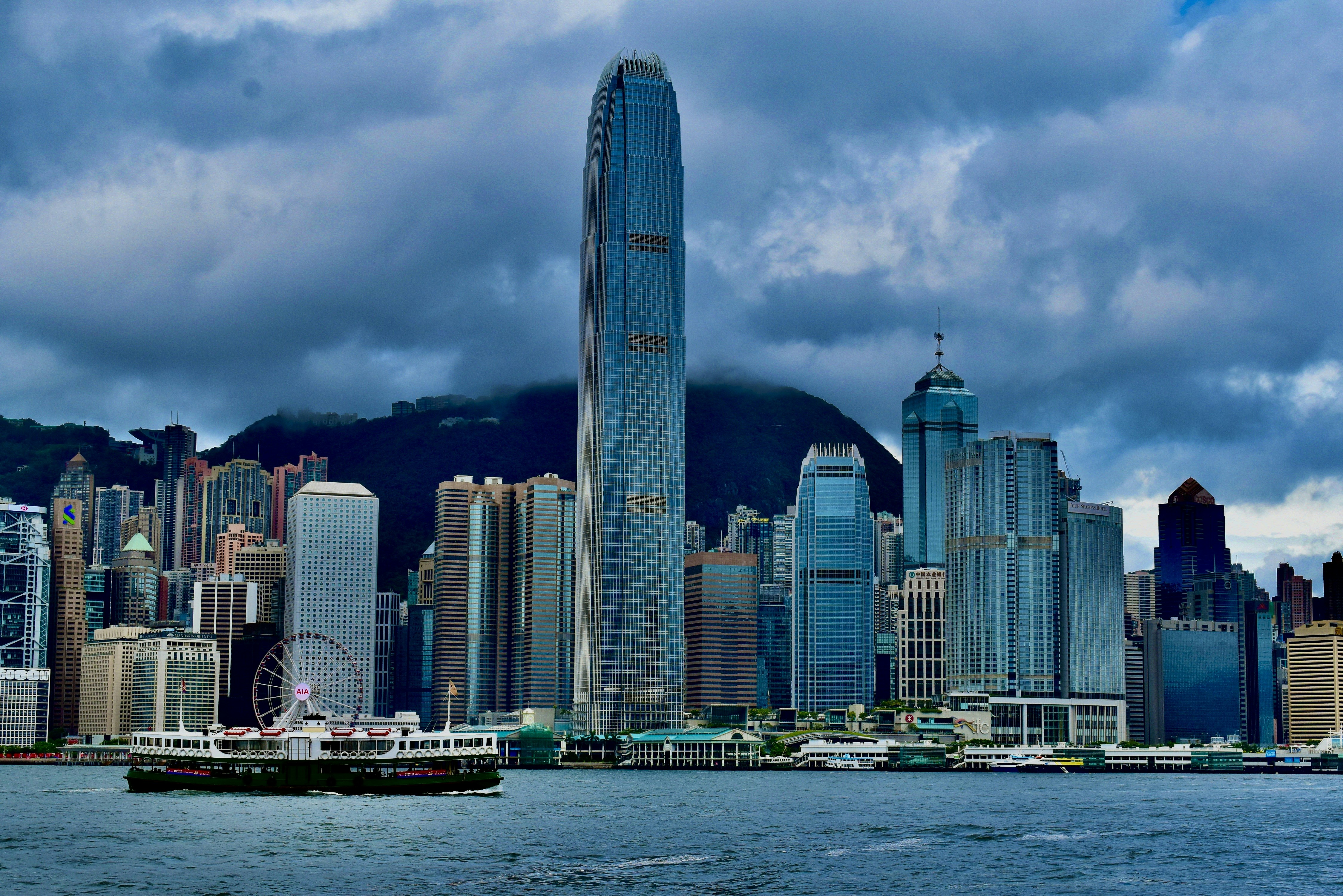
Ferries, like the famous Star Ferry between Central and Tsim Sha Tsui, offer short harbour crossings for under HK$5–8 in 2026 and double as budget-friendly sightseeing. All major services have English signage and announcements, and mobile maps plus Hello’s trip planning tools can help you visualise route options before you tap in.
Hong Kong Transport Prices and Passes: Comparing Options for Travellers
For most visitors, single journeys paid with an Octopus card are cheaper and more flexible than fixed transport passes; typical MTR rides cost HK$6–15, the Airport Express HK$120–130, and buses HK$5–12 in 2026, so a daily spend of HK$40–80 on public transport is common.
Unlike some cities that push tourists into fixed unlimited ride passes, Hong Kong’s pay‑as‑you‑go model works better for most itineraries. The Octopus system gives you local prices on almost all transport modes, and there are occasional promotions (such as same‑day return deals on the Airport Express) but no widely used citywide tourist pass.
Here’s a simple comparison of popular options:
| Option | Best For | 2026 Typical Cost |
|---|---|---|
| Airport Express (Airport ↔ Hong Kong Station) | Fastest airport transfer | HK$120 with Octopus, HK$130 single ticket, 24 minutes |
| Airport Bus (A routes) | Budget airport transfer | HK$40–50 per trip, 45–70 minutes |
| Urban MTR ride | Everyday city travel | Usually HK$6–15 per ride depending on distance |
| Star Ferry (Central ↔ Tsim Sha Tsui) | Scenic harbour crossing | Around HK$5–8 per crossing |
| Urban taxi ride | Late-night or door‑to‑door | HK$40–120 for most inner‑city trips |
If you tend to stay in a compact area like Central, Sheung Wan, Tsim Sha Tsui, or Mong Kok, your daily transport costs may be closer to HK$30–50. Those exploring outlying areas such as Sai Kung, Stanley, or Lantau Island will use more buses and ferries, pushing daily totals towards HK$70–100.
To keep an eye on your spending, Hello’s budget tracking and AI‑powered categorisation can log your transport costs automatically from receipts or bank exports, so you’ll know whether the Airport Express or bus plus dumpling stop really fits your travel budget.
Ride-Hailing, Taxis, and Mobile Connectivity in Hong Kong
In Hong Kong, taxis are everywhere while ride-hailing operates in a more limited but growing way; expect HK$40–120 for typical city rides and HK$300–450 from the airport to Central in 2026, and make sure you have mobile data to use navigation and ride-hailing apps comfortably.
Taxis remain the dominant on‑demand transport option. Red taxis cover most urban areas (Hong Kong Island and Kowloon), green taxis serve the New Territories, and blue taxis focus on Lantau Island, including the airport and Tung Chung. Fares are metered, with a starting fee around HK$27 and incremental charges per 200 metres or per minute of waiting; short hops within Central or Tsim Sha Tsui often run HK$40–70, while cross‑harbour trips can reach HK$80–120 including tunnel tolls.
Ride-hailing apps operate alongside taxis, typically focusing on private hire cars and sometimes partnering with licensed fleets. Availability is best in dense urban districts like Central, Wan Chai, Causeway Bay, Tsim Sha Tsui, and Mong Kok, and slightly thinner late at night or in more suburban areas. As in many global cities, prices can fluctuate with demand, but they broadly track or slightly exceed standard taxi fares.
Whichever you choose, mobile connectivity is essential: you will need data to pinpoint pickup locations, track drivers, and share rides with friends. With Hello’s eSIM plans for Hong Kong, you can activate 5GB+ of data before you land and be online as soon as you switch off flight mode at HKG, avoiding the scramble for airport Wi‑Fi.
For groups, Hello’s expense splitting tools are helpful when sharing taxis or ride-hails: one person can pay the full HK$380 airport fare, snap the receipt, and let the app calculate fair splits in multiple currencies automatically.
Inter-City Travel from Hong Kong: Trains, Ferries, and Cross-Border Trips
From Hong Kong, it’s easy to connect to mainland China and Macau via high-speed trains, cross-border buses, and ferries, with typical one‑way fares ranging from HK$160 to HK$300 to Shenzhen/Guangzhou and HK$160–250 to Macau in 2026 depending on speed and class.
For mainland China, the main gateway is Hong Kong West Kowloon Station, where the Guangzhou–Shenzhen–Hong Kong Express Rail Link runs frequent high-speed services. In 2026, one‑way second‑class tickets to Shenzhen are commonly around HK$160–220, while Guangzhou East or Guangzhou South can be HK$250–300 depending on time of day and train type. Immigration formalities are handled within the station, so plan extra time for passport control.
The Hong Kong–Zhuhai–Macau Bridge and older ferry routes offer multiple ways to reach Macau. Cross-border buses over the bridge usually cost in the HK$120–160 one‑way range, while high‑speed ferries from Hong Kong Island or Kowloon terminals often run HK$160–250 depending on time and operator. Travel times hover around 45–70 minutes.
Within the Hong Kong Special Administrative Region itself, a mix of MTR, light rail, buses, and ferries connects the New Territories, Lantau Island (for Ngong Ping and Disneyland), Sai Kung, and the Outlying Islands like Cheung Chau and Lamma. Ferries to these islands generally cost under HK$30–60 per leg in 2026.
If you’re building a multi‑destination trip—combining Hong Kong with Japan, Thailand, or mainland China—Hello’s trip planning tools help you organise multiple transport bookings, while Hello eSIM for Japan means you can stay connected across borders without swapping physical SIM cards.
Driving, Car Rental, and Common Transport Questions for Hong Kong Travellers
Driving in Hong Kong is generally not recommended for short visits because public transport is excellent and parking is expensive; visitors with valid licences can usually rent cars, but an International Driving Permit and familiarity with left‑side driving and strict traffic rules are strongly advised.
Hong Kong drives on the left, UK‑style, with right‑hand‑drive vehicles. Roads are high quality but often congested, and urban parking fees can be very high, easily reaching HK$30–50 per hour in popular districts in 2026. Car rental is available, but most leisure travellers find taxis, ride-hailing, and public transport more convenient.
For those still considering a rental, check with your provider about whether an International Driving Permit (IDP) is required alongside your home licence, and confirm if your accommodation offers parking. Remember that tunnels, toll roads, and some bridges add extra costs, usually billed either via tags or manual payments.
Here are answers to some common questions about getting around Hong Kong:
Q: Is the Airport Express worth it compared to taxis?
A: Yes for most solo travellers or pairs. At HK$120–130 to Central and 24 minutes, the Airport Express is faster and cheaper than a HK$380–450 taxi. For a family of four with luggage, a taxi can be comparable per person and more convenient door‑to‑door.
Q: Do I need an Octopus card, or can I pay with contactless bank cards?
A: An Octopus card is still the most universal option, accepted across MTR, buses, trams, ferries, and many shops. Some systems accept other contactless payments, but Octopus keeps things simple, especially if you’re on a tight schedule.
Q: How much should I budget per day for transport?
A: Most visitors who rely on public transport spend roughly HK$40–80 per day in 2026. Add extra if you plan long MTR rides, ferries to outer islands, or cross‑border trips.
Q: Is mobile data really necessary for getting around?
A: It’s not strictly required, but having data makes a huge difference for maps, live transport updates, and ride-hailing. A Hello eSIM keeps you online from the moment you land, and Hello’s AI receipt scanning helps track all your transport-related spending automatically.
Explore These Destinations
Stay Connected
Stay connected in Hong Kong
Get an eSIM before you land. Hello gives you instant data in 200+ countries — no SIM swaps, no roaming fees.
Related Articles
Hong Kong Currency & Money Guide: Exchange, Cards, and Tips
Currency exchange, credit card acceptance, ATM tips, tipping culture, and money-saving advice for Hong Kong.
27 July 2026
Hong Kong Safety Guide: Tips for a Safe Trip
Safety tips, health advisories, emergency contacts, common scams, and travel insurance advice for Hong Kong.
18 July 2026
Hong Kong Visa & Entry Requirements for Singapore Passport Holders
Visa requirements, passport validity, customs allowances, and entry tips for Singapore citizens travelling to Hong Kong.
9 July 2026