Hong Kong Visa & Entry Requirements for Singapore Passport Holders
Visa requirements, passport validity, customs allowances, and entry tips for Singapore citizens travelling to Hong Kong.
By Hello Travel Team
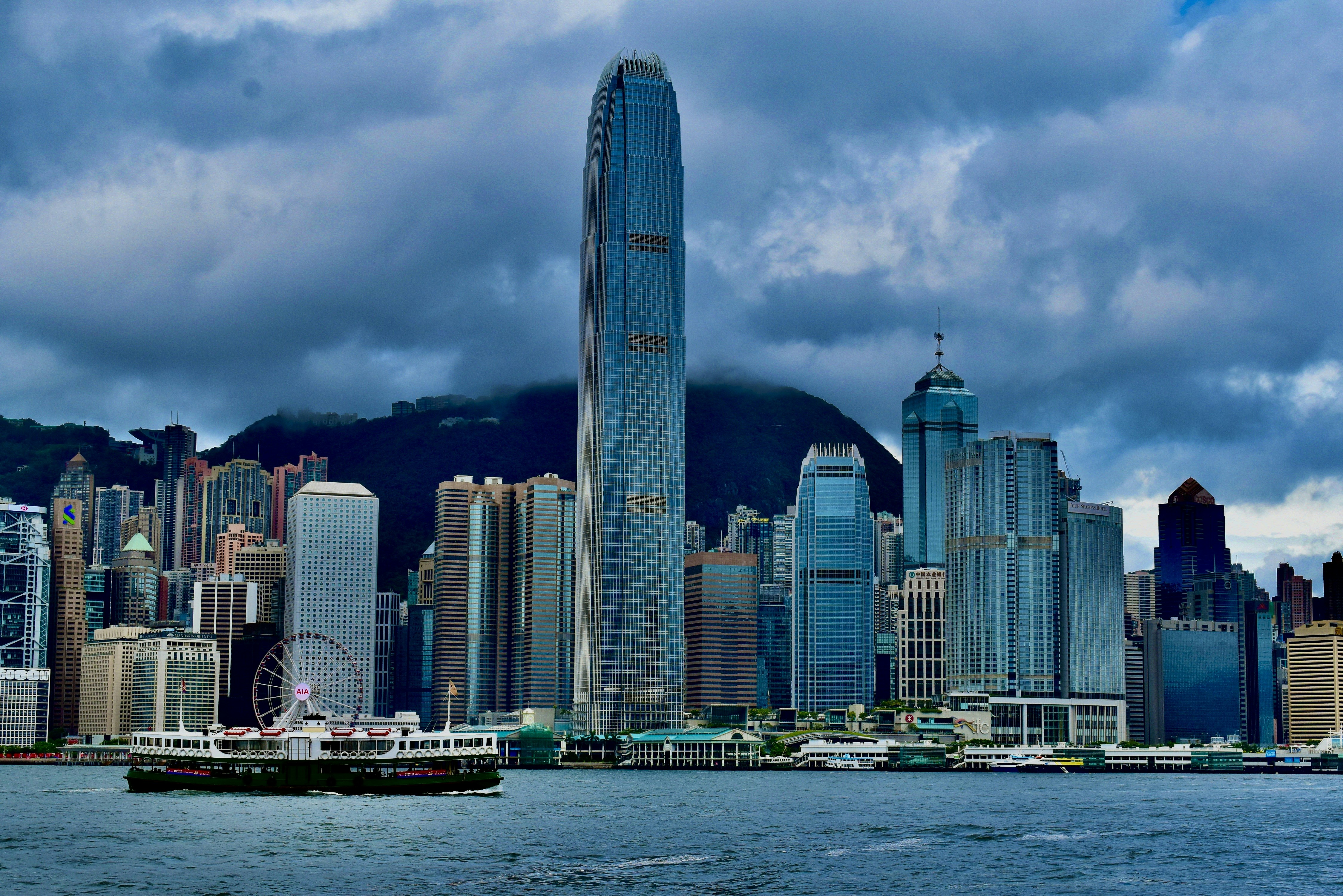
TL;DR – Hong Kong visa & entry rules for Singapore passport holders
Singapore citizens enjoy visa-free entry to Hong Kong for up to 90 days for tourism, business visits, and family trips, with relatively simple entry and customs rules according to the Hong Kong Tourism Board and the Hong Kong Economic & Trade Office in Singapore. Singapore’s passport strength makes Hong Kong an easy, low-friction getaway.
For short trips under 90 days, no visa is required for Singapore passport holders visiting Hong Kong for tourism, business meetings, or transit, as confirmed by the Hong Kong Tourism Board’s Southeast Asia visa information and the Hong Kong Economic & Trade Office in Singapore. You just need a valid Singapore passport, proof of onward or return travel, and sufficient funds to cover your stay, per Hong Kong Immigration guidelines.
Customs allowances are generous for personal use items, with specific duty-free limits on alcohol and tobacco and no currency restrictions, according to Hong Kong’s government and U.S. consular travel advisories. Health or vaccination requirements are minimal for most visitors, though general travel health precautions are always recommended.
If you plan to work, study, or stay longer than 90 days, you must apply for the appropriate Hong Kong visa in advance via the Hong Kong Immigration Department or a Chinese embassy or consulate. Once you’ve checked your entry documents, you can focus on the fun parts—dim sum, skyline views, and staying connected with a Hello eSIM while you explore Hong Kong.
Visa-free status for Singapore passport holders: how long can you stay?
Singapore passport holders can visit Hong Kong visa-free for up to 90 days for tourism, business, or family visits, according to the Hong Kong Tourism Board and the Hong Kong Economic & Trade Office in Singapore. That makes Hong Kong one of the easiest short-haul getaways for Singapore travellers.
The Hong Kong Tourism Board’s Southeast Asia visa guide lists Singapore: 90 Days under visa-free stays, meaning no visa is required for trips up to three months for leisure or short business activities. The Hong Kong Economic & Trade Office in Singapore reiterates that Singapore passport holders can stay in Hong Kong visa-free for no more than 90 days, covering typical city breaks, shopping trips, and conferences.
However, visa-free entry only applies to short visits. If you intend to:
- Work or take up employment in Hong Kong
- Enrol in full-time study or long-term training
- Reside or stay longer than 90 days
you must apply for the appropriate visit, work, study, or residence visa in advance, either directly with the Hong Kong Immigration Department or through a Chinese embassy or consulate, according to guidance from the Chinese Embassy and Hong Kong Immigration.
As a practical example: a 5-day foodie trip, a 2-week summer break, or a 1-month business assignment all fall comfortably within the 90-day visa-free window. If you think you may need more time (for example, a 4–6 month project), factor in visa processing and supporting documents well ahead of your travel dates.
For up-to-date rules, always cross-check with the Hong Kong Immigration Department’s general visa requirements page before booking flights.
Passport validity, onward ticket & basic Hong Kong entry requirements
To enter Hong Kong, you’ll need a valid Singapore passport, proof of onward or return travel, and enough funds for your stay, as outlined by Hong Kong Immigration and international travel advisories. These requirements apply even though you’re travelling visa-free.
Hong Kong’s official guidance for visitors states that travellers must have adequate funds for the duration of their stay and, unless in direct transit onward to Mainland China or Macao, must hold onward or return tickets. The U.S. State Department’s Hong Kong travel information similarly notes that visitors should have evidence of onward/return transportation and sufficient funds.
Unlike many destinations that require 6 months’ passport validity, Hong Kong’s general guidance is more flexible. The U.S. advisory notes that visitors need a passport valid for at least one month beyond the intended stay. Many Singapore travellers, however, prefer to keep the usual 6-month buffer, both for peace of mind and to align with airline requirements.
At immigration, expect a straightforward process:
- Present your Singapore passport to obtain a landing slip or electronic record of stay.
- Typical visa-free stay granted: up to 90 days for Singaporeans.
- Keep your return flight confirmation handy, as officers may ask for proof.
There is currently no blanket vaccination requirement for entry to Hong Kong for most visitors, though standard travel health precautions apply. If you plan to cross into Mainland China, you’ll need to comply with separate Chinese visa and entry rules, including any health or documentation requirements, as noted by international travel advisories.
For official entry requirement details, refer directly to the Hong Kong Immigration Department’s visitor and general visa requirements pages.
Customs, duty-free allowances & what Singapore travellers can bring
Hong Kong offers generous customs allowances for personal-use items, with specific duty-free limits for alcohol and tobacco and no currency restrictions, according to Hong Kong government and consular travel information. For most Singapore travellers, normal holiday shopping and personal gadgets pass smoothly through customs.
Hong Kong is a major free port with relatively straightforward rules. The U.S. State Department’s Hong Kong page explains that travellers must declare liquors, tobacco, cigarettes, cigars, methyl alcohol, and merchandise imported for commercial purposes, but also notes no currency restrictions on entry or exit. In practice, this means you can carry reasonable amounts of cash, cards, and electronic payment options without declaration, as long as funds aren’t tied to commercial activity.
Common items that are usually fine for personal use:
- Personal electronics (phone, laptop, camera, tablet)
- Clothing, shoes, and accessories
- Personal care products in typical quantities
For alcohol and tobacco, duty-free limits are more specific (and can change), so it’s best to check the latest numbers on the Hong Kong Customs and Excise Department site before travelling, especially if you plan to stock up on whisky or cigars.
Here’s a simple comparison of typical considerations for Singapore travellers entering Hong Kong vs. returning to Singapore:
| Aspect | Entering Hong Kong | Returning to Singapore |
|---|---|---|
| Cash limits | No currency restrictions, per consular guidance | Large sums may require declaration under Singapore law |
| Personal shopping | Generally allowed for personal use | GST may apply to high-value items |
| Alcohol & tobacco | Duty-free limits; declaration for excess | Specific duty-free quotas for alcohol/tobacco |
If you’re travelling with friends and sharing costs on shopping, dining, or transport, Hello’s expense splitting and multi-currency tracking features can help you keep on top of who paid for what, even when switching between HKD and SGD during the trip.
Staying connected, moving around & practical tips for Singapore visitors
Singapore travellers will find Hong Kong’s transport and connectivity easy, fast, and familiar, from airport trains and contactless payments to instant mobile data via a Hello eSIM. This makes short breaks, weekend trips, and business visits smoother from touchdown to take-off.
Hong Kong welcomed millions of visitors annually before the pandemic, with the Hong Kong Tourism Board reporting over 55 million tourist arrivals in 2019, reflecting its status as a major regional hub. While numbers have fluctuated post-pandemic, the city’s infrastructure for visitors remains strong: efficient public transport, English signage, and wide card/mobile payment acceptance.
Key practical tips:
- Transport from the airport: The Airport Express train gets you from Hong Kong International Airport to Central in around 24 minutes, with typical fares roughly HKD 115–120 one-way in recent years.
- Octopus cards: Loadable smart cards that work on MTR, buses, trams, ferries, and many convenience stores—ideal for quick, tap-and-go journeys.
- Daily budget: A mid-range travel day might run around HKD 500–800 (SGD 85–135) in 2026 for meals, local transport, and attractions, depending on where you dine and shop.
For connectivity, an eSIM from Hello lets you arrive in Hong Kong already online, using Hello eSIM for Hong Kong data plans that can be activated before you fly. That means you can message family from the Airport Express, check MTR routes, and share food pics without hunting for a SIM counter.
To keep group trips organised, Hello’s trip planning and expense tracking features—like AI receipt scanning in any language/currency and multi-currency expense splitting—help make it easier to manage shared taxis, dim sum feasts, and attraction tickets without spreadsheet juggling.
Working, studying or longer stays: when Singaporeans DO need a Hong Kong visa
Singapore passport holders need a visa if they plan to work, study, train, reside, or stay in Hong Kong longer than 90 days, according to Hong Kong Immigration and the Chinese Embassy in Singapore. Visa-free entry is strictly for short visits and does not cover employment or long-term residence.
Hong Kong Immigration’s visit visa and entry permit guidance explains that, unless a specific exemption applies, you require a visa or entry permit to work, study, establish or join a business, or take up residence in the Hong Kong Special Administrative Region. The Chinese Embassy in Singapore echoes this, stating that Singapore citizens travelling for study, training, employment, residence, or stays beyond 90 days must obtain the appropriate Hong Kong visa in advance.
Typical situations needing a visa for Singapore citizens:
- Accepting a job in Hong Kong (employment visa)
- Enrolling in a university programme or long-term course (student visa)
- Participating in extended professional training beyond a short course
- Joining family for long-term residence
Visa applications can be submitted:
- Directly to the Hong Kong Immigration Department, often via online forms and mail-in submissions, or
- Through a Chinese embassy or consulate, such as the Chinese Embassy in Singapore, which processes Hong Kong visas based on Immigration Department approvals.
According to the Chinese Embassy’s information, regular Hong Kong visa application fees have historically been around S$50 per person, plus contact and fax fees (for example S$30), payable in cash at the embassy, though you should check current fees as they can change over time.
If you plan a long assignment or study programme, start your visa application well ahead—ideally 1–2 months before departure—so you can synchronise your housing, banking, and connectivity plans once your visa is approved.
Common questions from Singapore travellers about Hong Kong entry (Q&A)
Most Singapore passport holders want to know whether they need a visa, how long they can stay, and what documents to show at Hong Kong immigration, and official sources confirm that short trips up to 90 days are visa-free with simple entry requirements.
Q: Do I need a visa for Hong Kong with a Singapore passport?
A: Not for short trips. Singapore citizens can visit Hong Kong visa-free for up to 90 days for tourism, family visits, or business, according to the Hong Kong Tourism Board and the Hong Kong Economic & Trade Office in Singapore. You only need a visa if you plan to work, study, or stay longer.
Q: How long can I stay in Hong Kong visa-free?
A: Up to 90 days per visit as a Singapore passport holder. Immigration officers typically stamp or note your permitted stay on arrival.
Q: What are the basic entry requirements?
A: You should have a valid passport, proof of onward or return travel, and adequate funds to cover your stay, per Hong Kong Immigration and international travel advisories.
Q: Does Hong Kong require six months of passport validity?
A: Hong Kong’s general guidance, reflected in major consular advice, is that your passport should be valid at least one month beyond your intended stay. Many airlines and travellers still prefer a 6-month buffer, so check with your carrier.
Q: Are there health or vaccination requirements?
A: There is no broad, routine vaccination requirement for entry for most visitors, but you should follow standard travel health advice and monitor any updated public health measures.
Q: How can I stay connected and manage trip costs?
A: You can stay online with a Hello eSIM for Hong Kong, purchased before your trip so you land connected, and use Hello’s budget tracking and expense splitting tools to manage shared meals and transport while you explore Hong Kong.
For the latest rules, always check the Hong Kong Immigration Department or official Hong Kong government travel pages before you fly.
Explore These Destinations
Stay Connected
Ready for Hong Kong?
eSIM data, expense splitting, budget tracking, and more. Everything you need for a smooth trip in one app.
Related Articles
Hong Kong Currency & Money Guide: Exchange, Cards, and Tips
Currency exchange, credit card acceptance, ATM tips, tipping culture, and money-saving advice for Hong Kong.
27 July 2026
Hong Kong Safety Guide: Tips for a Safe Trip
Safety tips, health advisories, emergency contacts, common scams, and travel insurance advice for Hong Kong.
18 July 2026
eSIM for Hong Kong: Best Plans, Coverage, and Setup Tips
Everything you need to know about using eSIM in Hong Kong. Best data plans, network coverage, and setup instructions.
30 June 2026