Hong Kong Safety Guide: Tips for a Safe Trip
Safety tips, health advisories, emergency contacts, common scams, and travel insurance advice for Hong Kong.
By Hello Travel Team
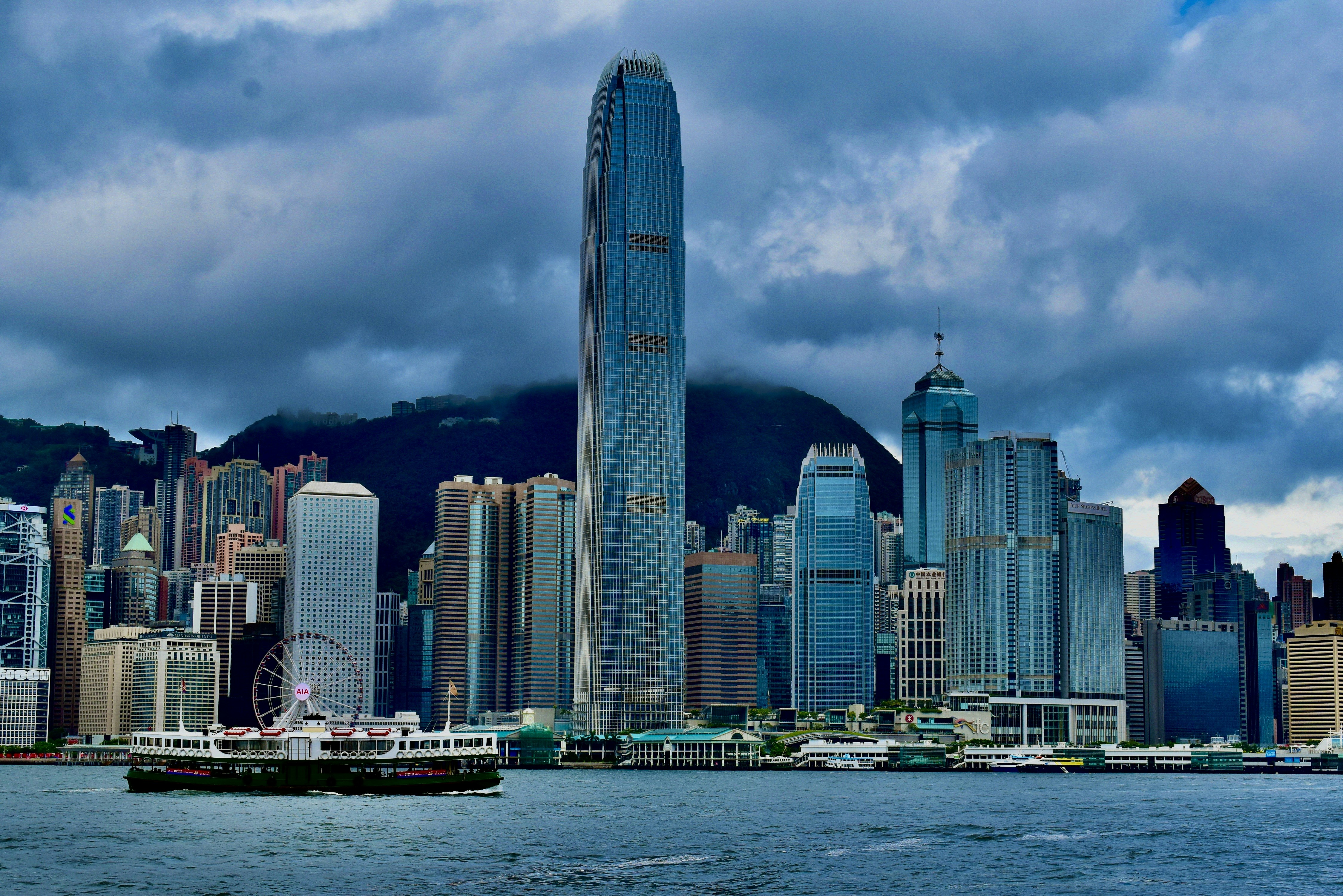
Hong Kong Safety Guide: TL;DR
Hong Kong is generally safe for tourists, with low crime and excellent public transport, but visitors should still protect belongings, avoid unofficial taxis and shops, and treat unexpected calls or payment requests as potential scams. Hong Kong travel safety is strongest when you carry limited cash, keep your passport secure, monitor weather alerts, and save local emergency numbers before arrival. The Hong Kong Police Force advises visitors to beware of pickpockets, deception, illegal transport services, and unlicensed merchandise sellers. For police, fire, or ambulance assistance, call 999. Singapore citizens can contact the Singapore Consulate-General in Hong Kong at +852 2527 2212 during office hours or its after-hours duty officer at +852 9466 1251. An eSIM from Hello for Hong Kong can also help you stay connected to maps, translation, hotel details, and emergency contacts from the moment you land.
Is Hong Kong Safe? Crime, Transport, and Everyday Precautions
Yes, Hong Kong is generally safe for visitors, although crowded places, traffic, severe weather, and opportunistic fraud deserve ordinary urban-travel precautions. Hong Kong Police describe the city as having one of the lowest crime rates in the world, while Singapore’s Ministry of Foreign Affairs notes that pickpocketing, street crime, fraud, and deception can still occur. Keep bags zipped and in front of you on the MTR, at markets, at the airport, and in busy areas such as Tsim Sha Tsui, Mong Kok, and Causeway Bay. Carry a photocopy or digital backup of your passport and store the original securely; do not leave valuables visible in hotel rooms or vehicles. Hong Kong’s MTR is efficient and widely used, but stand behind platform lines, hold handrails on escalators, and take extra care when crossing roads because vehicles drive on the left. Use metered red, green, or blue taxis, or reputable app-based bookings, and avoid unsolicited transport offers. Hong Kong’s subtropical climate can bring intense heat, typhoons, and heavy rain. Check the Hong Kong Observatory before hiking, visiting outlying islands, or taking a ferry, and postpone exposed activities during storm warnings.
Hong Kong Scams: Common Tricks and How to Avoid Them
The safest response to a Hong Kong scam is to pause, refuse pressure, verify independently, and never share passwords, one-time codes, or banking details. Official warnings describe fraudsters impersonating immigration officials, police, banks, delivery companies, or other authorities, sometimes using prerecorded calls about a parcel or alleged legal problem. Hang up and contact the organisation through its official website or published number. The Anti-Scam Helpline is 18222, while Singaporeans can use Singapore’s 24/7 ScamShield Helpline at 1799 when unsure about a suspicious interaction. Other visitor risks include inflated bills, aggressive sales presentations, fake luxury goods, unsolicited restaurant invitations, and unlicensed taxis. Buy valuable products only from reputable shops, look for a receipt, and do not feel obliged to pay a deposit after a high-pressure demonstration. Hong Kong Police specifically advise visitors to avoid imitation branded goods and retain receipts. Be cautious with street money exchanges, card terminals, and QR codes: check the amount before confirming, keep transaction notifications enabled, and use a credit card with fraud protection where practical. If money or documents are taken, report the incident promptly to police and your bank.
Hong Kong Emergency Numbers, Consular Help, and Practical Contacts
Save Hong Kong emergency numbers before travelling: dial 999 for police, fire services, or an ambulance, and provide your location as clearly as possible. English is commonly understood in emergency and tourism settings, but keeping your hotel name, address, and room number written in Chinese can speed assistance. The Hong Kong Police non-emergency hotline is +852 2527 7177. The Hong Kong Tourism Board Visitor Hotline is +852 2508 1234, and the Hong Kong Observatory weather line is +852 1878 200. Singapore citizens needing consular help can contact the Singapore Consulate-General at Units 901–2, 9th Floor, Admiralty Centre Tower 1, 18 Harcourt Road, Hong Kong, telephone +852 2527 2212. Its after-hours duty officer is +852 9466 1251, and Singapore’s Ministry of Foreign Affairs Consular Response Centre is +65 6379 8800. Consulates cannot pay bills, replace travel insurance, or guarantee release from local legal obligations, so contact your insurer and bank as well as officials when relevant. Before departure, share your itinerary with someone at home, save offline copies of travel documents, and keep your phone charged. Hello’s app can provide connectivity through a Hello eSIM, while its trip-planning tools help keep addresses and plans accessible.
Hong Kong Health Advice: Water, Vaccinations, Heat, and Insurance
Most travellers can visit Hong Kong without special medical preparation, but routine vaccinations, heat protection, safe food habits, and comprehensive travel insurance are sensible safeguards. Check that routine vaccines are current, including measles-mumps-rubella, diphtheria-tetanus-pertussis, polio, and seasonal influenza; a travel clinic can assess whether hepatitis A, hepatitis B, or other vaccines suit your itinerary and medical history. Tap water is treated and generally considered suitable for drinking, although some visitors prefer bottled or filtered water because building plumbing and taste vary. Choose busy food stalls with high turnover, wash hands before eating, and seek medical advice for persistent fever, dehydration, or severe gastrointestinal symptoms. Hong Kong summers can be hot and humid, so carry water, use sunscreen, take shade breaks, and avoid strenuous hikes at midday. Typhoons and extreme-rain warnings can disrupt ferries, flights, and outdoor attractions; follow Hong Kong Observatory guidance rather than relying on old itineraries. Buy travel insurance that covers medical treatment, emergency evacuation, trip cancellation, lost baggage, personal liability, and activities such as hiking or scuba diving if planned. Check exclusions for pre-existing conditions, alcohol-related incidents, and scooter or vehicle use, and keep the policy number available offline.
Solo Female and LGBTQ+ Travel Safety in Hong Kong
Solo women and LGBTQ+ travellers generally experience Hong Kong as a welcoming, highly connected destination, but standard precautions remain useful at night and in crowded entertainment districts. Stay in well-reviewed accommodation near an MTR station, tell someone your evening plans, and use a metered taxi or known ride-booking option after late nights. Keep drinks in sight, avoid accepting open drinks from strangers, and leave venues with trusted companions when possible. For hikes, tell someone your route and carry water, a charged phone, and a light; even popular trails can become quiet after sunset. LGBTQ+ visitors can generally travel openly, particularly in central areas, but attitudes vary and public displays of affection may attract attention in some settings. Avoid confrontations, respect local privacy norms, and check current venue policies before attending events. Hong Kong has strict laws covering public order, photography around sensitive sites, drugs, and restricted items; never assume rules from home apply automatically. Dress comfortably but respectfully at temples and religious sites, ask before photographing people, and follow instructions from police or security staff. If harassment or discrimination occurs, move to a busy staffed location and call 999 for immediate danger. Keep emergency contacts, accommodation details, and a translation note readily available.
Common Questions About Hong Kong Travel Safety
Hong Kong is a practical destination for first-time and independent travellers because transport is reliable, services are accessible, and emergency support is straightforward.
Is Hong Kong safe for tourists at night? Central districts and major transport routes are usually busy and well lit, but use normal precautions: stay with companions where possible, avoid isolated alleys and parks, and use a metered taxi after late-night entertainment.
What are the Hong Kong emergency numbers? Call 999 for police, fire, or ambulance services. For non-emergency police assistance, call +852 2527 7177.
What should I do if I receive a suspicious call? Do not transfer money or disclose banking information. Hang up, verify the claim using an official number, and report suspected scams to 18222. Singaporeans can also call ScamShield at 1799.
Can I drink Hong Kong tap water? Treated tap water is generally drinkable, but use filtered or bottled water if you dislike the taste or are uncertain about a building’s plumbing.
Should I buy travel insurance for Hong Kong? Yes. A policy covering medical care, evacuation, cancellation, baggage, liability, and planned activities is recommended because insurance can protect against costs that ordinary health plans do not cover.
| Situation | What to do |
|---|---|
| Immediate danger | Call 999 |
| Suspected scam | Stop contact; call 18222 |
| Lost passport | Contact your embassy or consulate |
| Medical problem | Call 999 or visit a hospital/clinic |
| Severe weather | Check Hong Kong Observatory alerts |
Staying Connected and Managing a Safe Hong Kong Budget
Reliable mobile data makes Hong Kong travel safer by keeping maps, translation, transport updates, accommodation details, and emergency contacts available when plans change. Buy and activate a Hello eSIM for Hong Kong before departure so you can arrive connected rather than searching for a SIM after landing. Hello offers plans for 200+ countries, with plans starting from 5GB and prices updated live; confirm your phone supports eSIM and is unlocked before purchase. Download key maps, hotel information, insurance documents, and consulate details for offline access as a backup. Hong Kong accepts cards widely, but small eateries, markets, and some taxis may still require Octopus, cash, or another local payment method. Carry a modest amount of Hong Kong dollars and check every card terminal amount before approving payment. For planning, budget approximately HK$50–100 for a casual meal, HK$150–300 for a mid-range restaurant meal, and extra for attraction tickets, ferries, and peak-season accommodation; prices vary by neighbourhood and date. Hello’s expense tools can scan receipts in different currencies, categorise spending, import bank statements, and split group costs with automatic exchange-rate conversion. That helps travellers notice duplicate charges, divide taxi or meal bills accurately, and keep an emergency reserve untouched.
Explore These Destinations
Stay Connected
Ready for Hong Kong?
eSIM data, expense splitting, budget tracking, and more. Everything you need for a smooth trip in one app.
Related Articles
Hong Kong Currency & Money Guide: Exchange, Cards, and Tips
Currency exchange, credit card acceptance, ATM tips, tipping culture, and money-saving advice for Hong Kong.
27 July 2026
Hong Kong Visa & Entry Requirements for Singapore Passport Holders
Visa requirements, passport validity, customs allowances, and entry tips for Singapore citizens travelling to Hong Kong.
9 July 2026
eSIM for Hong Kong: Best Plans, Coverage, and Setup Tips
Everything you need to know about using eSIM in Hong Kong. Best data plans, network coverage, and setup instructions.
30 June 2026