Hong Kong Cultural Guide: Etiquette, Customs, and Tips
Essential do's and don'ts, greeting customs, dress codes, local phrases, and cultural tips for Hong Kong.
By Hello Travel Team
TL;DR: Hong Kong Etiquette and Cultural Essentials
Hong Kong culture blends Cantonese traditions with international urban life, so basic etiquette is about politeness, respecting personal space, and being mindful of hierarchy, especially in business settings. Dress modestly at temples, avoid loud behavior, and learn a few simple Cantonese phrases to connect with locals.
In practical terms, visitors who follow core Hong Kong etiquette—queueing patiently, speaking calmly, and handling money, business cards, and gifts with both hands—rarely run into social friction. Public transport is orderly, restaurants run fast and busy, and people appreciate efficiency and courtesy more than overt friendliness.
For connectivity and logistics, having mobile data makes using Octopus cards, MTR maps, and restaurant apps much easier. Many travelers now arrive already connected using a Hello eSIM, so they can book tables, navigate streets, and split costs in the Hello app without hunting for Wi‑Fi.
If you remember just a few Hong Kong customs, focus on these: greet with a simple "hello" or "nei hou" rather than hugs; avoid touching someone’s head or back; keep voices low on the MTR; and never stick chopsticks upright in a bowl of rice. Respect for time is key, so always aim to be slightly early for tours, reservations, and meetings.
This guide covers do’s and don’ts, greetings, dress codes, photography rules, business etiquette, holidays that affect travel, and gift‑giving customs, so you can explore Hong Kong with confidence rather than worrying about accidental faux pas.
Everyday Hong Kong Culture: Do’s, Don’ts, and Street-Level Etiquette
In everyday Hong Kong culture, the most important etiquette rules are simple: be punctual, keep your voice moderate, queue properly, and show respect to elders and staff in shops and restaurants. Following these basics will make navigating Hong Kong’s busy streets and transport feel much smoother.
Hong Kong is one of the world’s most densely populated cities, with over 7.5 million residents in a compact territory, according to Hong Kong’s Census and Statistics Department in 2024. That density shapes daily behavior: people walk quickly, escalators are for moving (stand on the right), and queueing is taken seriously at bus stops, tram stops, and cha chaan teng (local cafés).
Common Hong Kong dos and don’ts:
- Do stand on the right of escalators and walk on the left.
- Do offer seats to elderly, pregnant, or disabled passengers on the MTR.
- Do say thank you ("m̀h gōi" for services) when staff clear your table or pour tea.
- Don’t eat or drink on the MTR—this is discouraged and can incur fines.
- Don’t speak loudly in quiet spaces like trains, lifts, and small restaurants.
- Don’t litter; Hong Kong’s public cleanliness laws are enforced with fines around HKD 1,500 for littering as reported by local government documents in 2025.
In restaurants, it’s normal to share dishes family‑style. Let elders or the host start eating first and avoid reaching across others. Tipping is modest—many mid‑range spots add a 10% service charge, and locals often just round up small change in 2026 rather than leaving large tips.
Greeting Customs, Local Phrases, and Respectful Communication
In Hong Kong, polite greetings are low-key: a simple “hello” or “nei hou” with a slight nod is normal, while handshakes are common in business but hugs or cheek kisses are reserved for close friends and family. Keeping greetings modest and respectful fits well with local social norms.
Cantonese is widely spoken, though English is also an official language and is common in business, tourism, and government. The Census and Statistics Department reports that about 46% of workers used English at work in 2024, especially in finance, hospitality, and retail. This means most hotels, larger shops, and transport staff can handle basic English questions, but a few phrases in Cantonese show goodwill.
Useful phrases for travelers:
- Nei hou (你好) – Hello
- M̀h gōi (唔該) – Thank you (for service or a favor)
- Dō jeh (多謝) – Thank you (for a gift)
- M̀h hóu yisi (唔好意思) – Excuse me / sorry
- Gei chín a? (幾錢呀?) – How much is it?
When addressing people, using titles shows respect: "Mr Chan", "Ms Lee", or professional titles like "Doctor" or "Professor". In business, many Hong Kong professionals hand over bilingual name cards; take a moment to look at the card before putting it away rather than stuffing it into your pocket immediately.
Avoid overly direct criticism or heated debate in public; disagreements are typically handled calmly, especially in professional settings. If you’re unsure of the right term or pronunciation, most locals will appreciate the attempt and are happy to switch to English rather than watch you struggle.
Dress Codes in Hong Kong: Everyday Wear and Temple Etiquette
For most of Hong Kong, casual but neat clothing is fine, yet religious sites and formal business settings call for modest outfits that cover shoulders and knees. Dressing respectfully at temples and for meetings helps you avoid unwanted attention and shows basic cultural awareness.
Hong Kong’s subtropical climate means hot, humid summers and mild winters; the Hong Kong Observatory recorded average July highs around 31°C in 2025, so lightweight, breathable fabrics are best when walking through Central, Mong Kok, or along the Tsim Sha Tsui waterfront. Shorts and t‑shirts are common for tourists, but avoid beachwear away from actual beaches.
For religious sites like Man Mo Temple, Wong Tai Sin Temple, or local neighborhood shrines:
- Do wear tops that cover shoulders and avoid low necklines.
- Do choose skirts or trousers that reach at least to the knee.
- Don’t wear hats indoors in prayer halls.
- Don’t bring open alcohol containers or food into the main temple areas.
Business districts such as Central and Quarry Bay lean more formal. Office workers often wear smart business attire—shirts, slacks, dresses, and closed shoes—even in summer. If you’re meeting a lawyer, banker, or senior manager, aim for business casual at minimum: collared shirt, trousers or a knee‑length skirt, and clean shoes.
Packing tip: Hong Kong is famous for shopping, and mid‑range clothes at chain stores typically cost HKD 150–300 per item in 2026. If your outfit feels too casual for a meeting or dinner, it’s easy to pick up a simple smart shirt or dress once you arrive.
Photography Rules, Religious Respect, and When to Put the Camera Away
In Hong Kong, photography is widely accepted in public spaces, but you should avoid shooting inside certain temples, government buildings, and private businesses without explicit permission. When in doubt, look for signs or ask staff before lifting your camera or phone.
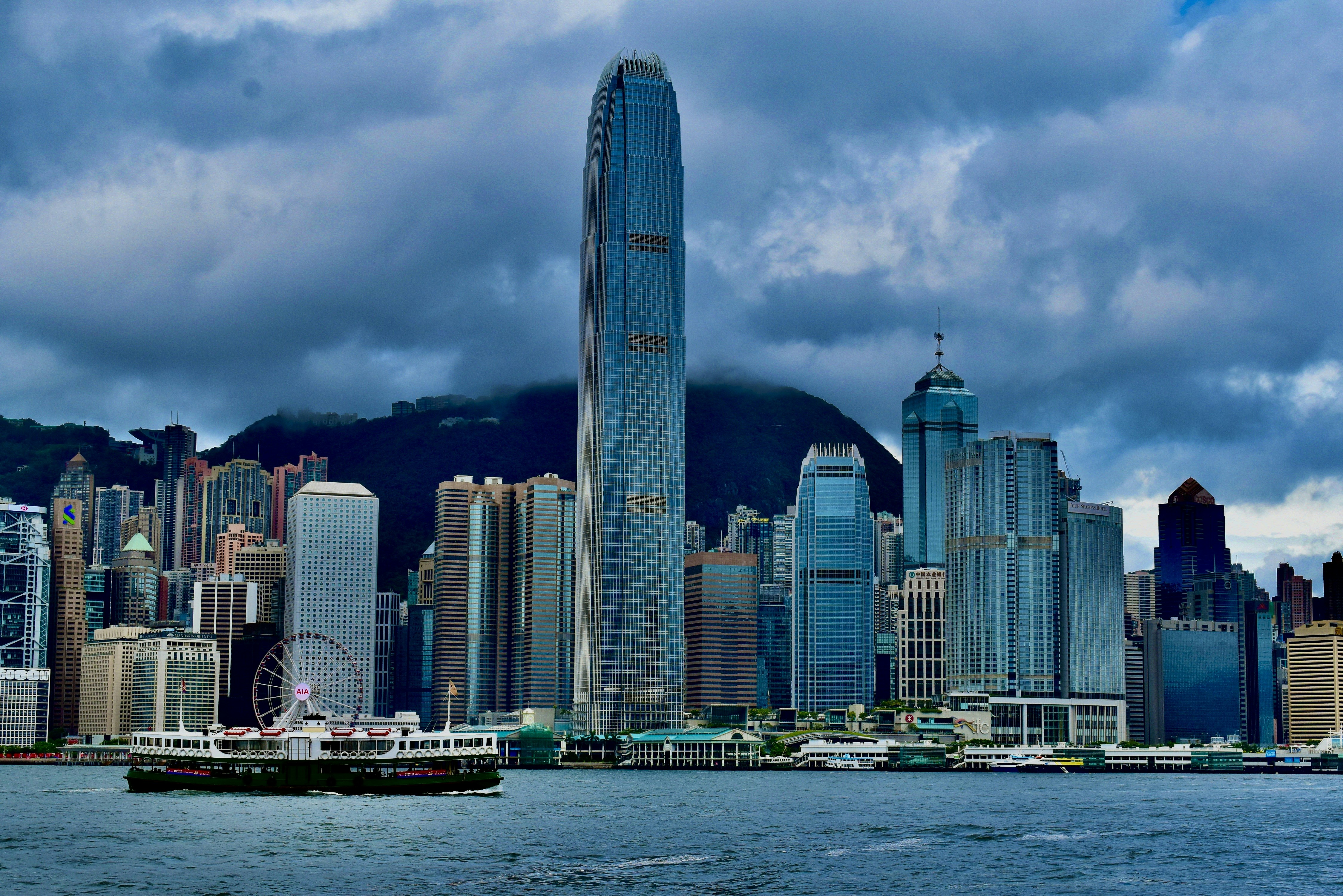
Popular viewpoints such as Victoria Peak, the Star Ferry, and the Tsim Sha Tsui Promenade actively encourage photography, and you’ll see plenty of tripods and smartphones. Hong Kong Tourism Board materials highlight the skyline and neon‑lit streets as core attractions, so street and skyline photography is generally fine as long as you don’t obstruct traffic or block entrances.
More sensitive areas require care:
- Temples and shrines: Some, like Man Mo Temple, may allow photos of the architecture but discourage flash photography or close‑ups of worshippers. Always respect "No Photography" signs.
- Government buildings and border facilities: Filming security checkpoints or immigration counters is often prohibited.
- Markets and shops: Ask before snapping photos of stall owners or detailed product setups, especially in traditional wet markets.
Ethically, it’s good practice to avoid photographing individuals—especially children or elderly people—without consent. A simple gesture to your camera and a questioning look usually earns a nod or shake of the head.
If you plan to share images in real time, being connected helps with backups and navigation to photo spots. Many travelers use Hello’s eSIM connectivity in Hong Kong to upload photos to cloud storage on the go and to find quieter vantage points away from the crowds without relying on public Wi‑Fi.
Business Etiquette and Professional Customs in Hong Kong
Hong Kong business etiquette values punctuality, formality, and respect for hierarchy, with meetings typically starting on time, handshakes kept brief, and decisions often made by senior managers rather than junior staff. Adapting to these norms is key for successful professional interactions.
Hong Kong consistently ranks among the world’s top financial centers; the Global Financial Centres Index in 2025 placed it in the global top three for competitiveness and connectivity. This corporate environment is fast‑paced and international, yet many local customs still matter.
Core business etiquette:
- Punctuality: Arrive 5–10 minutes early. Being late without notice is viewed negatively.
- Greetings: Use firm but not aggressive handshakes. Address people by title and surname until invited to use first names.
- Business cards: Present and receive cards with both hands. Take a moment to read the card before putting it into a case.
- Communication style: Stay calm and factual, avoid confrontational language, and be cautious about humor that may not translate.
Dress is generally smart: a blazer or tie is common in corporate Central, while tech or creative fields may accept business casual. Lunch meetings often happen in hotel restaurants or dim sum spots, where splitting shared dishes is normal—let your host order and follow their lead.
If you’re visiting multiple clients, it helps to track shared expenses and transport costs accurately. The Hello app’s expense splitting and budget tracking can be particularly useful here, especially with multi‑currency support and automatic exchange rate conversion for Hong Kong dollars when travelling in from Japan or Thailand.
Holidays, Peak Travel Times, and Gift-Giving Customs in Hong Kong
Major Hong Kong holidays like Lunar New Year and Golden Week can mean crowded streets, higher hotel prices, and limited business hours, while gift‑giving customs favor quality, presentation, and avoiding culturally sensitive items like clocks or sharp objects. Planning around these dates prevents surprises.
According to the Hong Kong Tourism Board, the city welcomed around 35 million visitors in 2024 as tourism rebounded, with peaks during Lunar New Year (January–February), Golden Week (first week of October), and Christmas. During these periods, hotel prices can rise by 20–40% compared with shoulder seasons, and popular attractions like Disneyland and Ocean Park fill up quickly.
Key holidays to note:
- Lunar New Year (Jan–Feb): Many shops close for at least 1–2 days; family visits take priority.
- Ching Ming Festival (around early April): Families visit ancestral graves; some offices may close.
- Mid‑Autumn Festival (Sept–Oct): Evening lantern displays and mooncake gifting.
- National Day (1 October): Fireworks and large public events.
Gift‑giving customs:
- Do present gifts with both hands and consider red or gold wrapping.
- Do bring small items from your home country for business hosts or friends.
- Don’t give clocks, white flowers, or umbrellas, which can be associated with bad luck or farewells.
- Don’t open gifts immediately unless the giver suggests it; many locals wait until later.
If you’re coordinating trip budgets around holiday surcharges—say, tracking HKD 1,000–1,800 per night for mid‑range hotels in Tsim Sha Tsui in 2026—the Hello app’s multi‑currency budget tracking and AI receipt scanning can help keep spending clear across flights, accommodation, and festival activities.
Connectivity, Transport Manners, and a Hong Kong Etiquette Comparison Table
Getting around Hong Kong politely means following transport etiquette—queueing calmly, respecting priority seats, and keeping phones on silent—while staying connected with mobile data makes routes, payments, and translation much easier. A few simple habits will keep you in sync with local expectations.
The MTR carries millions of passengers daily, and official guidance emphasizes no eating or drinking, giving up seats to those in need, and standing behind the yellow lines on platforms. Octopus cards are the go‑to payment for most locals, used not just on transit but also at convenience stores and some fast‑food spots; government and transport reports note over 16 million Octopus cards in circulation as of 2025, more than double the resident population because of multiple cards per person.
On trams, buses, and minibuses, board efficiently, keep bags close, and speak quietly. Taxi etiquette is straightforward: line up at official stands, let drivers handle route choices unless you have a strong preference, and pay in cash or card where available—short urban rides within Kowloon typically cost HKD 40–80 in 2026.
For navigation, many travelers use Hello eSIM for Hong Kong to access maps, translation apps, and restaurant reviews without hunting for Wi‑Fi, buying at least 5GB of data and activating before landing so they can use the MTR and airport buses immediately.
Here’s a handy comparison of common Hong Kong customs:
| Situation | Expected Behavior in Hong Kong | Common Visitor Mistake |
|---|---|---|
| MTR / trains | No eating, quiet voices, give up priority seats | Snacking on trains, speaking loudly |
| Temples | Modest dress, no flash, follow “No Photo” signs | Selfies during prayer, exposed shoulders |
| Business meetings | Punctual, formal greetings, respect hierarchy | Casual dress, over‑familiar first‑name use |
| Gift‑giving | Two‑hand presentation, avoid unlucky items | Giving clocks, sharp objects, or white flowers |
| Restaurants (shared dishes) | Let elders start, don’t stick chopsticks upright in rice | Using chopsticks as pointing tools |
Common Questions About Hong Kong Etiquette and Customs
Most common Hong Kong etiquette questions boil down to three themes: how to behave in public, what is respectful in temples and homes, and how formal business and gift‑giving customs really are. Knowing these answers ahead of time removes most uncertainty for travelers.
Q: Is Hong Kong more like mainland China or more like a Western city culturally?
A: Hong Kong culture is a hybrid: Cantonese traditions and Chinese festivals sit alongside Western business practices and legal structures. You’ll find dim sum next to French bakeries and local herbal shops beside global fashion chains.
Q: How strict is etiquette on public transport?
A: It’s reasonably strict but mostly enforced through social norms. Eating and drinking on the MTR is discouraged and can incur fines, and locals expect quiet, orderly behavior. Tourists who follow signs and copy what locals do rarely have problems.
Q: Do I need to speak Cantonese?
A: No, but a few phrases help. English is widely used, and many service workers can handle simple questions. Learning "m̀h gōi" for thank you and "m̀h hóu yisi" for excuse me earns smiles.
Q: Is tipping expected in restaurants and taxis?
A: Many sit‑down restaurants add a 10% service charge; beyond that, tipping is modest. Locals often just round up taxi fares by a few dollars rather than adding a large percentage.
Q: How can I stay culturally aware when planning my budget and trip?
A: Check holiday schedules when booking (Lunar New Year and Golden Week affect prices), allow extra time for queues at major attractions, and use tools like the Hello app’s budget tracking and expense splitting to understand per‑day costs without awkward money conversations.
Explore These Destinations
Stay Connected
Make the most of Hong Kong
From eSIM connectivity to expense tracking, Hello is the all-in-one companion that keeps your trip stress-free.
Related Articles
Hong Kong Currency & Money Guide: Exchange, Cards, and Tips
Currency exchange, credit card acceptance, ATM tips, tipping culture, and money-saving advice for Hong Kong.
27 July 2026
Hong Kong Safety Guide: Tips for a Safe Trip
Safety tips, health advisories, emergency contacts, common scams, and travel insurance advice for Hong Kong.
18 July 2026
Hong Kong Visa & Entry Requirements for Singapore Passport Holders
Visa requirements, passport validity, customs allowances, and entry tips for Singapore citizens travelling to Hong Kong.
9 July 2026