3 Days in Hong Kong: A Day-by-Day Itinerary
A detailed 3-day itinerary for Hong Kong with daily activities, costs, neighborhoods, and transport tips.
By Hello Travel Team
This article contains affiliate links. If you book through them, Hello may earn a commission at no additional cost to you. Our editorial recommendations are independent. Learn more.
- 1
Arrival & First Explorations
- MorningAirport transfer~$15
- Late morningExplore Central and Sheung Wan~$8
- AfternoonPeak Tram and Victoria Peak views~$12
- EveningHarbourfront walk or Symphony of Lights viewing
CentralSheung WanVictoria PeakTsim Sha TsuiTake Airport Express (~HK$115 / about $15) or a taxi if arriving with luggage; use MTR and short walks for the rest of the day.
Budget$50Mid-range$120Luxury$300 - 2
Kowloon Markets, Temples, and Street Food
- MorningTsim Sha Tsui harbourfront and museum area~$5
- AfternoonMong Kok market walk~$5
- Late afternoonTemple visit in Yau Ma Tei or Jordan
- EveningStreet food dinner and night walk~$12
Tsim Sha TsuiMong KokYau Ma TeiJordanUse the MTR for fast cross-city travel; most short rides cost only a few Hong Kong dollars and are cheaper than taxis.
Budget$45Mid-range$110Luxury$250 - 3
Lantau Island or Flexible Neighborhood Day
- MorningNgong Ping 360 cable car or MTR to Tung Chung~$26
- Late morningBig Buddha and Po Lin Monastery~$5
- AfternoonLunch and exploration in Wan Chai, Causeway Bay, or Tai Kwun~$15
- EveningFinal dinner and packing~$20
Lantau IslandTung ChungWan ChaiCauseway BayTai KwunThe cable car is the most scenic option for Lantau; otherwise, take the MTR and bus combination for a lower-cost day.
Budget$55Mid-range$120Luxury$250
Trip Summary
Trip starter
Turn this 3-day itinerary into a Hello trip
Start with a prefilled trip for Hong Kong, then add dates, invite friends, track expenses, and pick an eSIM before you land.
Name and destination carried into the app.
Split costs and settle up during the trip.
Choose data for the destination before departure.
TL;DR: 3 Days in Hong Kong at a Glance
A 3 days in Hong Kong itinerary is enough to cover the city’s biggest highlights: the skyline around Victoria Harbour, the peak-view classic at Victoria Peak, temple-lined neighborhoods, and one easy island day for food and coastal scenery. With a smart route and Octopus-card-style transit planning, most travelers can keep daily costs manageable while still seeing a lot.
This Hong Kong itinerary balances famous sights with practical logistics, so you’re not backtracking across the city. Expect a compact, fast-paced trip: Day 1 for Central, Sheung Wan, and the harbour; Day 2 for Kowloon, markets, and street food; Day 3 for Lantau Island or a flexible culture-and-shopping finish. If you want to stay connected from the moment you land, an eSIM from Hello is an easy way to have data ready before you arrive, and the Hello app can also help you track expenses across meals, transport, and activities.
Day 1 Hong Kong Itinerary: Central, Sheung Wan, and Victoria Harbour
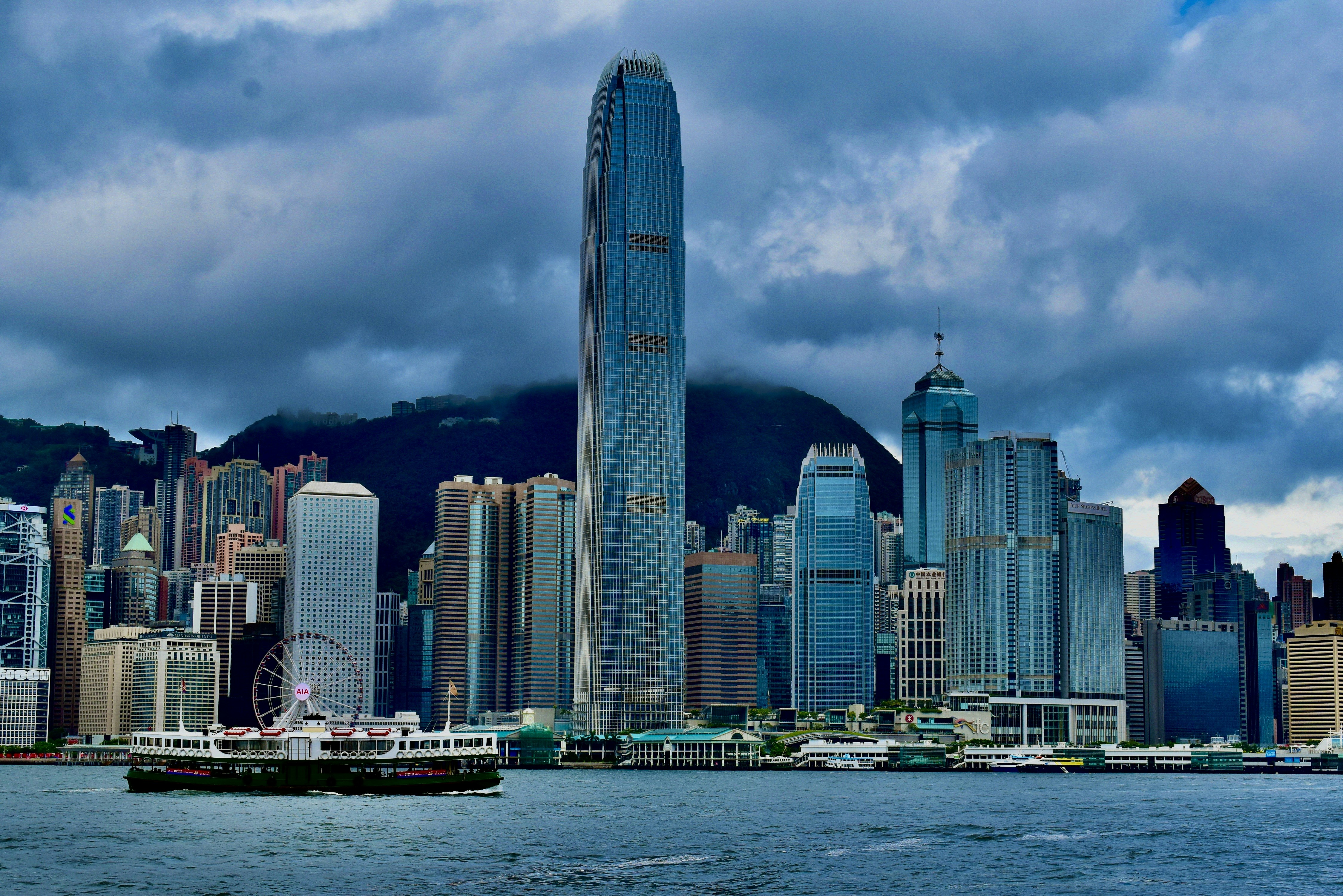
Day 1 is best spent on Hong Kong Island, where the city’s financial core, older neighborhoods, and waterfront views sit close together. Start in Central in the morning with the Star Ferry or MTR, then walk through Sheung Wan for dried seafood streets, small temples, and heritage lanes. This is the easiest place to get a feel for the city’s blend of old and new.
In the afternoon, ride the Peak Tram up to Victoria Peak for the signature skyline view. Tickets commonly cost around HK$62–88 one way or more depending on package type, while a tram-and-viewing package can be higher in 2026. If you prefer a cheaper option, you can take the bus or taxi and save on transit. For dinner, stay in Central or SoHo and try roast goose, wonton noodles, or dim sum. A casual meal may cost HK$60–120, mid-range dining HK$150–300, and upscale restaurants considerably more.
By evening, head back to the harbour for the Symphony of Lights area or a relaxed waterfront walk. If you’re checking directions, ordering rides, or splitting taxis with friends, Hello eSIM helps you stay online immediately, and the Hello app makes it easy to log transport and meal costs in real time.
Day 2 Hong Kong 3 Day Itinerary: Kowloon Markets, Temples, and Street Food
Day 2 is ideal for Kowloon, where the city feels busier, denser, and more local. Begin in the morning at Tsim Sha Tsui for harbour views, then walk to the waterfront promenade or visit the Hong Kong Museum of Art if you want a culture break. From there, take the MTR to Mong Kok and explore Ladies’ Market, sneaker streets, and neon-lit shopping lanes.
In the afternoon, move to Yau Ma Tei or Jordan for temples and classic neighborhood scenes. The Tin Hau Temple area and nearby fruit markets give you a more everyday Hong Kong feel, while lunch can be as simple as wonton noodles, congee, or a cha chaan teng set. In 2026, budget meals often run HK$40–80, while a fuller lunch at a sit-down local restaurant may be HK$80–150.
At night, stay in Kowloon for temple-lit streets and easy food options, or return to the harbour for skyline photos after dark. For transit, the MTR is the fastest and most reliable choice, with short rides often costing only a few Hong Kong dollars. This day is also where the Hello app is especially useful: it can split shared meals, convert currencies automatically, and keep your Hong Kong travel plan organized without extra effort.
Day 3 Hong Kong Travel Plan: Lantau Island, Big Buddha, or Flexible Neighborhood Exploration
Day 3 works best as a slower, choose-your-own-adventure day, with Lantau Island being the most popular choice for first-time visitors. In the morning, take the MTR to Tung Chung and ride the Ngong Ping 360 cable car if weather is clear; standard tickets often start around HK$200+ depending on cabin type and season. The Big Buddha and Po Lin Monastery make a strong half-day outing, and the ride itself is part of the experience.
If you prefer to stay in the city, use the afternoon for Wan Chai, Causeway Bay, or Tai Kwun in Central. Wan Chai is good for markets, trams, and tea shops, while Causeway Bay is better for shopping and food courts. For a relaxed final meal, try egg tarts, pineapple buns, or a late dim sum lunch. A flexible lunch-and-cafe day may cost HK$70–180, depending on how much shopping or sightseeing you do.
This is also the best day to review your spending before departure. The Hello app’s budget tracking and receipt scanning can help you see whether your Hong Kong trip planner stayed within target, especially if you shared taxis, cable car fares, or dinner bills with friends.
Hong Kong Transport Tips, Neighborhood Choices, and Daily Budget Table
The easiest way to move around Hong Kong is the MTR combined with short walks, because most major sightseeing clusters are well connected and stations are frequent. Taxis are useful late at night or for hilly routes, while ferries are worth taking when you want a scenic crossing rather than the fastest route. If you arrive at the airport, the Airport Express is the quickest city transfer; shared shuttle or taxi options cost more but can be convenient with luggage.
For neighborhoods, Central is best for first-time visitors who want easy access to major landmarks, Kowloon is better for street life and markets, and Lantau works well for a half-day nature-and-culture add-on. If you are building a Hong Kong trip planner, choose one base hotel area and avoid switching hotels unless you have a longer stay.
| Daily budget | Budget traveler | Mid-range traveler | Luxury traveler |
|---|---|---|---|
| Day 1 | HK$400–650 | HK$900–1,600 | HK$2,500+ |
| Day 2 | HK$350–600 | HK$800–1,500 | HK$2,200+ |
| Day 3 | HK$350–700 | HK$850–1,700 | HK$2,500+ |
For staying connected, Hello’s eSIM plans are convenient if you want data ready before landing, and the app also helps with expense tracking, multi-currency logging, and splitting shared costs across the trip.
Common Questions About a Hong Kong 3 Day Itinerary
A Hong Kong 3 day itinerary is enough for first-time visitors to see the skyline, ride the Peak Tram, explore Kowloon markets, and add either Lantau Island or a flexible city-neighborhood day. It is a fast-paced trip, but the city’s transit system makes it realistic and efficient.
How much money do I need for 3 days in Hong Kong? A practical 3-day budget is roughly HK$1,100–1,950 for budget travelers, HK$2,600–4,800 for mid-range travelers, and HK$7,200+ for luxury travelers, depending on hotel choice, dining, and activities. Hong Kong is easy to scale up or down because transport and local meals can be very affordable.
Is Hong Kong walkable for tourists? Yes, but it is hillier and denser than many cities, so you will usually combine walking with MTR rides, ferries, and trams. Pack comfortable shoes and plan your route by neighborhood rather than trying to cross the entire city on foot.
Do I need mobile data in Hong Kong? Yes, mobile data makes navigation, ride-hailing, and payment apps much easier. A Hello eSIM is a simple way to arrive connected, and the Hello app can also help with receipts, expense splitting, and budget tracking throughout your trip.
Explore These Destinations
Stay Connected
Book this trip
Compare options on trusted travel sites
Plan stays for this trip
Continue to a reviewed booking partner to check current property details and terms.

Make the most of Hong Kong
From eSIM connectivity to expense tracking, Hello is the all-in-one companion that keeps your trip stress-free.
Related Articles
Hong Kong Currency & Money Guide: Exchange, Cards, and Tips
Currency exchange, credit card acceptance, ATM tips, tipping culture, and money-saving advice for Hong Kong.
27 July 2026
Hong Kong Safety Guide: Tips for a Safe Trip
Safety tips, health advisories, emergency contacts, common scams, and travel insurance advice for Hong Kong.
18 July 2026
Hong Kong Visa & Entry Requirements for Singapore Passport Holders
Visa requirements, passport validity, customs allowances, and entry tips for Singapore citizens travelling to Hong Kong.
9 July 2026