Key Takeaways
- ✓Plan around US$30–40 per day for Southeast Asia and US$30–45 for India, with East Asia requiring higher daily budgets.
- ✓Southeast Asia offers the best balance of low costs, easy transport, and established backpacker routes for first-time visitors.
- ✓Hostels, guesthouses, and homestays are your main budget accommodation options, with guesthouses often best value for couples or long stays.
- ✓Hello eSIM and Hello’s budgeting tools help you avoid roaming fees, track spending in real time, and split costs with friends.
- ✓Festival travel (Songkran, Holi, Diwali, Full Moon Party) is affordable but needs 20–30% extra budget on peak days for transport and rooms.
- ✓Slow travel—fewer flights and buses, longer stays in each city—is the single most effective way to reduce your overall Asia trip cost.
- ✓Checking visa, entry, and money guides for each country prevents expensive last‑minute surprises and protects your budget.
- ✓Digital nomads can live comfortably in hubs like Chiang Mai, Bali, and Ho Chi Minh City at a fraction of Western city costs.
Asia is one of the world’s best regions for budget travel, with daily costs ranging from US$25 in parts of Southeast Asia to US$60–80 in more developed countries like Japan and South Korea. This guide is your country‑by‑country toolkit to stretch every dollar (or baht, rupiah, and rupee) across Southeast Asia, East Asia, and South Asia.
We’ll compare typical daily budgets, transport costs, and hostel vs guesthouse vs hotel prices so you can quickly see where your money goes furthest. You’ll get step‑by‑step frameworks to build a realistic Asia backpacking budget, choose the right destinations for your travel style, and decide when to splurge versus save.
Along the way, we’ll link to detailed itineraries like 5 Days in Bali: Beaches, Temples, and Rice Terraces, 1 Week in Thailand: Bangkok, Chiang Mai, and Islands, and Vietnam in 5 Days: The Perfect Extended Itinerary so you can plug proven routes into your plan. You’ll also learn how to use Hello eSIM for cheap data across 200+ countries, split expenses with friends, and track your budget in real time.
Whether you’re planning a three‑week holiday or a three‑month backpacking trip, this pillar guide helps you compare countries at a glance, avoid common budget traps, and travel Asia confidently without overspending.
How Cheap Is Asia Really? Regional Cost Overview for 2026
Asia offers some of the world’s best value for money: as of 2026, shoestring travelers can get by on around US$25–35 per day in much of Southeast Asia, US$30–45 in parts of South Asia, and US$60–80 in East Asian hubs like Japan and South Korea.
For budget planning, it helps to group Asia into three regions:
- Southeast Asia (Thailand, Vietnam, Indonesia, Cambodia, Laos): famous for backpacking; cheap street food, hostels, and buses make US$30–40 per day realistic if you’re careful.
- South Asia (India): extremely low local prices but more internal transport; a practical budget is US$30–45 per day for most travellers.
- East Asia (Japan, South Korea, Taiwan): higher prices offset by great public transport and convenience; think US$60–80+ per day.
Use the comparison table below as a starting point (excluding international flights, based on 2026 prices):
| Region | Typical Daily Budget (Backpacker) | Street Food Meal | Hostel Bed | Intercity Bus/Train |
|---|---|---|---|---|
| Southeast Asia | US$30–40 | US$2–4 | US$8–15 | US$10–25 |
| South Asia | US$30–45 | US$1.5–3 | US$7–12 | US$8–20 |
| East Asia | US$60–80 | US$5–10 | US$20–35 | US$25–60 |
To see how those numbers translate into real itineraries, browse Thailand in 5 Days: The Perfect Extended Itinerary, Vietnam in 5 Days: The Perfect Extended Itinerary, Indonesia in 5 Days: The Perfect Extended Itinerary, Laos in 5 Days: The Perfect Extended Itinerary, Cambodia in 5 Days: The Perfect Extended Itinerary, and India in 5 Days: The Perfect Extended Itinerary.
A simple rule of thumb: if your priority is lowest possible cost, start in Southeast or South Asia. If you want ultra‑efficient transport, spotless infrastructure, and are happy with a higher budget, fold East Asia into your route.
Thailand in 5 Days: The Perfect Extended Itinerary
ItinerariesVietnam in 5 Days: The Perfect Extended Itinerary
ItinerariesIndonesia in 5 Days: The Perfect Extended Itinerary
ItinerariesLaos in 5 Days: The Perfect Extended Itinerary
ItinerariesCambodia in 5 Days: The Perfect Extended Itinerary
ItinerariesIndia in 5 Days: The Perfect Extended Itinerary
Country-by-Country Daily Budget: Thailand, Vietnam, Indonesia, India & More
If you’re planning a multi‑country Asia trip on a budget, expect daily costs from roughly US$30 in Laos or Cambodia to US$45–50 in busier parts of Thailand or coastal Indonesia, with India often sitting in the US$30–40 range depending on transport and activities.
Here’s a simplified backpacker‑style daily budget overview for 2026 (excluding international flights):
| Country | Shoestring Budget | Comfortable Budget | Notes |
|---|---|---|---|
| Thailand | US$30–40 | US$45–60 | Higher on islands and during festivals like Songkran |
| Vietnam | US$28–38 | US$40–55 | Great value street food and trains |
| Indonesia | US$30–40 | US$45–60 | Bali slightly pricier than Java or Lombok |
| Cambodia | US$25–35 | US$35–50 | Angkor Wat passes add to costs for a few days |
| Laos | US$25–35 | US$35–45 | Slower travel, but very affordable |
| India | US$30–40 | US$40–55 | Big spreads between major cities and rural areas |
Your real spending depends on how quickly you move and how many tours/activities you book. Itineraries like 1 Week in Thailand: Bangkok, Chiang Mai, and Islands, 5 Days in Vietnam: Hanoi, Ha Long Bay, and Hoi An, 5 Days in Bali: Beaches, Temples, and Rice Terraces and India in 5 Days: The Perfect Extended Itinerary all include sample daily costs you can adapt.
A practical method: decide on your comfortable daily budget, then subtract 10–15% and treat that as a challenge. Use Hello’s budget tracking to log every meal, ride, and hostel night; if you consistently exceed your target, slow your travel pace or pivot to cheaper destinations like Laos or Cambodia.
Accommodation on a Budget: Hostels, Guesthouses, and Homestays
Across Asia in 2026, budget travelers can find dorm beds from around US$8–12 in much of Southeast and South Asia, and private rooms from US$20–30, with prices higher in East Asian cities like Tokyo or Seoul where dorms often start near US$20–25.
In Southeast Asia (Thailand, Vietnam, Indonesia, Cambodia, Laos), hostels are the default budget option: expect social common areas, simple breakfasts, and mixed dorms. Guesthouses and homestays are often similarly priced but quieter, especially in Laos and smaller Indonesian islands. Itineraries like Laos in 5 Days: The Perfect Extended Itinerary, Cambodia in 5 Days: The Perfect Extended Itinerary, and Indonesia in 5 Days: The Perfect Extended Itinerary highlight affordable neighbourhoods and local stays.
In India, budget hotels and family‑run guesthouses can undercut hostel prices, especially outside major hubs. See India in 5 Days: The Perfect Extended Itinerary for area‑by‑area suggestions.
A quick decision framework:
- Choose hostels if you want social vibes, tours, and events.
- Choose guesthouses/homestays for quiet, local interaction, and often better value as a couple.
- Choose budget hotels if you care most about privacy, predictable facilities, and 24/7 reception.
To keep costs low:
- Book flexible rates for the first 1–2 nights, then negotiate in person for longer stays.
- Travel slightly off‑season; guides like Best Time to Visit Bali: Weather, Crowds, and Prices by Month show when prices drop.
- Use Hello’s trip planning and budget tracking to compare nightly rates across cities and avoid overpaying on peak weekends or festival dates.
Laos in 5 Days: The Perfect Extended Itinerary
ItinerariesCambodia in 5 Days: The Perfect Extended Itinerary
ItinerariesIndonesia in 5 Days: The Perfect Extended Itinerary
ItinerariesIndia in 5 Days: The Perfect Extended Itinerary
Travel TipsBest Time to Visit Bali: Weather, Crowds, and Prices by Month
Transport Costs & Getting Around: Buses, Trains, Flights, and Bikes
In 2026, overland transport in Asia is still remarkably affordable: local buses and trains often cost US$5–25 for several hours of travel, while budget flights between major hubs can start around US$40–80 if booked early.
Southeast Asia is tailor‑made for budget overland travel. In Thailand, long‑distance buses and trains between Bangkok, Chiang Mai, and the islands are surprisingly cheap; itineraries like 1 Week in Thailand: Bangkok, Chiang Mai, and Islands and Thailand in 5 Days: The Perfect Extended Itinerary break down typical costs. Vietnam offers overnight trains and buses linking Hanoi, Ha Long Bay, and Hoi An, as covered in 5 Days in Vietnam: Hanoi, Ha Long Bay, and Hoi An and Vietnam in 5 Days: The Perfect Extended Itinerary.
Indonesia and Laos require a bit more patience: ferry hops in Indonesia and winding bus routes in Laos are cheap but slow. See Indonesia in 5 Days: The Perfect Extended Itinerary and Laos in 5 Days: The Perfect Extended Itinerary for route planning.
A simple transport strategy:
- Use buses/trains for under 10 hours; they’re cheaper and greener.
- Consider short flights for very long routes (e.g., northern to southern India) when the time saved outweighs the cost.
- Rent bikes or scooters for local exploring, but factor in insurance and safety.
Hello’s trip planning lets you log each leg with its cost, while Hello eSIM keeps maps and ride‑hailing apps working without expensive roaming. Combine both to avoid surprise taxi fares, choose public transport where safe, and track your per‑day transport spending as you move.
1 Week in Thailand: Bangkok, Chiang Mai, and Islands
ItinerariesThailand in 5 Days: The Perfect Extended Itinerary
Itineraries5 Days in Vietnam: Hanoi, Ha Long Bay, and Hoi An
ItinerariesVietnam in 5 Days: The Perfect Extended Itinerary
ItinerariesIndonesia in 5 Days: The Perfect Extended Itinerary
ItinerariesLaos in 5 Days: The Perfect Extended Itinerary
Connectivity on the Cheap: Using Hello eSIM Across Asia
Staying online in Asia is easy and cheap in 2026: with Hello eSIM you can get data plans in over 200 countries, activate instantly on arrival, and avoid roaming fees or hunting for local SIM card kiosks.
Having reliable data is a quiet budget superpower. It helps you:
- Use map apps to walk or take public transport instead of pricey taxis.
- Check live bus/train schedules and book tickets at local prices.
- Message guesthouses directly for better last‑minute deals.
For country‑specific advice, check dedicated eSIM guides like Best eSIM Plans for Asia Travel in 2026, eSIM for Indonesia: Best Plans, Coverage, and Setup Tips, eSIM for Vietnam: Best Plans, Coverage, and Setup Tips, eSIM for Thailand: Best Plans, Coverage, and Setup Tips, eSIM for Laos: Best Plans, Coverage, and Setup Tips, eSIM for Cambodia: Best Plans, Coverage, and Setup Tips and eSIM for India: Best Plans, Coverage, and Setup Tips.
A simple decision tree for Hello eSIM data:
- Mostly cities and hubs (Bangkok, Bali, Hanoi, Delhi) → choose smaller data packages and top up as needed.
- Remote or rural travel (Laos countryside, Indonesian smaller islands) → choose larger packages; Wi‑Fi can be patchy.
- Festival or event trips (Songkran, Holi, Full Moon Party) → ensure you have enough data for ride‑hailing and meeting points.
With Hello, you can also track expenses and split costs with friends inside the same app. Use this combo to see how much you’re saving by choosing buses over taxis, and keep your overall Asia budget visible and under control.
Best eSIM Plans for Asia Travel in 2026
eSIM & ConnectivityeSIM for Indonesia: Best Plans, Coverage, and Setup Tips
eSIM & ConnectivityeSIM for Vietnam: Best Plans, Coverage, and Setup Tips
eSIM & ConnectivityeSIM for Thailand: Best Plans, Coverage, and Setup Tips
eSIM & ConnectivityeSIM for Laos: Best Plans, Coverage, and Setup Tips
eSIM & ConnectivityeSIM for Cambodia: Best Plans, Coverage, and Setup Tips
eSIM & ConnectivityeSIM for India: Best Plans, Coverage, and Setup Tips
Festivals, Events, and Seasonal Travel: Budgeting for Peak Times
Asia’s festivals are unforgettable and often surprisingly affordable, but peak dates can push up transport and accommodation prices, so factor major events like Songkran, Holi, Diwali, and the Full Moon Party into your budget planning.
In Thailand, the April Songkran water festival turns Bangkok and Chiang Mai into giant street parties. While many activities are free, expect higher demand for rooms and transport; see Songkran Festival 2026: Thailand Water Festival Guide for costs and preparation. Koh Phangan’s Full Moon Party is another classic: tickets, ferries, and beachfront rooms add up, as detailed in Full Moon Party Thailand: The Ultimate Guide to Koh Phangan.
In India, Holi and Diwali are cultural highlights. During Holi, popular destinations like Mathura and Vrindavan draw big crowds; Holi Festival India Guide: The Festival of Colours explains where to go and how to prepare. Diwali brings fireworks, family gatherings, and busy travel periods, with budget tips covered in the Diwali Travel Guide: Experiencing the Festival of Lights in India.
For seasonal price swings, look at Best Time to Visit Bali: Weather, Crowds, and Prices by Month, which shows how shoulder seasons can dramatically cut costs on accommodation and tours.
Budget framework for festival trips:
- Add 20–30% to your daily budget during peak festival days.
- Book flexible transport but lock in key stays early.
- Use Hello eSIM to stay connected with your group in crowded areas and avoid surge‑priced taxis via ride‑hailing apps.
This way you enjoy big celebrations without big overspending.
Songkran Festival 2026: Thailand Water Festival Guide
Events & FestivalsFull Moon Party Thailand: The Ultimate Guide to Koh Phangan
Events & FestivalsHoli Festival India Guide: The Festival of Colours
Events & FestivalsDiwali Travel Guide: Experiencing the Festival of Lights in India
Travel TipsBest Time to Visit Bali: Weather, Crowds, and Prices by Month
Visas, Money, and Entry Requirements: Avoiding Expensive Surprises
The cheapest trip can become expensive fast if you misunderstand visa rules, currency exchange, or entry requirements, so always check up‑to‑date information and plan for ATM access and card usage before you land.
For many Asian countries, visa policies vary widely by passport. If you’re travelling on a Singapore passport, refer to targeted guides like Vietnam Visa & Entry Requirements for Singapore Passport Holders, Thailand Visa & Entry Requirements for Singapore Passport Holders, India Visa & Entry Requirements for Singapore Passport Holders, Indonesia Visa & Entry Requirements for Singapore Passport Holders, Cambodia Visa & Entry Requirements for Singapore Passport Holders and Laos Visa & Entry Requirements for Singapore Passport Holders.
Each covers:
- Visa‑free durations and e‑visa options
- Passport validity rules (often six months minimum)
- Customs allowances that can impact shopping budgets
On the money front, Thailand Currency & Money Guide: Exchange, Cards, and Tips is a strong template. As of 2026, ATMs in major Asian cities usually accept international cards, but rural areas can be cash‑heavy. Avoid exchanging money at airports when possible, and use local ATMs for better rates.
Budget‑wise:
- Set aside an entry admin budget (visas, onward ticket proofs, airport transfers).
- Keep a small emergency buffer in USD or EUR.
- Use Hello’s expense tracking to log visa fees, SIM/eSIM costs, and currency exchange charges so you see the real impact.
Getting visas and money right doesn’t make headlines in your travel diary—but it quietly protects your budget more than almost any other step.
Vietnam Visa & Entry Requirements for Singapore Passport Holders
Visa & EntryThailand Visa & Entry Requirements for Singapore Passport Holders
Visa & EntryIndia Visa & Entry Requirements for Singapore Passport Holders
Visa & EntryIndonesia Visa & Entry Requirements for Singapore Passport Holders
Visa & EntryCambodia Visa & Entry Requirements for Singapore Passport Holders
Visa & EntryLaos Visa & Entry Requirements for Singapore Passport Holders
Currency & MoneyThailand Currency & Money Guide: Exchange, Cards, and Tips
Digital Nomads and Long Stays: Budgeting for Work-and-Travel in Asia
If you’re a digital nomad or planning a month‑plus stay, Asia can be exceptionally budget‑friendly: monthly living costs in hubs like Chiang Mai or Bali often undercut Western cities by 50–70% while offering great coworking spaces and lifestyle perks.
Southeast Asia is the main playground for remote workers. Best Coworking Spaces in Southeast Asia for Digital Nomads highlights top spaces in Bali, Bangkok, Chiang Mai, and Ho Chi Minh City, giving you a feel for typical day passes and memberships.
A rough monthly budget for 2026 in major nomad hubs:
| City | Modest Monthly Budget | Includes |
|---|---|---|
| Chiang Mai | US$900–1,300 | Room in guesthouse/apartment, food, coworking, local transport |
| Bali (Canggu/Ubud) | US$1,200–1,800 | Villa room or simple apartment, scooter, coworking, eating out |
| Ho Chi Minh City | US$900–1,400 | Central apartment, cafes/coworking, transport |
Key savings come from slower travel: long‑stay rentals, weekly market shopping, and fewer bus/flight tickets. Hello eSIM is especially useful for digital nomads who need steady connectivity across multiple countries; combine it with Hello’s expense splitting if you’re sharing villas or coworking memberships with friends.
If you’re mixing work with regional travel:
- Base yourself in a hub city (e.g., Chiang Mai, Bali) and take shorter trips using weekend itineraries like Best Weekend Getaways from Singapore: Short Trips Under 4 Hours.
- Track recurring costs (rent, coworking, subscriptions) separately from travel costs.
- Use Hello trip planning to map visa runs, regional flights, and side trips so they fit comfortably within your income.
With the right base and tools, long‑term Asia stays remain one of the best budget strategies for remote workers.
Backpacking Route Planning: Comparing Southeast, East, and South Asia Trips
Choosing where to go in Asia on a budget depends on your time, appetite for night buses, and interest in culture versus beaches versus city life; comparing Southeast, East, and South Asia routes helps match your budget to your travel style.
Southeast Asia classic routes often link Bangkok, northern Thailand, Laos, Vietnam, Cambodia, and Indonesia. You can see how these feel in real time through itineraries like 1 Week in Thailand: Bangkok, Chiang Mai, and Islands, Thailand in 5 Days: The Perfect Extended Itinerary, Laos in 5 Days: The Perfect Extended Itinerary, Vietnam in 5 Days: The Perfect Extended Itinerary, Cambodia in 5 Days: The Perfect Extended Itinerary, and Indonesia in 5 Days: The Perfect Extended Itinerary.
South Asia, especially India, offers dense culture and huge variety within one country; see India in 5 Days: The Perfect Extended Itinerary and festival guides like Holi Festival India Guide: The Festival of Colours and Diwali Travel Guide: Experiencing the Festival of Lights in India.
A quick route decision framework:
- 3–4 weeks, first‑time Asia, low budget → Focus on Southeast Asia (Thailand + Vietnam + Cambodia or Laos).
- 4–6 weeks, culture‑heavy, train travel → India plus a Southeast Asia add‑on (e.g., Thailand or Vietnam).
- 6+ weeks, bigger budget, infrastructure focus → Combine Southeast or South Asia with East Asia (e.g., Japan, South Korea).
Use Hello trip planning to map legs, estimate daily budgets per country, and see your overall cost projection. With Hello eSIM, you can keep your route flexible, adjusting destinations on the fly if one country proves more expensive than expected.
1 Week in Thailand: Bangkok, Chiang Mai, and Islands
ItinerariesThailand in 5 Days: The Perfect Extended Itinerary
ItinerariesLaos in 5 Days: The Perfect Extended Itinerary
ItinerariesVietnam in 5 Days: The Perfect Extended Itinerary
ItinerariesCambodia in 5 Days: The Perfect Extended Itinerary
ItinerariesIndonesia in 5 Days: The Perfect Extended Itinerary
ItinerariesIndia in 5 Days: The Perfect Extended Itinerary
Events & FestivalsHoli Festival India Guide: The Festival of Colours
Events & FestivalsDiwali Travel Guide: Experiencing the Festival of Lights in India
Practical Money-Saving Strategies: Eating, Activities, and Everyday Choices
Small daily decisions—where you eat, how you book tours, which neighbourhood you stay in—make the biggest difference to your Asia budget, often more than headline costs like flights.
Food is your easiest lever. In most of Southeast and South Asia, local street food and simple restaurants are not just tastier than tourist spots, they’re dramatically cheaper. Thailand itineraries like 1 Week in Thailand: Bangkok, Chiang Mai, and Islands and Thailand in 5 Days: The Perfect Extended Itinerary highlight typical street food prices. Vietnam guides such as 5 Days in Vietnam: Hanoi, Ha Long Bay, and Hoi An and Vietnam in 5 Days: The Perfect Extended Itinerary show how far your food budget stretches when you focus on markets and local eateries.
Activities add up when you book many guided tours. Use a mix of DIY exploring and selective splurges: go big on one or two signature experiences (Ha Long Bay cruise, temple day in Bali via 5 Days in Bali: Beaches, Temples, and Rice Terraces) and keep other days simple with walks, free viewpoints, and public beaches.
Everyday tips:
- Stay slightly off the main tourist strips for cheaper rooms and meals.
- Travel slower; every extra overnight bus or flight eats into your budget.
- Use Hello’s expense tracking to categorize spending (food, transport, accommodation, activities) and spot where you overspend.
Combine these habits with Hello eSIM for safe navigation and ride‑hailing, and your “cheap travel Asia” plan becomes both realistic and comfortable rather than a constant compromise.
1 Week in Thailand: Bangkok, Chiang Mai, and Islands
ItinerariesThailand in 5 Days: The Perfect Extended Itinerary
Itineraries5 Days in Vietnam: Hanoi, Ha Long Bay, and Hoi An
ItinerariesVietnam in 5 Days: The Perfect Extended Itinerary
Itineraries5 Days in Bali: Beaches, Temples, and Rice Terraces
Frequently Asked Questions
How much should I budget per day for backpacking Asia in 2026?
As of 2026, most backpackers can plan around US$30–40 per day in Southeast Asia (Thailand, Vietnam, Indonesia, Cambodia, Laos), US$30–45 in India, and US$60–80 in East Asian countries like Japan and South Korea, excluding international flights and major shopping.
Which Asian countries are the cheapest for first-time budget travelers?
How can Hello eSIM help me save money while traveling Asia?
Hello eSIM gives you instant data in over 200 countries, so you avoid expensive roaming and don’t need to buy a physical SIM in every new country. With reliable data, you can use maps, public transport apps, and ride‑hailing services to replace overpriced taxis and find cheaper local options.
Do I need to book accommodation in advance to keep costs down in Asia?
In most of Southeast and South Asia you can book a first night or two online, then negotiate longer stays in person for better rates—especially in low or shoulder season. During major festivals (Songkran, Holi, Diwali, Full Moon Party) or in very popular areas like Bali, booking ahead is wise to avoid higher last‑minute prices.
Is it realistic to work remotely from Asia on a budget?
Yes. Digital nomad hubs like Chiang Mai, Bali, and Ho Chi Minh City offer good coworking spaces, reliable internet, and monthly living costs far below Western cities. With Hello eSIM for connectivity and Hello’s budget tracking, you can clearly see your recurring and travel expenses while working remotely.
How do I handle visas and entry requirements without blowing my budget?
Research visa rules before booking flights and factor visa fees into your total trip cost. Use country‑specific guides (for example, Vietnam, Thailand, India, Indonesia, Cambodia, and Laos visa articles for Singapore passport holders) to avoid costly mistakes like last‑minute visas or denied boarding due to missing documents.
What’s the best way to manage and split expenses with friends in Asia?
Agree on a shared daily budget, then log costs in real time. Hello’s expense splitting feature lets you record each bill—hostels, meals, transport—and automatically divide costs among your group, reducing stress around money and making it easier to see who owes what at the end of the trip.
Detailed Articles
Dive deeper into specific topics covered in this guide.

Thailand in 5 Days: The Perfect Extended Itinerary
A detailed 5-day itinerary for Thailand with daily activities, costs, neighborhoods, and transport tips for an extended stay.
10 May 2026

Vietnam in 5 Days: The Perfect Extended Itinerary
A detailed 5-day itinerary for Vietnam with daily activities, costs, neighborhoods, and transport tips for an extended stay.
12 May 2026
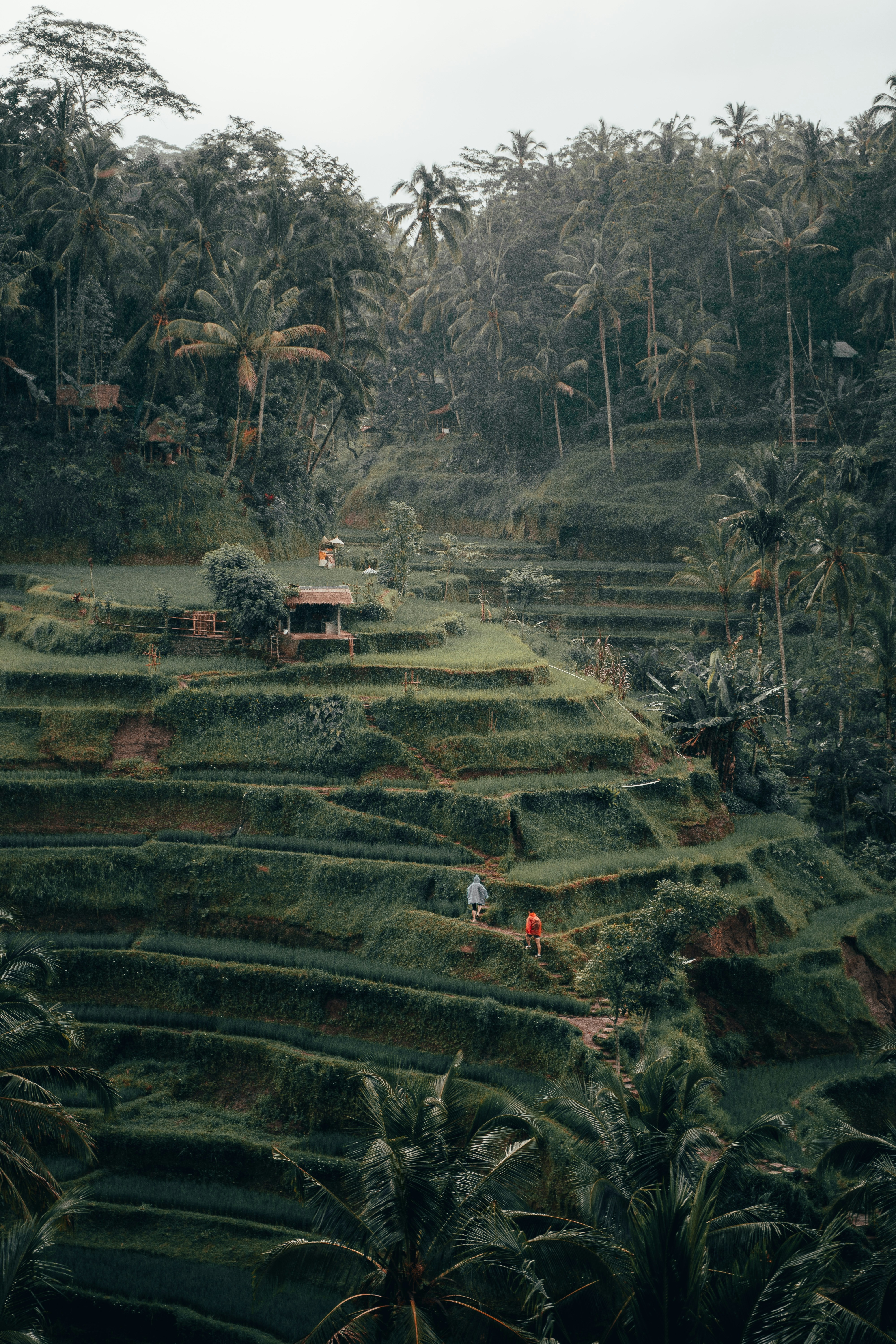
Indonesia in 5 Days: The Perfect Extended Itinerary
A detailed 5-day itinerary for Indonesia with daily activities, costs, neighborhoods, and transport tips for an extended stay.
6 May 2026
Laos in 5 Days: The Perfect Extended Itinerary
A detailed 5-day itinerary for Laos with daily activities, costs, neighborhoods, and transport tips for an extended stay.
7 May 2026

Cambodia in 5 Days: The Perfect Extended Itinerary
A detailed 5-day itinerary for Cambodia with daily activities, costs, neighborhoods, and transport tips for an extended stay.
4 May 2026
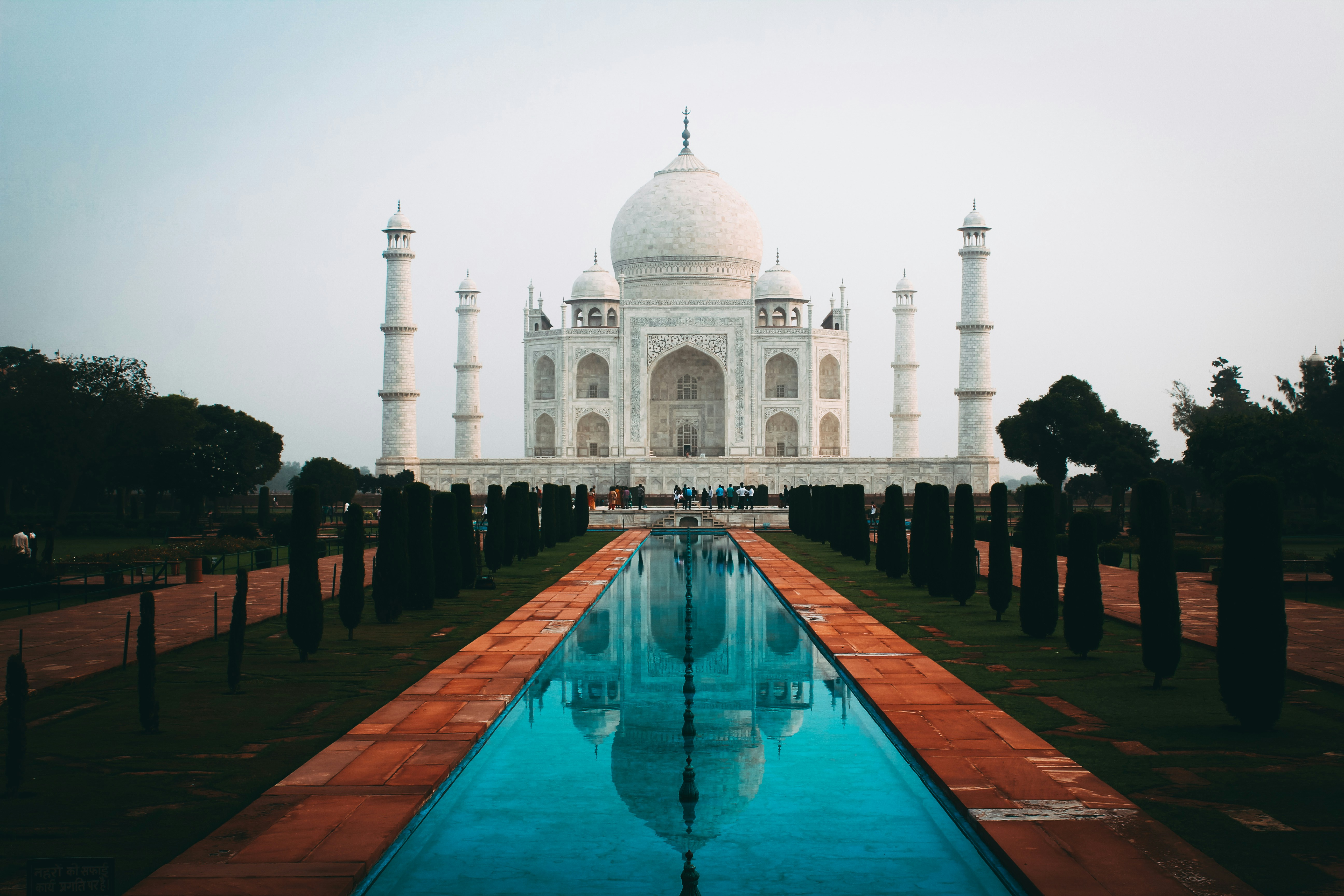
India in 5 Days: The Perfect Extended Itinerary
A detailed 5-day itinerary for India with daily activities, costs, neighborhoods, and transport tips for an extended stay.
6 May 2026
1 Week in Thailand: Bangkok, Chiang Mai, and Islands
Seven-day Thailand itinerary balancing city, culture, and beach. Daily costs and transport tips.
26 June 2026
5 Days in Vietnam: Hanoi, Ha Long Bay, and Hoi An
Five-day Vietnam itinerary from north to central. Street food, cruises, and ancient towns.
5 July 2026
More Travel Guides
Topic Guide
Travel Expense Tracking: Complete Guide to Managing Trip Budgets
How to track expenses while travelling — multi-currency budgets, receipt scanning, splitting costs with friends, and staying on budget.
Topic Guide
Solo Travel Safety Guide: Tips for Travelling Alone
Essential safety advice for solo travellers — personal safety, scam prevention, accommodation tips, and staying connected.
Topic Guide
Southeast Asia Backpacking Guide: Routes, Budget & Tips
The ultimate backpacking guide for Southeast Asia — popular routes, daily budgets, best time to visit, and practical logistics.
Topic Guide
First International Trip: Step-by-Step Guide for New Travellers
A complete beginner guide to international travel — planning, packing, airports, currency, safety, and essential apps.