Key Takeaways
- ✓Plan 4–6 weeks for a classic Thailand–Laos–Vietnam–Cambodia loop; 2–3 months if adding Malaysia, Indonesia, and the Philippines.
- ✓Budget US$30–50 per day in 2026, adjusting higher for island‑heavy routes and lower for slower travel in Laos and Cambodia.
- ✓Use Hello eSIM and trip planning tools to stay connected, organise bookings, and track budgets across multiple countries.
- ✓Start in Thailand if you’re a first‑time or solo traveller; prioritise Vietnam for culture and food, and Indonesia/Philippines for islands and diving.
- ✓Aim for November–March for the best overall weather, but consider festivals like Songkran and the Full Moon Party when choosing dates.
- ✓Check country‑specific visa guides before crossing borders and always maintain at least six months of passport validity.
- ✓Build your route using 5‑day and 1‑week cluster itineraries as flexible blocks, leaving buffer days for spontaneous detours.
- ✓Pack light with a 40–50L backpack, focus on versatile clothing, and rely on digital tools to keep documents, tickets, and expenses organised.
Backpacking Southeast Asia is a rite of passage for gap year travellers, solo adventurers, and budget-conscious explorers. This guide pulls everything together: classic routes, realistic daily budgets, best times to visit, and how to stay connected and organised with tools like Hello eSIM, trip planning, and expense tracking.
We’ll compare popular destinations like Thailand, Vietnam, Indonesia, Malaysia, Laos, Cambodia, and the Philippines, showing how they fit into longer backpacking routes. You’ll get side‑by‑side tables that highlight costs, travel style, and ideal trip lengths, plus decision frameworks to help you choose your first stop or design a 1–3 month itinerary.
We’ll also link out to detailed cluster guides like 1 Week in Thailand and country-specific visa and eSIM articles so you can deep‑dive where needed. Expect practical, 2026‑updated advice on visas, connectivity with Hello eSIM, safety, packing, and money management, tailored for both first‑time backpackers and returning Southeast Asia addicts.
By the end, you’ll have a clear backpacking route, realistic budget, and a step‑by‑step plan to make your Southeast Asia trip unforgettable — without feeling overwhelmed by options.
Why Southeast Asia Is the Ultimate Backpacking Region in 2026
Backpacking Southeast Asia in 2026 offers unbeatable value: low daily costs, easy visas, vibrant cultures, and well‑established tourist infrastructure across Thailand, Vietnam, Indonesia, and more. It’s ideal for gap years, first‑time solo travellers, and digital nomads seeking budget‑friendly adventure.
Southeast Asia is a compact region where you can move from megacities to mountains and tropical islands in a few hours. Classic hubs like Bangkok, Hanoi, and Bali have backpacker‑friendly hostels, night markets, and cheap street food, while places like Luang Prabang and Hoi An offer slower, historical charm. Use detailed itineraries such as 1 Week in Thailand: Bangkok, Chiang Mai, and Islands and 5 Days in Bali: Beaches, Temples, and Rice Terraces to get a taste of how easily you can mix city, culture, and beach in a single trip.
As of 2026, you can stay connected across the region using Hello eSIM, which offers instant data in 200+ countries, including all major Southeast Asian destinations. That makes real‑time navigation, hostel booking, and expense splitting with friends much smoother — especially important when crossing borders frequently.
If you’re planning a gap year or extended trip, Southeast Asia’s friendly communities and well‑worn backpacker trails make it a safe and social place to gain confidence. Pair country‑specific guides like Vietnam in 5 Days or Philippines in 5 Days to build out a longer route, knowing you’ll find budget options and traveller infrastructure almost everywhere you go.
1 Week in Thailand: Bangkok, Chiang Mai, and Islands
Itineraries5 Days in Bali: Beaches, Temples, and Rice Terraces
ItinerariesVietnam in 5 Days: The Perfect Extended Itinerary
ItinerariesPhilippines in 5 Days: The Perfect Extended Itinerary
Digital NomadBest Coworking Spaces in Southeast Asia for Digital Nomads
Choosing Your Route: Classic Southeast Asia Backpacking Itineraries
The best Southeast Asia backpacking route depends on your timeframe and travel style. A 2–4 week trip focuses on one or two countries, while 2–3 months lets you follow a classic loop through Thailand, Laos, Vietnam, Cambodia, and possibly Malaysia or Indonesia.
For 1–2 weeks, choose focused country routes: Thailand with Bangkok, Chiang Mai, and islands, Vietnam from Hanoi to Hoi An, or Indonesia with Bali and nearby islands. These itineraries give a strong mix of culture and beaches without too much travel time.
For 4–6 weeks, a popular overland route is: Bangkok → Chiang Mai → Luang Prabang → Hanoi → Ha Long Bay → Hoi An → Ho Chi Minh City → Phnom Penh → Siem Reap → Bangkok. You can use detailed country guides like Laos in 5 Days, Cambodia in 5 Days, and Thailand in 5 Days to plan each segment.
For 2–3 months or a gap year, many backpackers add Malaysia (Kuala Lumpur, Penang, Perhentian Islands), Philippines (Palawan, Cebu, Siargao), or more of Indonesia (Lombok, Komodo, Java). With Hello’s trip planning and budget tracking, you can map out a flexible route and adjust on the fly as you meet other travellers and discover new spots.
Use this simple framework: pick one anchor country (Thailand or Vietnam), add one neighbouring country (Laos or Cambodia) for overland travel, then finish with one island destination (Indonesia, Philippines, or southern Thailand) for beaches and diving.
1 Week in Thailand: Bangkok, Chiang Mai, and Islands
ItinerariesLaos in 5 Days: The Perfect Extended Itinerary
ItinerariesCambodia in 5 Days: The Perfect Extended Itinerary
ItinerariesIndonesia in 5 Days: The Perfect Extended Itinerary
ItinerariesMalaysia in 5 Days: The Perfect Extended Itinerary
ItinerariesPhilippines in 5 Days: The Perfect Extended Itinerary
Destination Comparison: Which Southeast Asia Country Fits Your Travel Style?
Different Southeast Asia countries suit different backpacking styles. Thailand is perfect for first‑timers, Vietnam for food and culture, Indonesia and the Philippines for islands, while Laos and Cambodia offer slower, more rustic experiences.
Here’s an at‑a‑glance comparison to help you choose where to focus:
| Country | Best For | Typical Daily Budget (2026, backpacker) | Travel Ease | Vibe |
|---|---|---|---|---|
| Thailand | First‑timers, party + culture | US$35–50 | Very easy (buses, trains, flights) | Social, lively |
| Vietnam | Food, history, landscapes | US$30–45 | Easy (buses, trains, domestic flights) | Energetic, fast‑paced |
| Indonesia | Islands, surfing, spirituality | US$35–55 | Moderate (domestic flights, boats) | Laid‑back, diverse |
| Malaysia | Cities + nature, food | US$35–50 | Easy (buses, trains) | Chill, modern |
| Laos | Slow travel, rivers, caves | US$25–40 | Moderate (buses) | Relaxed, rustic |
| Cambodia | Temples, history, low costs | US$25–40 | Moderate (buses, some flights) | Laid‑back, intense history |
| Philippines | Beaches, diving, island hopping | US$35–55 | Moderate (domestic flights, boats) | Friendly, outdoorsy |
Use country itineraries like Vietnam in 5 Days, Malaysia in 5 Days, and Laos in 5 Days to see how each place’s cities and nature balance out. If you want legendary parties, consider Full Moon Party Thailand on Koh Phangan; for coworking and digital nomad life, check the Best Coworking Spaces in Southeast Asia.
Decision tip: first‑time solo traveller? Start in Thailand. Culture and food obsession? Prioritise Vietnam. Nature and temples with fewer crowds? Try Laos and Cambodia. Island‑hopping and diving? Go heavy on Indonesia and the Philippines.
Vietnam in 5 Days: The Perfect Extended Itinerary
ItinerariesMalaysia in 5 Days: The Perfect Extended Itinerary
ItinerariesLaos in 5 Days: The Perfect Extended Itinerary
Events & FestivalsFull Moon Party Thailand: The Ultimate Guide to Koh Phangan
Digital NomadBest Coworking Spaces in Southeast Asia for Digital Nomads
Budgeting Your Trip: Realistic Daily Costs and Money Tips
Most backpackers can travel comfortably in Southeast Asia on US$30–50 per day in 2026, depending on country and travel style. Island destinations and big cities cost more; rural areas and Laos/Cambodia tend to be cheaper.
Approximate daily backpacker budgets (2026):
| Country | Shoestring (dorms, street food) | Comfortable (private rooms, activities) |
|---|---|---|
| Thailand | US$30–35 | US$40–50 |
| Vietnam | US$25–35 | US$35–45 |
| Indonesia | US$30–40 | US$40–55 |
| Malaysia | US$30–40 | US$40–50 |
| Laos | US$20–30 | US$30–40 |
| Cambodia | US$20–30 | US$30–40 |
| Philippines | US$30–40 | US$40–55 |
Country itineraries such as Thailand in 5 Days, Laos in 5 Days, and Cambodia in 5 Days include sample costs for transport, food, and activities, which you can scale up for longer stays.
Use Hello’s budget tracking to log expenses in local currencies and split shared costs with friends, avoiding awkward money conversations. Keep a daily spending target, but plan occasional splurges like Ha Long Bay cruises, island‑hopping tours in the Philippines, or diving in Indonesia.
Practical tips:
- Withdraw cash in bulk to reduce ATM fees, but avoid carrying too much at once.
- Use cash for markets and small eateries; cards or mobile payments in malls and bigger hotels.
- Always keep a small emergency fund in USD or your home currency.
Over a 6‑week trip, most backpackers spend US$1,500–2,500 including flights, especially if they mix cheaper countries like Laos and Cambodia with more developed hubs.
Thailand in 5 Days: The Perfect Extended Itinerary
ItinerariesLaos in 5 Days: The Perfect Extended Itinerary
ItinerariesCambodia in 5 Days: The Perfect Extended Itinerary
ItinerariesPhilippines in 5 Days: The Perfect Extended Itinerary
ItinerariesBest Weekend Getaways from Singapore: Short Trips Under 4 Hours
Best Time to Visit: Seasons, Festivals, and Crowd Patterns
The best time to backpack Southeast Asia is generally November to March, when weather is drier and temperatures are more comfortable. Shoulder seasons (April–May, September–October) offer fewer crowds but more chance of rain.
Weather varies significantly by country and region. For example, Bali has a dry season roughly April–October and a wetter season November–March. Mainland destinations like Thailand, Vietnam, Laos, and Cambodia tend to be hot year‑round, with monsoon rains peaking roughly May–October depending on coast and latitude.
Festivals can be a highlight of backpacking. The Songkran Festival in Thailand (mid‑April) is an epic water festival where entire cities turn into friendly water‑fight zones; read the Songkran Festival 2026 guide to understand dates, best cities, and how to prepare. The Full Moon Party on Koh Phangan happens monthly, drawing thousands of backpackers; see the Full Moon Party Thailand guide for current details.
Simple timing framework:
- Nov–Mar: Best overall for most routes; ideal for beginners.
- Apr–May: Hot; great for festivals like Songkran but be prepared for heat.
- Jun–Oct: More rain, but still very travelable; good for budget‑conscious travellers.
If you’re flexible, plan your route around a major festival (Songkran, Full Moon, or local events in Bali) and then zig‑zag toward drier regions. Check Best Time to Visit Bali for month‑by‑month conditions, and remember that island weather can differ drastically from nearby mainland areas.
Visas, Entry Requirements, and Border Crossings
As of 2026, visa and entry rules in Southeast Asia are generally straightforward, but they vary by nationality and country. Always check updated requirements for each destination and your passport before you travel or cross borders.
Travelwithhello.com includes detailed visa and entry guides for Singapore passport holders, which illustrate common rules and processes. For example, Thailand Visa & Entry Requirements, Vietnam Visa & Entry Requirements, and Indonesia Visa & Entry Requirements cover visa‑free periods, e‑visa options, passport validity (often at least six months), and customs allowances.
Similar guides exist for Laos, Cambodia, Malaysia, and the Philippines. Even if you don’t hold a Singapore passport, these articles give a clear sense of common requirements, processes at airports and land borders, and typical immigration questions.
Border‑crossing tips for backpackers:
- Keep your onward travel proof (bus or flight bookings) easily accessible on your phone via Hello eSIM data.
- Ensure you have enough empty passport pages and check any exit fee requirements.
- Avoid overstaying visas; set reminders in your trip planning app.
If you plan an overland route (e.g., Thailand → Laos → Vietnam → Cambodia), read each country’s visa guide in advance and note whether visas can be obtained on arrival at land borders or must be arranged online beforehand. In 2026, many Southeast Asian countries are expanding e‑visa systems, making it easier to apply before you arrive.
Thailand Visa & Entry Requirements for Singapore Passport Holders
Visa & EntryVietnam Visa & Entry Requirements for Singapore Passport Holders
Visa & EntryIndonesia Visa & Entry Requirements for Singapore Passport Holders
Visa & EntryLaos Visa & Entry Requirements for Singapore Passport Holders
Visa & EntryCambodia Visa & Entry Requirements for Singapore Passport Holders
Visa & EntryMalaysia Visa & Entry Requirements for Singapore Passport Holders
Visa & EntryPhilippines Visa & Entry Requirements for Singapore Passport Holders
Staying Connected: Hello eSIM, Local Data, and Digital Nomad Hotspots
Reliable connectivity is essential for modern backpacking. In 2026, Hello eSIM makes it easy to stay online across Southeast Asia with instant activation, regional coverage, and seamless data access in 200+ countries.
Instead of buying a new physical SIM in every country, you can load a Hello eSIM package before you depart or as you land, then manage data usage from your phone. This is particularly useful when hopping quickly between Thailand, Vietnam, Indonesia, and others. Travelwithhello.com has detailed eSIM guides for individual countries, such as eSIM for Thailand, eSIM for Vietnam, eSIM for Indonesia, and Best eSIM Plans for Asia Travel in 2026, so you can compare coverage and typical data needs.
Country‑specific eSIM articles also exist for Malaysia, Laos, Cambodia, and the Philippines. These explain local network strengths, recommended data amounts, and how to set up Hello eSIM step‑by‑step.
If you’re working while travelling, use the Best Coworking Spaces in Southeast Asia guide to find digital nomad hubs in Bali, Chiang Mai, Bangkok, Ho Chi Minh City, and beyond. Combine Hello eSIM with Wi‑Fi in coworking spaces for stable video calls and remote work.
Practical connectivity tips:
- Download offline maps before bus or boat journeys.
- Use Hello’s trip planning features to store bookings and tickets in one place.
- Monitor data usage, especially in countries where streaming or frequent video calls may burn through allowances faster.
Best eSIM Plans for Asia Travel in 2026
eSIM & ConnectivityeSIM for Thailand: Best Plans, Coverage, and Setup Tips
eSIM & ConnectivityeSIM for Vietnam: Best Plans, Coverage, and Setup Tips
eSIM & ConnectivityeSIM for Indonesia: Best Plans, Coverage, and Setup Tips
eSIM & ConnectivityeSIM for Malaysia: Best Plans, Coverage, and Setup Tips
eSIM & ConnectivityeSIM for Laos: Best Plans, Coverage, and Setup Tips
eSIM & ConnectivityeSIM for Cambodia: Best Plans, Coverage, and Setup Tips
eSIM & ConnectivityeSIM for Philippines: Best Plans, Coverage, and Setup Tips
Digital NomadBest Coworking Spaces in Southeast Asia for Digital Nomads
Planning Your Day-to-Day: Sample Country Combos and Gap Year Ideas
A great Southeast Asia backpacking plan balances structured itineraries with flexibility. Use 5‑day and 1‑week country guides as building blocks, then leave open days to follow recommendations from locals and other travellers.
Travelwithhello.com’s cluster articles give ready‑made building blocks. For example, 1 Week in Thailand and Thailand in 5 Days cover Bangkok, Chiang Mai, and islands; Vietnam in 5 Days and 5 Days in Vietnam: Hanoi, Ha Long Bay, and Hoi An outline north‑to‑central routes; Indonesia in 5 Days and 5 Days in Bali help structure time around Bali and nearby highlights.
For a 1‑month trip, you might combine:
For a 2–3 month gap year, extend each country and add Laos, Malaysia, and the Philippines. Use Hello’s trip planner to keep transport and bookings organised while still allowing spontaneous detours.
Short‑trip travellers based in Singapore can also use the Best Weekend Getaways from Singapore guide to slot in mini‑backpacking trips to nearby destinations like Bintan, Batam, Johor, and Malacca.
Planning framework:
- Choose 2–3 anchor cities (Bangkok, Hanoi, Bali).
- Assign 3–5 days each using country itineraries.
- Add buffer days for slow travel and transit.
This keeps your route coherent while still giving freedom to stay longer if you fall in love with a particular place.
1 Week in Thailand: Bangkok, Chiang Mai, and Islands
ItinerariesThailand in 5 Days: The Perfect Extended Itinerary
ItinerariesVietnam in 5 Days: The Perfect Extended Itinerary
Itineraries5 Days in Vietnam: Hanoi, Ha Long Bay, and Hoi An
ItinerariesIndonesia in 5 Days: The Perfect Extended Itinerary
Itineraries5 Days in Bali: Beaches, Temples, and Rice Terraces
ItinerariesCambodia in 5 Days: The Perfect Extended Itinerary
ItinerariesLaos in 5 Days: The Perfect Extended Itinerary
ItinerariesMalaysia in 5 Days: The Perfect Extended Itinerary
ItinerariesPhilippines in 5 Days: The Perfect Extended Itinerary
ItinerariesBest Weekend Getaways from Singapore: Short Trips Under 4 Hours
Safety, Culture, and Practical Backpacking Logistics
Southeast Asia is generally safe for backpackers in 2026, especially along well‑travelled routes. Common‑sense precautions, cultural awareness, and good logistics planning go a long way toward avoiding problems.
Most backpacker incidents involve petty theft, transport scams, or over‑indulgence at parties rather than serious crime. Stick to reputable transport companies, secure your valuables, and be cautious with alcohol and nightlife — particularly at events like the Full Moon Party. Country itineraries such as Thailand in 5 Days or Vietnam in 5 Days often highlight trustworthy bus, train, or tour options.
Culturally, Southeast Asia is diverse but widely welcoming. Dress modestly at temples (shoulders and knees covered), remove shoes when required, and be respectful when photographing religious sites. In places like Bali, temple etiquette is important; see 5 Days in Bali for context.
Logistics checklist:
- Accommodation: Book the first few nights in each city; then stay flexible.
- Transport: Use Hello eSIM for navigation, ride‑hailing apps, and checking bus/rail schedules.
- Health: Stay hydrated, carry basic medication, and consider travel insurance.
- Money: Keep a backup card and some cash split between your day bag and main backpack.
Solo travellers and gap year backpackers often find it easy to meet others in hostels, coworking spaces (see Best Coworking Spaces in Southeast Asia), and on popular tours like Ha Long Bay cruises or island‑hopping trips.
Full Moon Party Thailand: The Ultimate Guide to Koh Phangan
ItinerariesThailand in 5 Days: The Perfect Extended Itinerary
ItinerariesVietnam in 5 Days: The Perfect Extended Itinerary
Itineraries5 Days in Bali: Beaches, Temples, and Rice Terraces
Digital NomadBest Coworking Spaces in Southeast Asia for Digital Nomads
Packing, Gear, and Using Hello to Stay Organised
Smart packing and digital organisation make backpacking Southeast Asia smoother. Aim for a carry‑on‑friendly backpack, lightweight clothing for heat and humidity, and a compact set of essentials rather than over‑packing.
Core packing list:
- 40–50L backpack plus small daypack
- Lightweight, quick‑dry clothes and swimwear
- Comfortable walking sandals/shoes
- Compact rain jacket and small umbrella
- Universal adapter and power bank
- Basic medical kit and reusable water bottle
Country itineraries like Laos in 5 Days and Philippines in 5 Days give clues about specific needs, such as warmer layers for cooler evenings in the mountains or reef‑safe sunscreen for island‑hopping.
Use Hello’s features to keep your trip organised:
- Trip planning: Save hostel bookings, transport confirmations, and key notes in one place.
- Expense splitting: Track shared meals, tours, and transfers with friends.
- Budget tracking: Monitor daily spending by category.
- Hello eSIM: Stay connected for maps, translations, and travel chats.
Before travelling, scan important documents (passport, visa confirmations, insurance) and store them securely in the cloud as backups. Keep physical copies of your passport photo and key bookings for border crossings, especially in countries with on‑arrival visa options.
Finally, pack a flexible mindset. Backpacking Southeast Asia often involves changing plans when you discover a new favourite place or meet people heading somewhere exciting — good organisation simply makes it easier to say “yes” while staying on top of logistics.
Frequently Asked Questions
How much does it cost to backpack Southeast Asia for a month?
As of 2026, most backpackers spend US$1,000–1,500 for a month in Southeast Asia, excluding international flights. That assumes a daily budget of US$30–50 depending on country and comfort level. Cheaper countries like Laos and Cambodia bring costs down; island‑focused routes in Indonesia or the Philippines push costs up slightly. Use Hello’s budget tracking to monitor real‑time spending and adjust as you go.
How long do I need for a classic Southeast Asia backpacking route?
For a classic loop covering Thailand, Laos, Vietnam, and Cambodia, 4–6 weeks is ideal. That gives about a week per country plus transit days. Shorter trips (2–3 weeks) should focus on one or two countries, using guides like 1 Week in Thailand or Vietnam in 5 Days. Longer gap year routes of 2–3 months can add Malaysia, Indonesia, and the Philippines.
Is Southeast Asia safe for solo female backpackers?
Yes, Southeast Asia is widely considered safe for solo female travellers along established routes, especially in 2026 when tourism infrastructure is mature. Standard precautions apply: choose hostels with good reviews, avoid walking alone late at night in quiet areas, be cautious with alcohol, and secure valuables. Stick to well‑known transport options as highlighted in itineraries like Thailand in 5 Days and Vietnam in 5 Days.
Do I need to book everything in advance, or can I travel spontaneously?
You don’t need to book everything in advance. A good strategy is to book the first few nights in each city and long‑distance transport, then stay flexible for onward plans. In peak seasons (December–January, major festivals like Songkran), book popular spots a bit earlier. Use Hello’s trip planning to store bookings and keep an overview while still changing routes spontaneously.
Should I get a local SIM card or use Hello eSIM for Southeast Asia?
For multi‑country backpacking, Hello eSIM is usually the most convenient choice in 2026. You can activate data instantly across 200+ countries, including all major Southeast Asian destinations, without swapping physical SIM cards at each border. Country‑specific guides like eSIM for Thailand and Best eSIM Plans for Asia Travel in 2026 explain coverage and recommended data amounts so you can size your plan correctly.
What’s the best first country in Southeast Asia for beginners?
Thailand is often the best starting point for beginners. It has excellent transport connections, plenty of English signage, a huge hostel network, and a mix of cities, culture, and islands. Use 1 Week in Thailand or Thailand in 5 Days to see how easily you can combine Bangkok, Chiang Mai, and beach destinations in one trip.
Can I work remotely while backpacking Southeast Asia?
Yes. Many backpackers turn their trip into a short‑term digital nomad experience. Hubs like Bali, Chiang Mai, Bangkok, and Ho Chi Minh City have strong Wi‑Fi, coworking spaces, and communities of remote workers. Use Hello eSIM for mobile data and check Best Coworking Spaces in Southeast Asia to find reliable workplaces that fit your route.
Detailed Articles
Dive deeper into specific topics covered in this guide.

1 Week in Thailand: Bangkok, Chiang Mai, and Islands
Seven-day Thailand itinerary balancing city, culture, and beach. Daily costs and transport tips.
26 June 2026
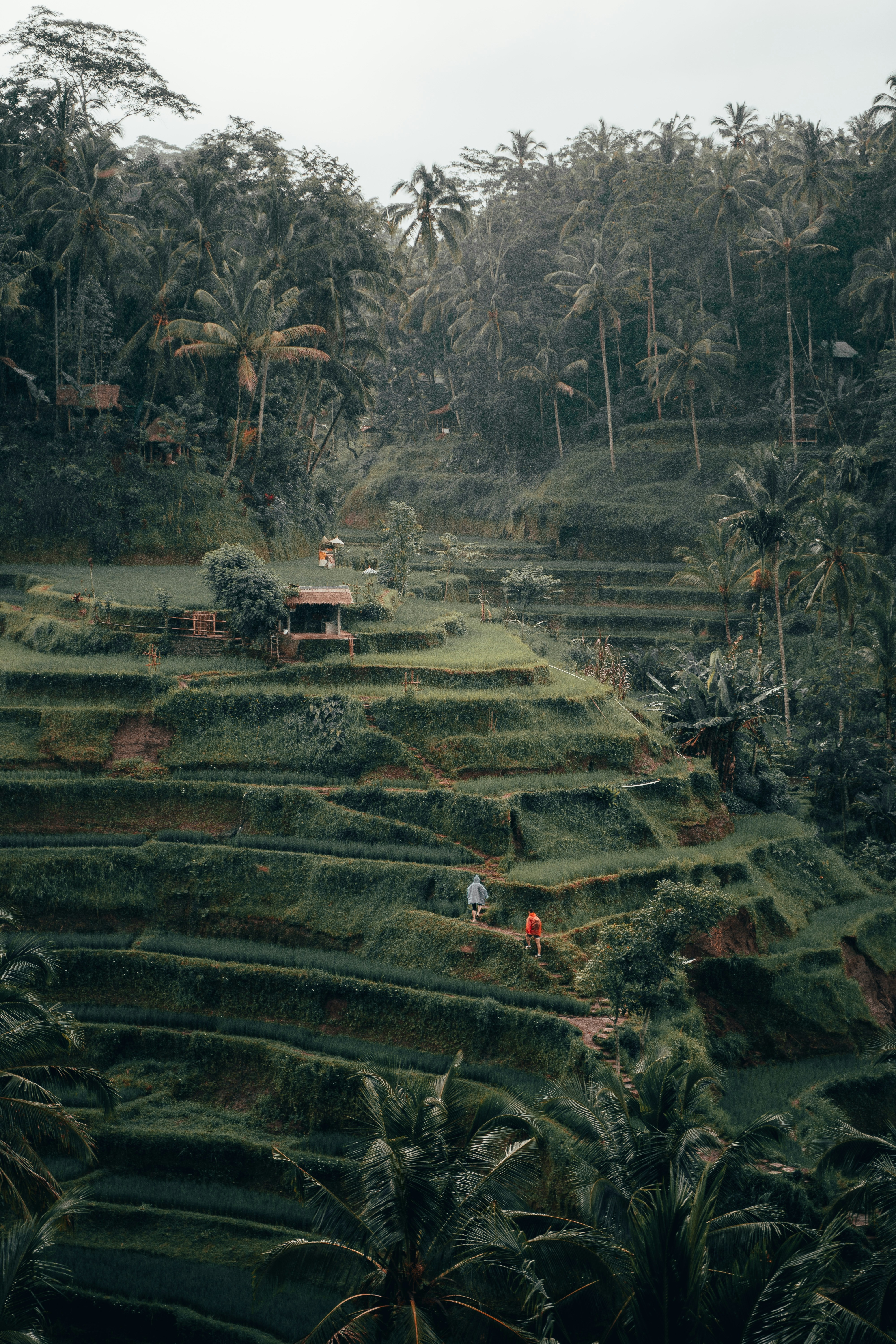
5 Days in Bali: Beaches, Temples, and Rice Terraces
Complete 5-day Bali itinerary covering Ubud, Seminyak, Uluwatu, and Nusa Penida.
26 June 2026

Vietnam in 5 Days: The Perfect Extended Itinerary
A detailed 5-day itinerary for Vietnam with daily activities, costs, neighborhoods, and transport tips for an extended stay.
12 May 2026

Philippines in 5 Days: The Perfect Extended Itinerary
A detailed 5-day itinerary for Philippines with daily activities, costs, neighborhoods, and transport tips for an extended stay.
9 May 2026
Best Coworking Spaces in Southeast Asia for Digital Nomads
Top coworking spaces across Bali, Bangkok, Chiang Mai, Ho Chi Minh City, and more.
26 June 2026
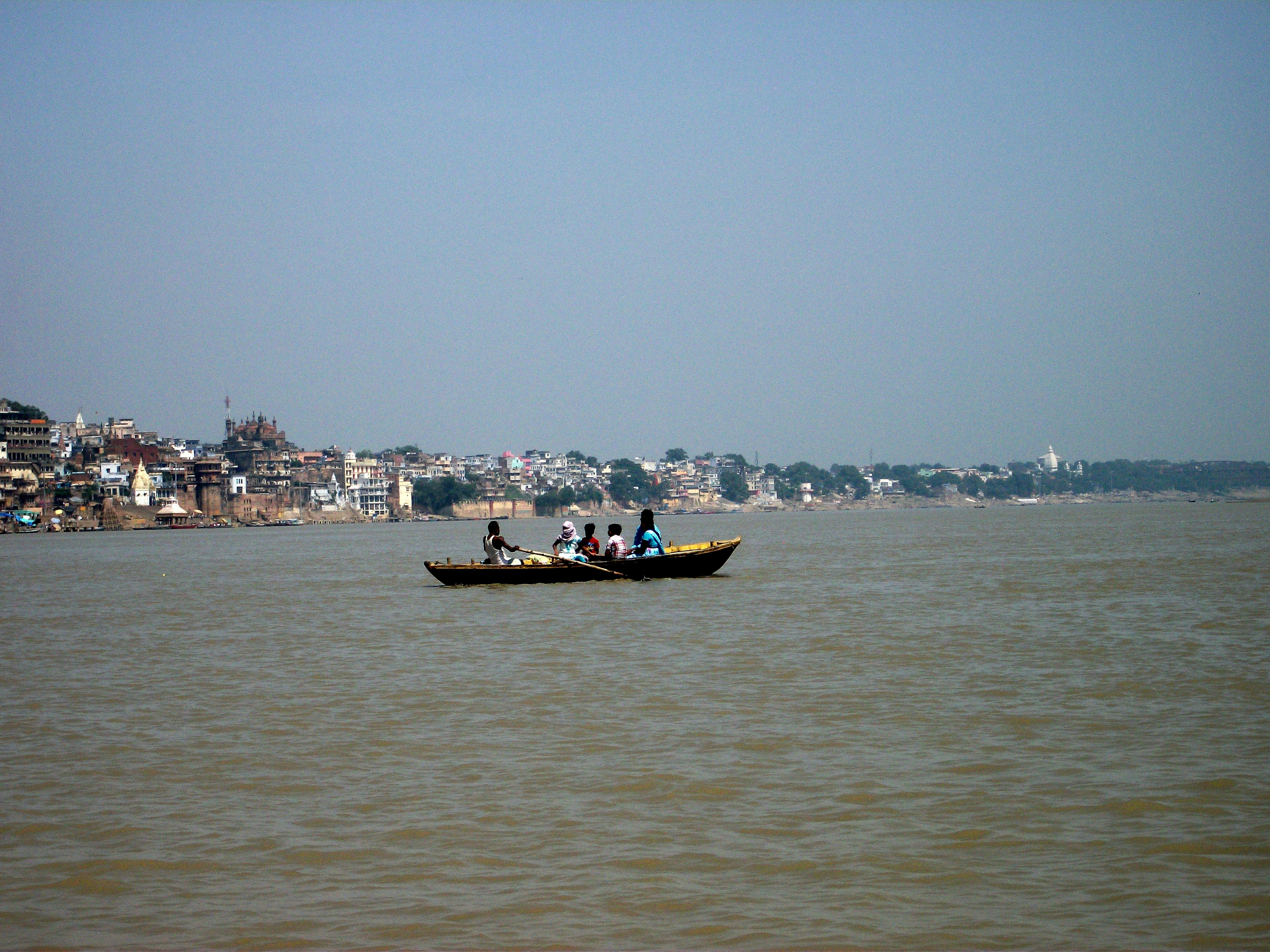
Laos in 5 Days: The Perfect Extended Itinerary
A detailed 5-day itinerary for Laos with daily activities, costs, neighborhoods, and transport tips for an extended stay.
7 May 2026
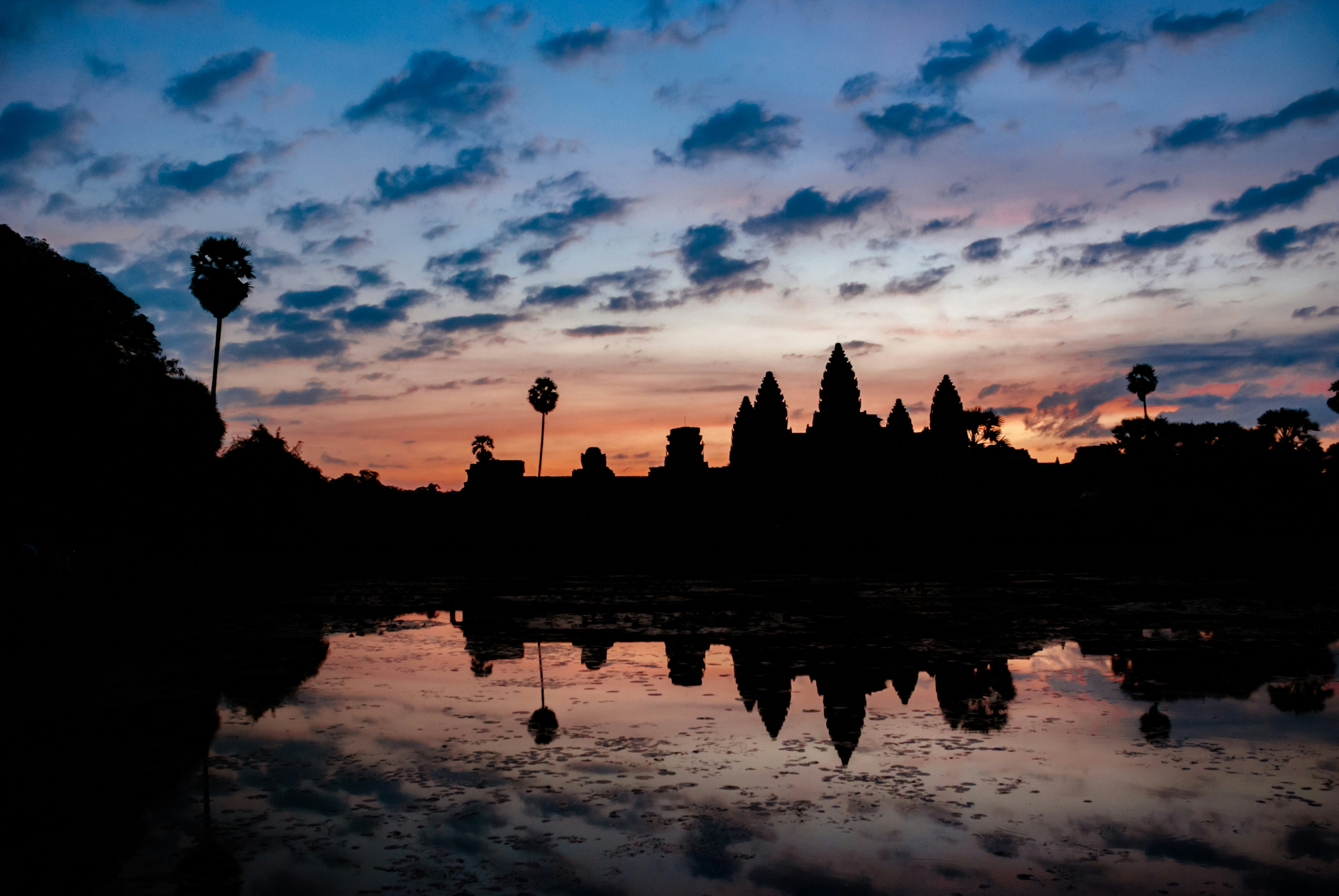
Cambodia in 5 Days: The Perfect Extended Itinerary
A detailed 5-day itinerary for Cambodia with daily activities, costs, neighborhoods, and transport tips for an extended stay.
4 May 2026
Indonesia in 5 Days: The Perfect Extended Itinerary
A detailed 5-day itinerary for Indonesia with daily activities, costs, neighborhoods, and transport tips for an extended stay.
6 May 2026
More Travel Guides
Topic Guide
Travel Expense Tracking: Complete Guide to Managing Trip Budgets
How to track expenses while travelling — multi-currency budgets, receipt scanning, splitting costs with friends, and staying on budget.
Topic Guide
Solo Travel Safety Guide: Tips for Travelling Alone
Essential safety advice for solo travellers — personal safety, scam prevention, accommodation tips, and staying connected.
Topic Guide
First International Trip: Step-by-Step Guide for New Travellers
A complete beginner guide to international travel — planning, packing, airports, currency, safety, and essential apps.
Topic Guide
Best Digital Nomad Destinations: Complete Remote Work Guide
Top destinations for remote work — coworking spaces, internet speed, cost of living, visa programs, and community.