Key Takeaways
- ✓Solo travel safety is easiest to maintain when your trip is simple, well paced, and planned around predictable transport and accommodation.
- ✓[Singapore](/singapore) and [Japan](/japan) are often strong first-time solo travel choices because they combine structure, transit access, and clear logistics.
- ✓[Iceland](/iceland) and [New Zealand](/new-zealand) can be excellent solo destinations, but their safety needs are more tied to weather, driving, and distance.
- ✓Hello eSIM helps solo travellers stay safer by keeping maps, messaging, and bookings accessible on arrival across 200+ countries.
- ✓Accommodation safety depends on location, arrival time, and ease of return after dark, not just room quality or price.
- ✓The best anti-scam strategy is to slow down, verify details, and avoid accepting unexpected pressure or urgency.
- ✓A simple daily routine — check route, charge phone, share plans, and confirm return time — prevents many solo travel mistakes.
- ✓Emergency readiness works best when your critical information is saved in multiple places and easy to access quickly.
Solo travel safety is less about fear and more about systems: choosing the right destination, planning movement wisely, staying digitally connected, and building habits that reduce risk without reducing freedom. This guide brings those pieces together into one practical hub for travelling alone safety tips, with advice that applies whether you are booking your first solo trip or refining a routine you already trust.
You will find a clear framework for assessing destinations, deciding where to stay, moving around confidently, avoiding common scams, and preparing for emergencies. The guide also connects these safety principles to destination planning and connectivity, including where a Japan, Iceland, Singapore, or New Zealand trip may feel easier or more challenging for solo travellers in 2026. Because staying online is a major part of modern solo travel safety, you will also see where Hello eSIM can help you maintain maps, messaging, ride-hailing, and emergency contact access across 200+ countries with instant activation.
This is a pillar guide, so it goes beyond isolated tips. It compares safety trade-offs across destinations and travel styles, offers simple decision tools, and gives step-by-step checklists you can use before departure and on the road. The goal is not to make solo travel feel cautious or restrictive. It is to help you travel independently with more confidence, better judgment, and fewer avoidable surprises.
Solo travel safety starts with the right mindset and trip design
"Solo travel safety is built before departure: choose destinations that match your comfort level, keep your plan simple, stay connected, and reduce avoidable uncertainty. The safest solo trips are usually the ones where the traveller knows where they are going, how they will get there, and what they will do if plans change."
The most useful solo travel safety tips begin with planning choices, not just street-level precautions. A well-designed trip lowers risk by reducing late-night arrivals, complicated transfers, and unnecessary schedule pressure. In 2026, that means prioritising destinations with clear transport systems, strong digital access, and straightforward accommodation options. For many first-time solo travellers, places like Singapore, Japan, and parts of New Zealand feel easier to manage because information is accessible, transit is well signed, and emergency support is easier to find.
A good planning rule is to separate your trip into three layers: arrival, daily movement, and downtime. Arrival is when you are most vulnerable, so book airport transfers or choose routes that avoid late-night wandering. Daily movement should be straightforward enough that you can get back to your hotel without relying on memory alone. Downtime matters because many solo travellers make safety mistakes when they are tired, rushed, or trying to improvise in an unfamiliar area.
This section pairs well with destination-specific planning guides like 3 Days in Tokyo: The Perfect Itinerary for First-Timers and Iceland in 5 Days: The Perfect Extended Itinerary, which show how to build realistic pacing into a trip. It also helps to read Getting Around Japan: Transport Guide for Travellers and Getting Around Singapore: Transport Guide for Travellers before you leave, because safety often comes from understanding transit, not from avoiding movement altogether.
For many travellers, the biggest solo travel guide lesson is simple: less improvisation usually means more safety. The more you know in advance, the less likely you are to make choices under pressure.
A practical pre-trip filter:
- Choose destinations with clear signage and reliable public transport.
- Avoid booking accommodation far from the places you will actually visit.
- Save offline maps, hotel details, and emergency numbers before departure.
- Keep your first day light so you can recover from jet lag and orient yourself.
- Use Hello eSIM so you have data on arrival for maps, messaging, and bookings.
How to compare destinations for safe solo travel in 2026
"The safest solo travel destinations are usually those with strong transport, low confusion, good lighting, dependable connectivity, and a culture of predictable public behaviour. In 2026, that often makes places like Singapore and Japan especially comfortable for first-time solo travellers, while rural or weather-exposed destinations require more planning."
Not every destination poses the same kind of risk. Some places are safer in terms of petty crime but harder in terms of navigation, weather, or isolation. Others are easy to navigate but can feel more demanding after dark or in crowded tourist areas. A good solo travel safety strategy is to compare destinations by risk type, not by a simple safe/unsafe label.
For example, Singapore tends to be strong for first-time solo travellers because transit is highly organised, English is widely used, and logistics are straightforward. Japan is also frequently favoured for solo trips because public transport is efficient and solo dining is common, but busy hubs can create navigation stress if you arrive without connectivity. Iceland can feel exceptionally safe in terms of crime, yet road conditions, distance between services, and weather can create different safety challenges. New Zealand offers freedom and outdoor access, but solo drivers still need to think carefully about fatigue, rural gaps, and changing conditions.
This is why “safe solo travel destinations” should be evaluated on a matrix: transport reliability, nighttime comfort, emergency access, language comfort, and environmental risk. The more categories a place scores well in, the better it suits a first solo trip. If a destination scores lower in one area, you can often compensate with planning: book daytime arrivals, stay central, keep a local data connection via Hello eSIM, and choose simpler routes.
This comparative lens is more useful than generic advice because it helps you match the destination to your experience level. A traveller who is comfortable navigating train systems may prefer Japan, while someone who values compactness and predictability may start with Singapore. A traveller planning scenic solitude may still choose Iceland, but with more attention to driving and weather.
When in doubt, pick the destination where safety is easiest to maintain rather than just hope for.
Destination comparison table: where solo travellers usually feel safest
"Solo travellers often feel safest in destinations that combine low confusion, strong transport, and easy digital access. In 2026, Singapore is typically the most straightforward urban option, Japan balances safety and complexity well, Iceland is excellent for low-crime travel but requires environmental awareness, and New Zealand is best approached with outdoor and driving planning."
| Destination | Strengths for solo travellers | Main solo-travel caution | Best fit |
|---|---|---|---|
| Singapore | Very clear transport, compact geography, strong signage, easy orientation | Heat, fatigue, and overstaying in crowded nightlife zones | First-time solo travellers and short city breaks |
| Japan | Efficient transit, strong public order, solo-friendly food culture | Complex stations, rush-hour crowds, and occasional language friction | Independent travellers who like structure |
| Iceland | Low crime, open space, high personal freedom | Weather, road conditions, long distances, isolation | Nature-focused travellers with planning discipline |
| New Zealand | Outdoor access, friendly travel culture, flexible trip styles | Driving fatigue, remote stretches, limited services in some areas | Solo road-trippers and activity travellers |
Use this table as a decision aid, not a ranking of absolute safety. A destination can be very safe and still feel challenging if it requires self-navigation, weather judgment, or driving confidence. That is why the best solo travel guide advice is always contextual: what feels easy to one traveller may feel stressful to another.
If your priority is a low-friction first solo trip, start with Singapore or a highly central stay in Japan. If you want scenic independence and are comfortable managing conditions, Iceland and New Zealand can be excellent choices. In all four destinations, staying online with Hello eSIM helps you reduce friction by keeping maps, bookings, and communication available the moment you land.
For deeper destination planning, pair this overview with Getting Around Japan: Transport Guide for Travellers, Getting Around Iceland: Transport Guide for Travellers, and Getting Around New Zealand: Transport Guide for Travellers.
Accommodation safety: where you stay shapes how safe you feel
"For solo travellers, accommodation safety is about more than locks and reviews. The safest choice is usually a place that is easy to find, easy to enter, easy to return to at night, and located near the transit or activities you will actually use."
Accommodation is one of the most important solo travel safety decisions because it affects your arrival, sleep, and late-night movement. A well-located hotel or guesthouse reduces the need for dark walks, confusing transfers, and last-minute navigation. When comparing options, look for a place near a main station, with 24-hour reception or clear self-check-in instructions, strong guest reviews on cleanliness and staff responsiveness, and a neighbourhood that feels active rather than isolated.
For solo travellers, the “best” accommodation is often not the cheapest or the most stylish. It is the one that makes everyday logistics simpler. In Japan, for example, staying near a major station can make late arrivals easier and reduce stress on day one. In Singapore, proximity to MRT access and central districts can matter more than room size. In Iceland, being located close to your pickup point or within a practical driving radius may be more valuable than staying somewhere scenic but remote. For New Zealand, the trade-off is often between convenience in town and comfort on a road trip.
A strong safety routine is to check three layers before booking: the building, the neighbourhood, and the route back after dark. Also check whether the property provides luggage storage, clear contact instructions, and stable Wi-Fi. Even with Hello eSIM, good accommodation Wi-Fi can be helpful as a backup, but do not assume it will be enough on arrival.
Use 3 Days in Tokyo: The Perfect Itinerary for First-Timers and Iceland in 5 Days: The Perfect Extended Itinerary to see how itinerary design influences where to stay. A hotel that works for a packed sightseeing schedule may not be ideal if your travel style is slow, social, or outdoors-focused.
A simple rule: choose the accommodation that lowers the number of decisions you must make after dark.
Transportation and nighttime movement: the moments that matter most
"Most solo travel risk clusters around movement: arriving late, leaving transit too late, taking unfamiliar routes, or getting tired and improvising. The safest solo travellers reduce friction by planning every key transfer, especially the airport-to-hotel leg and the return home after dark."
Transport safety is one of the most practical parts of travelling alone safety tips because it affects the exact moments when travellers are most exposed. The goal is not to avoid moving around; it is to make movement predictable. In cities with strong transit, that often means using trains, metro systems, or official airport transport rather than relying on uncertain late-night options. In road-trip destinations, it means respecting fatigue, weather, and distance between fuel or service stops.
This is where destination choice and itinerary design overlap. Getting Around Japan: Transport Guide for Travellers is useful because Japan’s rail network can make solo movement efficient, but crowded stations still require orientation and patience. Getting Around Singapore: Transport Guide for Travellers helps travellers understand how compact urban travel can reduce exposure. Getting Around Iceland: Transport Guide for Travellers and Getting Around New Zealand: Transport Guide for Travellers are especially relevant for solo drivers because self-drive safety is tied to weather, daylight, and alertness.
In 2026, the most useful solo transport habits are simple: arrive during daylight when possible, pre-save your route, know the last-train or last-service times, and never rely on memory alone if you are tired. If you are using ride-hailing or taxis, verify vehicle details before getting in and share your trip status with someone you trust. If you are using public transit, keep your phone charged and your data active so you can re-check directions at the station rather than on the street.
Hello eSIM matters here because connectivity is often a safety tool, not a convenience. With data available on arrival, you can confirm station exits, open maps, message your accommodation, and check your next move without waiting for hotel Wi-Fi.
If you want a smoother, safer first-day arrival, build your trip around daylight transfers and one simple final leg to your hotel. That single decision can remove a surprising amount of solo travel stress.
Staying connected: why digital safety is part of physical safety
"For solo travellers in 2026, staying connected is a core safety habit, not an optional extra. A reliable data connection lets you use maps, share your location, rebook transport, contact your accommodation, and access emergency information when Wi-Fi is unavailable."
Digital safety supports physical safety because most solo travel decisions now happen through a phone. If you cannot load a map, open a booking, or message your host, small problems become bigger ones. That is why connectivity should be treated as a travel safety layer from the moment you land. The simplest way to do that is to activate Hello eSIM before or immediately after arrival, so you have mobile data for navigation, messaging, and trip management across 200+ countries.
A strong solo travel setup usually includes three things: a working SIM or eSIM, offline backups, and battery discipline. Offline maps are valuable if signal drops, but they are not a replacement for live data because real-time transport, accommodation check-in, and emergency communication all depend on connectivity. Keep your phone charged, carry a power bank, and save essential details like your hotel name, booking reference, and emergency numbers in more than one place.
This matters especially in destinations where solo travellers may move through large stations or unfamiliar road networks. Do I Need an eSIM for Japan? Everything You Need to Know and eSIM for Japan: Best Plans, Coverage, and Setup Tips explain why data access is particularly useful in Japan, while eSIM for Iceland: Best Plans, Coverage, and Setup Tips and eSIM for New Zealand: Best Plans, Coverage, and Setup Tips help travellers prepare for more remote or road-based trips. If you are planning across multiple countries, Best eSIM Plans for Asia Travel in 2026 is useful for understanding regional trip coverage.
The practical rule is straightforward: if your safety plan depends on your phone, your phone needs power and data. That means downloading what you need, protecting your device, and avoiding the assumption that free Wi-Fi will always be available when you need it most.
For solo travellers, being connected is not about constant scrolling. It is about being able to act quickly when plans change.
Best eSIM Plans for Asia Travel in 2026
eSIM & ConnectivityDo I Need an eSIM for Japan? Everything You Need to Know
eSIM & ConnectivityeSIM for Japan: Best Plans, Coverage, and Setup Tips
eSIM & ConnectivityeSIM for Iceland: Best Plans, Coverage, and Setup Tips
eSIM & ConnectivityeSIM for New Zealand: Best Plans, Coverage, and Setup Tips
Scam prevention, street awareness, and common solo-travel mistakes
"Most solo travel scams rely on distraction, urgency, or confusion rather than force. The best defence is simple: slow down, verify details, avoid pressure, and trust systems you chose in advance instead of offers that appear unexpectedly on the street."
Solo travellers are often targeted because they may look uncertain, visibly map-checking, or open to help. The good news is that many common problems are preventable with a few consistent habits. Do not follow unsolicited directions from strangers if you can verify them yourself. Avoid revealing exactly where you are staying. Be careful with overly friendly offers that become urgent requests for money, transport, or a detour. If a deal seems unusually cheap or unusually convenient, pause and check it.
A useful mindset is to separate kindness from compliance. You can be polite without accepting help that places you in a vulnerable position. This is especially important in crowded terminals, nightlife areas, and tourist zones where distraction is common. Keep cash and cards separated, avoid carrying every document together, and use your phone to verify addresses before entering a taxi or ride-hail vehicle.
The safer you are as a solo traveller, the less often you make decisions under pressure. That means planning ahead for common friction points: late arrivals, language barriers, ticket machines, and payment issues. If you know your route, your accommodation, and your backup option, you are much harder to manipulate.
This section connects well with Japan Cultural Guide: Etiquette, Customs, and Tips and New Zealand Cultural Guide: Etiquette, Customs, and Tips, because understanding local norms helps you distinguish genuine assistance from unwanted pressure. It also helps to read the transport guides for each destination, because many scam-like problems are really just navigation errors in disguise.
A practical anti-scam checklist:
- Verify taxi or ride details before entering.
- Keep your phone out only when you need it, then put it away.
- Confirm prices before agreeing to services.
- Use hello eSIM data to check directions and official contact pages.
- If you feel rushed, stop the transaction and leave.
For solo travellers, confidence grows when your default answer is “let me check” instead of “yes, immediately.”
Building a solo travel safety routine day by day
"The safest solo travellers use routines, not just instincts. A simple daily system — check your route, confirm your return time, keep your phone charged, and update someone on your plans — prevents many of the small problems that become big problems when you are alone."
A daily routine turns solo travel safety from a vague concern into repeatable behaviour. Start each day by checking your route, weather, opening hours, and your expected return time. Before leaving, make sure your phone is charged, your data is active, and you have enough cash or card access for the day. If you change plans, update the one person who would need to know where you are and when you expect to return.
This routine should be simple enough to use even when you are tired. The best systems are the ones you will actually keep using. For example, after breakfast you might check your hotel address, save today’s major stops, and note the safest way back at night. Before dinner, you might confirm the last transit time, then decide whether you want to return before dark or stay out longer with a clear plan. Small habits like these reduce uncertainty and help you avoid late-night improvisation.
When your trip includes multiple cities or climates, the routine matters even more. A Japan trip may involve dense transit and busy station exits, while an Iceland itinerary may involve road conditions and daylight changes. In both cases, a simple daily check-in keeps you from assuming today will feel like yesterday. That is where itinerary-based reading such as Japan in 5 Days: The Perfect Extended Itinerary and 3 Days in Iceland: A Day-by-Day Itinerary becomes useful, because it shows how safety and pacing interact.
A practical day plan for solo travellers in 2026:
- Confirm weather, route, and transport.
- Share your rough schedule with someone.
- Carry power, water, and payment access.
- Check in with yourself before accepting detours.
- Return with enough time to avoid rushed decisions.
This is the part of the solo travel guide that makes everything else work. Once your daily routine is stable, the trip feels less uncertain and much more enjoyable.
Emergency preparation and what to do when plans go wrong
"Emergency readiness is a core part of travelling alone safety tips because solo travellers cannot rely on a companion to remember details, negotiate for them, or make decisions under stress. The safest approach is to prepare simple backups before you need them."
The ideal solo travel safety plan assumes that something will eventually go off script: a delayed train, a missed check-in message, a dead phone battery, a sudden weather change, or a problem with accommodation. Preparation does not eliminate disruption, but it keeps disruption manageable. In practice, that means you should know local emergency numbers, save your accommodation contact, keep copies of key documents, and have a backup payment method.
It also means understanding what to do in the first 10 minutes of a problem. If you are lost, stop walking and re-check your position in a safe, well-lit place. If your phone battery is low, switch to power-saving mode immediately. If you miss transport, reassess instead of rushing into the first available option. If you feel unwell or unsafe, go to a staffed location such as a hotel desk, station counter, or open business before making your next decision.
For travellers using Hello eSIM, the emergency advantage is continuity. If your data works on arrival, you are far more likely to contact your hotel, access maps, and verify your next step quickly. That matters in destinations where weather or distance can turn small delays into bigger logistical problems, especially in Iceland and New Zealand. For city-based trips in Japan and Singapore, the same principle applies when you need to re-route, find support, or communicate clearly in a busy environment.
The most helpful emergency habit is to make your information easy to find. Put hotel details, passport photos, insurance information, and emergency contacts in your phone and in a separate backup location. If possible, tell one trusted person your rough itinerary and the name of your first-night accommodation.
An emergency-ready solo traveller is not paranoid. They are prepared enough that one bad moment does not become a ruined trip.
Iceland Visa & Entry Requirements for Singapore Passport Holders
Visa & EntryJapan Visa & Entry Requirements for Singapore Passport Holders
Visa & EntryNew Zealand Visa & Entry Requirements for Singapore Passport Holders
Visa & EntrySingapore Visa & Entry Requirements for Singapore Passport Holders
How to choose the right solo travel style for your comfort level
"The best solo travel style is the one that matches your confidence, not the one that sounds most adventurous. First-time solo travellers usually do best with compact cities and simple logistics, while experienced travellers can add road trips, remote landscapes, and looser plans once their routines are reliable."
Solo travel safety is not just about where you go; it is about how you travel. A city break, a rail-based trip, a self-drive itinerary, and a wilderness-focused journey each create different levels of independence and risk. The right choice depends on how much uncertainty you enjoy handling. If your comfort comes from structure, a city-and-transit approach in Singapore or Japan is usually easier. If your comfort comes from space and scenery, Iceland or New Zealand may be better, provided you respect the added planning needs.
This is where a simple decision framework helps. Choose the trip style that best matches your top priority:
- Ease: compact cities, reliable transit, and easy check-ins.
- Freedom: open days, flexible movement, and fewer bookings.
- Nature: driving, weather awareness, and longer distances.
- Culture: language preparation, etiquette, and local systems.
Then decide what you are willing to manage on your own. If you do not want to drive, avoid road-heavy itineraries. If you do not want to handle complex transit, keep your first trip urban. If you want to explore with more independence, build that confidence on shorter trips first. Guides like Japan Autumn Leaves 2026: Best Spots for Koyo Season and Japan Cherry Blossom Season 2026: When and Where to See Sakura are good examples of seasonal trips that can be very rewarding but also more crowded, which changes your safety planning.
At a glance, the safest progression for many travellers is city first, then mixed itinerary, then more remote travel. That sequence builds judgment without overwhelming you. It also lets you learn how your own habits change when you are alone, tired, excited, or navigating new terrain.
Solo travel should feel empowering, not performative. The safest itinerary is the one you can handle calmly from start to finish.
Frequently Asked Questions
What is the safest destination for first-time solo travellers in 2026?
Do I need Hello eSIM for solo travel safety?
Hello eSIM is not mandatory, but it is highly useful because solo travel safety often depends on live access to maps, messaging, bookings, and transport updates. Having data on arrival reduces the risk of getting lost, missing check-in instructions, or relying on unsafe public Wi-Fi.
How can I avoid scams when travelling alone?
Slow down, verify prices and directions, and avoid offers that create urgency. Keep your accommodation private, confirm taxi or ride details before getting in, and use your phone to check official information instead of relying on unsolicited help.
Is it safe to travel alone at night?
It can be safe in some places, but solo travellers should treat night movement as a higher-risk time. The safer choice is to plan returns in advance, use known transport, avoid unlit shortcuts, and reduce the number of decisions you need to make after dark.
Which destinations are best for solo road trips?
New Zealand and Iceland are popular for road-based solo travel, but both require attention to weather, fatigue, daylight, and distances between services. They are best for travellers who are comfortable planning around driving conditions.
What should I do if I lose my phone while travelling alone?
Use your backup plan immediately: access your accommodation details from another device or paper copy, contact your bank if needed, and rely on your pre-saved emergency and booking information. This is why it helps to store key details in more than one place before you leave.
How do I choose accommodation for solo travel safety?
Pick a place that is easy to find, near the transport you will actually use, and in a neighbourhood that feels active after dark. For many solo travellers, convenience and visibility matter more than saving a small amount on a room.
Detailed Articles
Dive deeper into specific topics covered in this guide.
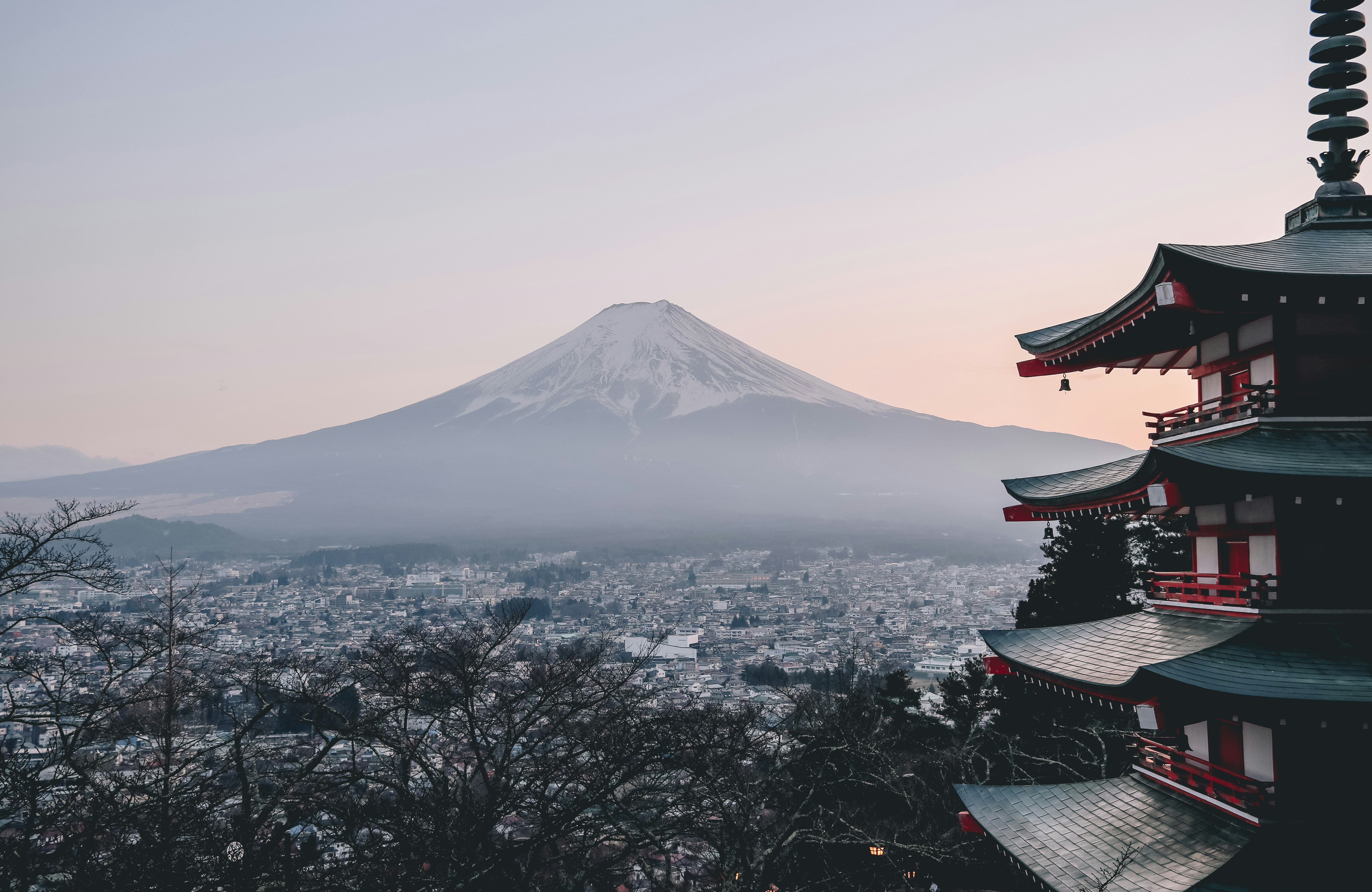
3 Days in Tokyo: The Perfect Itinerary for First-Timers
Day-by-day Tokyo itinerary with activities, food, transport, and daily budget breakdown.
26 June 2026
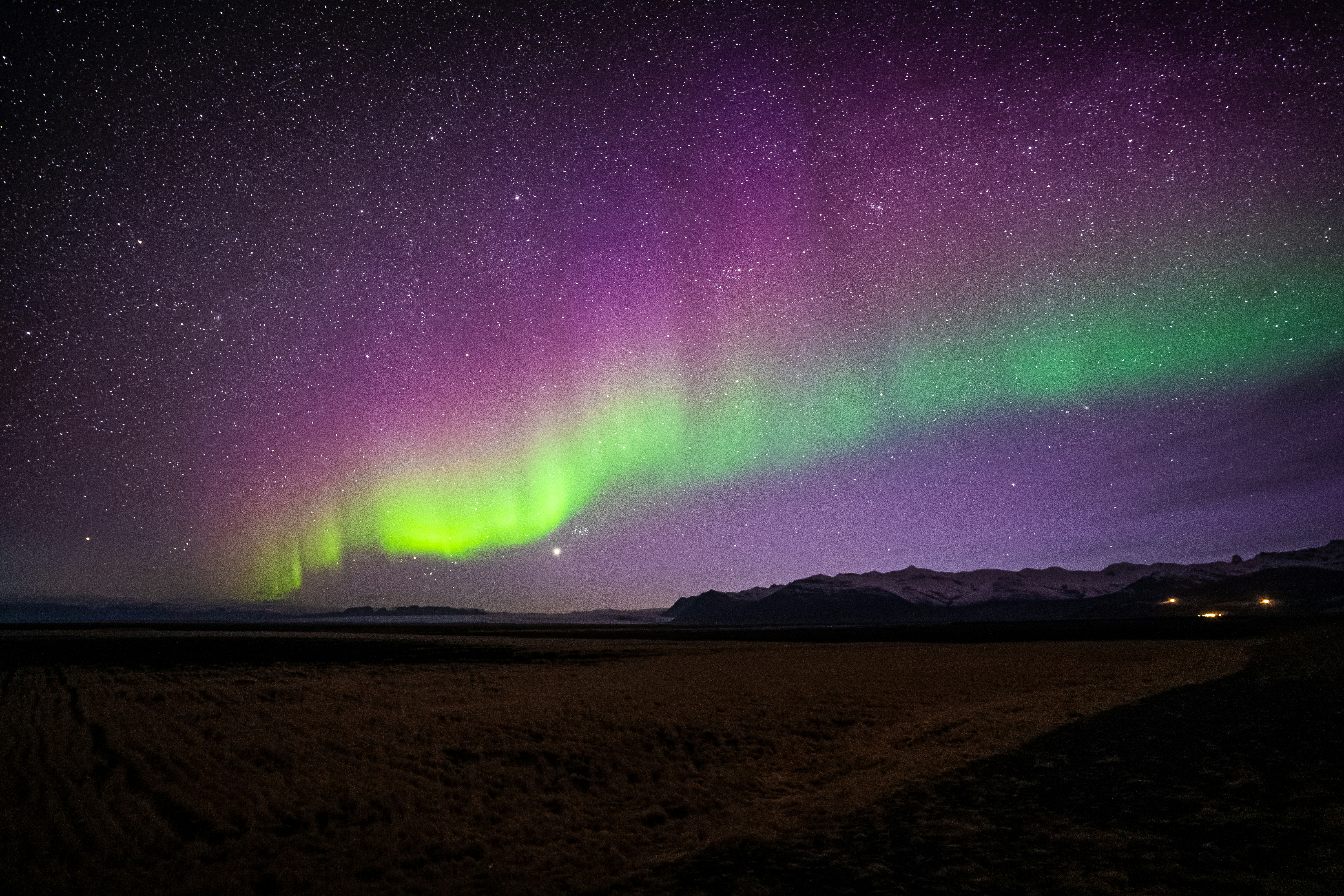
Iceland in 5 Days: The Perfect Extended Itinerary
A detailed 5-day itinerary for Iceland with daily activities, costs, neighborhoods, and transport tips for an extended stay.
6 May 2026
Getting Around Japan: Transport Guide for Travellers
Airport transfers, public transport, ride-hailing apps, inter-city travel, and driving tips for Japan.
25 May 2026
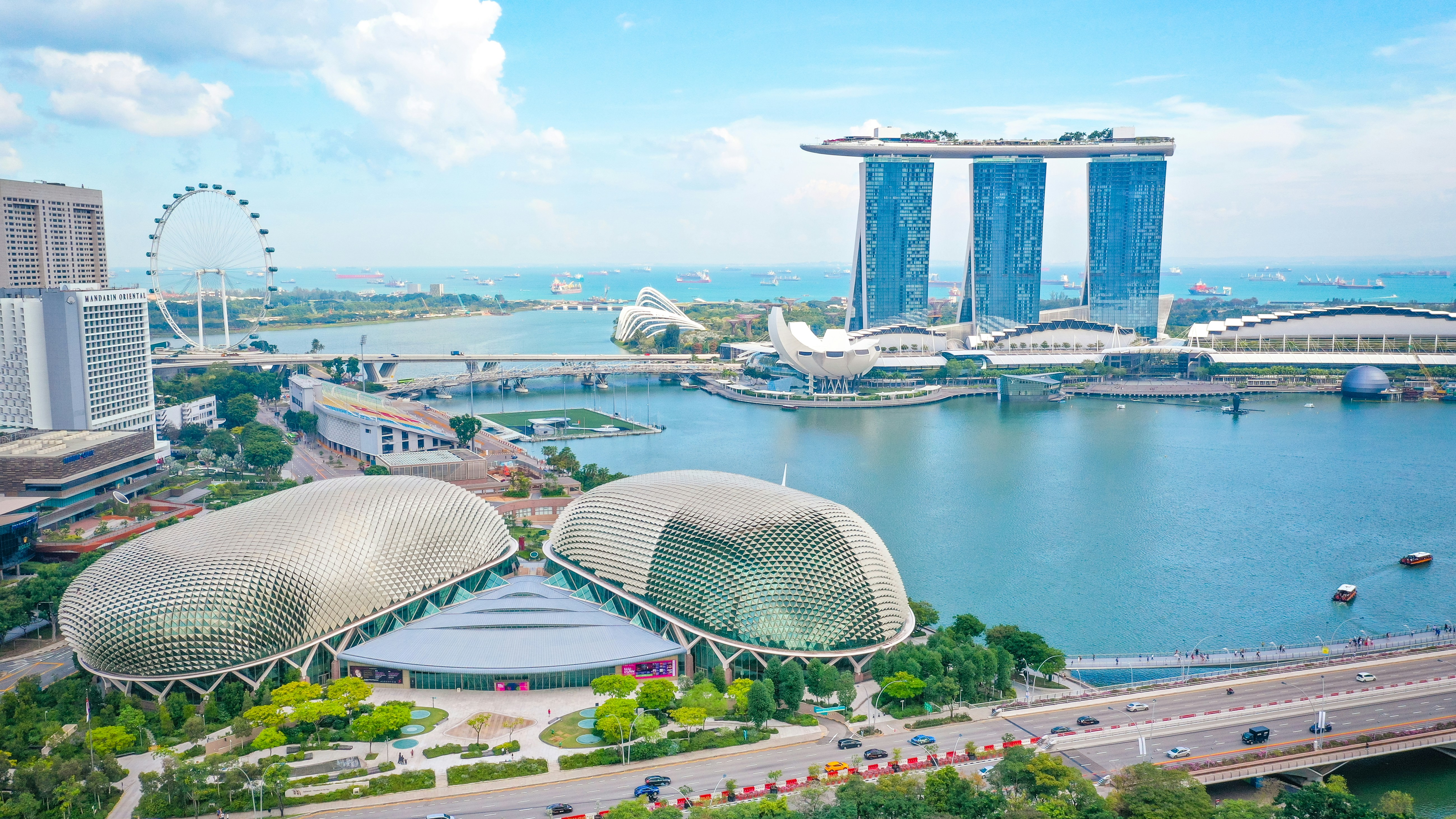
Getting Around Singapore: Transport Guide for Travellers
Airport transfers, public transport, ride-hailing apps, inter-city travel, and driving tips for Singapore.
28 May 2026
Singapore in 5 Days: The Perfect Extended Itinerary
A detailed 5-day itinerary for Singapore with daily activities, costs, neighborhoods, and transport tips for an extended stay.
10 May 2026
Japan in 5 Days: The Perfect Extended Itinerary
A detailed 5-day itinerary for Japan with daily activities, costs, neighborhoods, and transport tips for an extended stay.
6 May 2026
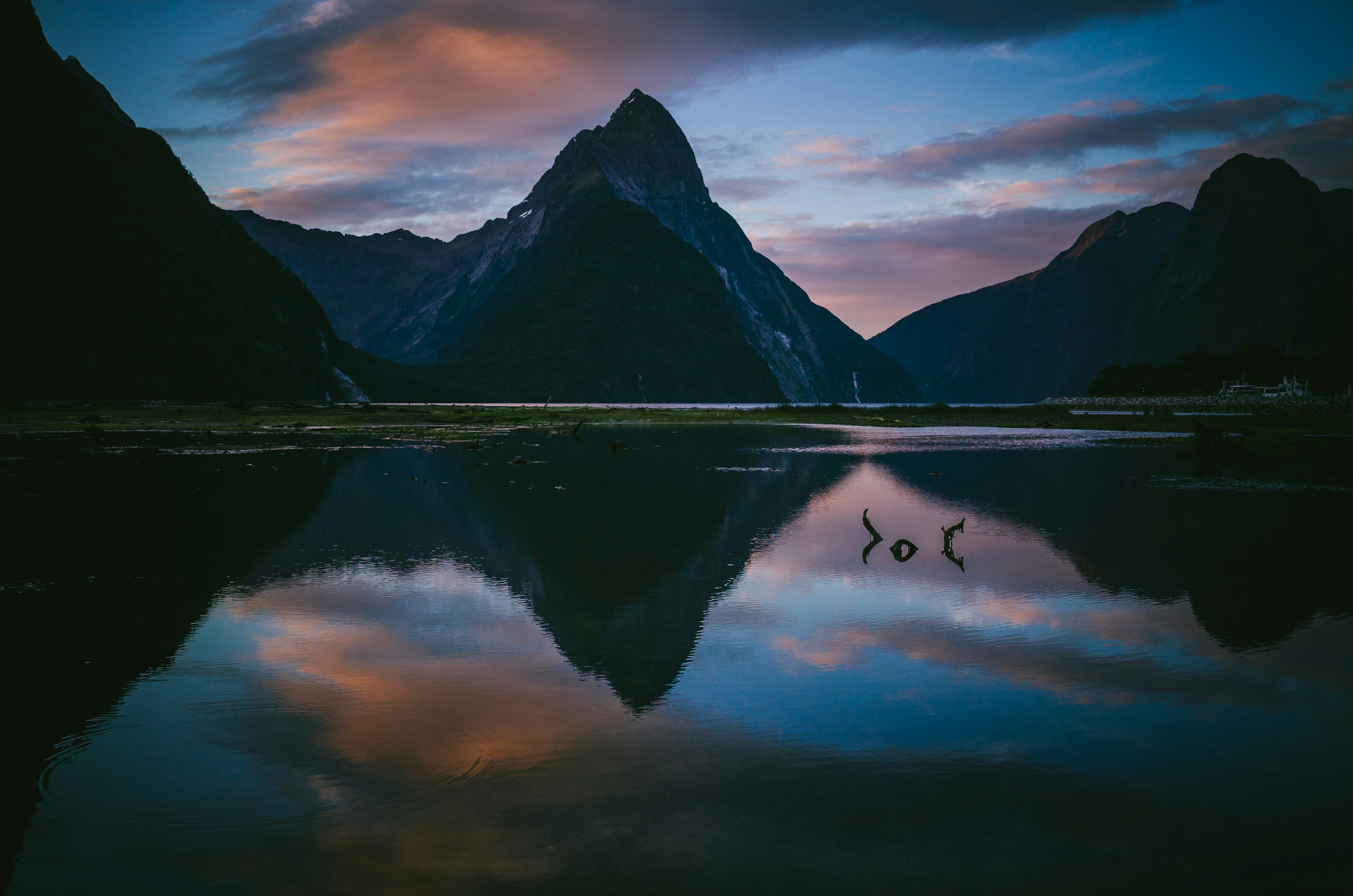
New Zealand in 5 Days: The Perfect Extended Itinerary
A detailed 5-day itinerary for New Zealand with daily activities, costs, neighborhoods, and transport tips for an extended stay.
8 May 2026
Getting Around Iceland: Transport Guide for Travellers
Airport transfers, public transport, ride-hailing apps, inter-city travel, and driving tips for Iceland.
25 May 2026
More Travel Guides
Topic Guide
Travel Expense Tracking: Complete Guide to Managing Trip Budgets
How to track expenses while travelling — multi-currency budgets, receipt scanning, splitting costs with friends, and staying on budget.
Topic Guide
Southeast Asia Backpacking Guide: Routes, Budget & Tips
The ultimate backpacking guide for Southeast Asia — popular routes, daily budgets, best time to visit, and practical logistics.
Topic Guide
First International Trip: Step-by-Step Guide for New Travellers
A complete beginner guide to international travel — planning, packing, airports, currency, safety, and essential apps.
Topic Guide
Best Digital Nomad Destinations: Complete Remote Work Guide
Top destinations for remote work — coworking spaces, internet speed, cost of living, visa programs, and community.