Japan Autumn Leaves 2026: Best Spots for Koyo Season
Guide to autumn foliage in Japan. Peak viewing times, best locations from Hokkaido to Kyoto, and travel tips for koyo season.
By Hello Travel Team
This article contains affiliate links. If you book through them, Hello may earn a commission at no additional cost to you. Our editorial recommendations are independent. Learn more.
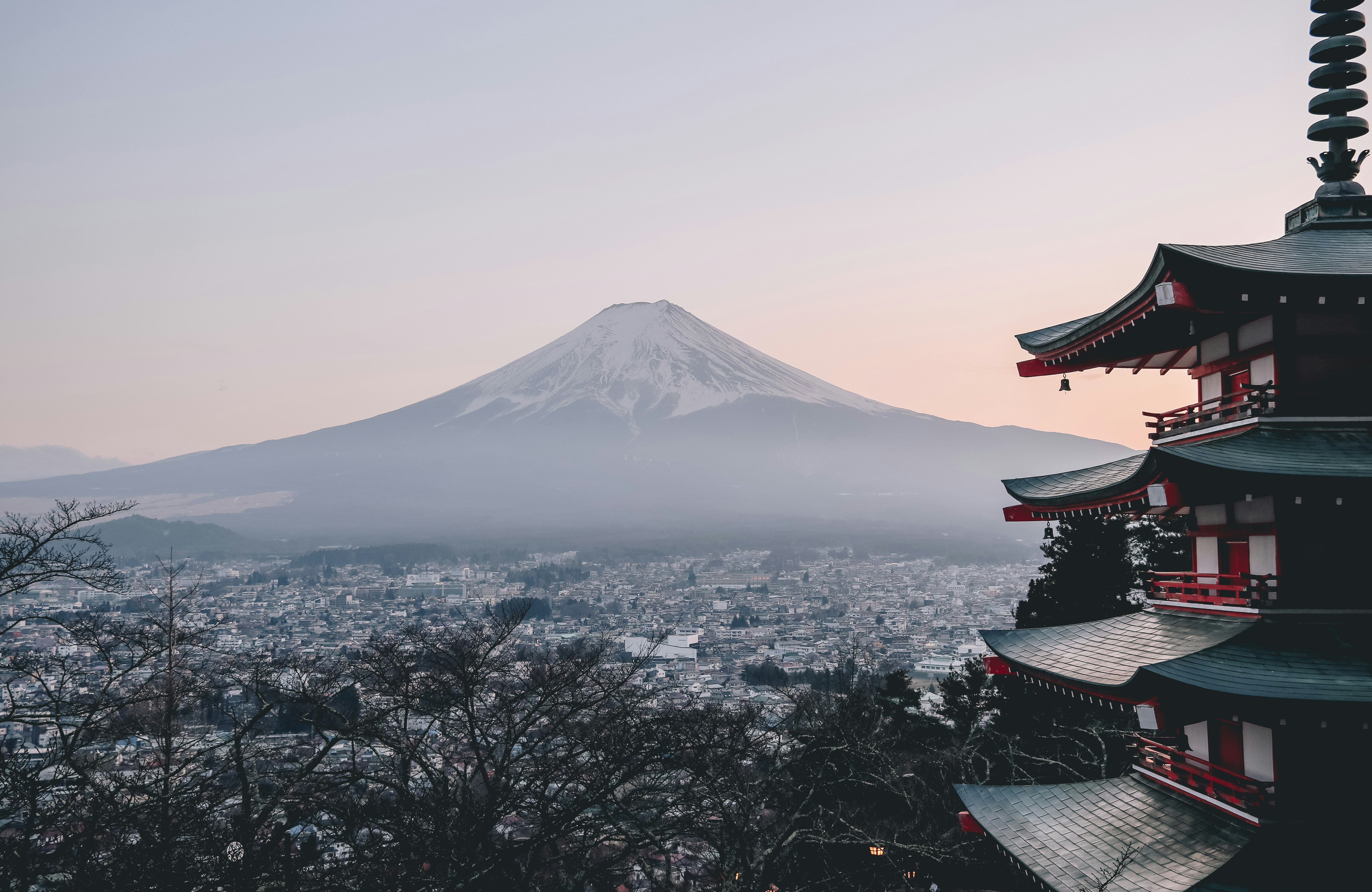
TL;DR: Japan Autumn Leaves 2026 at a Glance
Japan autumn leaves 2026 will run from mid‑September in Hokkaido to early December in Tokyo and Kyoto, with the absolute sweet spot for most travellers in the second half of November. Plan early, focus on 2–3 regions, and travel on weekdays to dodge peak crowds.
If you are aiming for classic koyo season photos – fiery maples over temple roofs, golden ginkgo-lined streets, and lakes mirroring red mountains – target 10–30 November 2026 for the main Honshu cities like Tokyo, Kyoto, and Osaka, according to multiple foliage forecasts and tour operators.
In 2024, Japan welcomed over 31 million international visitors according to JNTO, and autumn has quickly joined spring cherry blossom as a peak season. That means higher prices and busy trains, especially around Kyoto on November weekends. Expect mid‑range hotels in major cities to run $130–220 per night in 2026, with boutique stays in Kyoto easily higher around the November 20–30 peak.
To keep trip planning smooth, lock in accommodation 3–6 months out, and sketch out a basic route north-to-south (for example: Hokkaido → Tohoku → Tokyo → Kyoto → Hiroshima) or a tighter loop around Tokyo–Kyoto–Osaka if you only have one week. Combine that with a Hello eSIM for Japan for navigation and reservations on the go, and you’ll be set up for a relaxed, leaf‑chasing adventure.
When Is Koyo Season in 2026? Peak Autumn Dates by Region
Japan’s koyo season in 2026 will begin in Hokkaido around mid‑September and slowly move south, with most visitors finding the best balance of color and weather between early November and early December across the main sightseeing regions. That makes November 2026 the prime month for Japan autumn leaves.
According to the 2026 autumn foliage forecasts compiled by tour operators and foliage trackers, Hokkaido (especially Daisetsuzan) should see peak color from about mid‑September to early October, while Tohoku (Aomori, Akita, Sendai) hits its best from early to mid‑October. Mountain areas in central Honshu – places like Nikko, Nagano, and the Japanese Alps – typically peak mid‑October to mid‑November.
For most travellers focused on Tokyo, Kyoto, and Osaka, the magic window is later. Forecasts for 2026 suggest:
- Tokyo & Kanto (Hakone, Nikko): generally late November to early December, with a focal date around 23–30 November 2026 according to several fall foliage guides.
- Kyoto & Kansai (Osaka, Nara): mid‑November to early December, with peak color in many temple districts expected around 20–30 November 2026.
- Hiroshima & Chugoku, Shikoku, Kyushu: often late November into mid‑December.
Peak color in any given city usually lasts about two weeks, but specific parks and temples will turn slightly earlier or later. If you want to hedge against weather surprises, book at least 5–7 nights in your key region (e.g., Kyoto + Osaka) so you can chase the best color day‑by‑day using local forecasts.
Best Autumn Spots in Japan 2026: From Hokkaido to Kyoto
The best autumn spots in Japan for 2026 stretch from Hokkaido’s national parks in September to Kyoto’s temples and Tokyo’s gardens in late November, so the ideal route is to start north and finish in Kyoto or Tokyo if you have two weeks or more for koyo season.
In Hokkaido, Daisetsuzan National Park is usually the first place in Japan to turn, with forecasted peak color in mid‑ to late September 2026. Trails around Kurodake and Asahidake explode in red and gold, and you can base yourself in Asahikawa or Sounkyo Onsen (expect $80–150 per night for mid‑range stays). By early October, Sapporo’s parks and nearby onsen towns like Jozankei usually hit their stride.
Further south, Tohoku offers quieter but spectacular koyo: think Lake Towada and Oirase Gorge, Naruko Gorge in Miyagi, and Hirosaki Castle in Aomori. These typically peak from early to mid‑October, making them great if you’re travelling before the main crowds descend on Kyoto.
By November, the spotlight shifts to central Honshu and Kansai. Classic spots include:
- Nikko (Lake Chuzenji, Irohazaka): late October to early November.
- Fuji Five Lakes (Kawaguchiko): early to mid‑November, including the famous maple corridor.
- Kyoto: Arashiyama, Tofuku‑ji, Eikando, and Kiyomizu‑dera, expected to peak 20–30 November 2026.
For a relaxed trip, choose one northern region (Hokkaido or Tohoku) plus one main hub (Tokyo or Kyoto) instead of trying to chase every region in a single visit.
Tokyo, Kyoto, and the Golden Route: 2026 Foliage Highlights & Comparison
For most first‑time visitors, the best way to experience Japan autumn leaves 2026 is to follow the “Golden Route” from Tokyo to Kyoto and Osaka, timing your visit for late November when city parks, temples, and ginkgo‑lined boulevards all hit peak koyo within days of each other.
In Tokyo, forecasts and city tourism data point to late November to early December 2026 as the main window, with spots like Rikugien Garden, Shinjuku Gyoen, Yoyogi Park, and the Meiji Jingu Gaien ginkgo avenue staying colorful sometimes until the first week of December. Evening illuminations at Rikugien and Mejiro Garden (usually around 5–9 pm) are especially popular.
Kyoto, meanwhile, tends to peak slightly earlier, with multiple foliage trackers expecting November 20–30, 2026 as the prime period for Arashiyama, Tofuku‑ji, and Eikando. Popular temples often run special night light‑ups with separate entrance fees of around ¥800–1,500 (about $7–12 in 2026).
To help you choose, here is a quick comparison of key Golden Route koyo spots in 2026:
| Area / City | Typical 2026 Peak | Classic Spots | Crowd Level (Nov weekends) |
|---|---|---|---|
| Tokyo (Kanto) | Late Nov – early Dec | Shinjuku Gyoen, Rikugien, Yoyogi Park, Meiji Jingu Gaien | Very high |
| Hakone (near Tokyo) | Early – late Nov | Lake Ashi, Hakone Ropeway views | High |
| Kyoto (Kansai) | Mid–late Nov | Arashiyama, Tofuku‑ji, Eikando, Kiyomizu‑dera | Very high |
| Osaka | Late Nov – early Dec | Minoo Park, Osaka Castle Park | High |
| Nara | Mid–late Nov | Nara Park, Todaiji area | Medium–high |
If you’re short on time, a 7–9 day trip focused only on Tokyo, Hakone, and Kyoto/Osaka in late November will still give you a full range of koyo scenes without excessive train time.
Practical 2026 Travel Tips: Crowds, Costs, and Connectivity for Koyo Season
Autumn in Japan is one of the year’s busiest travel periods, so in 2026 you’ll want to book early, travel on weekdays, and use mobile tools like Hello for navigation, reservations, and budgeting to keep your koyo trip stress‑free and on budget.
With Japan back near pre‑pandemic visitor levels and JNTO reporting over 31 million international arrivals in 2024, demand for both cherry blossom and autumn foliage seasons is intense. That means for November 2026 you should aim to book flights 4–6 months ahead and Kyoto hotels 3–6 months ahead, especially for stays around November 20–30. Expect:
- Accommodation: mid‑range hotels in Tokyo/Kyoto around $130–220 per night in 2026, business hotels slightly cheaper, boutique ryokan more.
- Meals: casual set lunches from ¥1,000–1,500 ($8–12), standard dinners $15–25 per person, and kaiseki or high‑end sushi easily $80+.
- Transport: local subway rides typically ¥200–350; reserve seats on popular shinkansen routes during peak weekends.
To navigate foliage forecasts, train timetables, and restaurant bookings, staying online helps a lot. You can install Hello before you fly, buy Hello eSIM for Japan (plans from 5GB with instant activation), and land already connected – no airport SIM queues. Use the app’s expense tracking and splitting to log JR passes, temple entry fees, and group dinners in yen, automatically converted to your home currency.
Travelling midweek (Mon–Thu), hitting major temples at opening time, and mixing in smaller parks and neighborhoods will dramatically reduce your time in crowds while still giving you postcard‑worthy foliage.
Regional Itineraries for Japan Autumn Leaves 2026 (7–14 Days)
The best way to plan a Japan autumn leaves 2026 trip is to pick a core window (usually mid–late November), then design a 7–14 day itinerary around one or two key regions rather than chasing foliage all over the country in a single visit.
For a classic first‑timer 9‑day route in late November, consider:
- Days 1–3: Tokyo – Explore Shinjuku Gyoen, Rikugien, Meiji Jingu Gaien, and Asakusa. Plan one day for a side trip to Nikko or Hakone (both usually vibrant in early to mid‑November, but still attractive later with lingering color and onsen time).
- Days 4–7: Kyoto – Base in Kyoto and spend days in Arashiyama, Higashiyama (Kiyomizu‑dera), Eikando, and Tofuku‑ji, all forecast to peak around 20–30 November 2026. Slot in a day trip to Nara for deer‑dotted parks under crimson maples.
- Days 8–9: Osaka – Finish with Osaka Castle Park and Minoo Park, where waterfalls framed by red leaves make a classic final koyo stop.
If you’re travelling earlier in the season (late October to early November 2026), shift north:
- Combine Tohoku (Aomori, Lake Towada, Oirase Gorge, Naruko Gorge) with Sendai.
- Or pair Nagano / Japanese Alps (Kamikochi, Kurobe Gorge) with Kanazawa, where peak colors often run from late October into mid‑November.
Use Hello’s trip planning and budget tracking features to structure day‑by‑day plans, keep an eye on your total spend in multiple currencies, and quickly adjust if you decide to add an extra temple light‑up or onsen detour at the last minute.
Common Questions About Japan Autumn Leaves 2026 (Koyo Season Q&A)
Most travellers will see the best Japan autumn leaves in 2026 if they visit between early and late November, focusing on cities like Tokyo, Kyoto, and Osaka, and adjusting north or south by a week or two depending on when their vacation days fall.
When is the best time to see autumn leaves in Japan in 2026?
According to multiple 2026 foliage forecasts, koyo season starts in Hokkaido around mid‑September and continues south until early December. For most visitors, 10–30 November 2026 is the safest bet to catch peak color in popular areas like Tokyo, Kyoto, Osaka, and Hiroshima.
Where are the best places to see autumn leaves for first‑timers?
If it’s your first trip, concentrate on the Golden Route: Tokyo (Shinjuku Gyoen, Rikugien), Hakone or Nikko as side trips, and Kyoto/Osaka (Arashiyama, Tofuku‑ji, Eikando, Osaka Castle Park). These areas are well‑connected by rail, easy to navigate, and packed with classic koyo views.
Is November crowded in Japan during koyo season?
Yes – especially weekends in mid‑ to late November in Kyoto and Tokyo. Travel advisories recommend visiting major temples early in the morning or on weekdays to avoid the biggest crowds and to find better hotel rates.
How much should I budget per day in 2026?
A realistic mid‑range daily budget is around $120–180 per person in 2026, including accommodation, food, and local transport, assuming moderate restaurant choices and a mix of trains and subways.
Do I need mobile data for a koyo trip?
It’s not mandatory, but having navigation, translation, and real‑time train info on your phone makes a huge difference. An eSIM from Hello lets you arrive connected, while the app’s expense splitting and AI receipt scanning simplify tracking shared costs with friends across yen and your home currency.
Explore These Destinations
Stay Connected
Book this trip
Compare options on trusted travel sites
Plan activities for this trip
Continue to a reviewed booking partner to check schedules, inclusions, and terms.

Plan stays for this trip
Continue to a reviewed booking partner to check current property details and terms.

Make the most of Japan
From eSIM connectivity to expense tracking, Hello is the all-in-one companion that keeps your trip stress-free.
Related Articles
Japan Currency & Money Guide: Exchange, Cards, and Tips
Currency exchange, credit card acceptance, ATM tips, tipping culture, and money-saving advice for Japan.
27 July 2026
Japan Safety Guide: Tips for a Safe Trip
Safety tips, health advisories, emergency contacts, common scams, and travel insurance advice for Japan.
19 July 2026
2 Weeks in Japan: Tokyo, Kyoto, Osaka, and Beyond
Comprehensive 14-day Japan itinerary with JR Pass tips, daily budgets, and hidden gems.
14 July 2026