Key Takeaways
- ✓The best digital nomad destination is the one that balances connectivity, affordability, visa practicality, and day-to-day livability.
- ✓Asia remains the strongest value region for many remote workers, especially [Thailand](/thailand) and [Indonesia](/indonesia).
- ✓Europe is often the best choice for infrastructure and long-stay comfort, with [Portugal](/portugal) and [Georgia](/georgia) standing out for different reasons.
- ✓The Americas are especially strong for remote workers who need North American time-zone overlap, particularly [Mexico](/mexico) and [Colombia](/colombia).
- ✓City and neighborhood choice matter more than country choice in most digital nomad setups.
- ✓Visa planning should happen before booking accommodation, not after arrival.
- ✓Hello eSIM is a smart connectivity backup for remote workers moving across 200+ countries.
- ✓A sustainable nomad trip is built around routine, redundancy, and flexibility rather than chasing the cheapest headline destination.
Choosing the best digital nomad destination is no longer just about finding a cheap beach and decent Wi‑Fi. As of 2026, the strongest remote-work hubs combine reliable internet, affordable long-stay living, visa pathways that reduce border runs, coworking and café culture, and a community that makes it easy to stay productive for months at a time. This guide compares the most practical digital nomad destinations through that lens, helping you evaluate places by cost, connectivity, time zone, lifestyle, and legal stay options.
Rather than treating every destination as interchangeable, this pillar guide separates the decision into three layers: where you can work comfortably, where you can stay legally, and where you can build a sustainable routine. That matters because the “best” country for remote work is different for freelancers, startup employees, families, and slow travelers. A nomad-friendly city might be unbeatable for fast internet but weak on visa flexibility; another might be cheap and easy to enter but lack community or consistent infrastructure.
You’ll find destination comparisons, decision frameworks, and practical planning advice, plus links to detailed cluster articles for deeper dives on Asia itineraries, eSIM connectivity, and country-specific visa guidance. Use this as your high-level remote-work playbook, then drill into the cluster guides for route planning, connectivity setup, and destination-specific logistics.
What Makes a Great Digital Nomad Destination in 2026
A great digital nomad destination in 2026 balances connectivity, affordability, legal stay options, and lifestyle fit—not just scenery. The best places let you work efficiently, manage costs predictably, and stay long enough to settle into a routine without constant visa stress.
The four core filters are simple. First, internet quality: remote workers need stable speeds for calls, file transfers, and cloud-based work. Second, cost of living: housing, food, coworking, transport, and healthcare should be affordable enough for multi-month stays. Third, visa friendliness: some countries offer dedicated digital nomad visas, while others still rely on tourist entries and periodic exits. Fourth, community: coworking spaces, meetup culture, and expat networks reduce isolation and make long stays more sustainable.
A fifth filter matters more than people expect: daily friction. Some destinations look perfect on paper but become tiring because of noise, transit, humidity, language barriers, or unreliable power. Others are less flashy but easier to live in for three months straight. That is why many experienced nomads choose a place like Chiang Mai or Bali for their first long stay, then rotate to higher-cost or more urban bases later.
If you are building a Southeast Asia base, start with Best Coworking Spaces in Southeast Asia for Digital Nomads and pair it with destination-specific connectivity planning through Best eSIM Plans for Asia Travel in 2026. For country-level entry rules, use the visa guides for Thailand, Indonesia, Portugal, Georgia, Mexico, and Colombia.
Best Coworking Spaces in Southeast Asia for Digital Nomads
eSIM & ConnectivityBest eSIM Plans for Asia Travel in 2026
Visa & EntryThailand Visa & Entry Requirements for Singapore Passport Holders
Visa & EntryIndonesia Visa & Entry Requirements for Singapore Passport Holders
Visa & EntryPortugal Visa & Entry Requirements for Singapore Passport Holders
Visa & EntryGeorgia Visa & Entry Requirements for Singapore Passport Holders
Visa & EntryMexico Visa & Entry Requirements for Singapore Passport Holders
Visa & EntryColombia Visa & Entry Requirements for Singapore Passport Holders
Best Digital Nomad Destinations at a Glance
The best destination depends on whether you prioritize affordability, infrastructure, community, or long-stay legality. Some locations are built for budget-conscious nomads; others are better for comfort, strong infrastructure, and easier visa pathways.
| Destination | Best for | Typical strength | Main trade-off |
|---|---|---|---|
| Chiang Mai | Budget long-stays | Low costs, strong nomad scene | Hot season, seasonal air quality |
| Bangkok | Big-city productivity | Excellent amenities, transport, cafés | Higher costs and traffic |
| Bali | Lifestyle work | Coworking, wellness, community | Tourist congestion in hotspots |
| Lisbon | European base | Infrastructure, safety, lifestyle | Higher housing costs |
| Tbilisi | Emerging hub | Value, culture, growing expat scene | Fewer global-city amenities |
| Mexico City | Urban flexibility | Food, neighborhoods, time zone | Noise, sprawl, variable rent |
| Medellín | Temperate living | Climate, coworking, social scene | Neighborhood selection matters |
As of 2026, the most common “sweet spot” patterns are still clear. Southeast Asia remains the value leader for lifestyle-per-dollar, Europe remains attractive for infrastructure and base-city comfort, and Latin America offers excellent time zones for North American workers. But within each region, the real decision is city-level rather than country-level.
For example, Thailand is not one nomad experience: Bangkok is a transport-heavy metropolis, while Chiang Mai is a slower, lower-cost work base. Likewise, Indonesia often means Bali in nomad conversations, but the island experience varies dramatically by neighborhood and season. Use the destination-specific itinerary guides for grounded planning: Thailand in 5 Days: The Perfect Extended Itinerary, Indonesia in 5 Days: The Perfect Extended Itinerary, Portugal in 5 Days: The Perfect Extended Itinerary, Mexico in 5 Days: The Perfect Extended Itinerary, Colombia in 5 Days: The Perfect Extended Itinerary, and Georgia in 5 Days: The Perfect Extended Itinerary.
Thailand in 5 Days: The Perfect Extended Itinerary
ItinerariesIndonesia in 5 Days: The Perfect Extended Itinerary
ItinerariesPortugal in 5 Days: The Perfect Extended Itinerary
ItinerariesMexico in 5 Days: The Perfect Extended Itinerary
ItinerariesColombia in 5 Days: The Perfect Extended Itinerary
ItinerariesGeorgia in 5 Days: The Perfect Extended Itinerary
Asia: Best Value for Remote Work Lifestyle
For many remote workers, Asia offers the best overall balance of cost, coworking, food, and community. If you want to maximize your workday while keeping monthly expenses manageable, Thailand and Indonesia remain the most recognizable anchors, with strong secondary options across the region.
Chiang Mai is the classic low-stress nomad base: walkable neighborhoods, a deep café culture, and long-stay affordability. Bangkok is better for people who want a true metropolis with excellent transit, varied neighborhoods, and easier access to services. Bali works best for lifestyle-focused nomads who value coworking, fitness, and community alongside work. The trade-off is that the most popular neighborhoods can feel crowded, especially in peak seasons.
The major advantage of Asia is that the day-to-day life package is strong even before you optimize for visas. Food is affordable, transport is relatively easy in major hubs, and there is a mature ecosystem for remote workers. That is why many first-time nomads choose Asia for a three-month test run. For logistics, pair this section with Best Coworking Spaces in Southeast Asia for Digital Nomads and the eSIM guides: Best eSIM Plans for Asia Travel in 2026, eSIM for Thailand: Best Plans, Coverage, and Setup Tips, and eSIM for Indonesia: Best Plans, Coverage, and Setup Tips.
Seasonality also matters. Best Time to Visit Bali: Weather, Crowds, and Prices by Month helps you avoid the heaviest weather and crowd peaks, while Songkran Festival 2026: Thailand Water Festival Guide is useful if you want to plan around major local events rather than getting surprised by them. If you want one region that can support a flexible, affordable, and social remote-work lifestyle, Asia is still the benchmark in 2026.
Best Coworking Spaces in Southeast Asia for Digital Nomads
eSIM & ConnectivityBest eSIM Plans for Asia Travel in 2026
eSIM & ConnectivityeSIM for Thailand: Best Plans, Coverage, and Setup Tips
eSIM & ConnectivityeSIM for Indonesia: Best Plans, Coverage, and Setup Tips
Travel TipsBest Time to Visit Bali: Weather, Crowds, and Prices by Month
Seasonal EventsSongkran Festival 2026: Thailand Water Festival Guide
Europe: Best for Infrastructure, Safety, and Long-Term Base Life
Europe is usually the best choice for remote workers who care about high-quality infrastructure, reliable urban services, and a polished base-city experience. It is rarely the cheapest option, but it often delivers the easiest day-to-day life for people who plan to stay several months and want a mature city environment.
Portugal is the obvious starting point for many nomads because it combines pleasant weather, international connectivity, and a strong quality-of-life reputation. Lisbon is the most famous base, but it is not the only one; many remote workers also look beyond the capital for better value. Georgia has become an appealing alternative for travelers who want a lower-cost European-style base with a growing expat scene and simpler entry patterns for some nationalities. Both countries are worth considering when you want a slower, more settled rhythm than you’d typically find in fast-moving Asian hubs.
The main European advantage is predictability. Public services, food safety standards, transit, and urban walkability are often strong. The main downside is cost, especially accommodation in the most popular cities. If you earn in a strong currency, Europe can still work well; if your income is variable or early-stage, it may be harder to sustain long term.
Use Portugal Visa & Entry Requirements for Singapore Passport Holders and Georgia Visa & Entry Requirements for Singapore Passport Holders to understand the entry side, then pair them with Portugal in 5 Days: The Perfect Extended Itinerary and Georgia in 5 Days: The Perfect Extended Itinerary for a real-world sense of pace and neighborhood fit. For connectivity, see eSIM for Portugal: Best Plans, Coverage, and Setup Tips and eSIM for Georgia: Best Plans, Coverage, and Setup Tips. If your ideal remote-work setup is “stable, safe, and city-comfortable,” Europe is hard to beat.
Portugal Visa & Entry Requirements for Singapore Passport Holders
Visa & EntryGeorgia Visa & Entry Requirements for Singapore Passport Holders
ItinerariesPortugal in 5 Days: The Perfect Extended Itinerary
ItinerariesGeorgia in 5 Days: The Perfect Extended Itinerary
eSIM & ConnectivityeSIM for Portugal: Best Plans, Coverage, and Setup Tips
eSIM & ConnectivityeSIM for Georgia: Best Plans, Coverage, and Setup Tips
The Americas: Best for Time Zones and Urban Energy
For remote workers tied to North American clients or teams, the Americas often offer the most practical time-zone alignment. That is the biggest reason Mexico and Colombia remain high on digital nomad shortlists in 2026: you can work a normal schedule without living at odd hours.
Mexico City is the strongest all-around urban base in the region for many nomads. It offers neighborhood variety, world-class food, strong coworking options, and enough scale to stay occupied for months. The trade-off is that rent can rise quickly in the most desirable neighborhoods, and the city’s size means that location choice matters more than in smaller nomad hubs. Medellín is the classic choice for people who want a more temperate climate and a lively social scene. It is especially attractive for longer stays because it combines an international community with manageable everyday costs.
The Americas also reward people who want a balance between city life and short getaways. Mexico in 5 Days: The Perfect Extended Itinerary and Colombia in 5 Days: The Perfect Extended Itinerary are useful for understanding which neighborhoods and transit patterns feel right before committing to a longer stay. For money planning, the country-specific currency guides matter: Mexico Visa & Entry Requirements for Singapore Passport Holders, Colombia Visa & Entry Requirements for Singapore Passport Holders, and Colombia Currency & Money Guide: Exchange, Cards, and Tips.
Connectivity is straightforward if you plan ahead. Use eSIM for Mexico: Best Plans, Coverage, and Setup Tips and eSIM for Colombia: Best Plans, Coverage, and Setup Tips to stay online on arrival. If your workday depends on U.S. or Canadian hours, the Americas often deliver the easiest synchronization between productivity and lifestyle.
Mexico Visa & Entry Requirements for Singapore Passport Holders
Visa & EntryColombia Visa & Entry Requirements for Singapore Passport Holders
ItinerariesMexico in 5 Days: The Perfect Extended Itinerary
ItinerariesColombia in 5 Days: The Perfect Extended Itinerary
eSIM & ConnectivityeSIM for Mexico: Best Plans, Coverage, and Setup Tips
eSIM & ConnectivityeSIM for Colombia: Best Plans, Coverage, and Setup Tips
Currency & MoneyColombia Currency & Money Guide: Exchange, Cards, and Tips
Digital Nomad Visa, Tourist Stays, and Legal Planning
The legal side of remote work is often more important than the coworking scene. A destination can look perfect for nomads, but if you cannot stay long enough or work there legally under your passport and visa setup, it becomes a short-term stop rather than a true base.
The main models in 2026 are: dedicated digital nomad visas, extended tourist stays, and special entry arrangements for certain passport holders. Dedicated visas are the cleanest option because they signal that the country expects remote workers and often offers longer stays. Tourist-entry strategies can still work well for flexible travelers, but they require more attention to entry limits, proof of onward travel, and local rules. For Singapore passport holders, the country-specific entry guides in this pillar are especially useful because eligibility can differ significantly by destination.
A practical decision framework is to ask three questions. First, how long do I need to stay without interruption? Second, do I need a visa that explicitly supports remote work, or is a tourist stay enough for my current plan? Third, what happens if my trip extends? If the answer involves repeated border runs or uncertainty, the destination is probably better as a short-term base than a long-term one.
For research, start with the visa cluster articles already linked in this guide: Thailand Visa & Entry Requirements for Singapore Passport Holders, Indonesia Visa & Entry Requirements for Singapore Passport Holders, Portugal Visa & Entry Requirements for Singapore Passport Holders, Georgia Visa & Entry Requirements for Singapore Passport Holders, Mexico Visa & Entry Requirements for Singapore Passport Holders, and Colombia Visa & Entry Requirements for Singapore Passport Holders.
The best nomads treat legality as part of the travel design, not an afterthought. When you choose destinations with the right entry setup from the beginning, you avoid last-minute stress and make your remote-work routine far more sustainable.
Thailand Visa & Entry Requirements for Singapore Passport Holders
Visa & EntryIndonesia Visa & Entry Requirements for Singapore Passport Holders
Visa & EntryPortugal Visa & Entry Requirements for Singapore Passport Holders
Visa & EntryGeorgia Visa & Entry Requirements for Singapore Passport Holders
Visa & EntryMexico Visa & Entry Requirements for Singapore Passport Holders
Visa & EntryColombia Visa & Entry Requirements for Singapore Passport Holders
Internet, eSIM, and Connectivity Strategy for Remote Workers
Remote work travel succeeds or fails on connectivity, so the smartest nomads design their internet setup before they fly. The goal is not just to get online, but to maintain redundancy: mobile data for backups, strong Wi‑Fi for deep work, and a simple way to activate service on arrival.
Hello eSIM is the easiest default for travelers who want instant activation across 200+ countries, especially when hopping between Thailand, Indonesia, Portugal, Mexico, Colombia, and Georgia. The advantage is consistency: you can land, scan, and connect without hunting for a SIM store or depending on airport Wi‑Fi. For multi-country trips, that matters more than most first-time nomads expect.
A good connectivity stack in 2026 usually looks like this: one primary accommodation with strong Wi‑Fi, one backup mobile plan through Hello eSIM, and one extra device or hotspot strategy if your work is call-heavy. This is especially important in places where internet can vary by building or neighborhood. In Southeast Asia, the connectivity guides are particularly useful: Best eSIM Plans for Asia Travel in 2026, eSIM for Thailand: Best Plans, Coverage, and Setup Tips, and eSIM for Indonesia: Best Plans, Coverage, and Setup Tips.
If you are balancing work and travel with friends, Hello’s trip planning, budget tracking, and expense splitting tools also help you keep multi-city routes organized. That makes it easier to compare total trip cost rather than only headline accommodation prices. For long-stay nomads, the best connectivity strategy is less about finding the cheapest data and more about eliminating downtime. If your income depends on reliable internet, treat connectivity as essential infrastructure, not a travel accessory.
Best eSIM Plans for Asia Travel in 2026
eSIM & ConnectivityeSIM for Thailand: Best Plans, Coverage, and Setup Tips
eSIM & ConnectivityeSIM for Indonesia: Best Plans, Coverage, and Setup Tips
eSIM & ConnectivityeSIM for Portugal: Best Plans, Coverage, and Setup Tips
eSIM & ConnectivityeSIM for Mexico: Best Plans, Coverage, and Setup Tips
eSIM & ConnectivityeSIM for Colombia: Best Plans, Coverage, and Setup Tips
eSIM & ConnectivityeSIM for Georgia: Best Plans, Coverage, and Setup Tips
How to Choose the Right Destination for Your Work Style
The best digital nomad destination is the one that matches your work rhythm, budget, and tolerance for friction. A simple framework helps narrow the field fast: choose by income level, time-zone needs, stability requirements, and social preferences.
| If you are… | Best fit | Why |
|---|---|---|
| Budget-conscious and flexible | Chiang Mai or Tbilisi | Strong value and long-stay appeal |
| Work-for-US-hours team member | Mexico City or Medellín | Better time-zone alignment |
| Lifestyle-first and community-driven | Bali | Coworking, wellness, and social network |
| Infrastructure-focused | Lisbon or Bangkok | Strong city services and options |
| First-time nomad | Bangkok, Lisbon, or Mexico City | Easier adjustment and amenities |
A useful rule is to separate “work base” from “travel base.” Your work base should support routine, concentration, and dependable logistics. Your travel base can be more adventurous, seasonal, or experience-heavy. That distinction helps avoid burnout, especially on a long trip.
Before booking a month, check three things: neighborhood noise, coworking distance, and accommodation reviews from remote workers rather than only tourists. Then run a short compatibility test. If you can imagine doing your normal workday there for six straight weeks, it is probably a good fit. If not, the destination may be better for a shorter stay or a vacation-oriented trip.
For itinerary context and neighborhood feel, use Thailand in 5 Days: The Perfect Extended Itinerary, Indonesia in 5 Days: The Perfect Extended Itinerary, Portugal in 5 Days: The Perfect Extended Itinerary, Mexico in 5 Days: The Perfect Extended Itinerary, Colombia in 5 Days: The Perfect Extended Itinerary, and Georgia in 5 Days: The Perfect Extended Itinerary.
Thailand in 5 Days: The Perfect Extended Itinerary
ItinerariesIndonesia in 5 Days: The Perfect Extended Itinerary
ItinerariesPortugal in 5 Days: The Perfect Extended Itinerary
ItinerariesMexico in 5 Days: The Perfect Extended Itinerary
ItinerariesColombia in 5 Days: The Perfect Extended Itinerary
ItinerariesGeorgia in 5 Days: The Perfect Extended Itinerary
A Practical 7-Step Planning Checklist Before You Go
The easiest way to avoid a bad nomad experience is to plan in the right order. A destination that looks affordable or exciting can still fail if the visa, internet, and neighborhood setup are wrong. This checklist helps you turn a destination shortlist into a workable trip plan.
- Define your work requirements. Decide whether you need daily calls, quiet deep-work time, or just reliable messaging and occasional uploads.
- Set your budget ceiling. Include accommodation, food, coworking, transport, insurance, and connectivity—not just rent.
- Check your stay legality. Use the country entry guide for your passport and decide whether you need a tourist stay or a longer-term visa pathway.
- Pick a city, then a neighborhood. In remote-work destinations, neighborhood choice often matters more than the country itself.
- Secure connectivity before landing. Hello eSIM is the simplest backup so you can get online immediately in 200+ countries.
- Test the work setup early. Book the first week with flexibility so you can move if the Wi‑Fi, noise, or room layout is wrong.
- Build a daily routine. The best nomad trips fail when every day feels like vacation; protect your work hours and your recovery time.
This is also where the cluster content becomes useful. Once you choose a destination, switch to the destination-specific itinerary and connectivity guides to refine your plan: Thailand in 5 Days: The Perfect Extended Itinerary, Indonesia in 5 Days: The Perfect Extended Itinerary, Mexico in 5 Days: The Perfect Extended Itinerary, Colombia in 5 Days: The Perfect Extended Itinerary, Portugal in 5 Days: The Perfect Extended Itinerary, and Georgia in 5 Days: The Perfect Extended Itinerary.
A good rule in 2026 is to plan for flexibility, not perfection. The most sustainable digital nomad setup is the one that still works when your schedule changes, your accommodation disappoints you, or your trip extends by a month.
Thailand in 5 Days: The Perfect Extended Itinerary
ItinerariesIndonesia in 5 Days: The Perfect Extended Itinerary
ItinerariesMexico in 5 Days: The Perfect Extended Itinerary
ItinerariesColombia in 5 Days: The Perfect Extended Itinerary
ItinerariesPortugal in 5 Days: The Perfect Extended Itinerary
ItinerariesGeorgia in 5 Days: The Perfect Extended Itinerary
Frequently Asked Questions
What is the best digital nomad destination overall in 2026?
There is no single best destination for everyone, but Chiang Mai, Bali, Lisbon, Mexico City, Medellín, and Tbilisi are among the strongest options depending on whether you prioritize cost, infrastructure, community, or time-zone fit.
Which countries are best for remote work if I want low living costs?
Do I need a digital nomad visa to work abroad?
Not always, but it depends on the destination and your intended length of stay. Some travelers rely on tourist entry, while others prefer dedicated digital nomad visas or other long-stay options when available.
What matters more: country or city?
City matters more. In nomad destinations, the difference between neighborhoods can be bigger than the difference between countries, especially for internet quality, noise, walkability, and coworking access.
How important is eSIM connectivity for digital nomads?
Very important. Hello eSIM gives you instant activation in 200+ countries, which makes it a strong backup for arrivals, coworking failures, or travel between multiple destinations.
Which destinations are best for U.S. or Canada time zones?
Should I choose a destination for work or lifestyle?
Choose primarily for work stability, then optimize for lifestyle. A beautiful destination is not sustainable if the internet, visa, or accommodation setup makes your workday stressful.
Detailed Articles
Dive deeper into specific topics covered in this guide.

Best Coworking Spaces in Southeast Asia for Digital Nomads
Top coworking spaces across Bali, Bangkok, Chiang Mai, Ho Chi Minh City, and more.
26 June 2026

Best eSIM Plans for Asia Travel in 2026
Compare eSIM data plans for Asia travel. Coverage across Japan, Thailand, South Korea, Vietnam, and more. Find the best value for your trip.
25 June 2026

Thailand Visa & Entry Requirements for Singapore Passport Holders
Visa requirements, passport validity, customs allowances, and entry tips for Singapore citizens travelling to Thailand.
13 July 2026
Indonesia Visa & Entry Requirements for Singapore Passport Holders
Visa requirements, passport validity, customs allowances, and entry tips for Singapore citizens travelling to Indonesia.
9 July 2026

Portugal Visa & Entry Requirements for Singapore Passport Holders
Visa requirements, passport validity, customs allowances, and entry tips for Singapore citizens travelling to Portugal.
12 July 2026
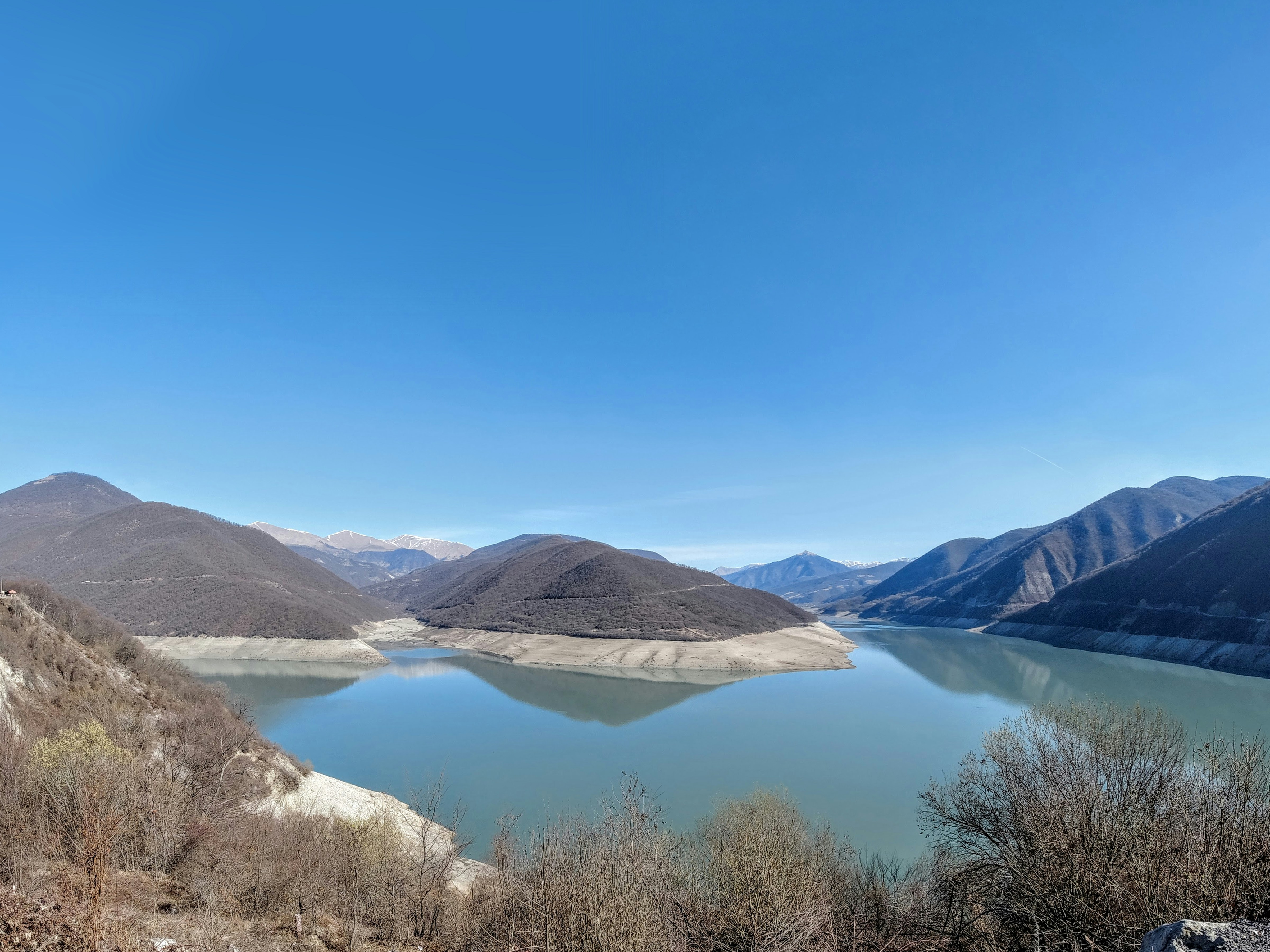
Georgia Visa & Entry Requirements for Singapore Passport Holders
Visa requirements, passport validity, customs allowances, and entry tips for Singapore citizens travelling to Georgia.
8 July 2026
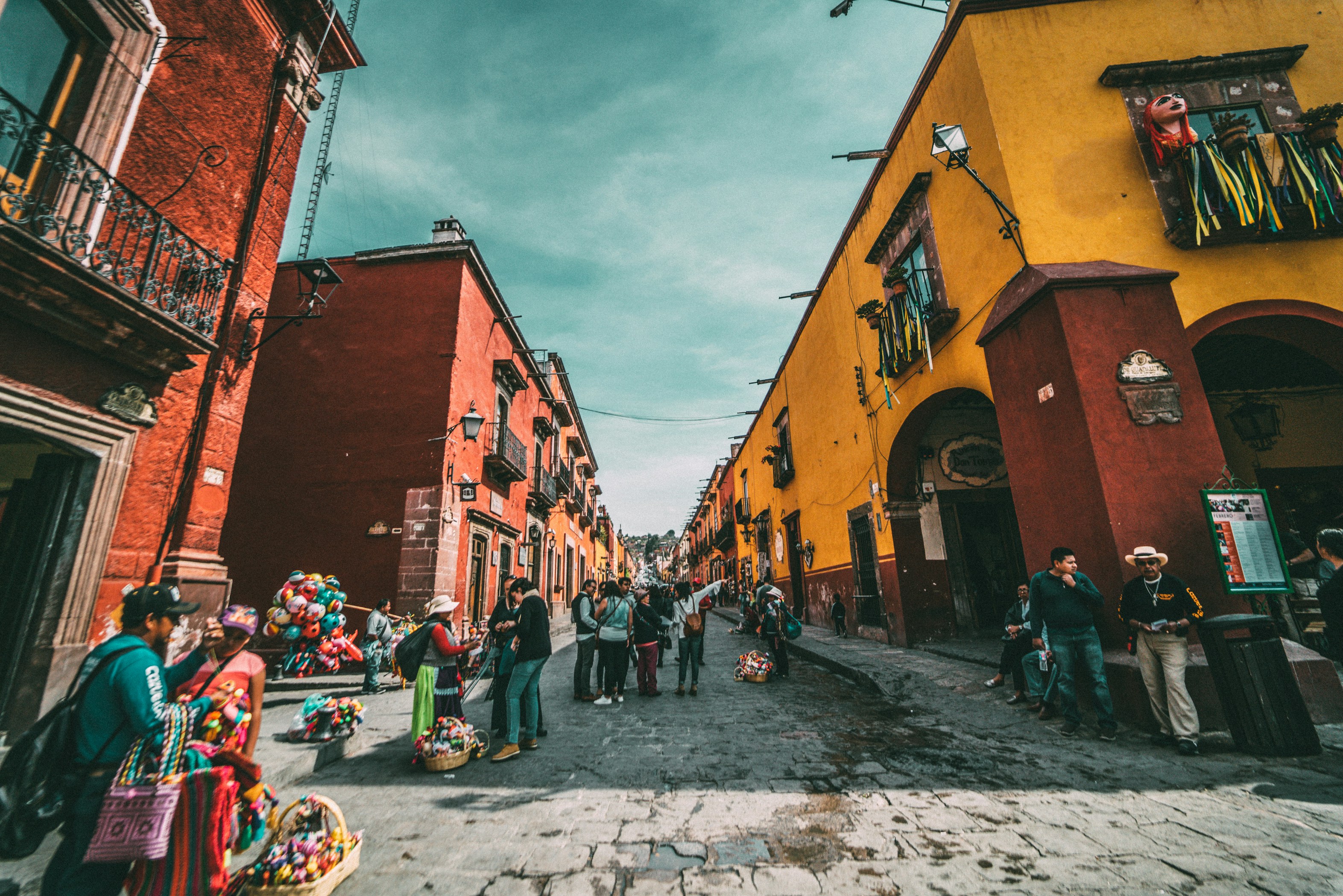
Mexico Visa & Entry Requirements for Singapore Passport Holders
Visa requirements, passport validity, customs allowances, and entry tips for Singapore citizens travelling to Mexico.
11 July 2026
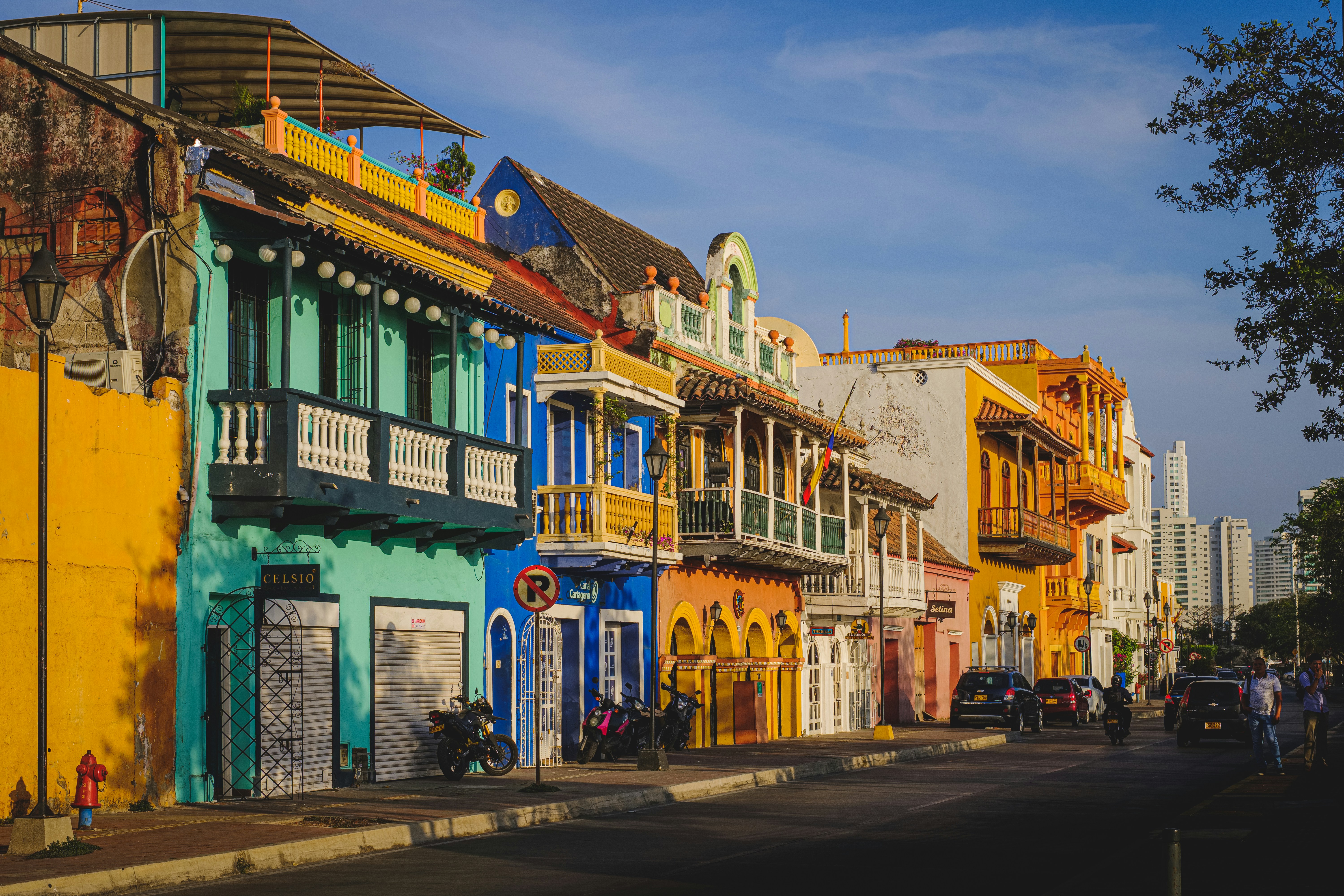
Colombia Visa & Entry Requirements for Singapore Passport Holders
Visa requirements, passport validity, customs allowances, and entry tips for Singapore citizens travelling to Colombia.
7 July 2026
More Travel Guides
Topic Guide
Travel Expense Tracking: Complete Guide to Managing Trip Budgets
How to track expenses while travelling — multi-currency budgets, receipt scanning, splitting costs with friends, and staying on budget.
Topic Guide
Solo Travel Safety Guide: Tips for Travelling Alone
Essential safety advice for solo travellers — personal safety, scam prevention, accommodation tips, and staying connected.
Topic Guide
Southeast Asia Backpacking Guide: Routes, Budget & Tips
The ultimate backpacking guide for Southeast Asia — popular routes, daily budgets, best time to visit, and practical logistics.
Topic Guide
First International Trip: Step-by-Step Guide for New Travellers
A complete beginner guide to international travel — planning, packing, airports, currency, safety, and essential apps.